



How to choose the right mesh count
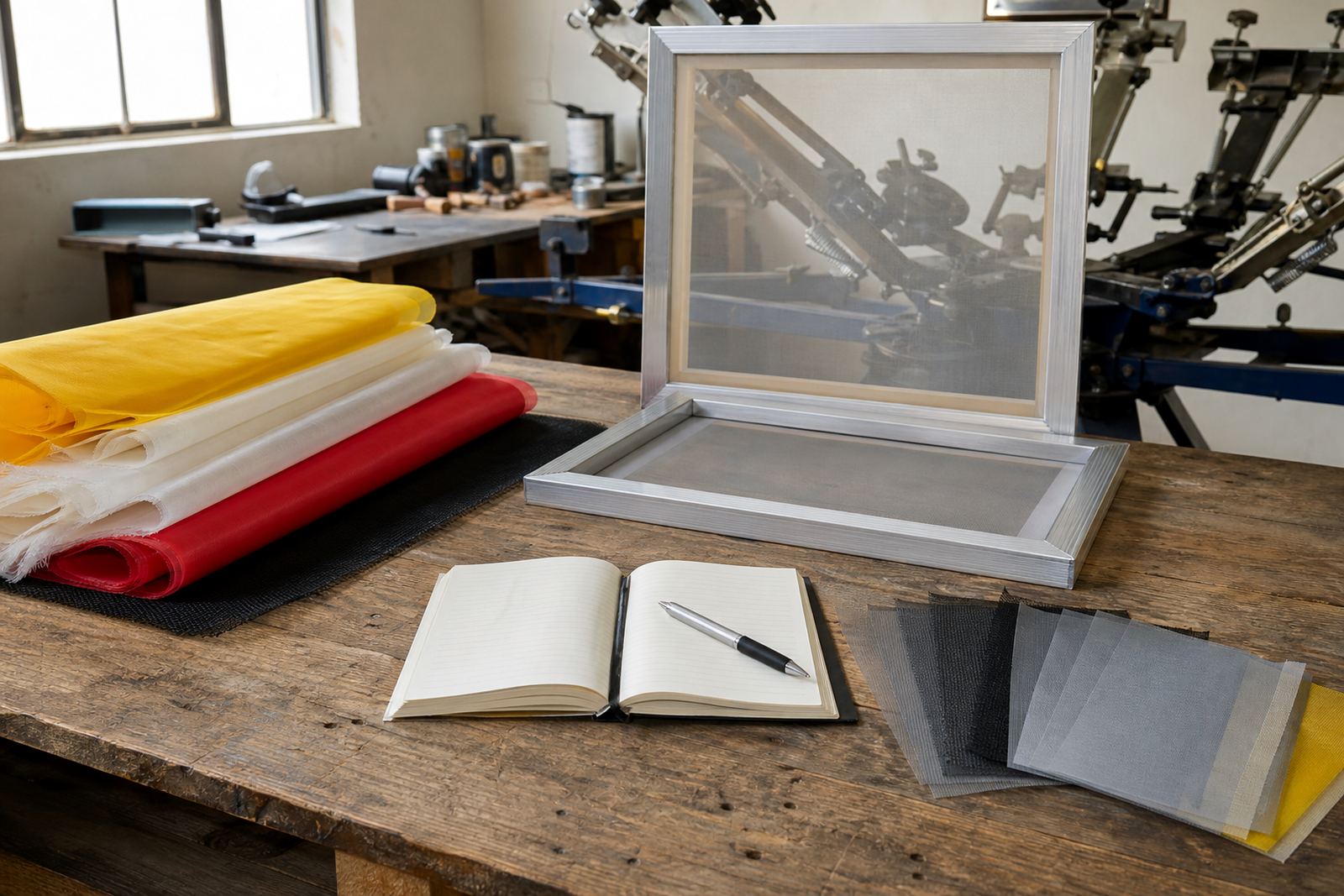
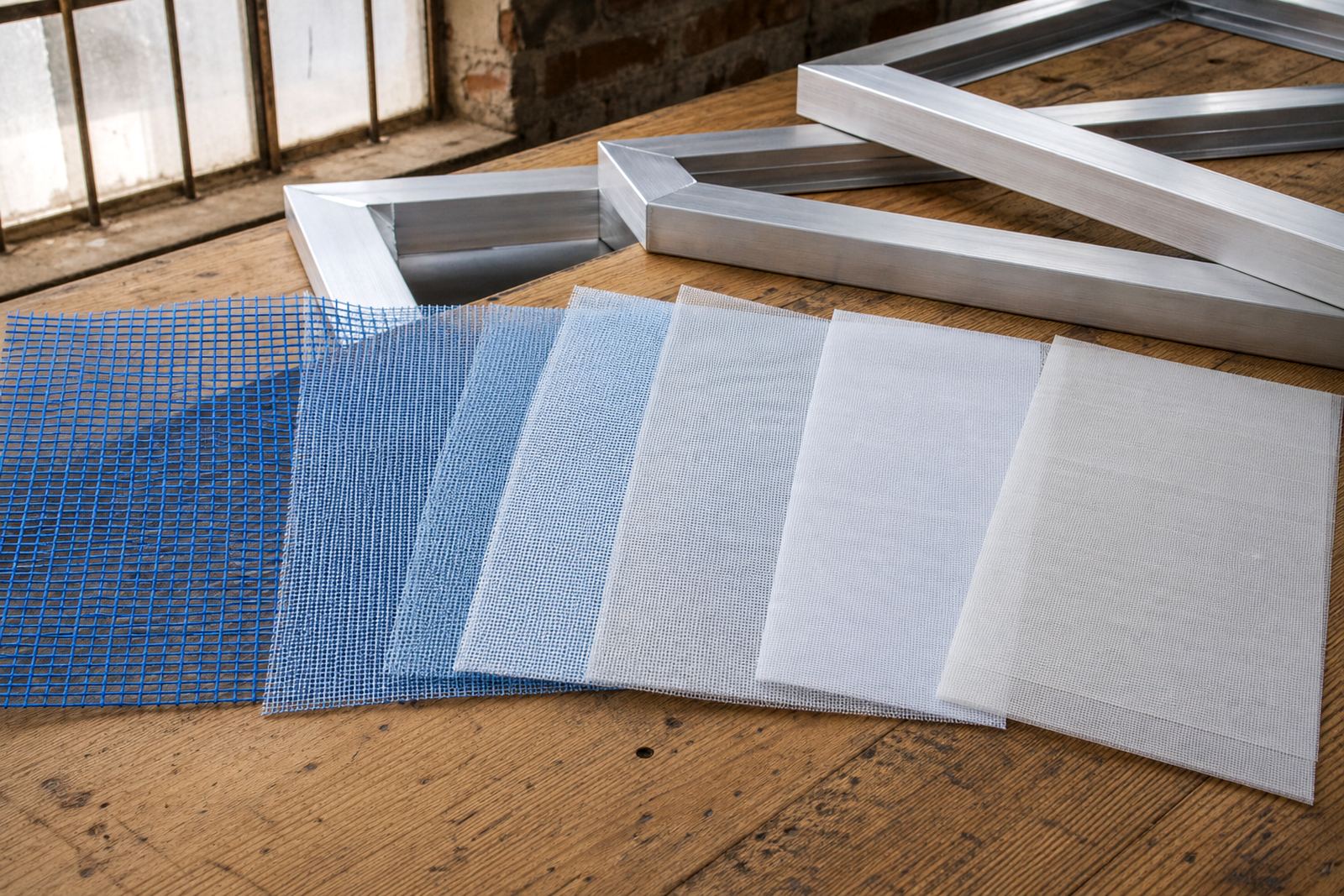
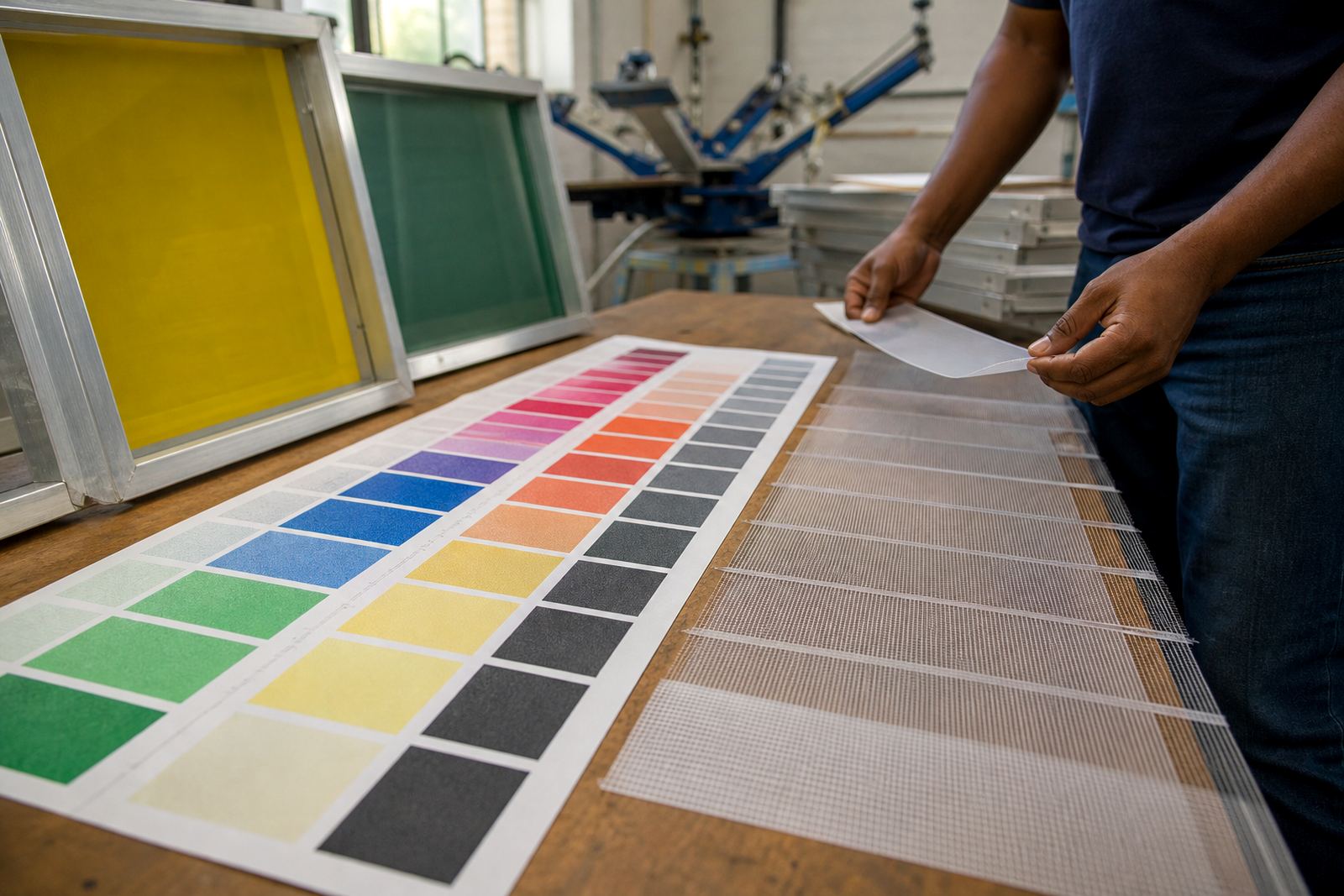
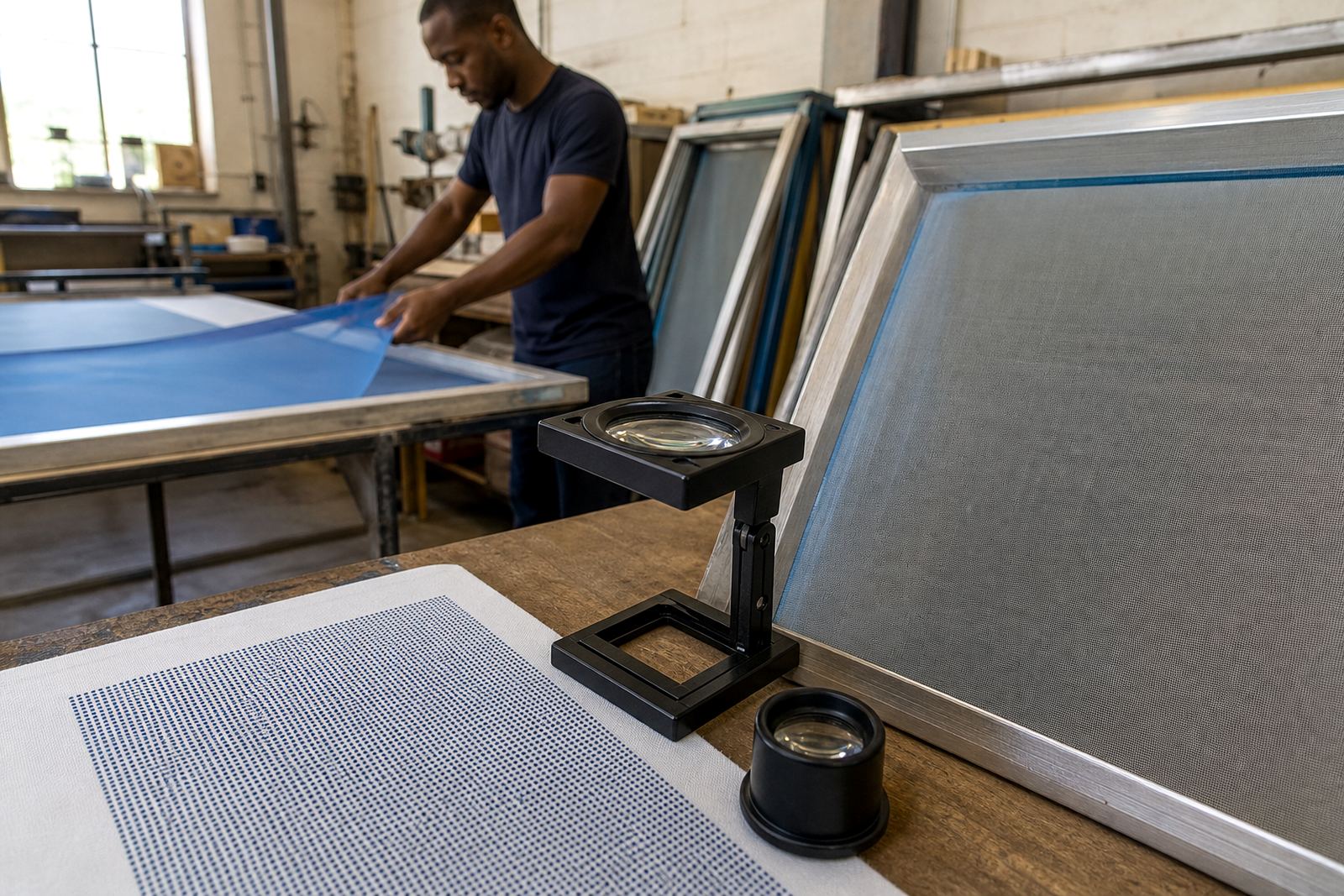
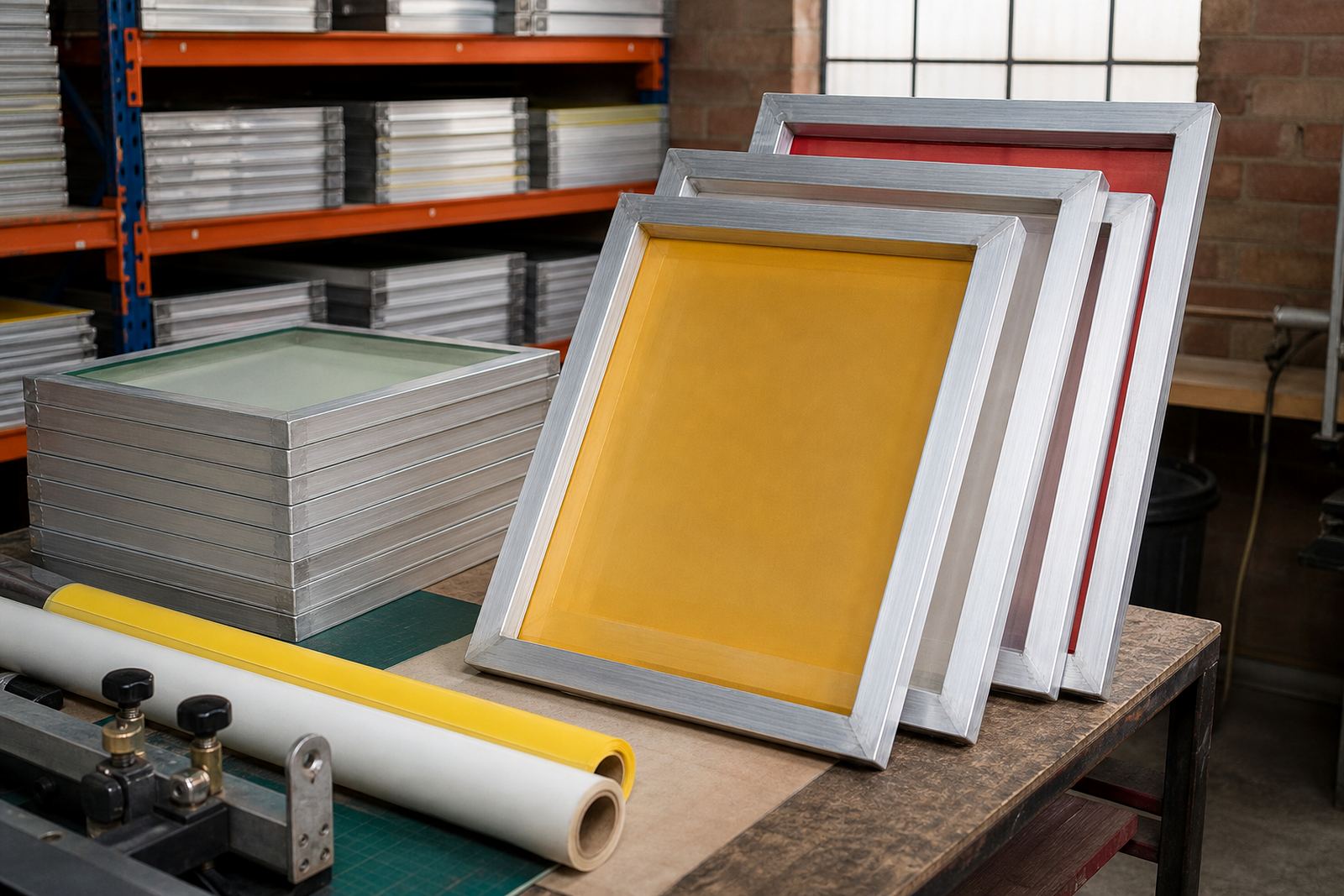
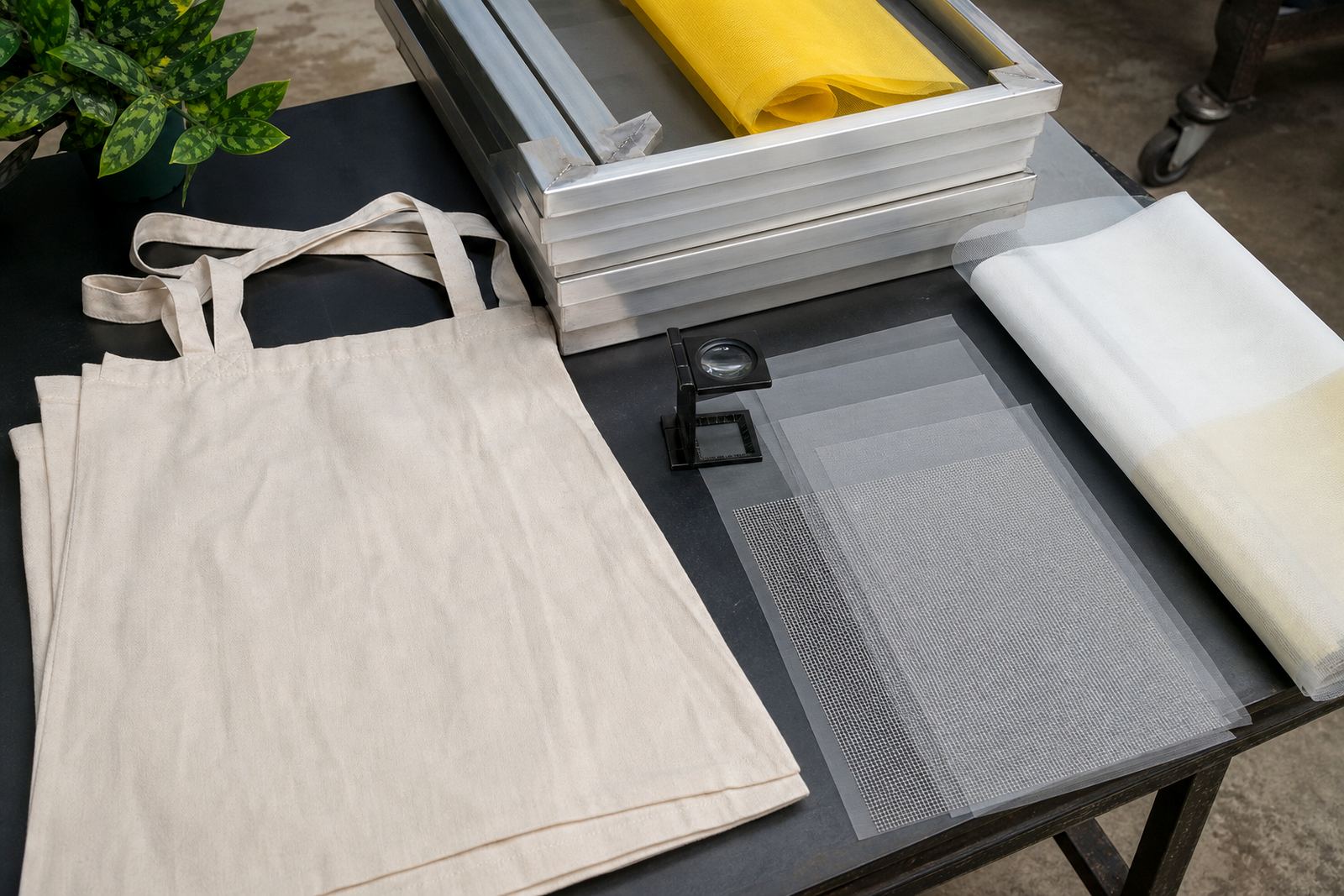
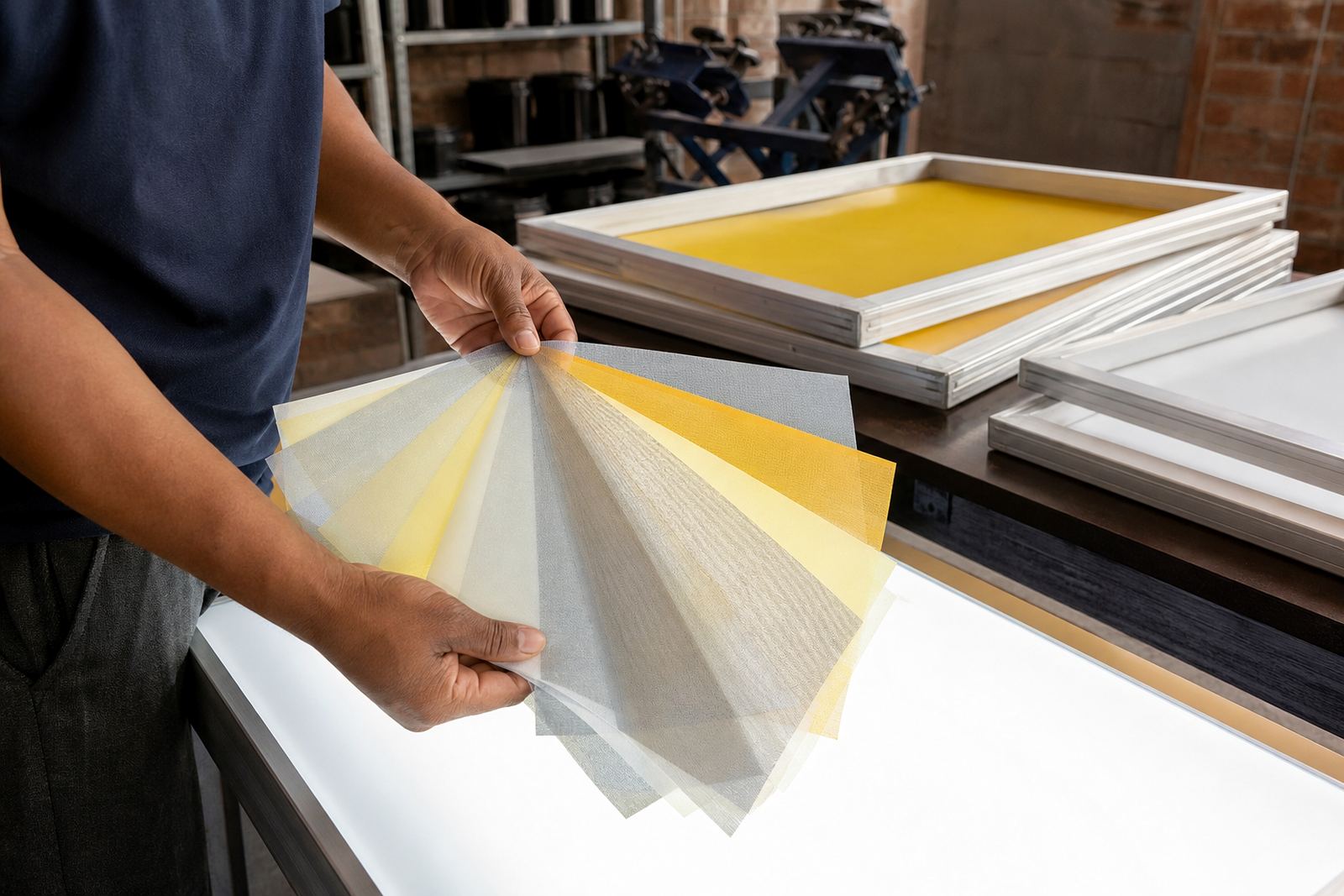
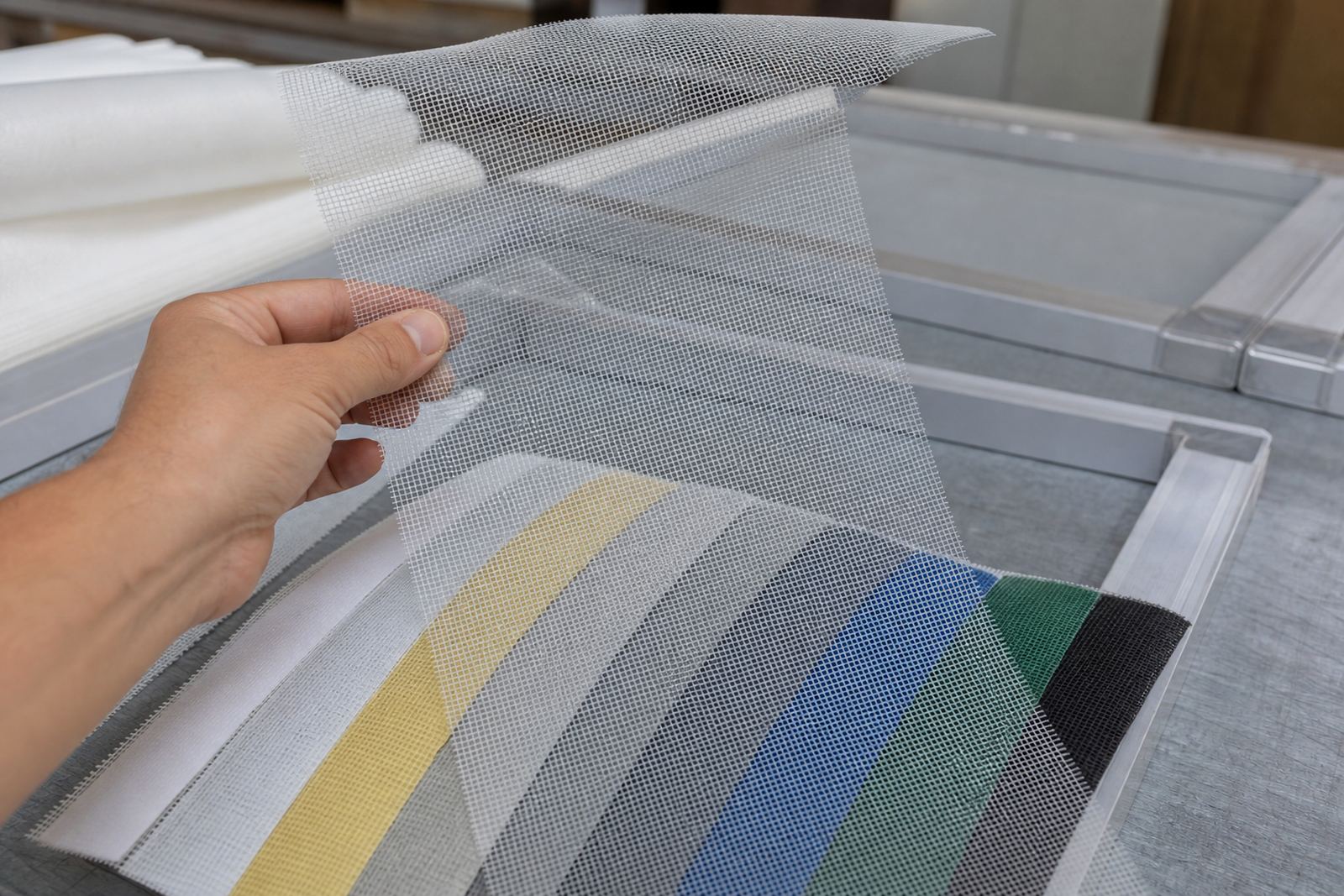
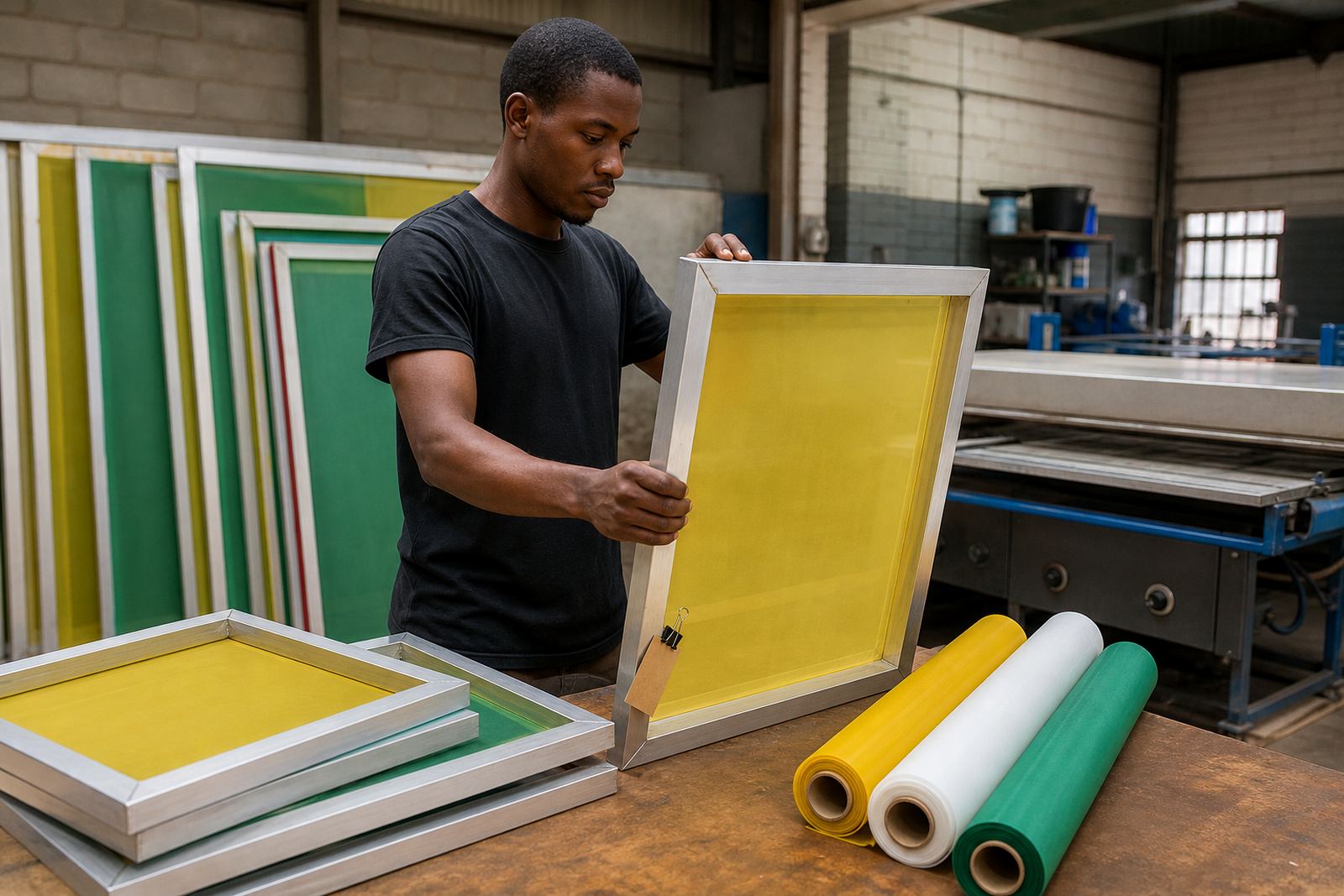
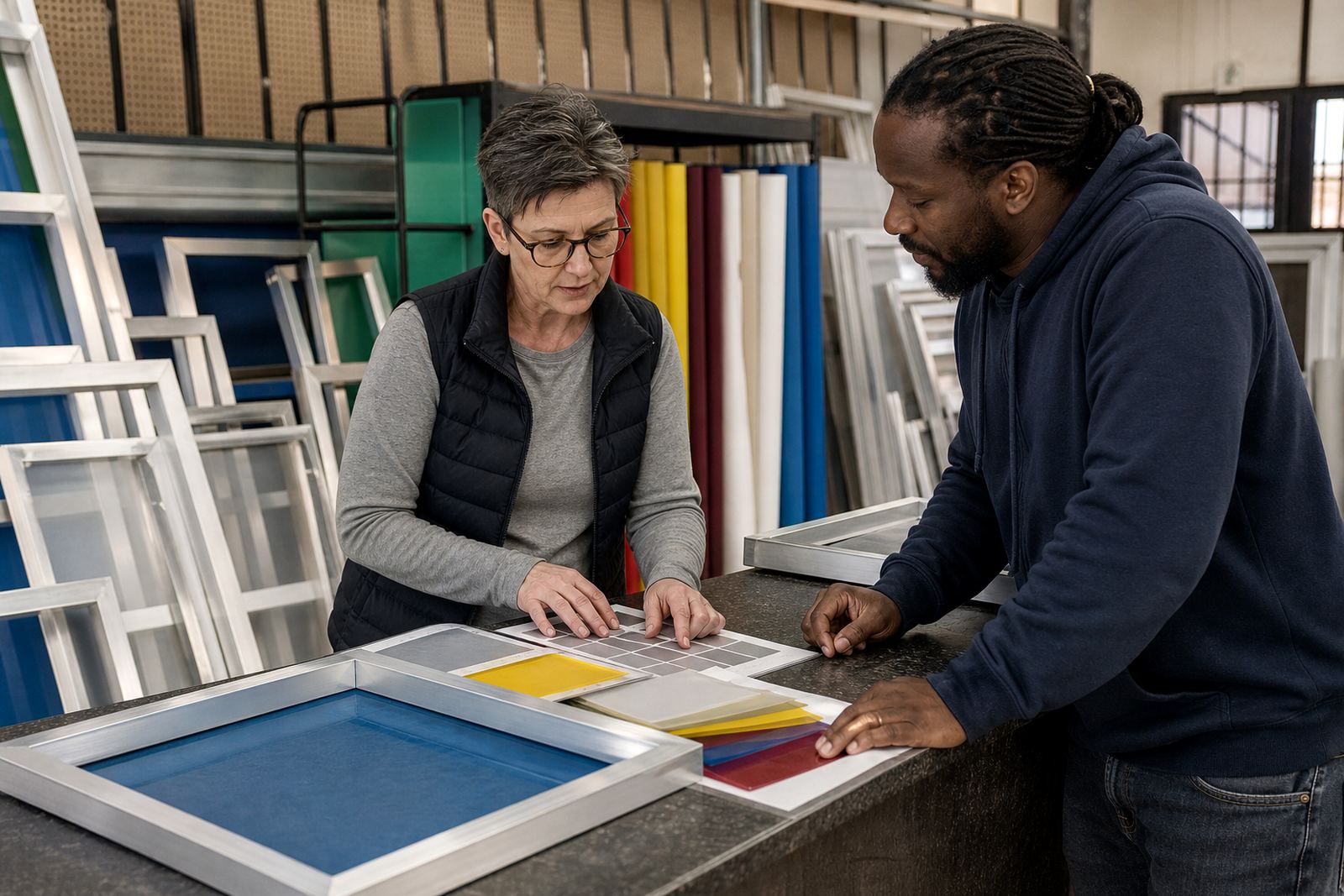
Mesh count affects how much ink passes through the screen, how sharp the print edge is and how fine the detail can be. Lower counts are often used for heavier ink deposits and bolder graphics, while higher counts suit finer detail and thinner inks. The right choice depends on the artwork, substrate and ink system, not just the design on paper.
For shops printing on apparel, labels or signage, the useful question is not only what mesh count but what result do you need on press. A practical article should help you match the mesh to the job instead of forcing every design through the same screen.
What tension means in day-to-day printing
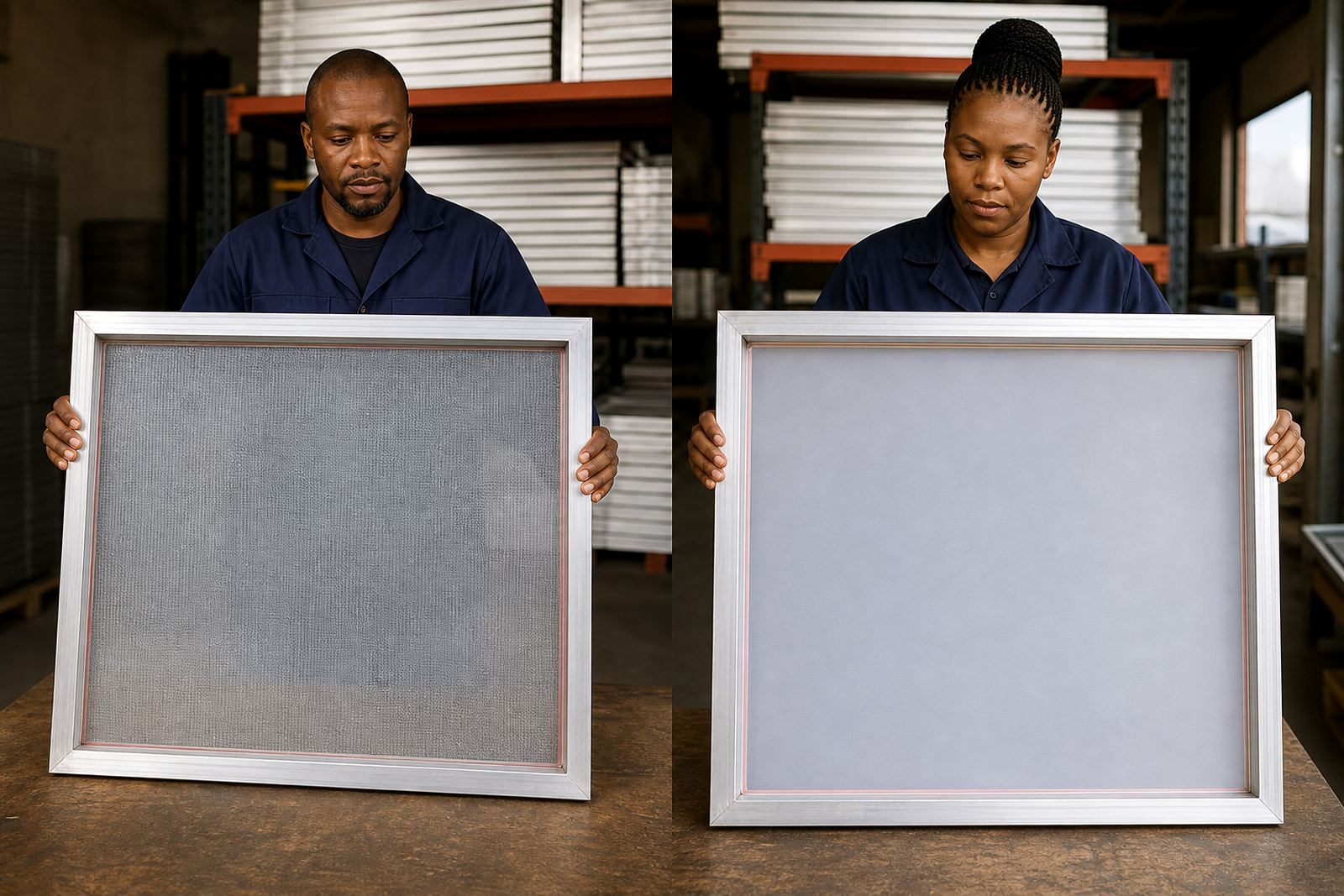
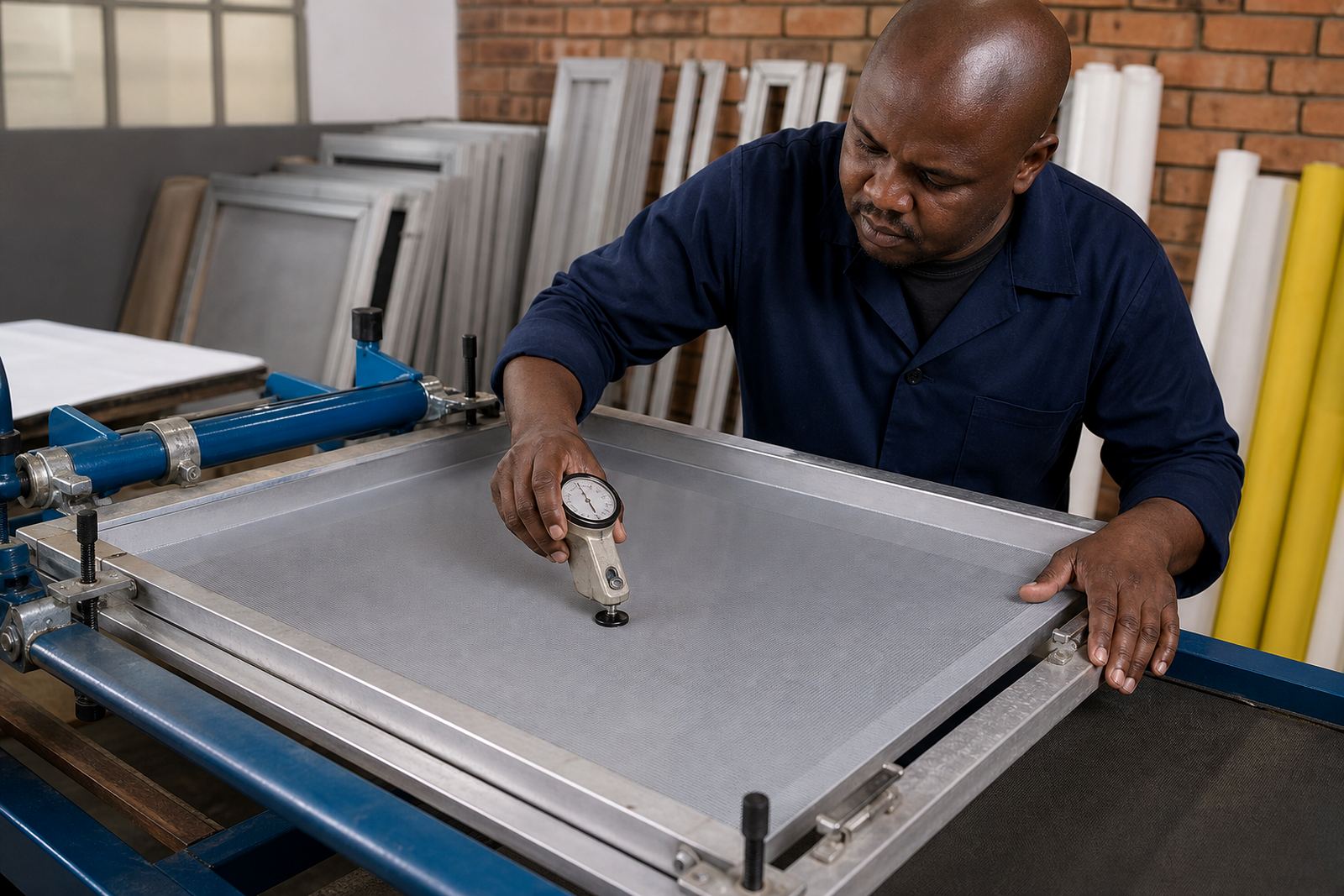
Screen tension is one of those details that can save time or waste it. A screen that is too loose may print unevenly, slow down fine work and make registration less reliable. A screen that is stretched properly gives cleaner snap-off and a steadier print stroke, especially on longer runs.
When you read about tension in this journal, expect simple guidance on checking consistency, spotting weak areas and deciding when a frame should be re-stretched. Good tension is not about chasing numbers for the sake of it, it is about getting repeatable prints with less fuss.
- Check for slack areas after storage or heavy use
- Look for uneven pressure across the print area
- Compare new screens with older working screens
- Re-stretch when the frame no longer holds even tension
Frame care that helps screens last longer
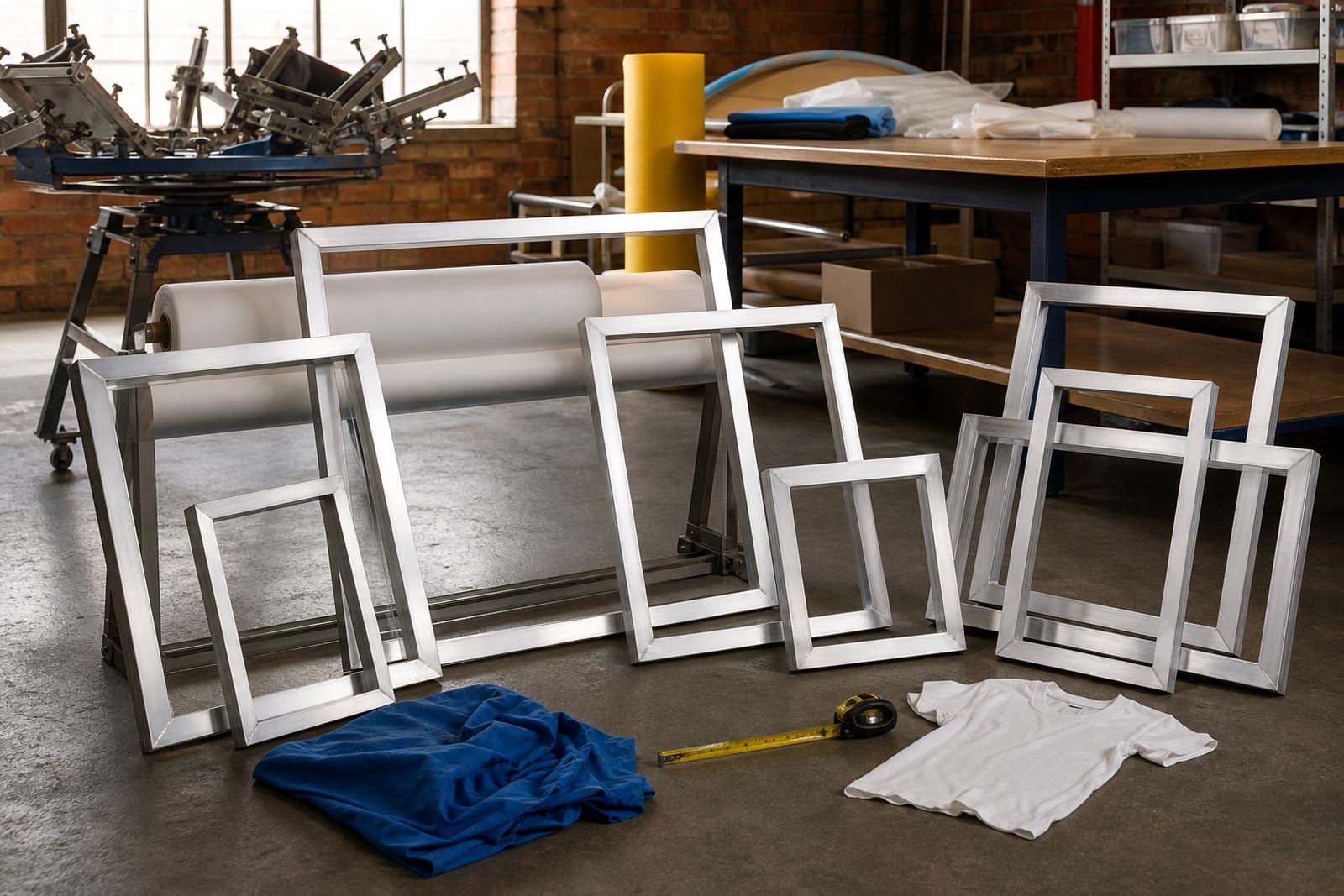
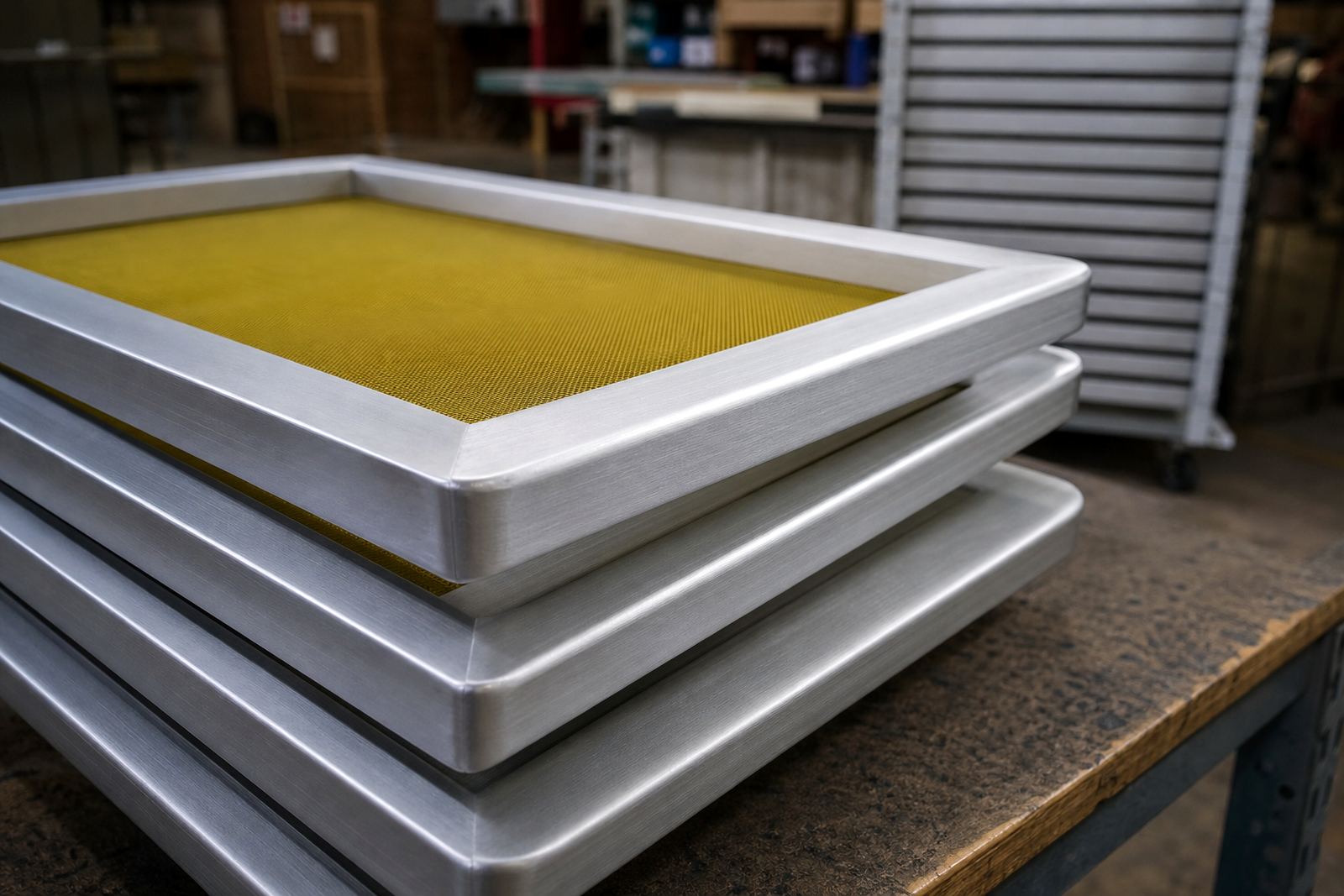
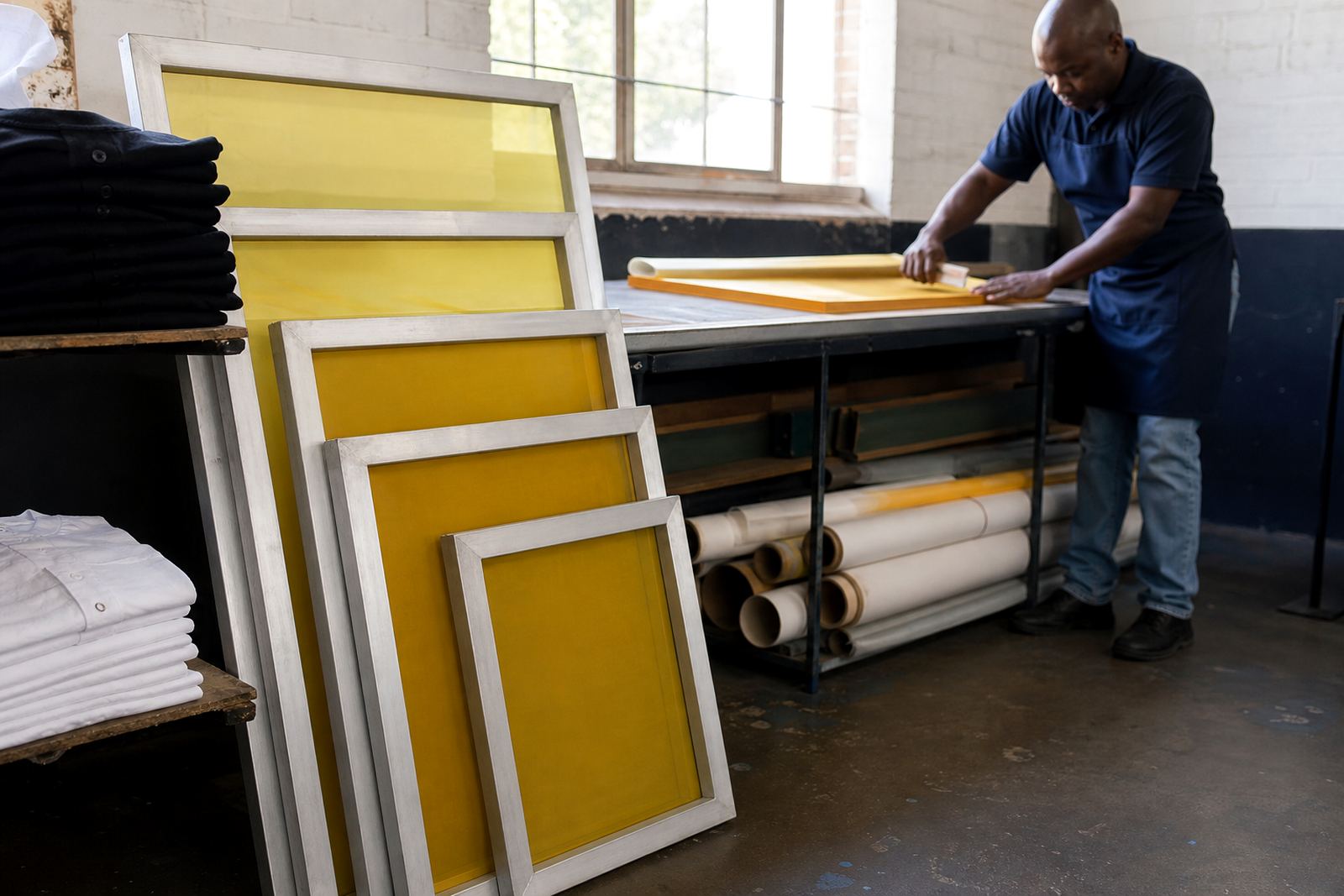
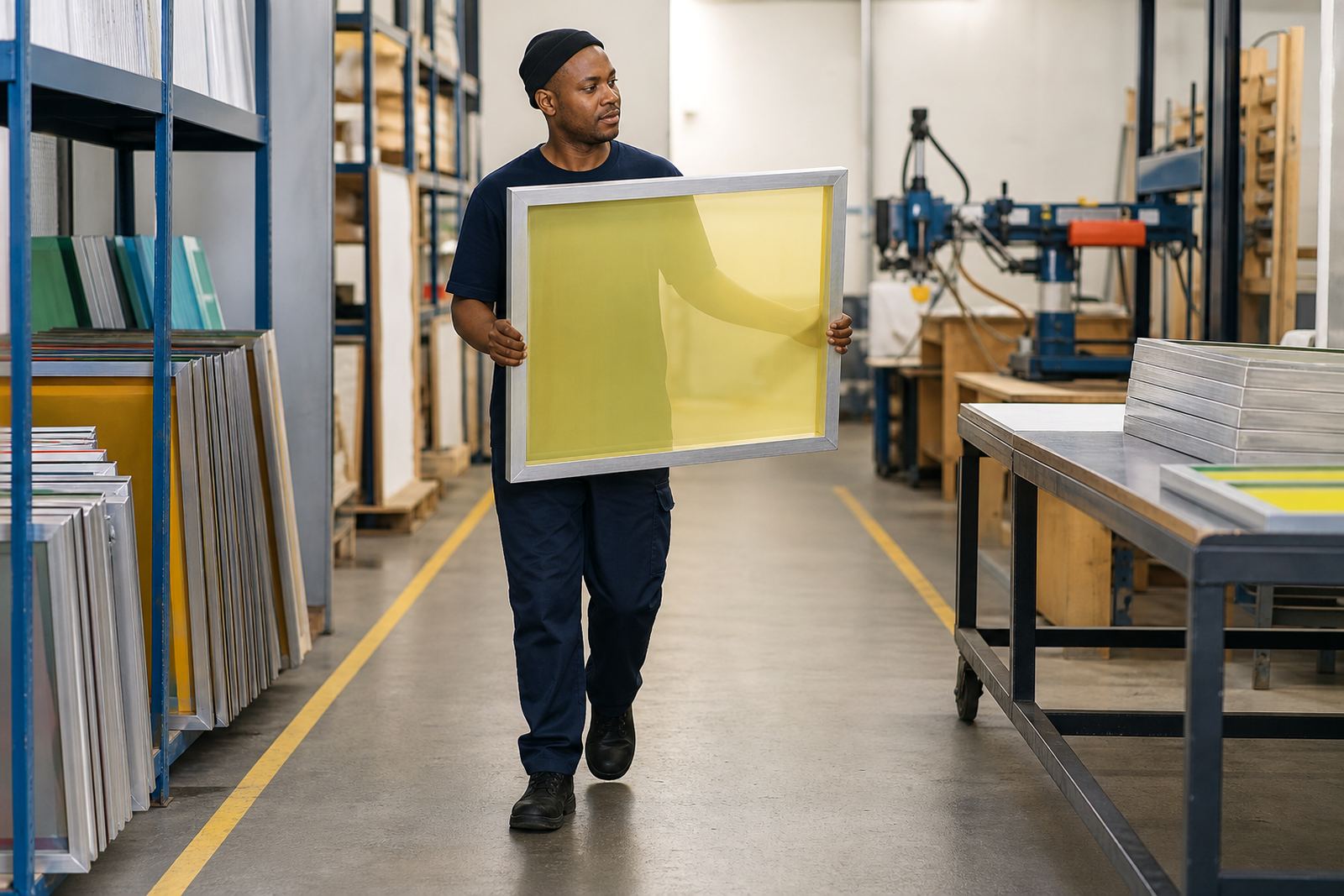
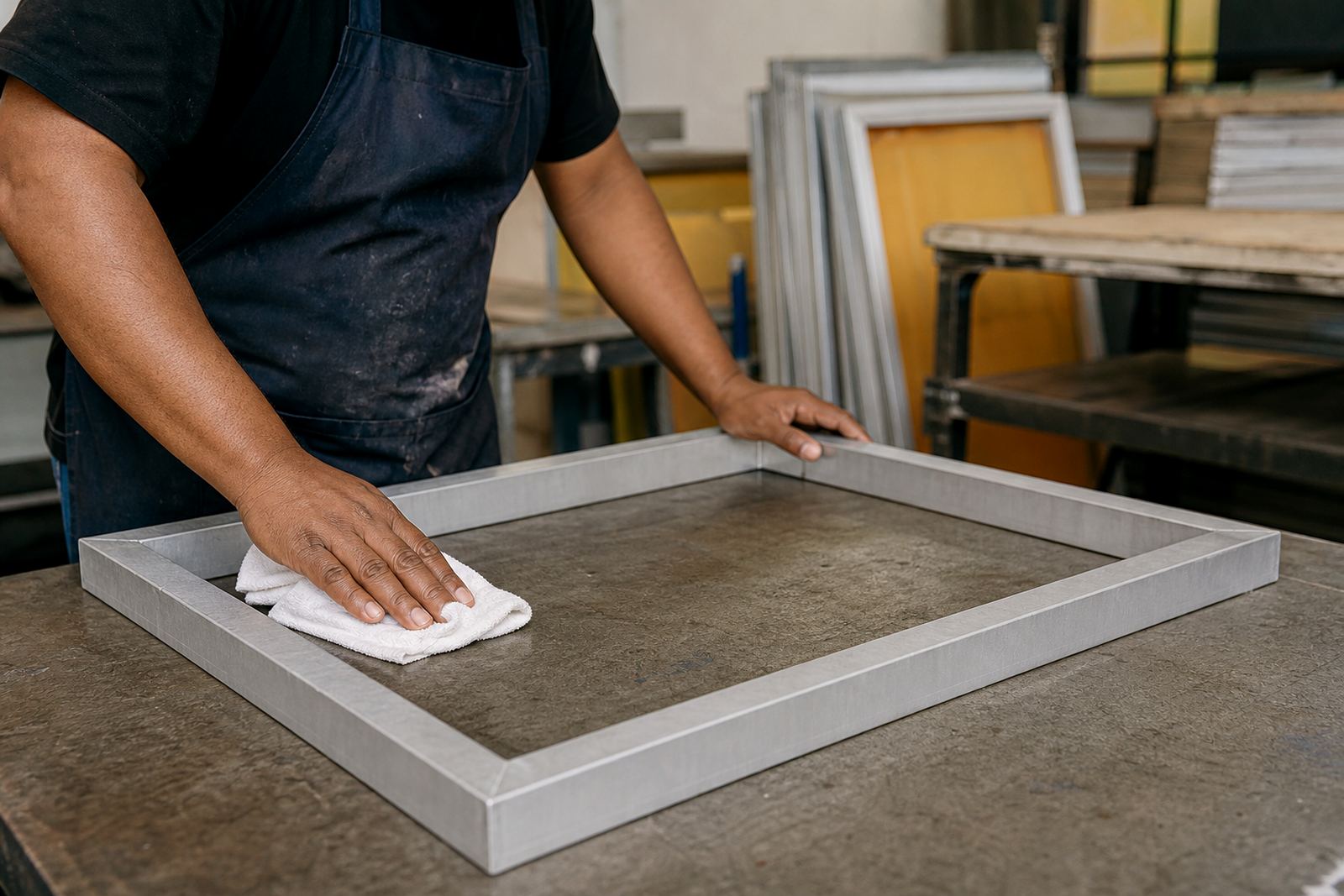
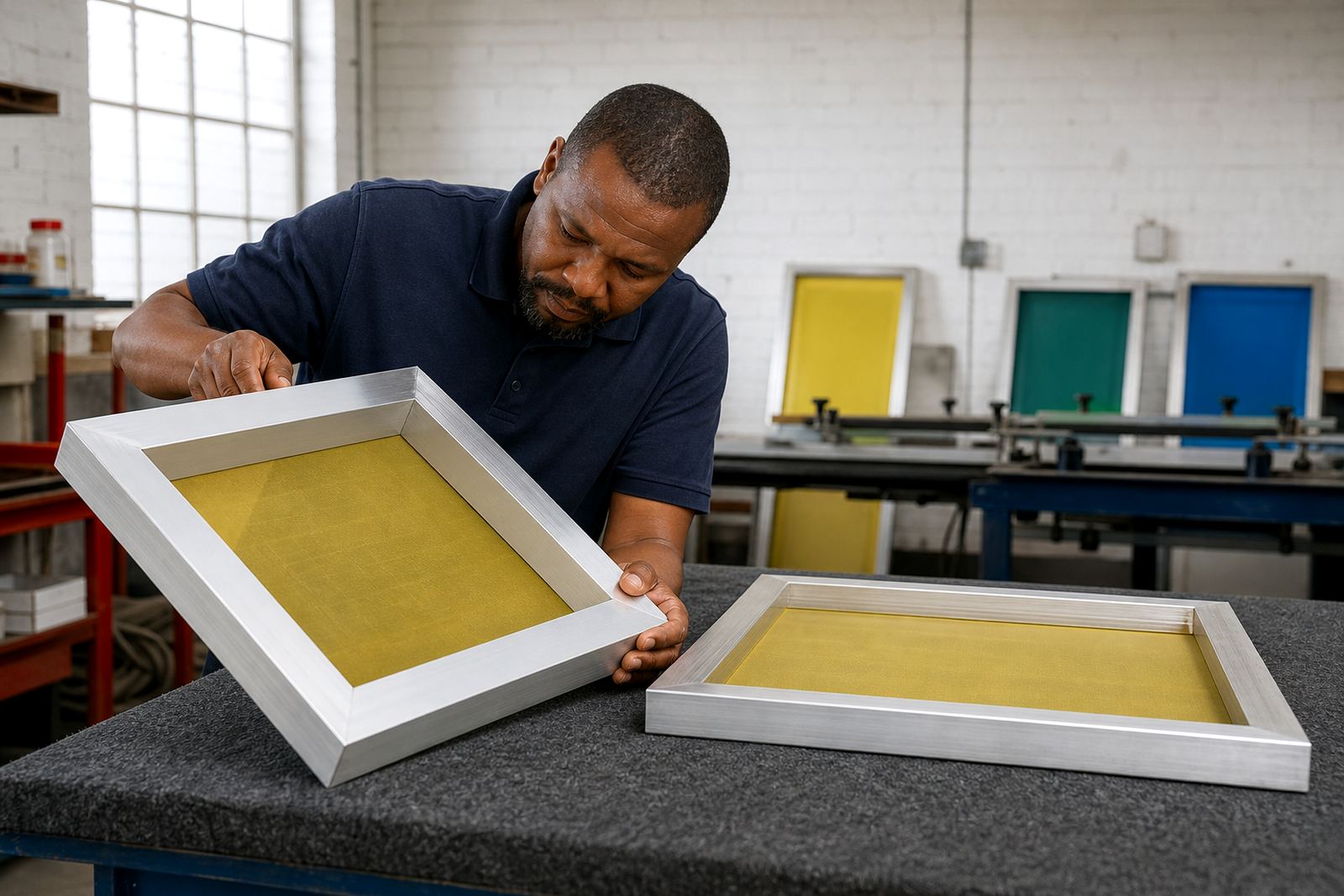
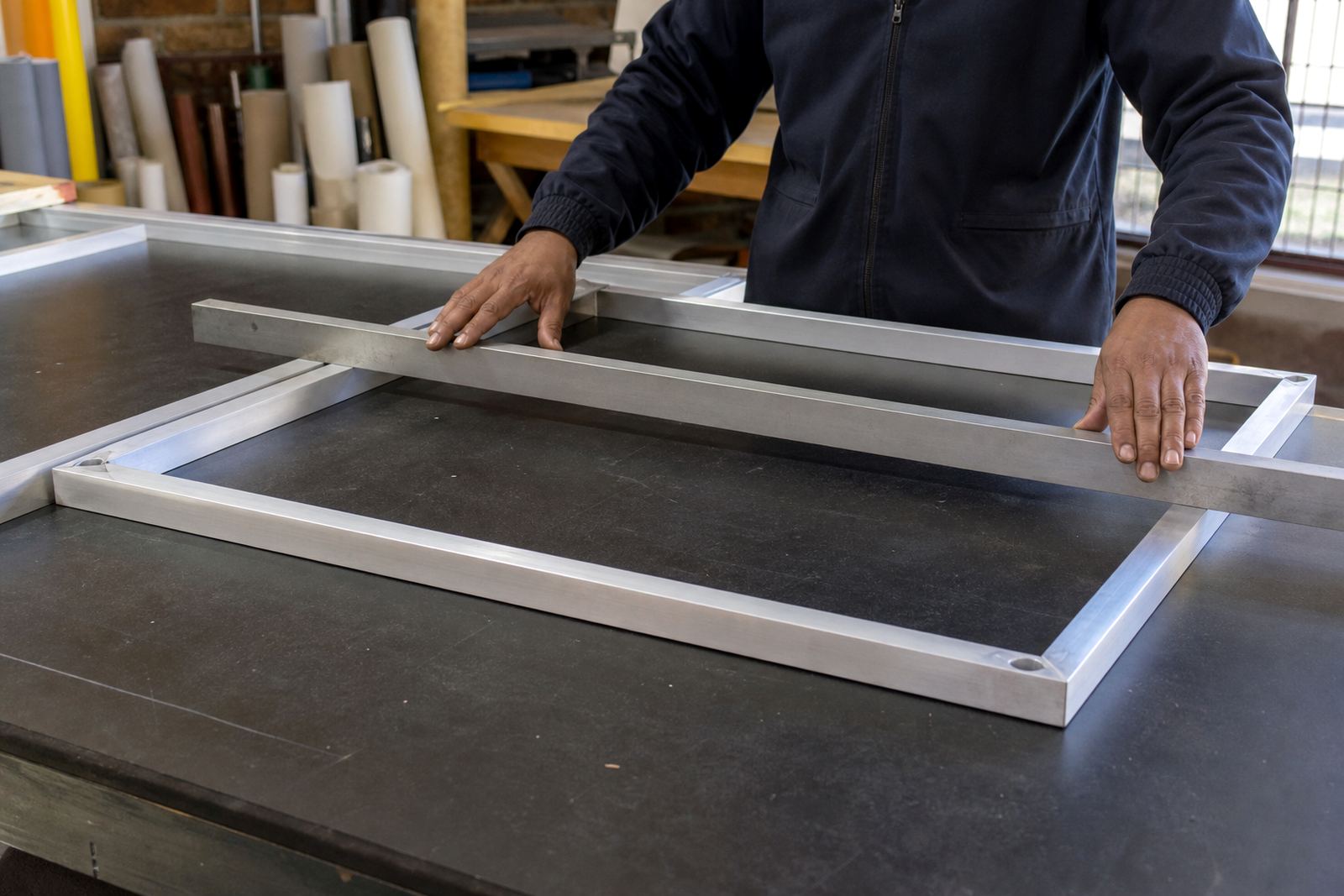
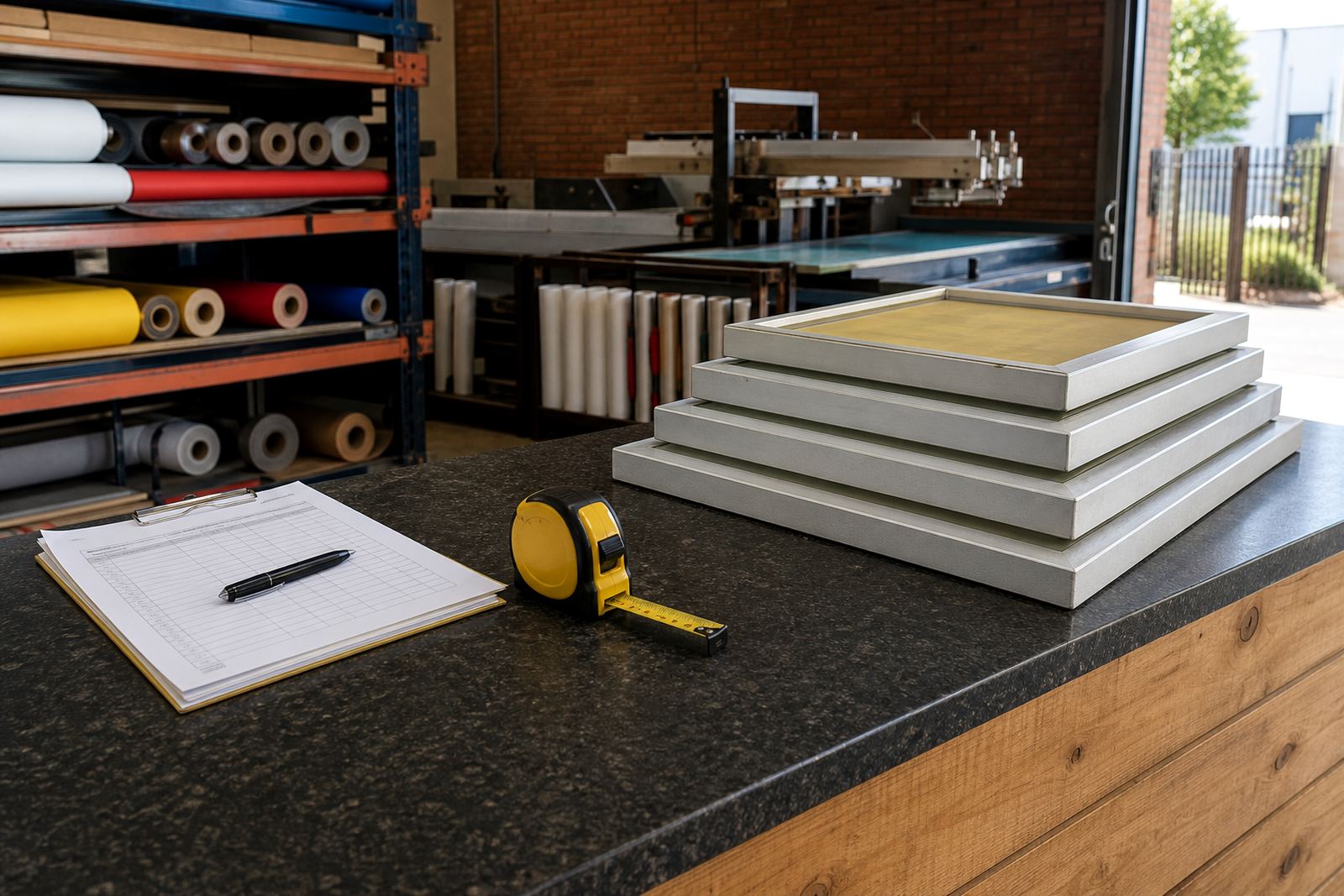
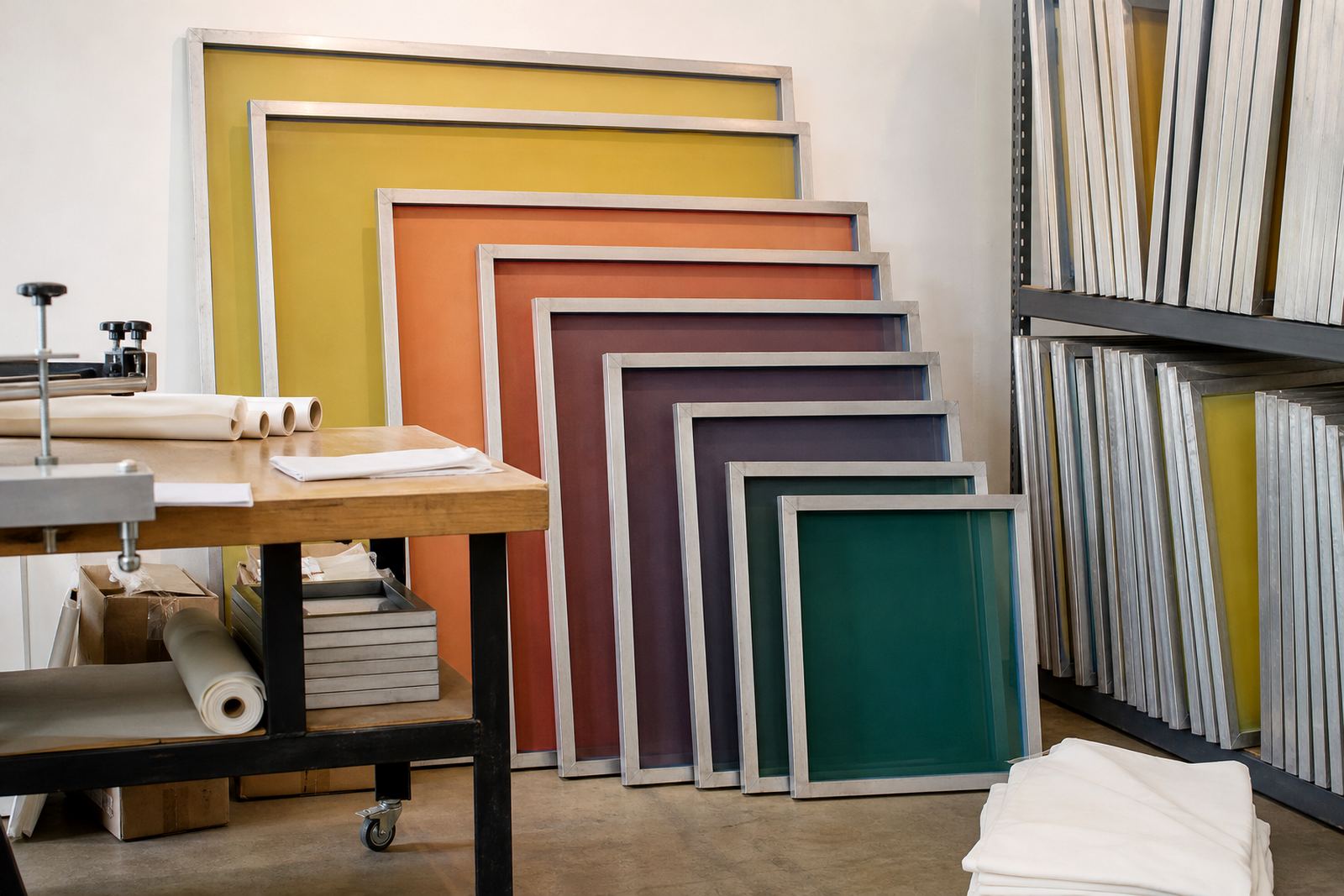
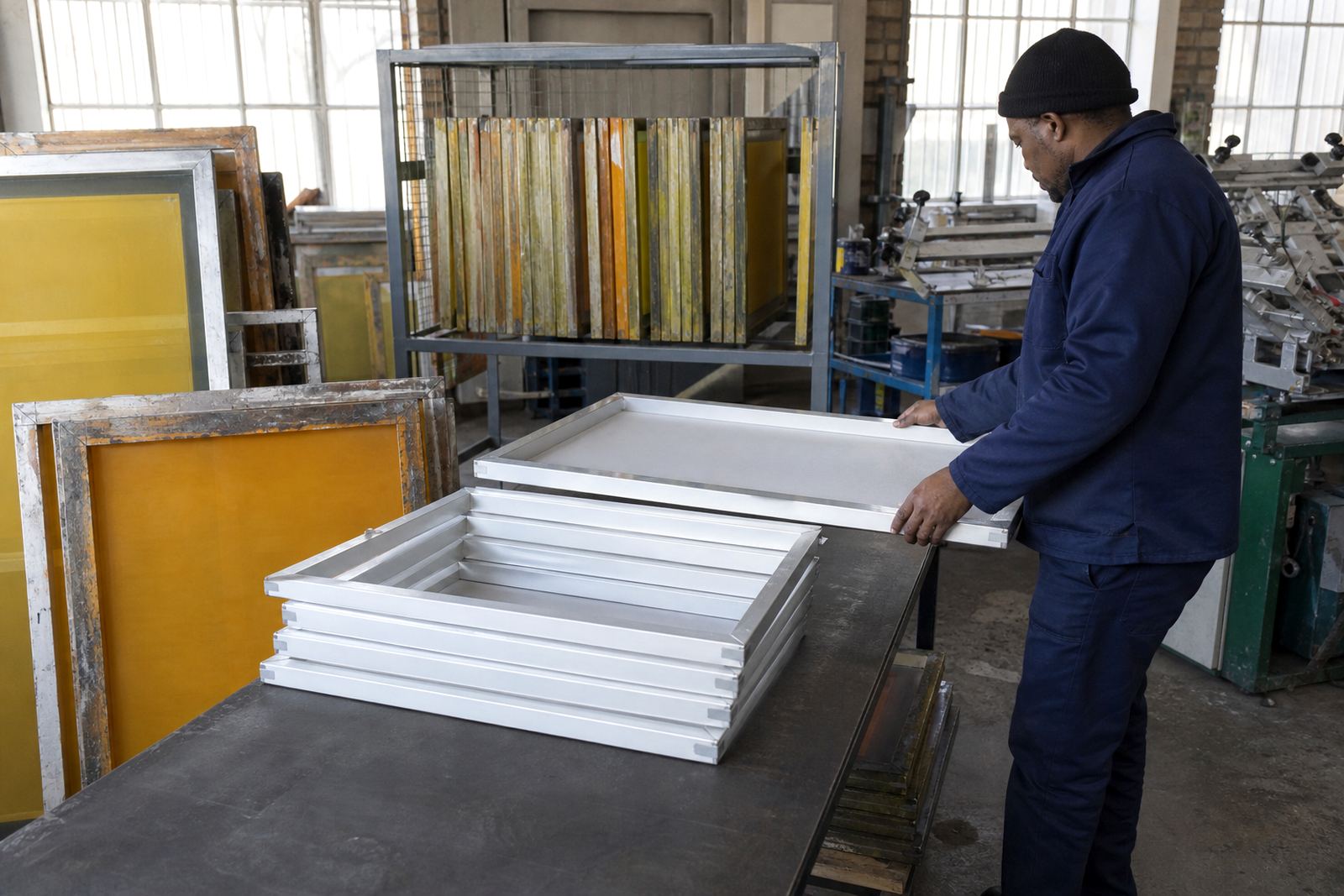
Frames work hard in a production shop and they take a knock from ink, wash-up chemicals, cleaning pads and transport. Aluminium frames are popular because they handle repeated use well, but they still need proper cleaning and handling. A frame with residue around the mesh bond or damage at the corners can become a problem later.
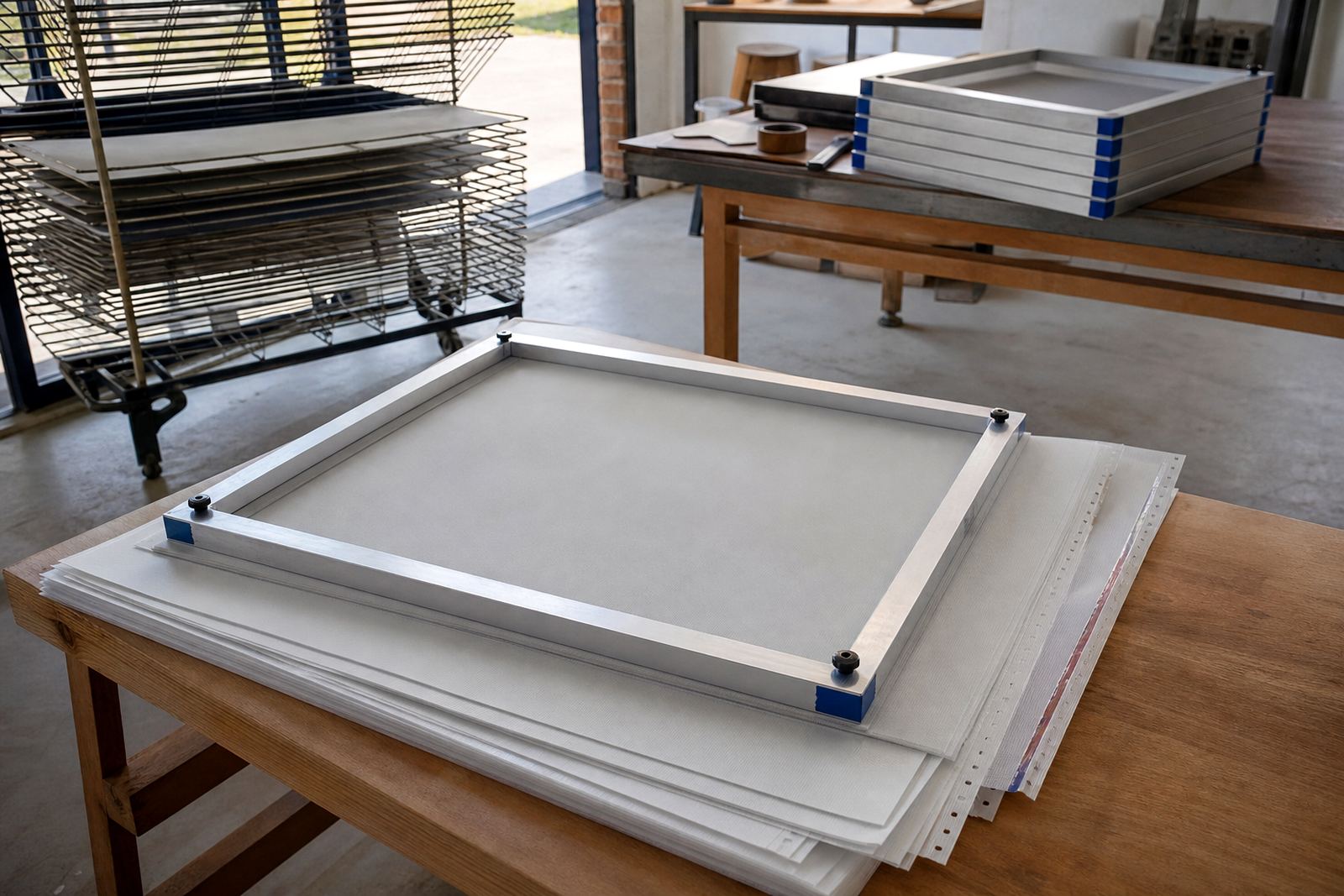
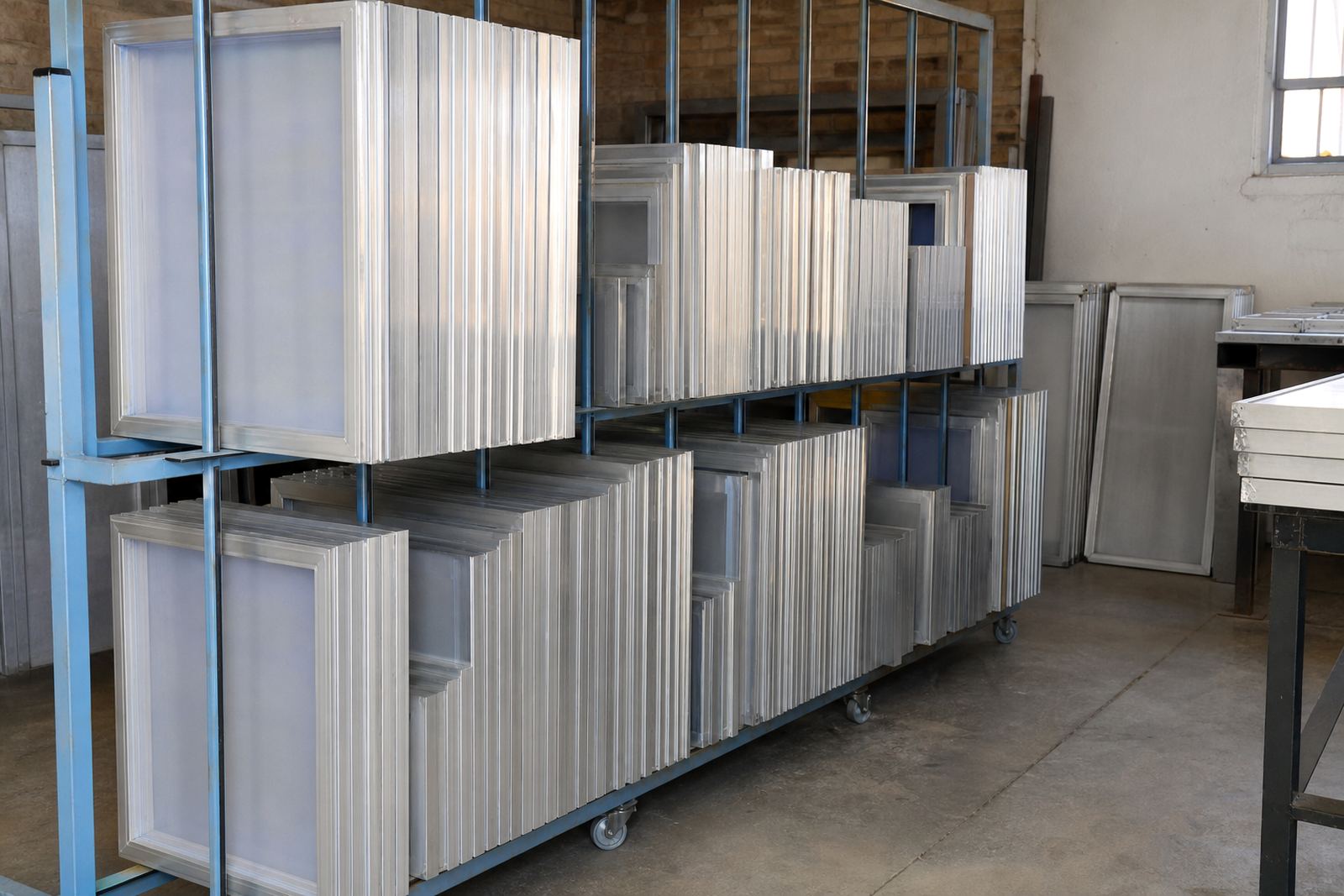
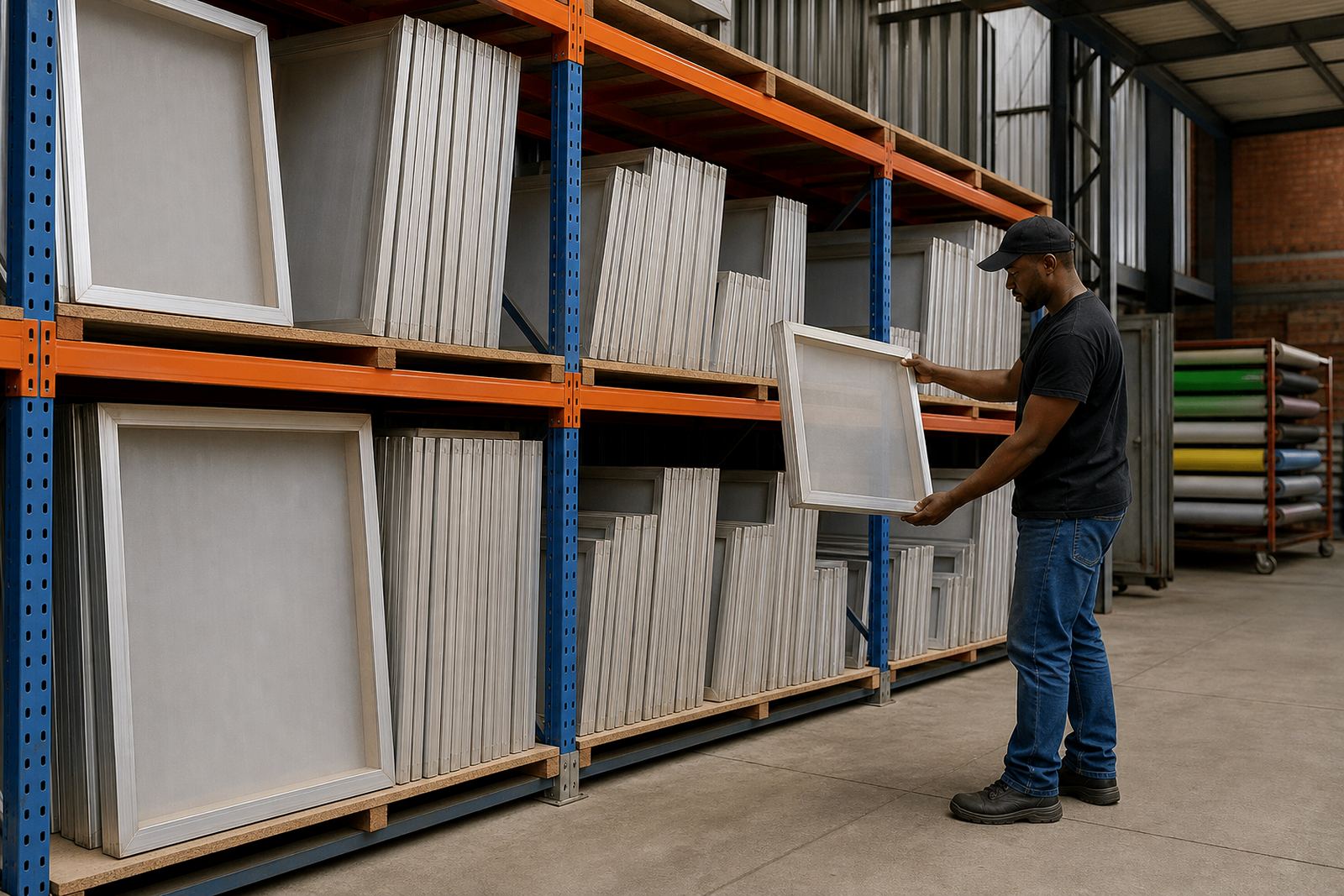
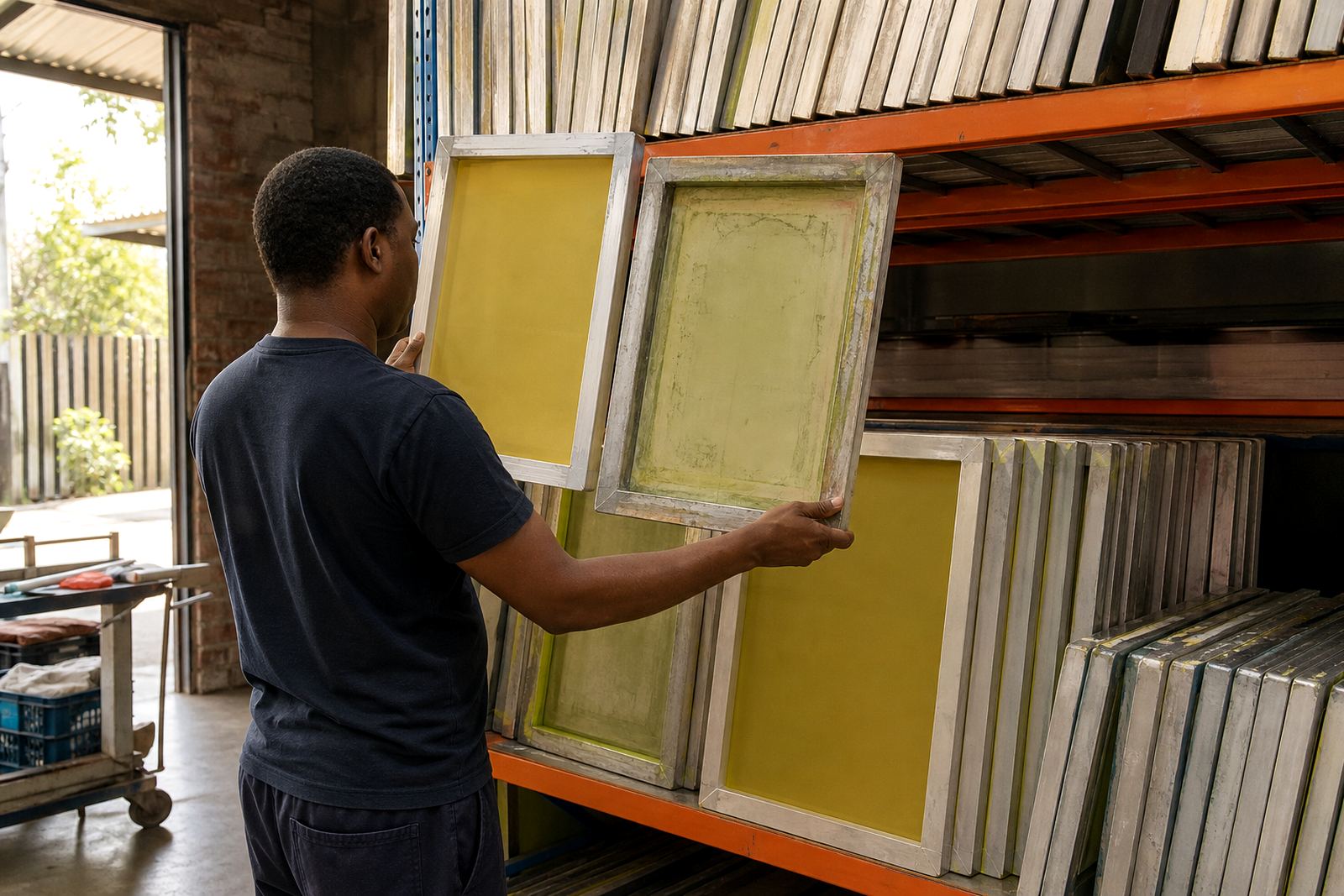
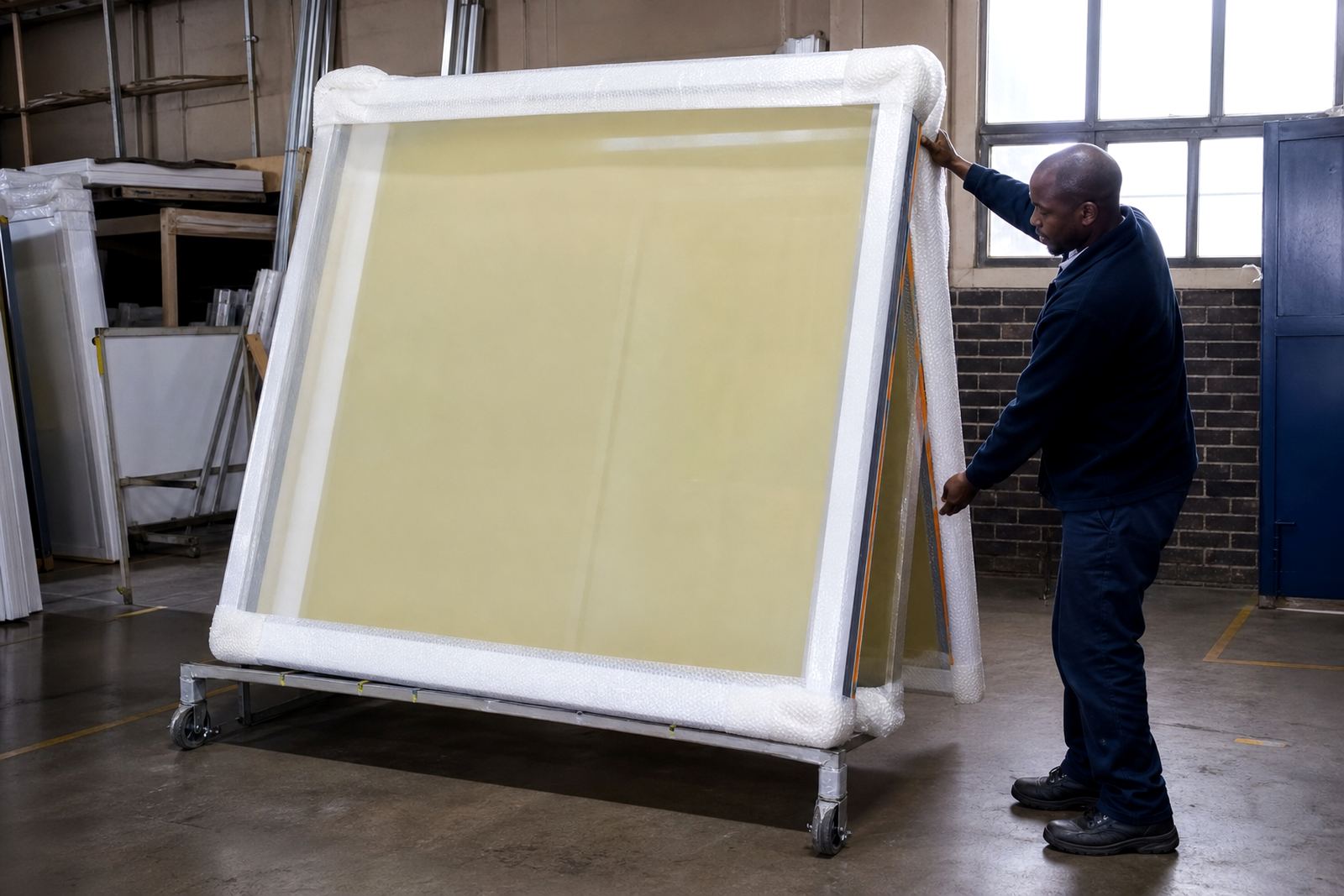
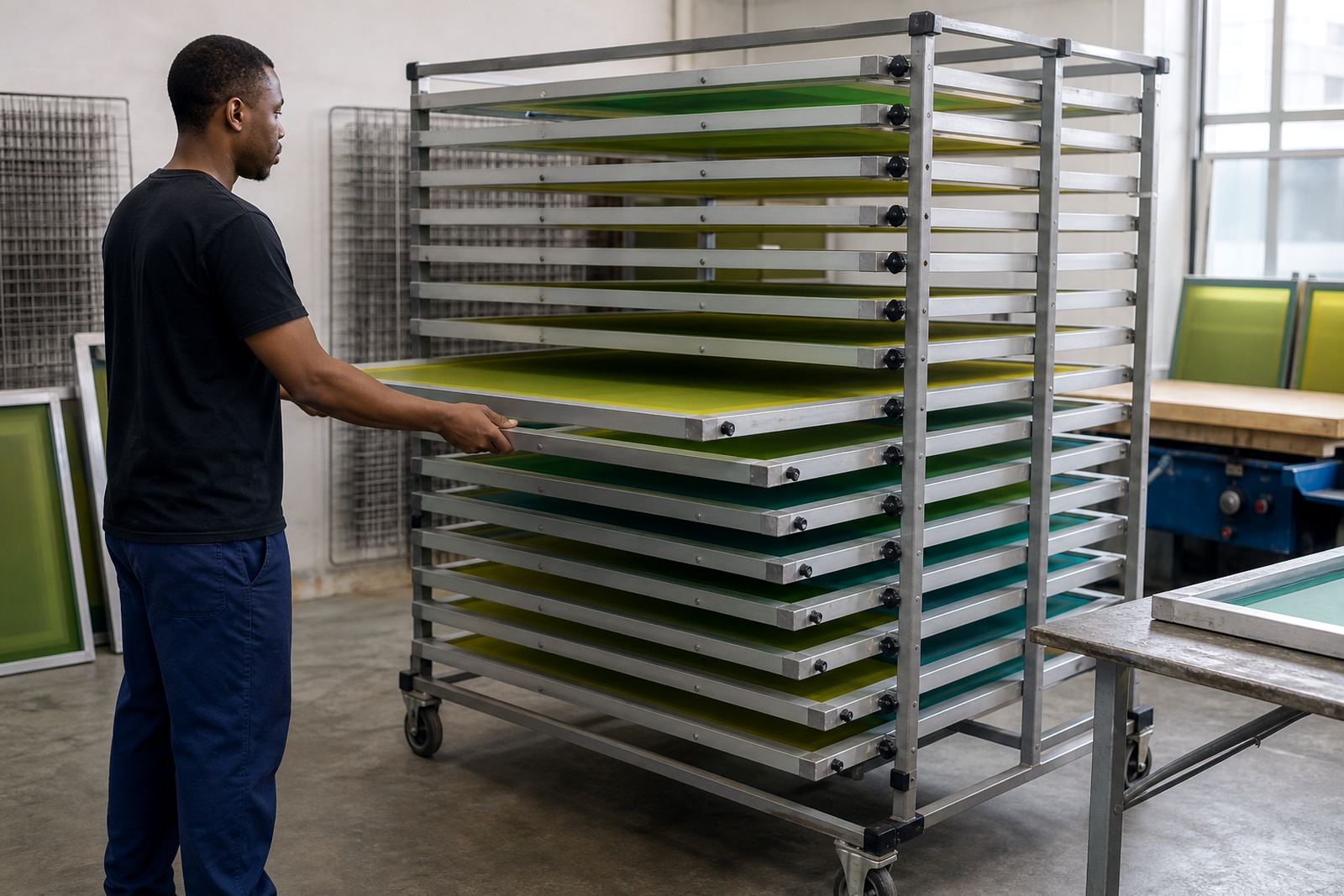
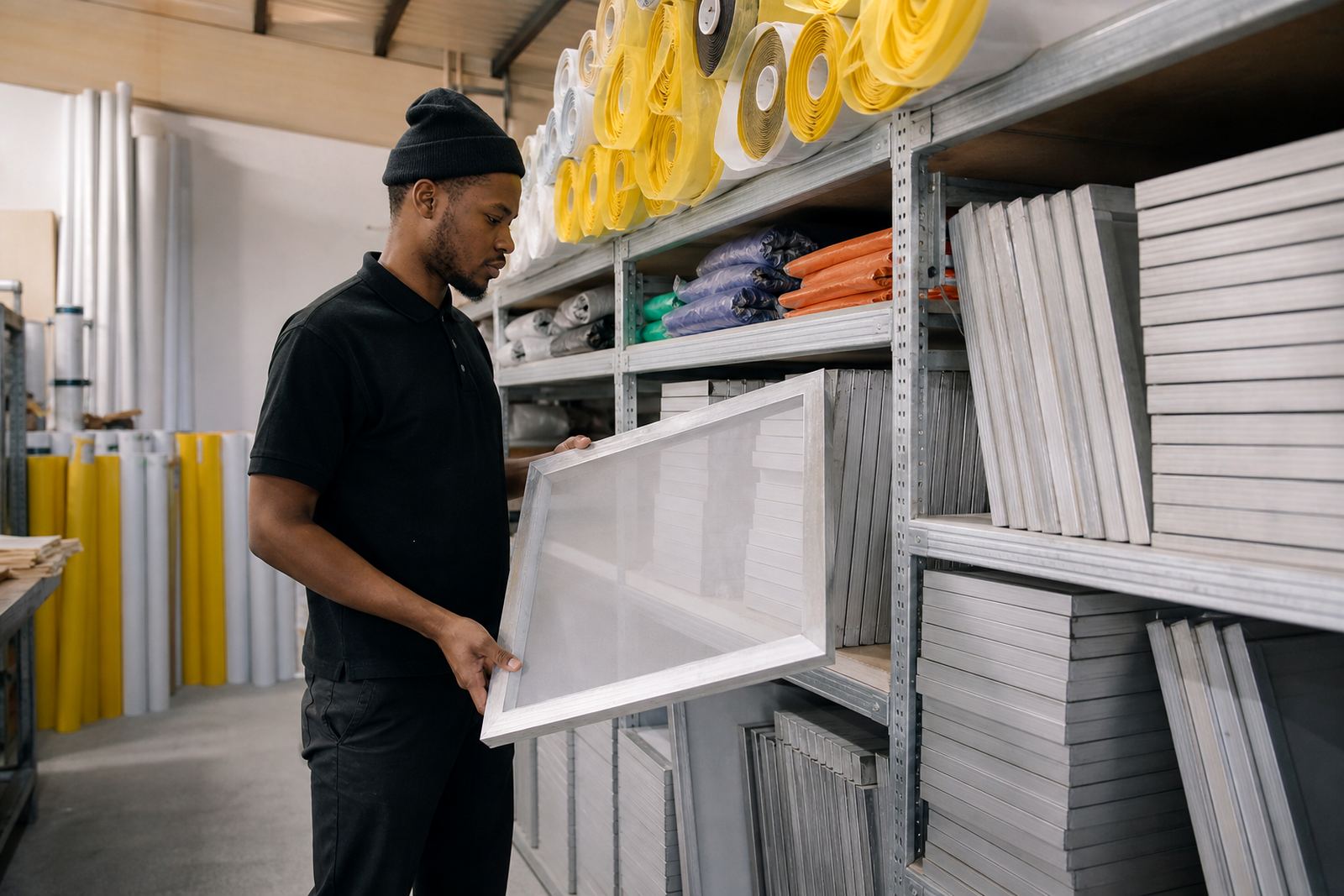
We cover practical habits such as cleaning after use, storing screens flat or properly racked, and checking for warping before the next job. In humid coastal areas like Durban and Gqeberha, drying and storage matter even more because moisture can affect the screen condition overnight. It’s simple enough, but many print issues start with poor frame care.
Questions to ask before you place a repeat order
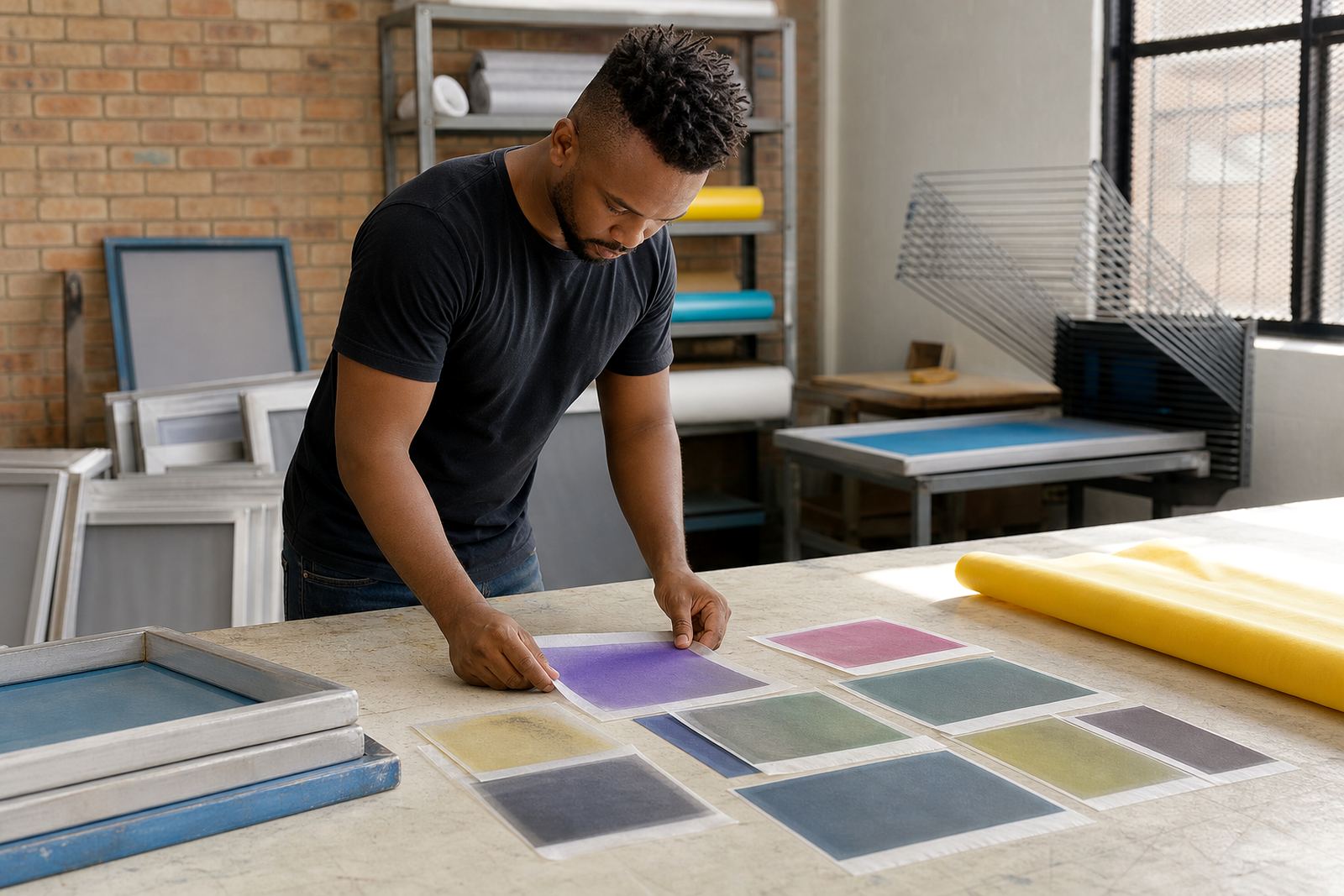
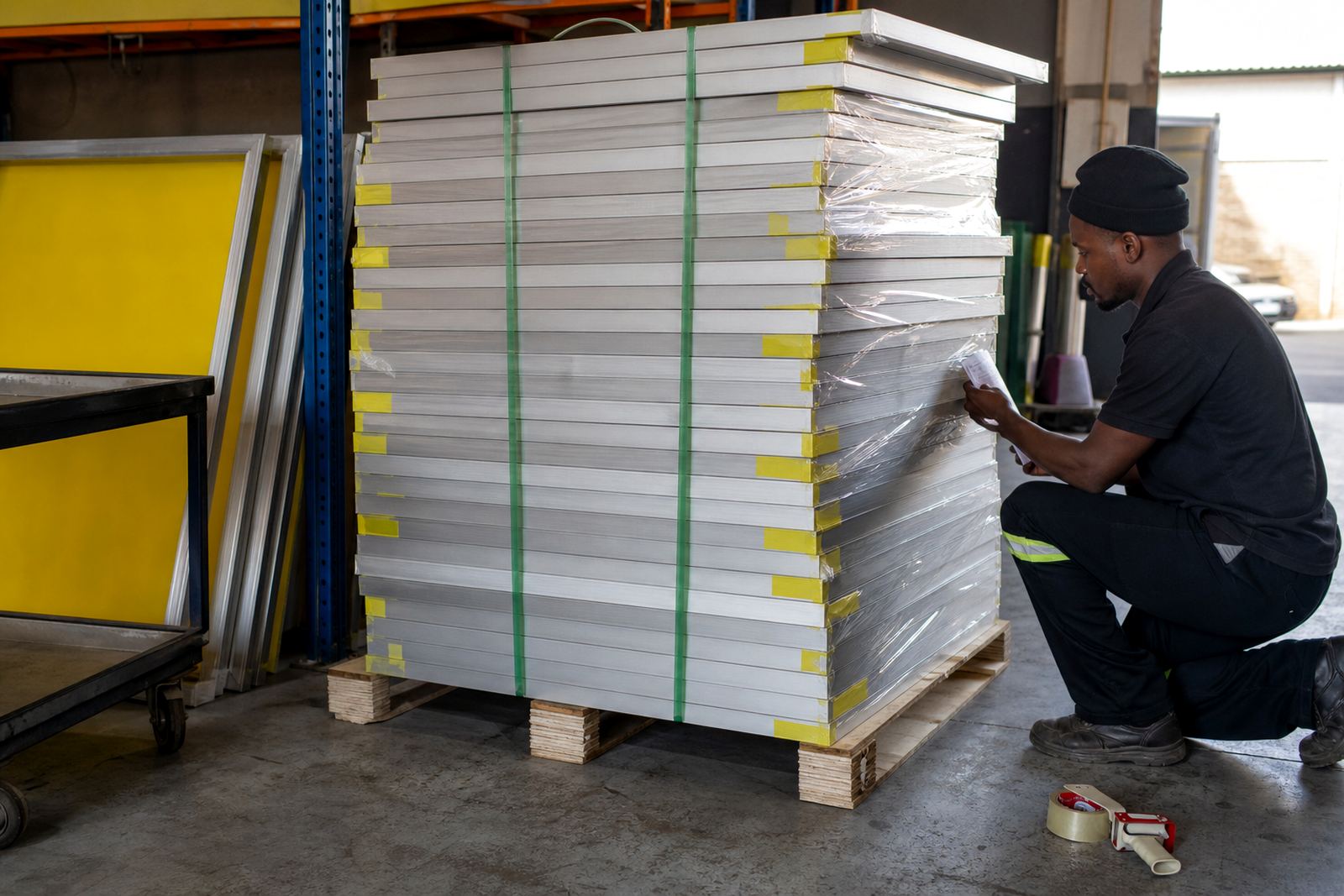
Repeat work should be quicker, not confusing. Before you order again, it helps to confirm the mesh count, frame size, print area and whether the screen still holds the same tension as the last time. If the artwork has changed, the substrate has changed or the ink is different, the old screen spec may need a small adjustment.
- Has the artwork become finer or more open?
- Is the print going onto fabric, board or another substrate?
- Has the ink thickness or curing method changed?
- Do you need the same size, or a custom frame size this time?
These are the practical details that save a second round of sorting out at the press.
Screen prep before the job starts
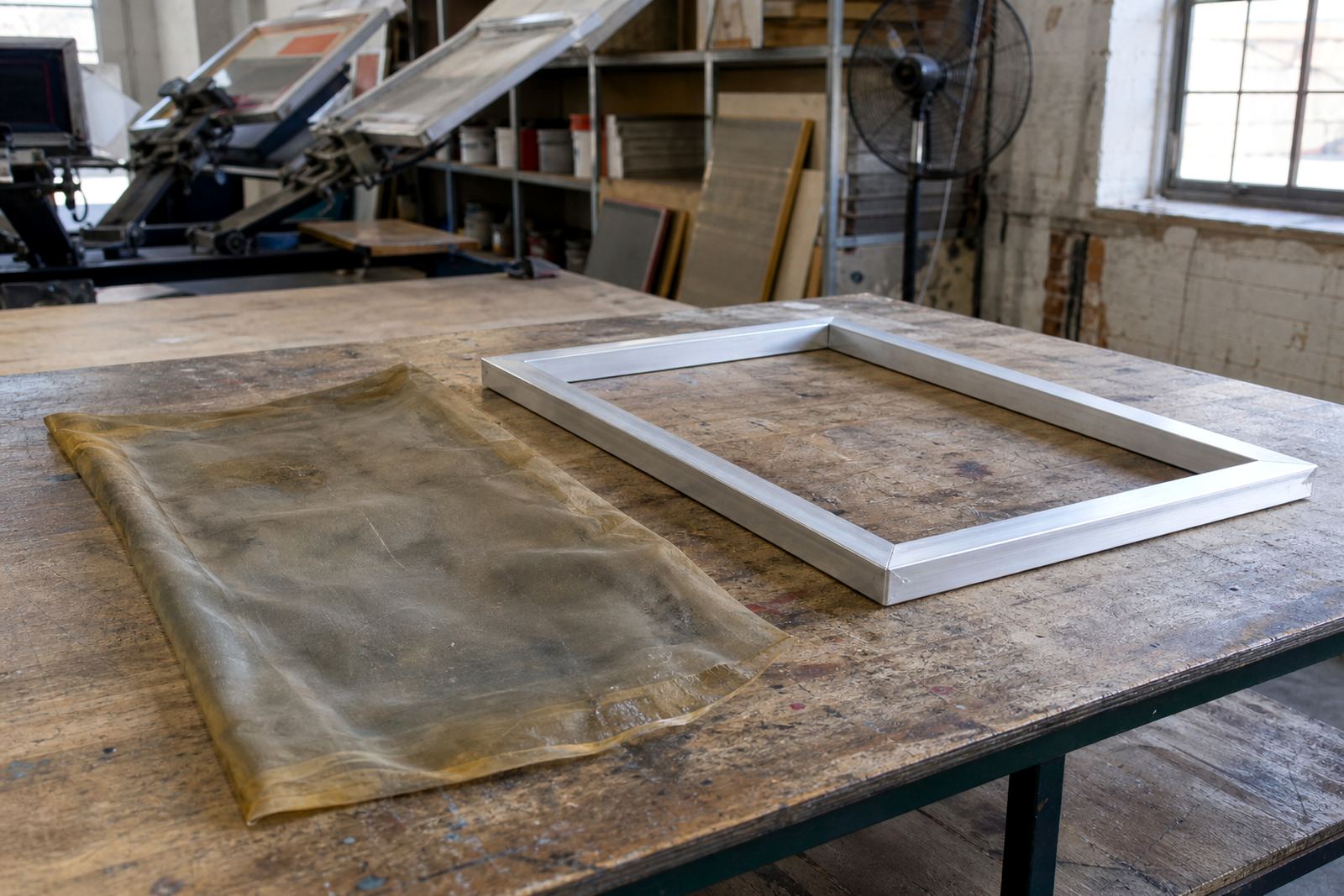
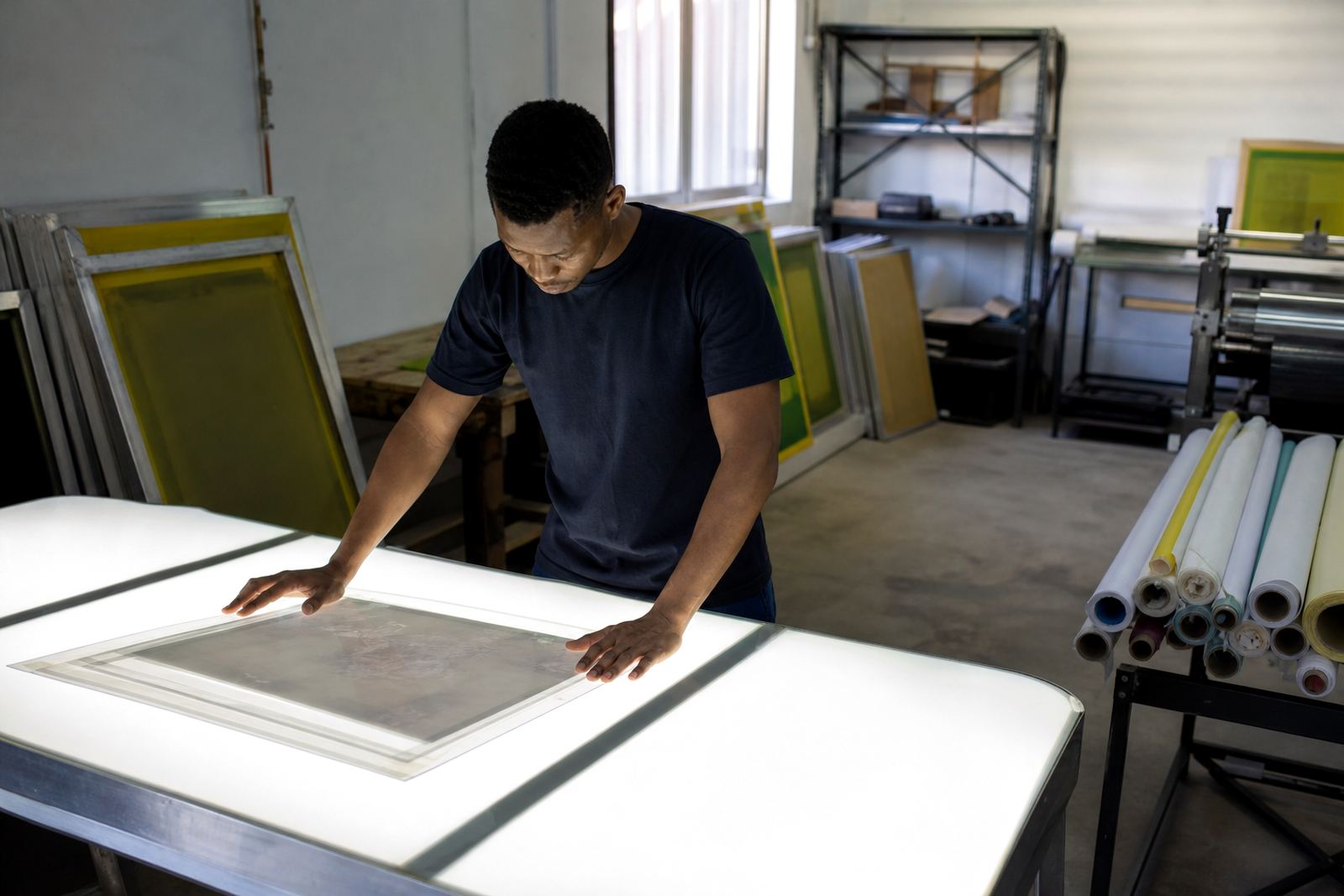
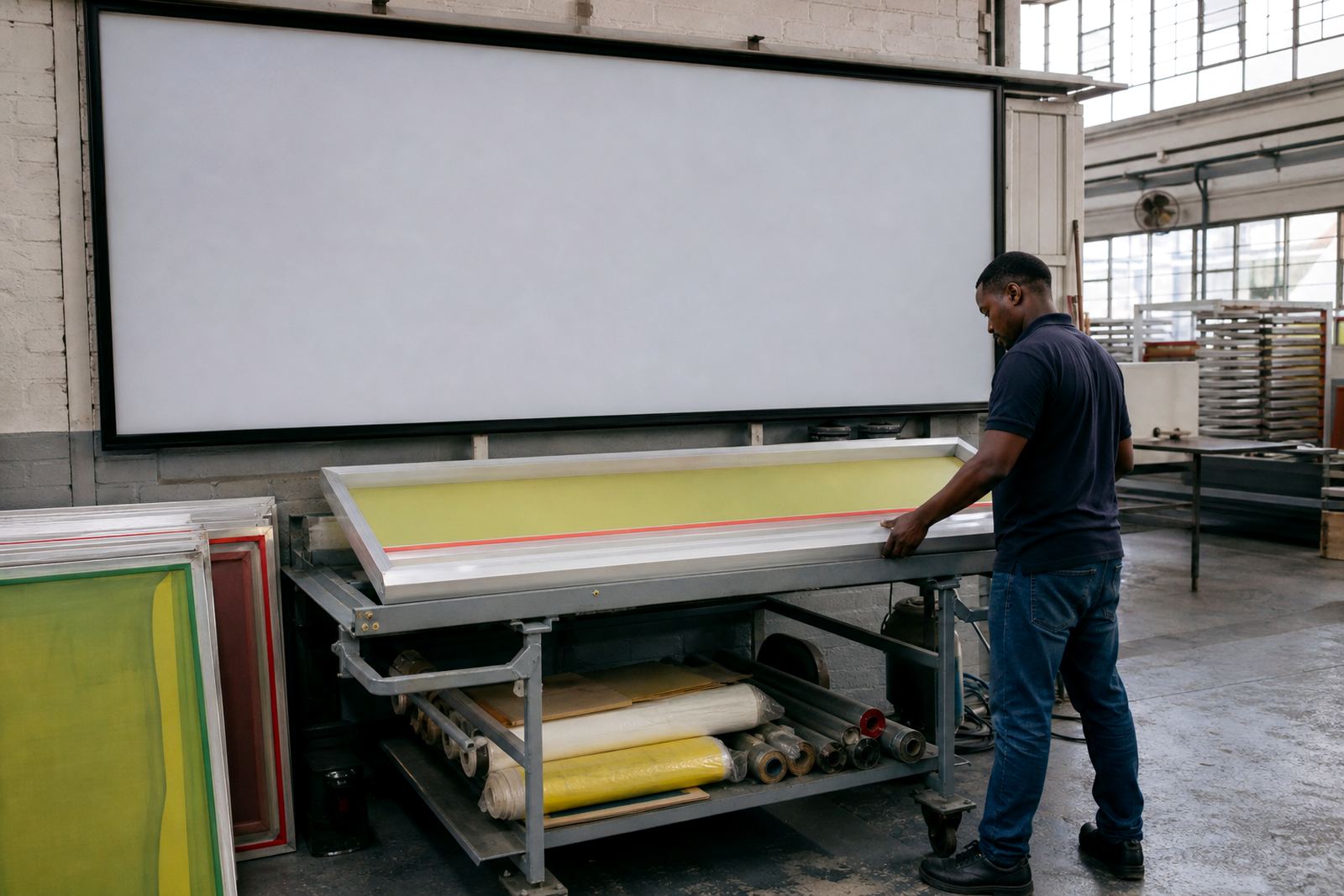
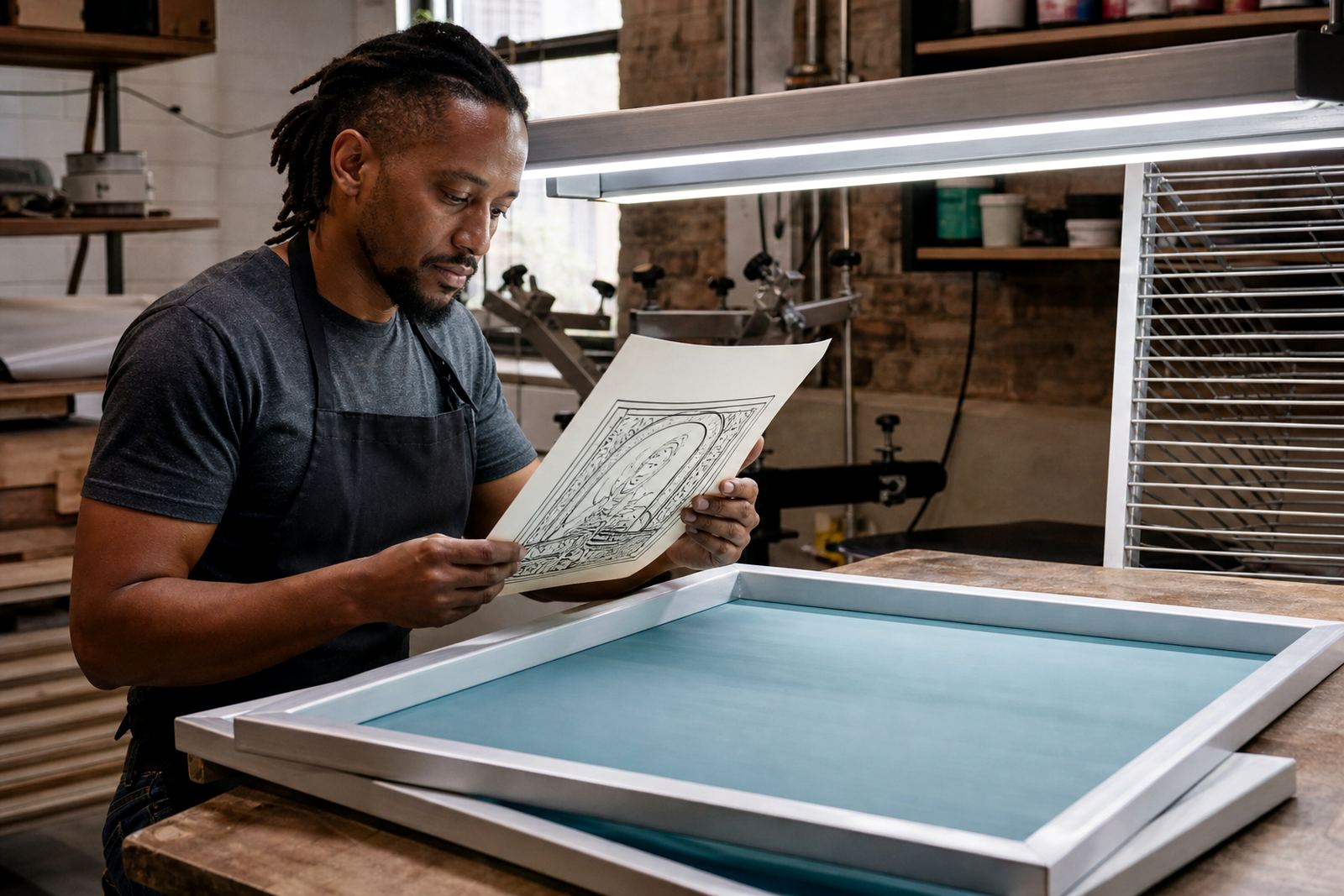
Clean prep makes a difference long before ink touches the screen. A proper inspection can pick up mesh damage, weak bonding around the frame, leftover haze and dirt that may break down the image. It is worth checking screens before the rush starts, especially when a job has a tight deadline or the shop is working around load-shedding.
Our journal articles also touch on batch screen prep, frame clean prep and screen inspection so shops can keep work moving with less downtime. If a screen is ready when the press is ready, production runs smoother and there is less rework later.
Why practical advice matters for South African print shops
Print shops across Johannesburg, Pretoria, Durban, Cape Town and Gqeberha face different conditions, from heat and dust to coastal humidity and power interruptions. That changes how you store screens, when you check tension and how you plan repeat jobs. A good article should acknowledge those realities instead of giving generic advice that does not fit local production.
We keep the journal plain and practical so beginners can follow it and experienced printers can still pick up something useful. The aim is simple: better screens, better choices and fewer avoidable mistakes in everyday work.
- Helpful for first-time printers and busy shops alike
- Written for real production conditions, not theory
- Focused on mesh, frames, inspection and setup advice
- Useful when planning supply needs across Gauteng and beyond