Why a clean frame gives the new mesh a better start
When a screen comes back for re-stretching, many print shops focus on the mesh count and the final tension, but the frame prep matters just as much. If the old adhesive is left behind, or if the frame surface still carries ink residue and dust, the fresh bond has to work around those faults instead of sitting on a clean base.
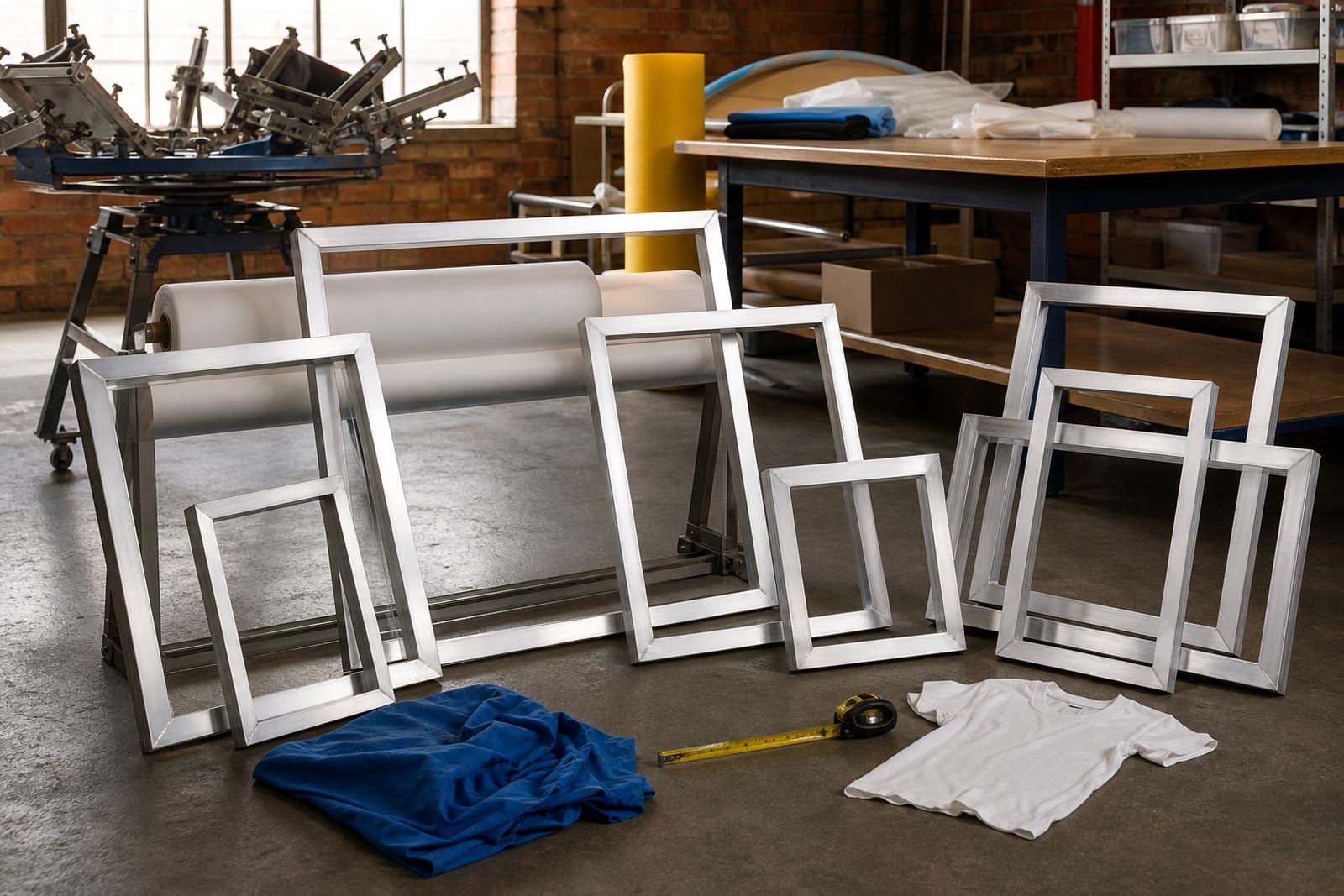
That matters on aluminium frames especially. Aluminium can hold onto old glue, sanding dust and oxide film, and coastal moisture in places like Durban or Gqeberha can make the surface behave differently from a dry inland workshop. A frame that looks fine at a glance may still need proper cleaning before new mesh is stretched and bonded into place.
The goal is simple: give the adhesive full contact, keep the frame square and make sure the new mesh can take tension evenly across the print area. That is what helps the screen hold detail through repeated use.
What gets removed during frame clean prep
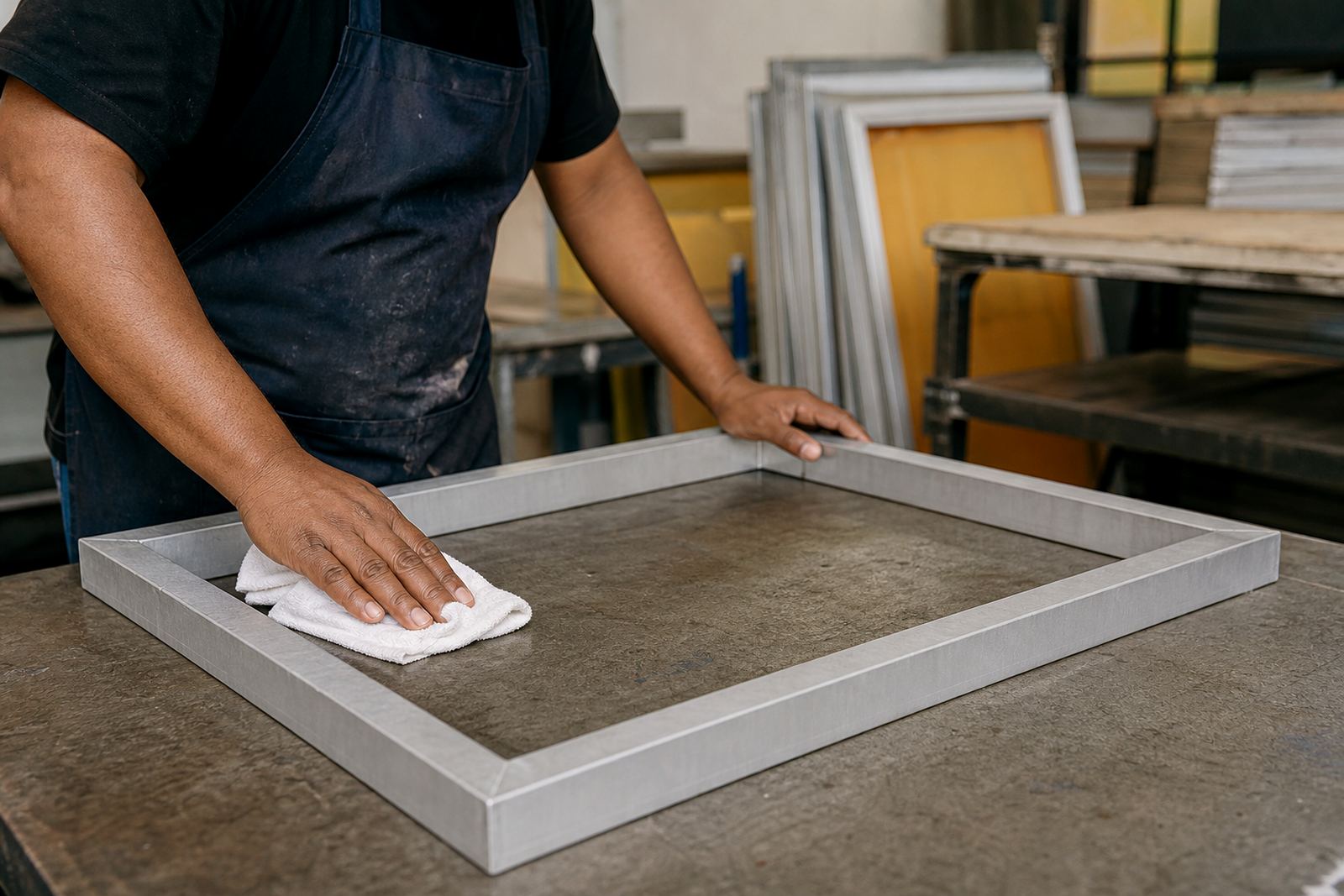
Clean prep is more than a quick wipe down. A good re-stretch job starts with stripping away anything that could interfere with the bond or change the frame surface. That includes old adhesive, mesh fibres, dried ink, tape residue and loose contamination from storage or transport.
Depending on the condition of the frame, prep may also include light abrasion and a final surface clean before bonding. The point is not to scour the frame rough, but to leave the contact area ready for the new adhesive system and the mesh edges. If the surface is too smooth, too dirty, or uneven from previous repairs, tension can drift once the screen starts working on press.
- Old mesh and adhesive must come off fully
- Frame corners should be checked for damage or movement
- Surface dust and grease need to be cleared before bonding
- Any warped area should be noted before stretching begins
How residue affects tension and print sharpness
Screen-printing mesh depends on even tension across the entire frame. If glue grabs properly in one section but not another, the screen can pull unevenly when it is stretched. That leads to soft edges, registration trouble and mesh that relaxes faster than it should.
Residual contamination is often the hidden cause. A tiny patch of old adhesive can create a weak spot where the fresh bond does not sit flat. Then when the screen is exposed to squeegee pressure, repeated wash-ups and drying cycles, that weak area starts showing up in print quality. On finer mesh counts, such as the screens used for detailed artwork and smaller halftones, that kind of inconsistency is even more noticeable.
For shops running repeat jobs, this can be costly in time even if the frame still looks usable. A clean, properly prepared frame gives the new mesh a fair chance to hold its tension and stay true through production.
Frame material, coastal conditions and daily shop wear
Not every frame comes back in the same condition. Frames used in busy shops around Johannesburg or Pretoria may carry dry dust and ink build-up from constant handling. In coastal areas, humidity can leave different signs, including surface dulling or moisture marks around the bonding line. Both situations need proper prep before fresh mesh is applied.
Aluminium frames are common because they stay stable and are easier to work with than many heavier options. Still, they need care. If a frame has been stored near chemicals, left in a humid storeroom, or handled with oily gloves, the bond area can suffer. This is why inspection and cleaning should happen before stretching not after.
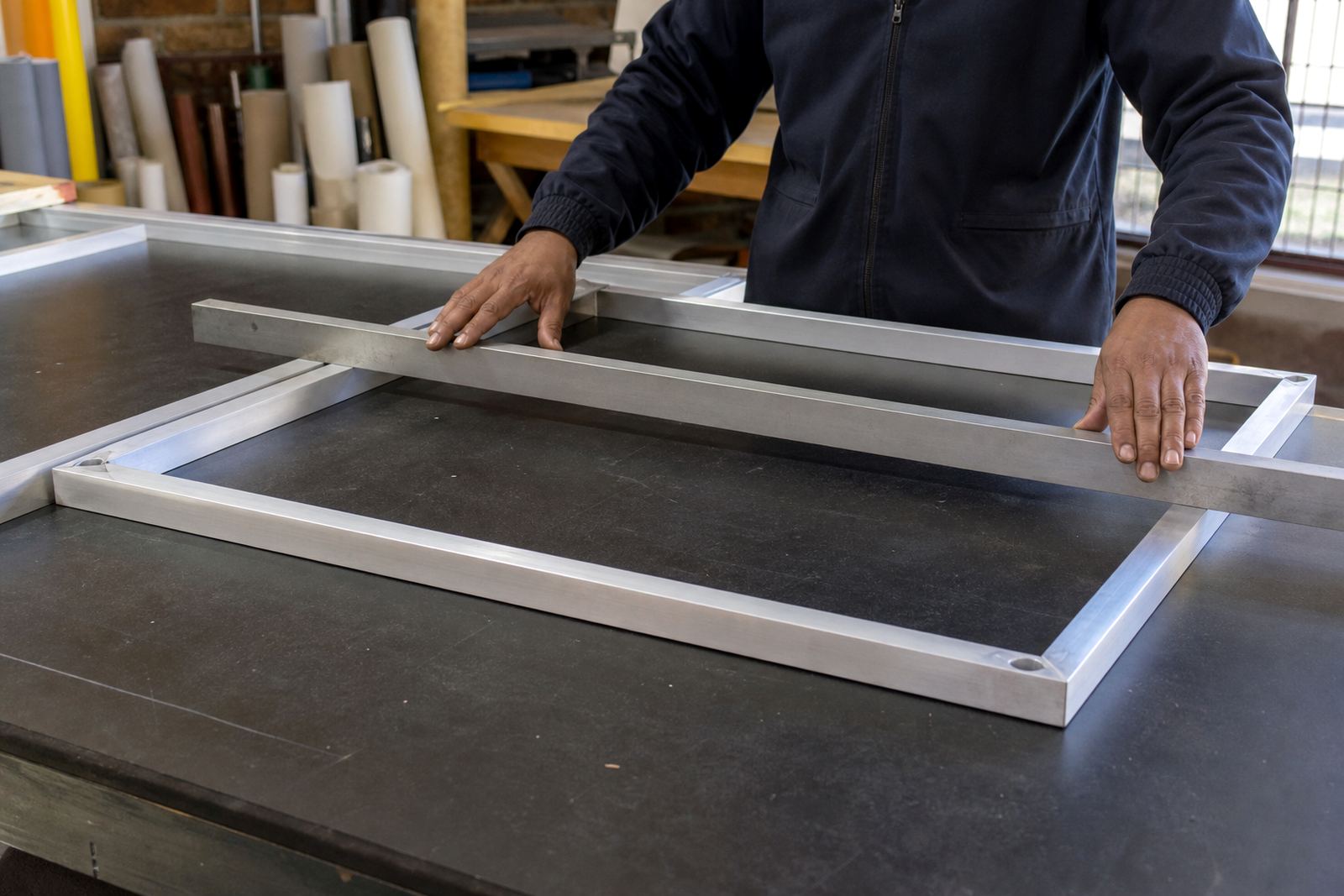
- Check for bent sections or loose joints first
- Remove dust from the full bonding edge
- Watch for moisture marks or corrosion around corners
- Keep frames flat and dry before the new mesh goes on
Matching the cleaning step to the mesh count
Different mesh counts place different demands on the frame. A lower count mesh used for heavier deposits may still show problems if the frame is not clean, but finer mesh counts are less forgiving. They need consistent tension and a uniform bond because the print area is working harder to keep detail and line definition.
For that reason, mesh count matching and frame prep go hand in hand. If a print shop is re-stretching a frame for a job that needs tighter control, the contact surface must be clean enough to support that result. Even a slight patch of leftover material can affect how the mesh sits and how the tension reads across the frame.
Good screen setup is not only about choosing the right count. It is also about giving the mesh a clean, stable base so the frame can do its job from the first pull onward.
A practical routine for re-stretch jobs in South Africa
Most shops do not have time to waste on screens that fail early, especially when jobs are moving between Germiston, Midrand, Johannesburg and the other delivery areas. A practical prep routine keeps re-stretching predictable and helps the screen team avoid unnecessary rework.
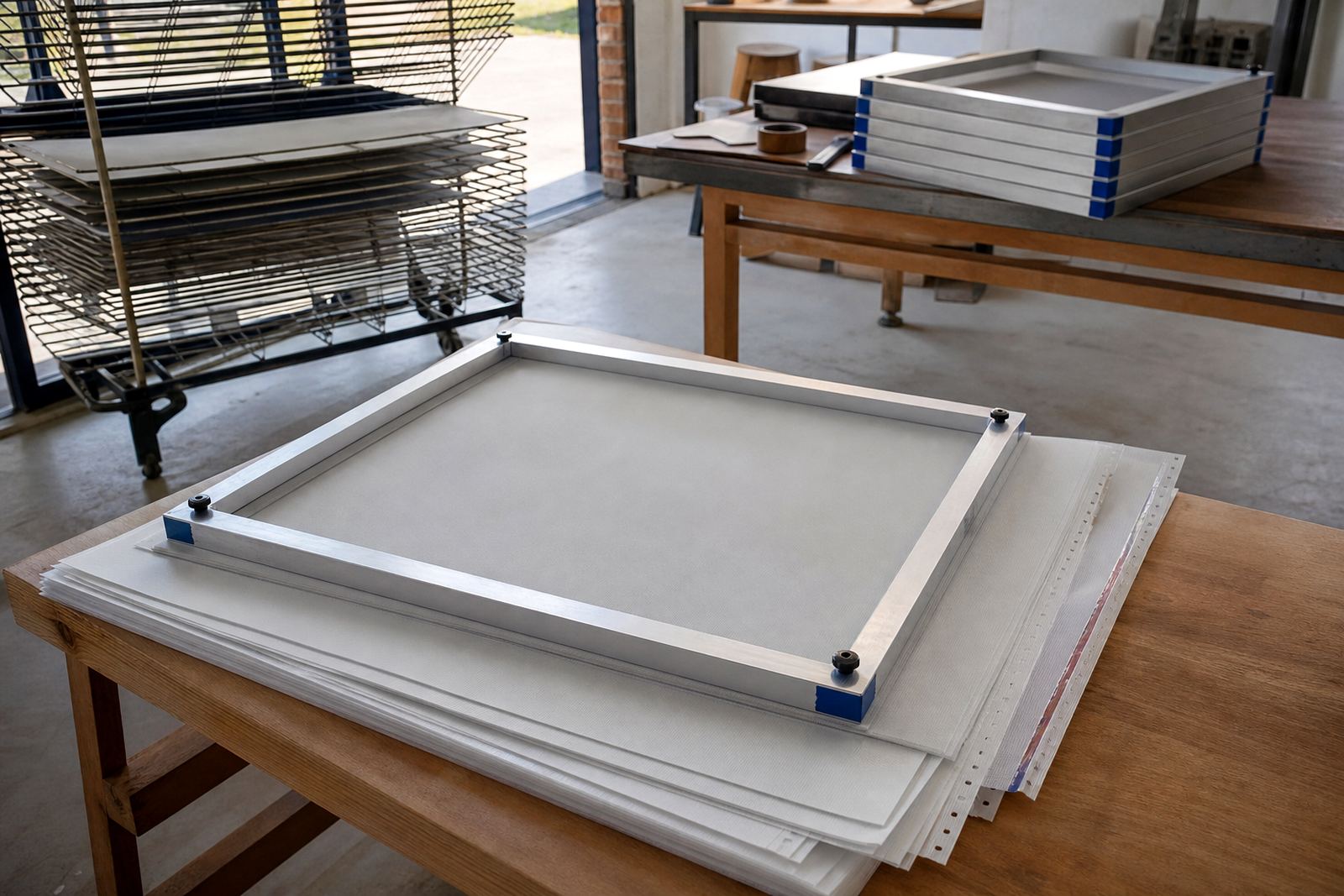
Before fresh mesh is bonded, it helps to follow a clear sequence. First inspect the frame, then strip away the old mesh and residue, then clean the bonding edge and check that the frame is still square. Once that is done, the stretching and tension checking can begin with a much better result.
- Inspect the frame for damage and movement
- Remove old mesh and all loose adhesive
- Clean the bonding zone thoroughly
- Dry the frame fully before stretching
- Check tension after bonding and before dispatch
That routine saves time later when screens are on press. It also helps the shop keep repeat orders consistent, which matters when different screens are being prepared for the same artwork over and over.
Why proper prep protects the whole print run
Cleaning before re-stretching is not a cosmetic step. It protects the bond, supports stable tension and reduces the chance of early screen failure. For print shops, that means better consistency from one screen to the next and fewer surprises once production starts.
A well cleaned frame also makes future inspection easier. When the next re-stretch comes around, the crew can see what is happening with the frame surface without fighting layers of old residue. That is useful for shops that rely on steady turnaround and want screens ready for the next job without avoidable delays.
In practical terms, the cleaner the starting point, the better the mesh can perform. That is the standard to aim for whether the screen is heading to a shop floor in Cape Town, a production line in Pretoria, or a busy setup in Ekurhuleni.