

Choose the Mesh Around the Job
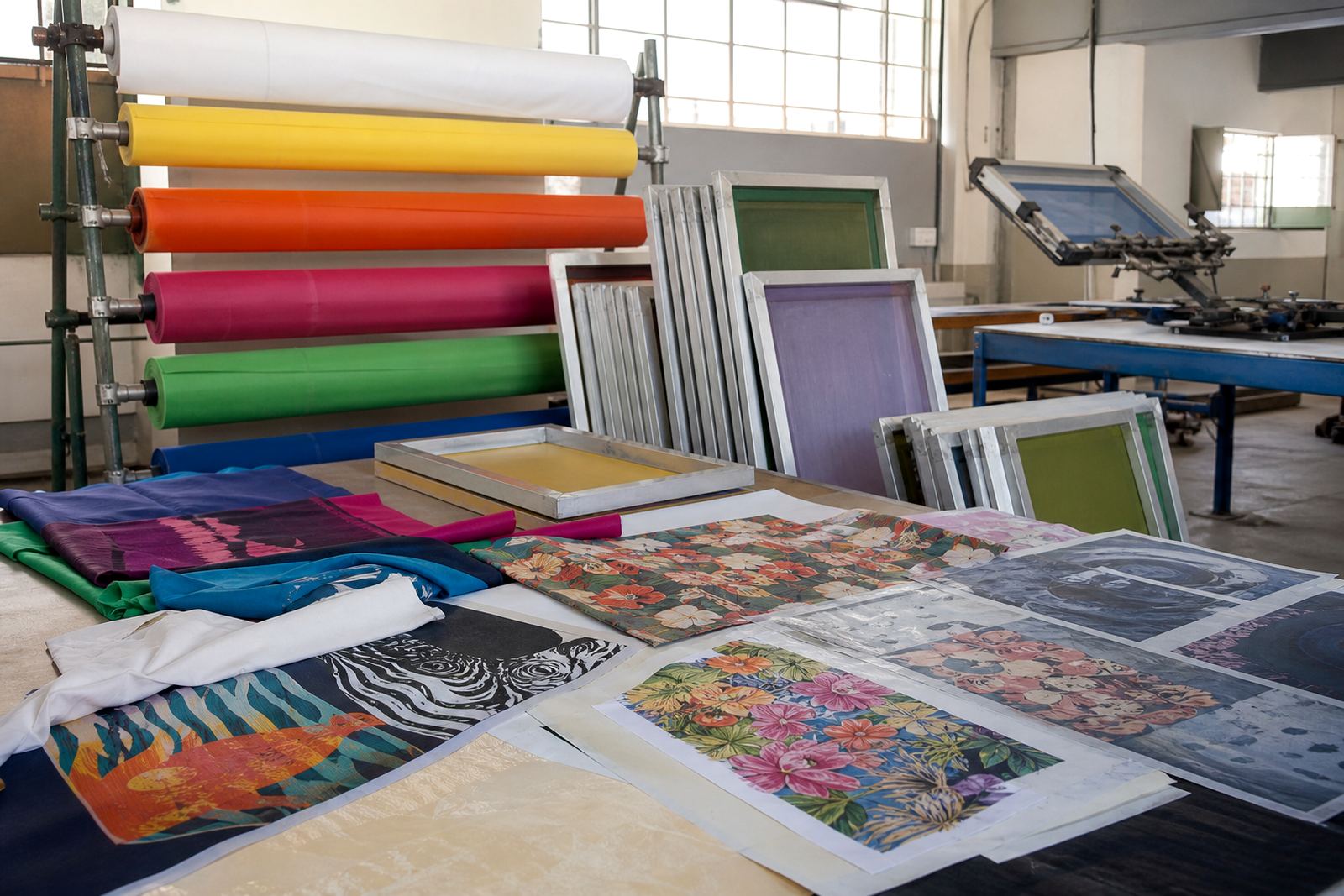
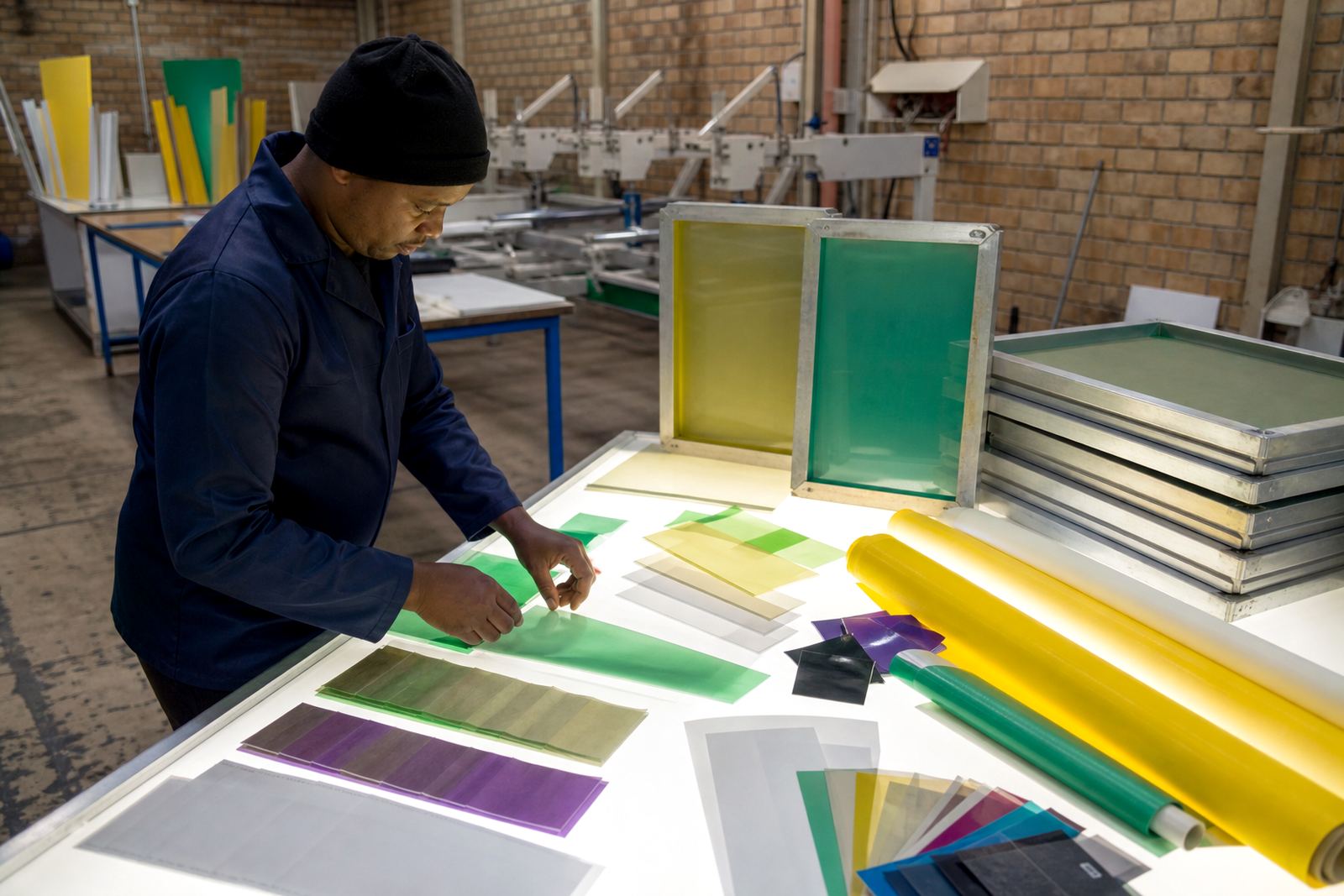
Screen-printing starts with the image, ink and substrate. A coarse mesh suits heavier deposits and simpler artwork, while a finer mesh is usually chosen when detail matters or when the ink needs to sit more neatly on the surface. In practice, printers look at the line weight, halftone detail, ink body and the finish needed on the final job.
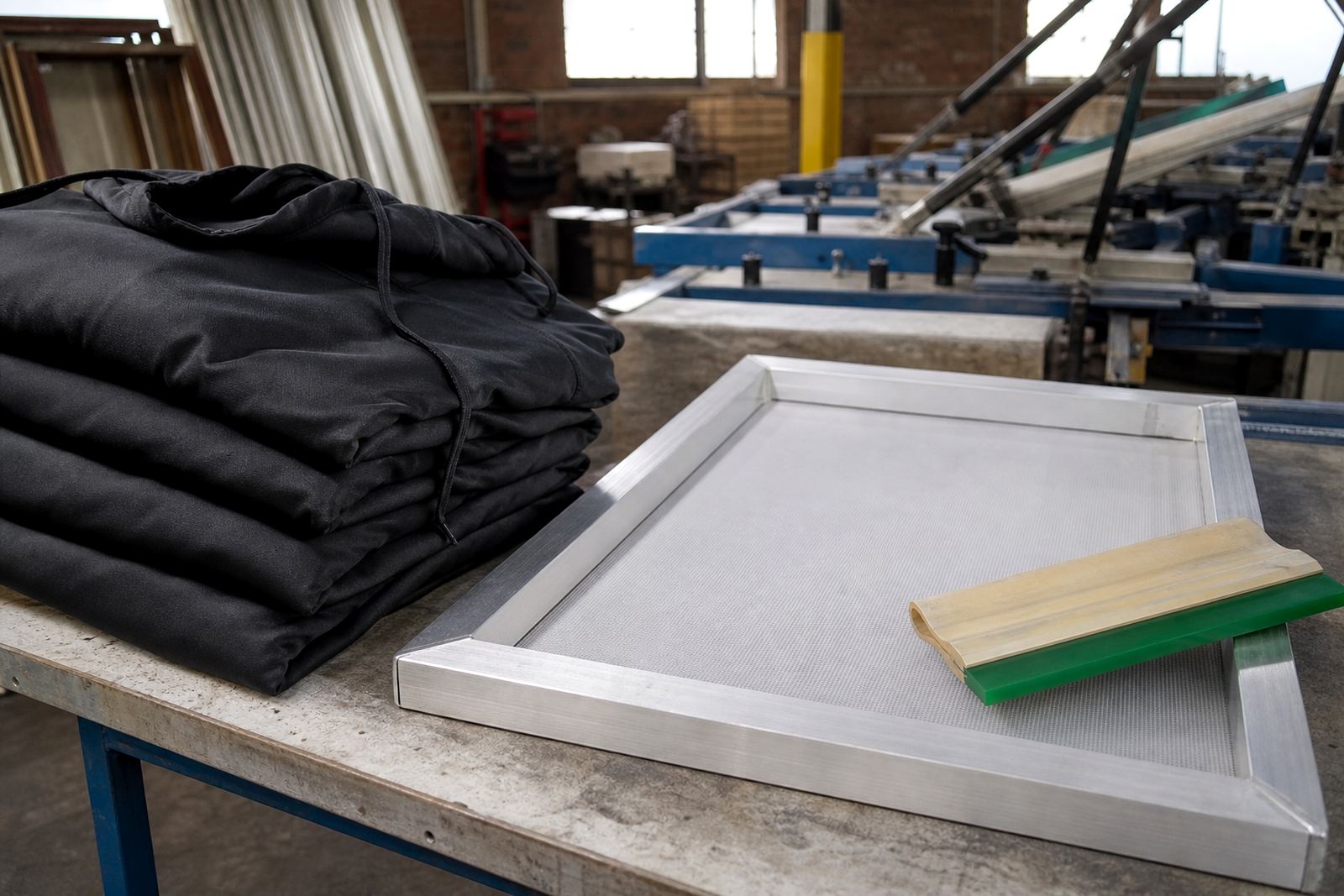
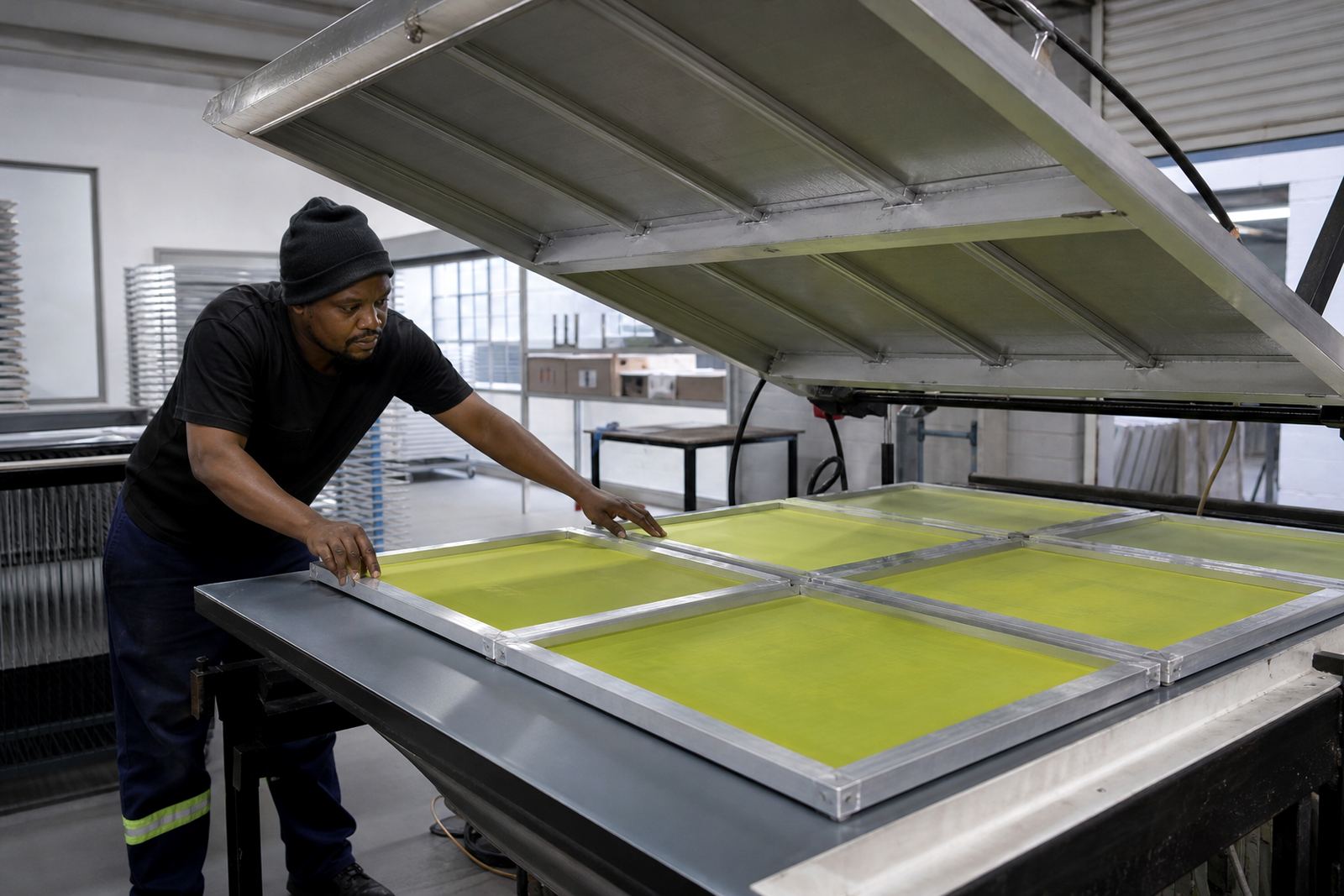
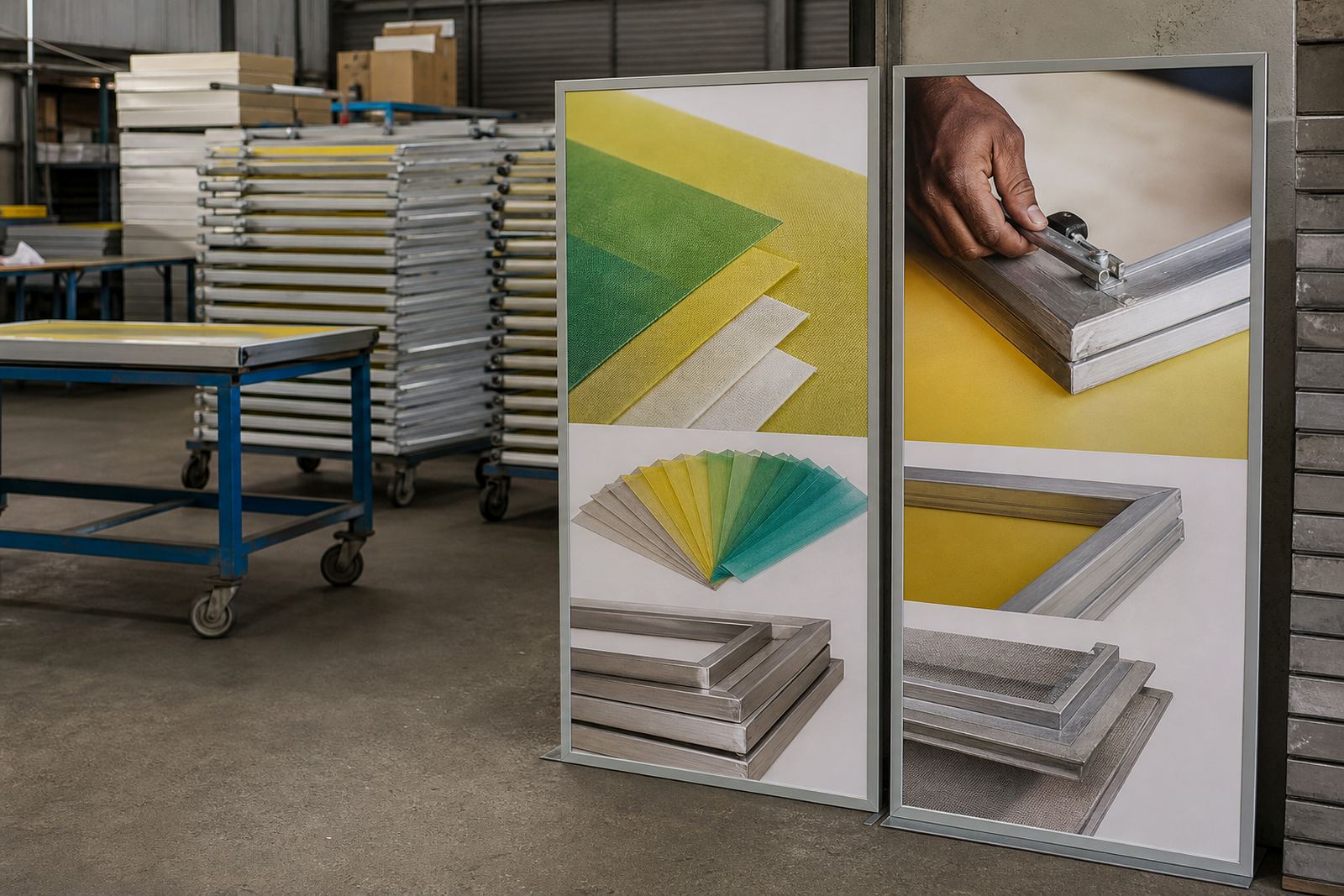
For many shops, the main decision is not only mesh count but how that mesh behaves on the frame. A frame with even tension gives more consistent print behaviour, steadier registration and cleaner release on the pull. That is useful on long runs, small-format work and jobs where repeat setup needs to be predictable.
Textile Printing and Garment Work
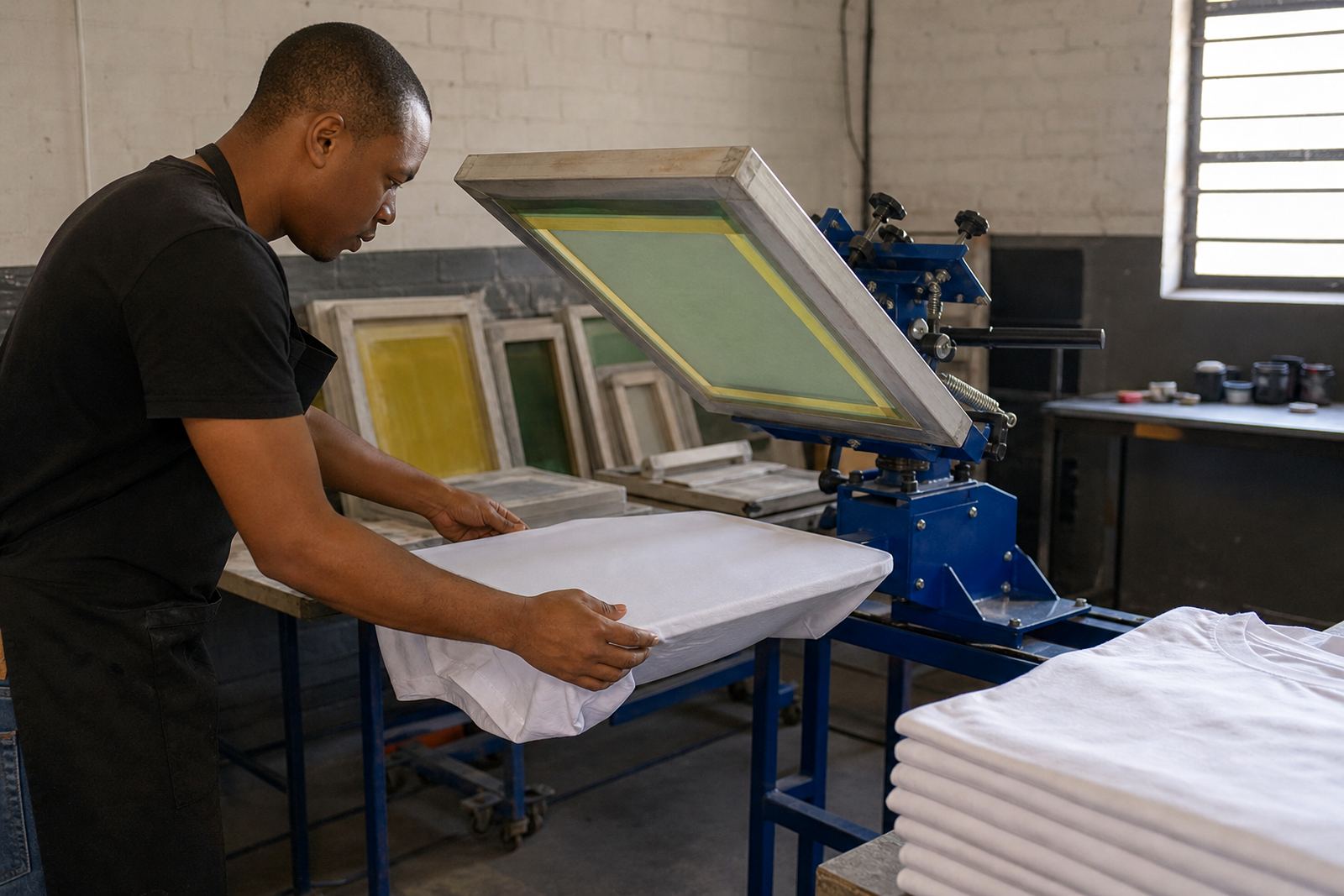
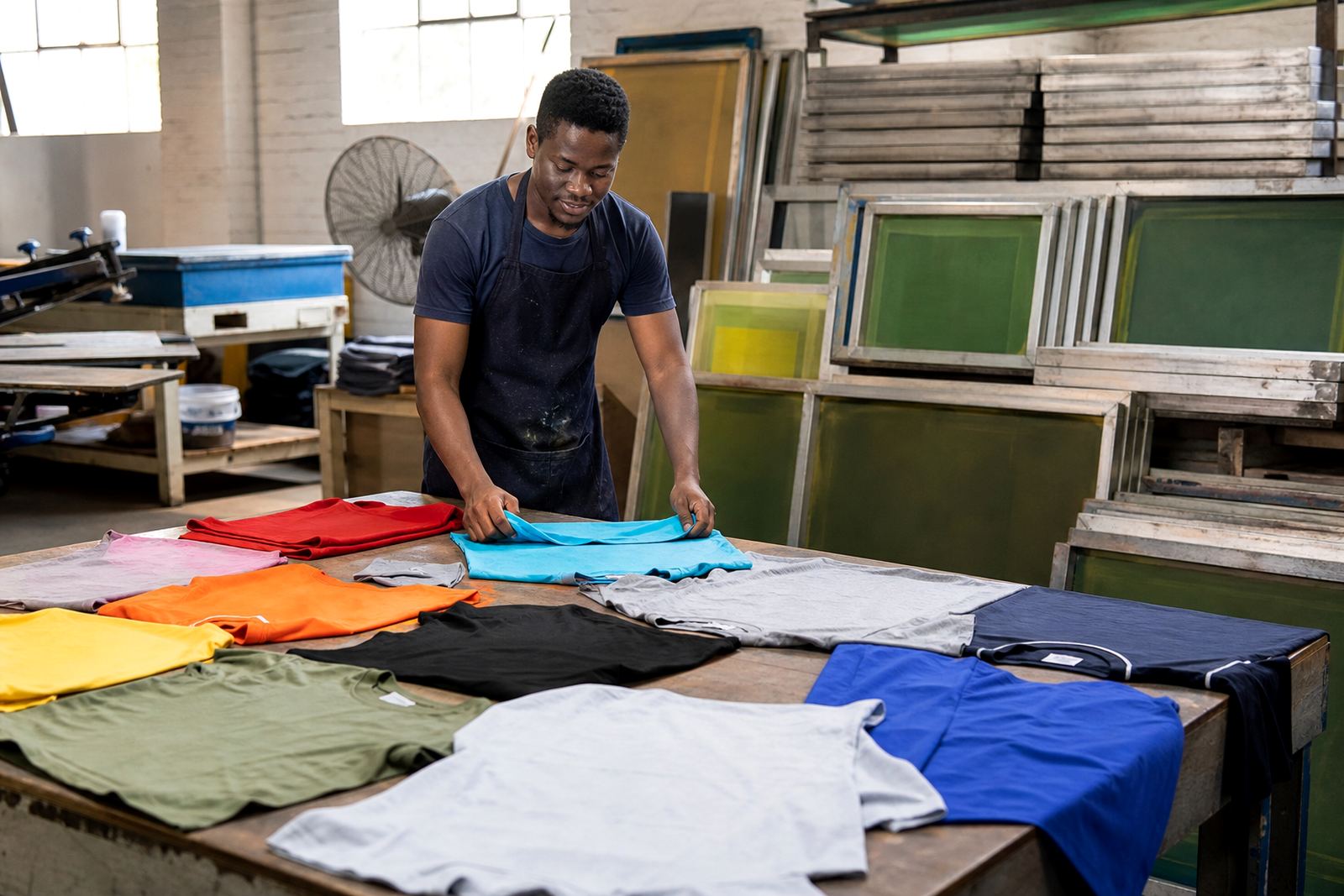
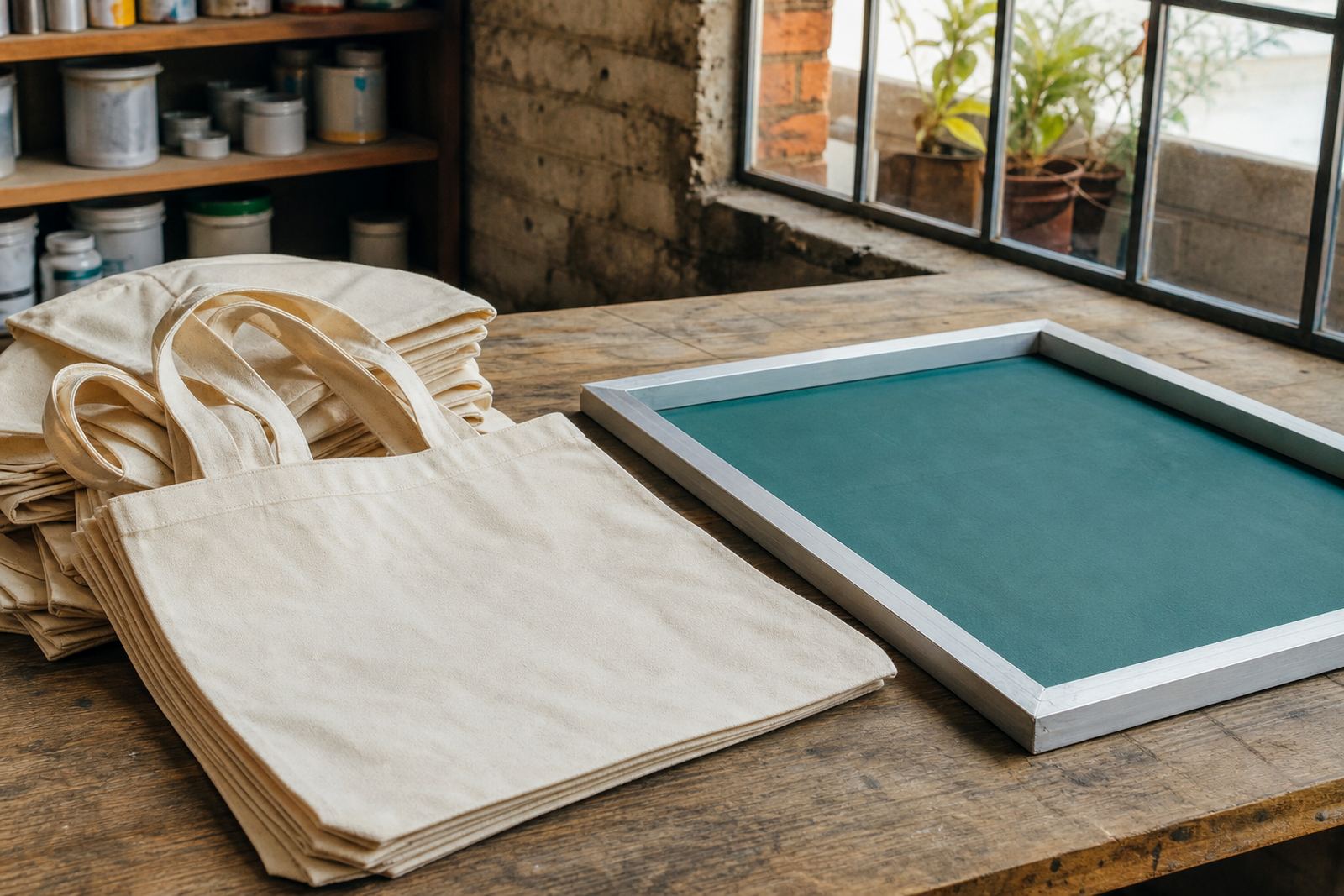
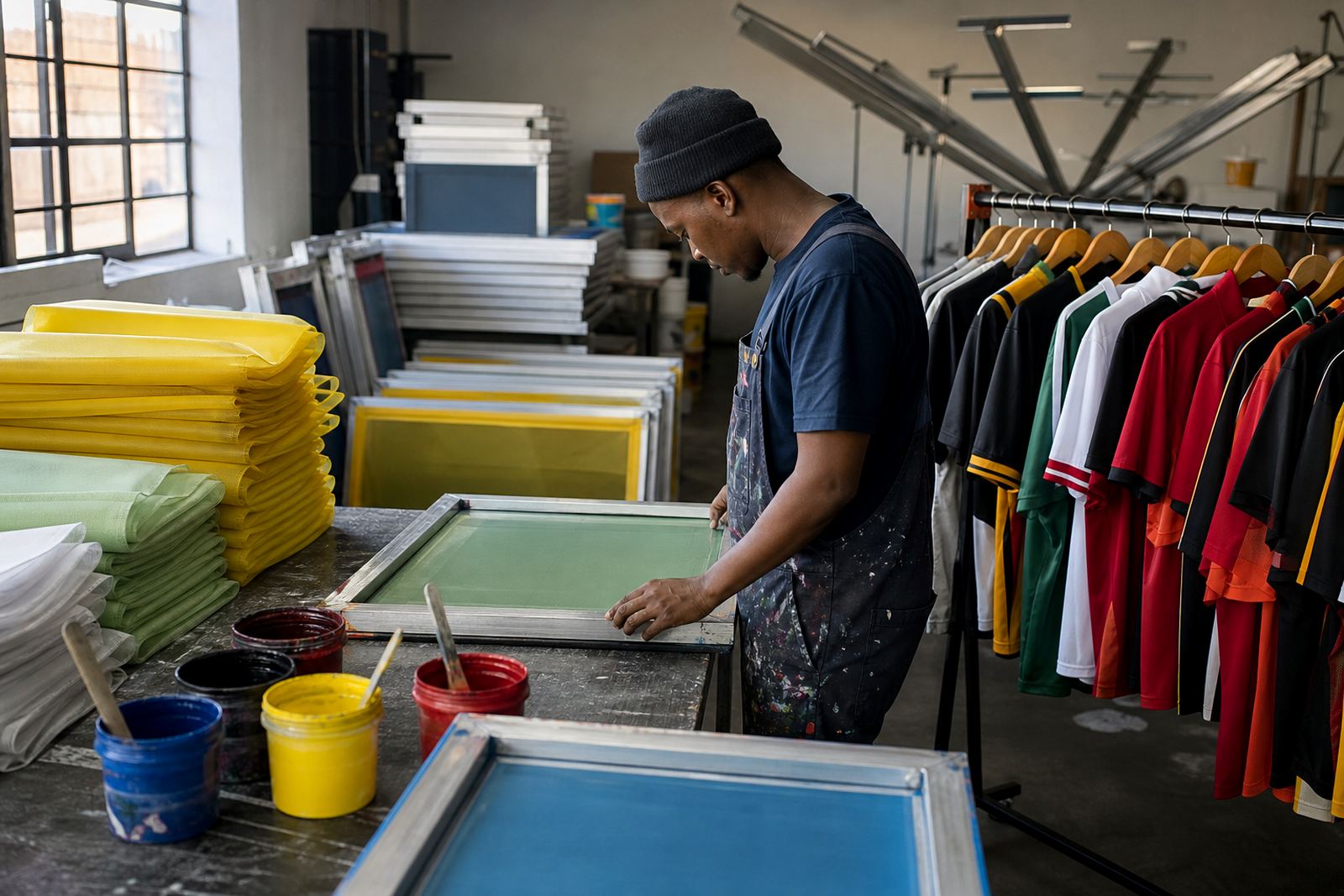
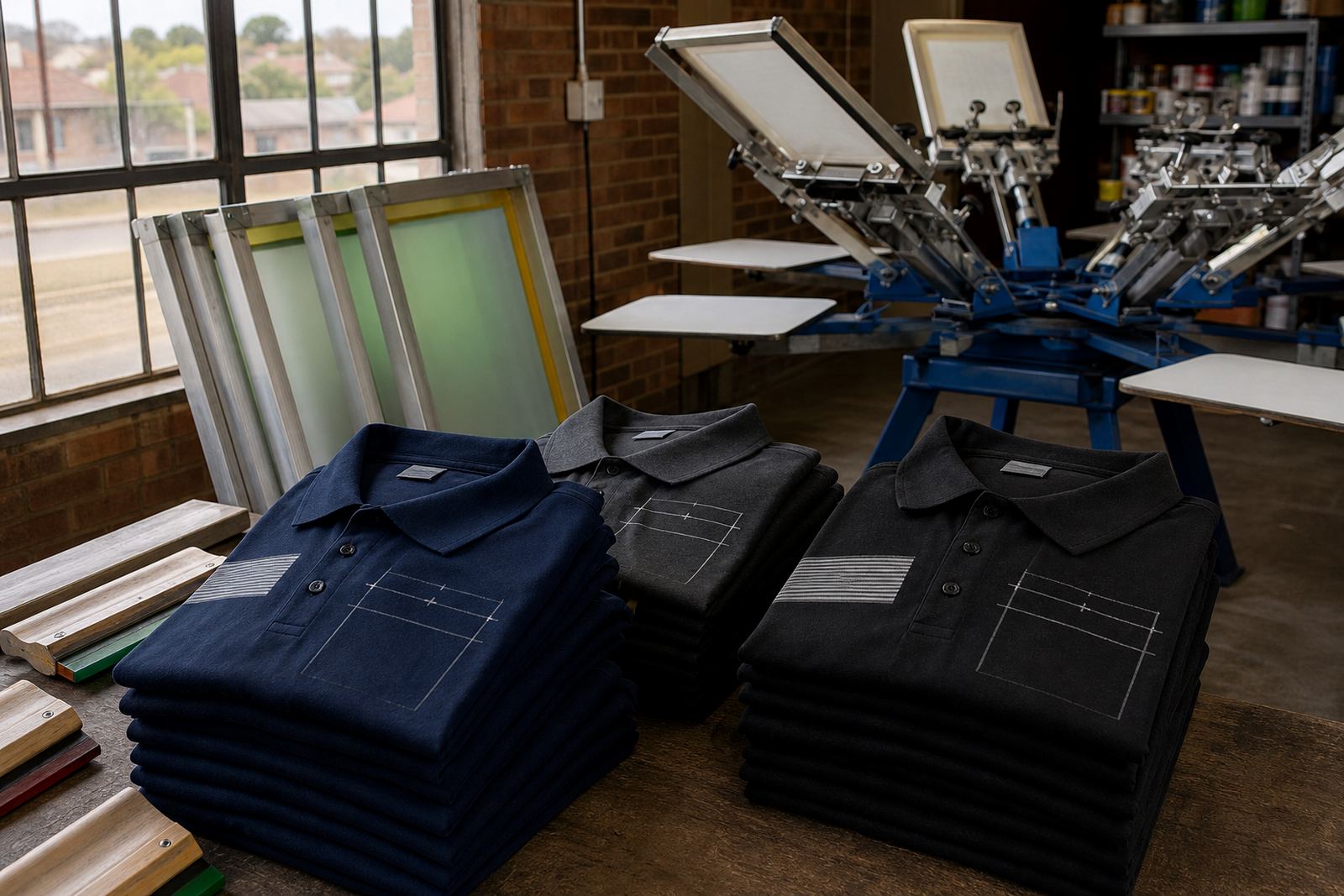
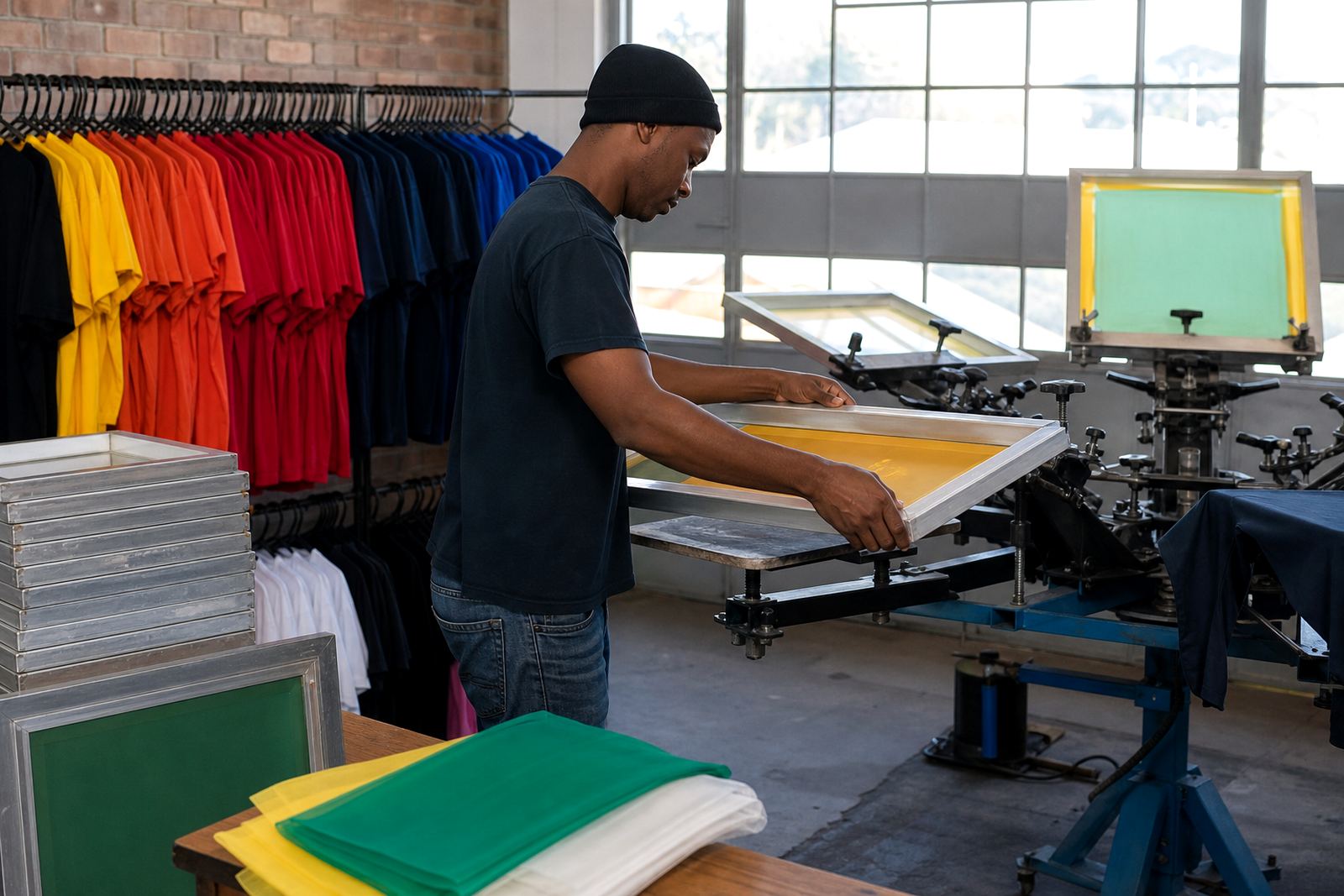
Textile jobs often need a balance between ink flow and clean detail. On garments, the mesh choice can depend on the type of ink, fabric texture and whether the design is solid, halftone or a mix of both. Cotton, blends and darker garments may each call for a different setup, especially where underbase work is involved.
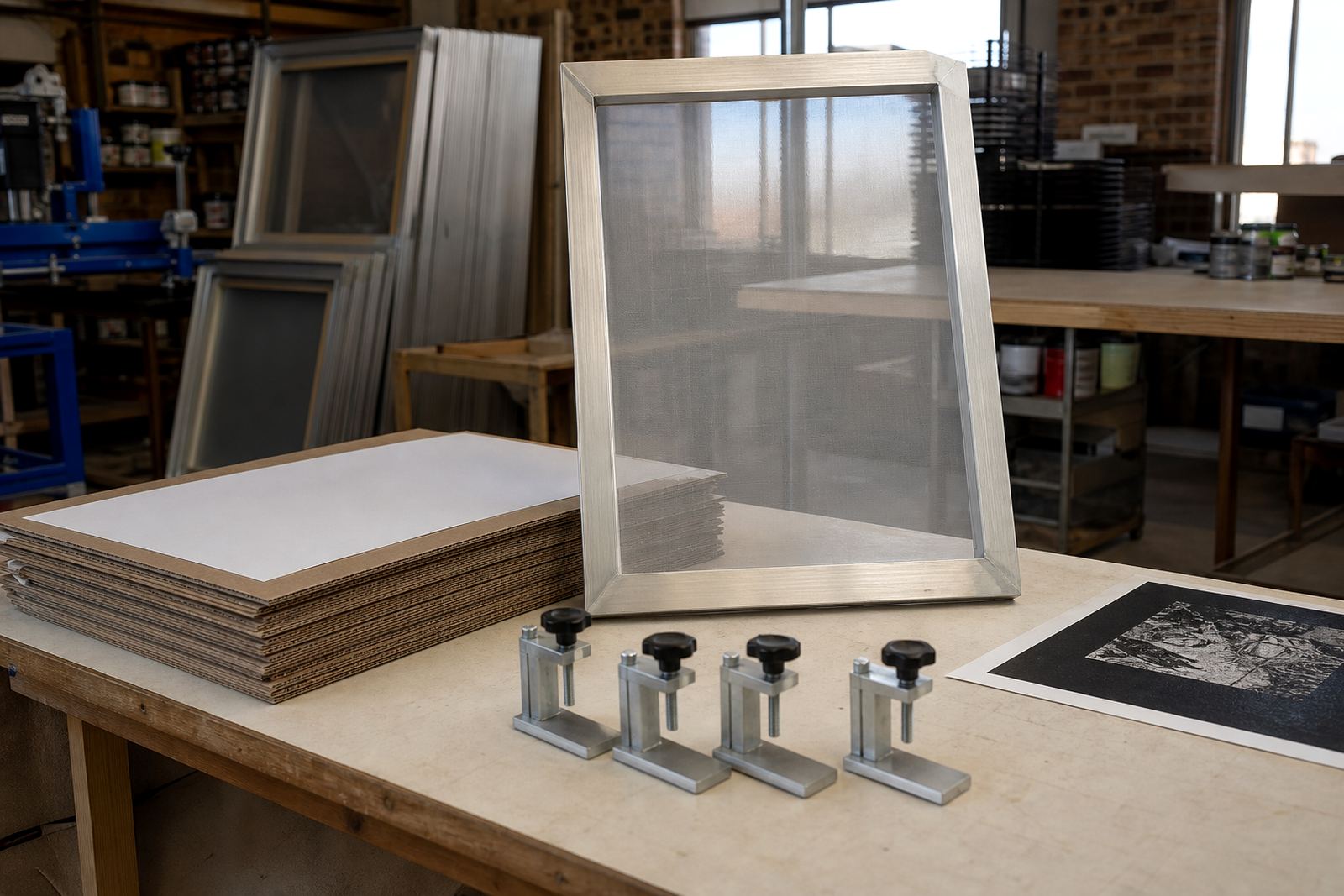
Pre-stretched aluminium frames are useful for shops that want a lighter frame with a consistent edge and less movement during production. That matters in busy print rooms where screens are handled often, washed down regularly and moved between the press and drying areas. In humid coastal conditions, the frame and mesh setup should be checked properly so tension stays within a practical range for the job.
- Heavier garments can handle a stronger ink deposit.
- Fine detail on fabric usually needs better mesh control.
- Consistent tension helps when printing multiple colours in sequence.
Paper, Card and Promotional Work
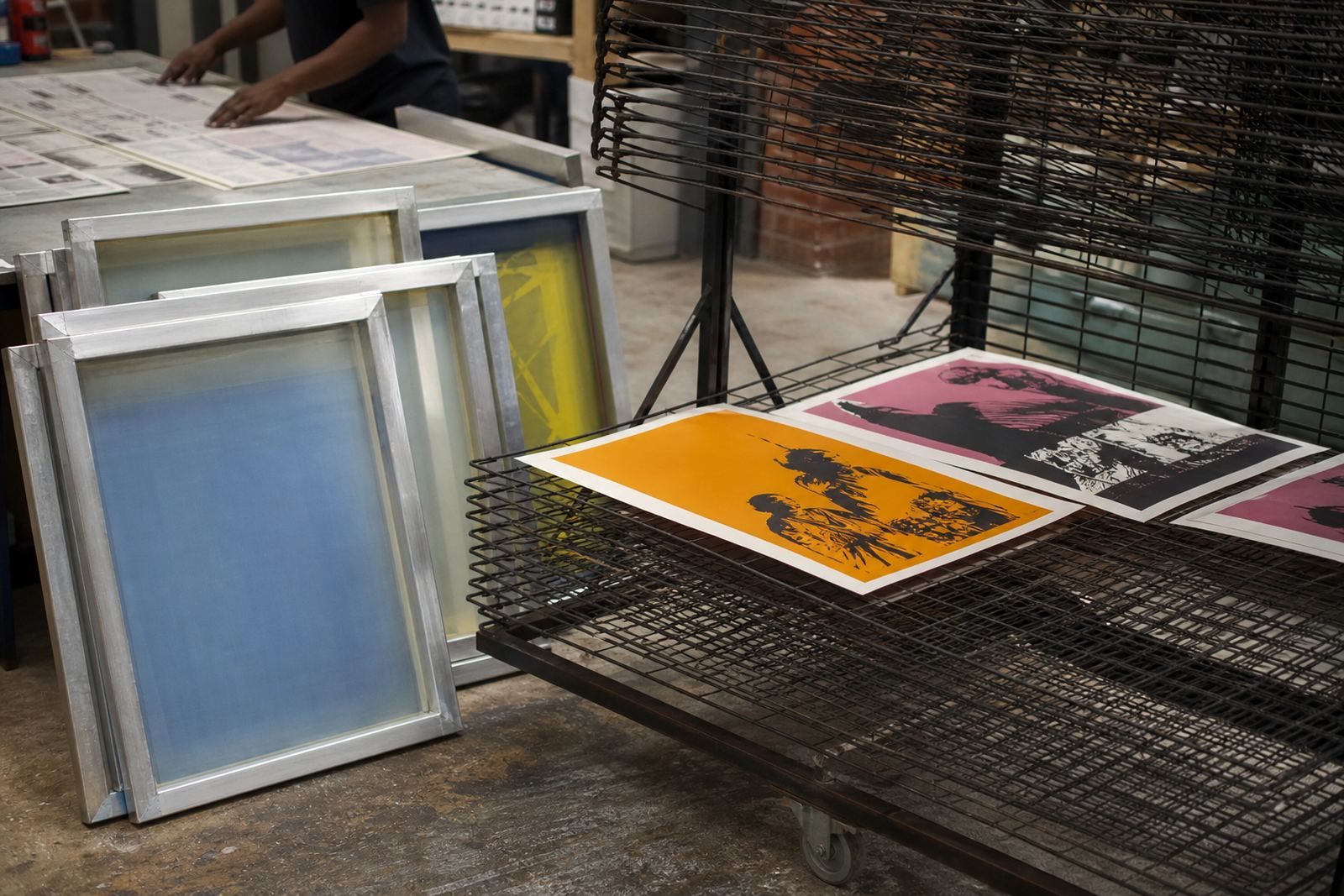
Paper and card jobs usually need cleaner control than textile work because too much ink can spread, pool or slow drying. For posters, packaging sleeves, tags and promotional items, printers often choose a mesh that gives enough deposit without flooding the image. The substrate matters as much as the artwork, especially where coated surfaces or rough stock behave differently under the squeegee.
When print rooms in Johannesburg, Pretoria or Germiston are running short-turnaround promotional work, the screen has to hold detail and register well from start to finish. A properly stretched frame helps with that, especially when the same screen is used for repeat orders or batch work. Screen inspection before dispatch can save time at setup and cut down on avoidable rework.
Detail Work, Halftones and Fine Line Printing
Not every job is about heavy coverage. Some artwork needs fine text, halftones or slim line work that can lose sharpness if the mesh is too open. In those cases, mesh count matching becomes important. The right screen helps the printer hold the image edge, manage ink flow and keep the tonal detail readable on the final print.
Technical or branded work may also need a more careful tension check before production. If the screen is not evenly stretched, fine detail can shift slightly across the frame and make registration harder. That is why frame clean prep and mesh bonding matter before the screen goes into regular use.
- Fine type needs cleaner mesh control than bold artwork.
- Halftones depend on even ink release and stable tension.
- Screen inspection helps spot weak areas before print starts.
Frame Size, Repeat Orders and Setup Consistency
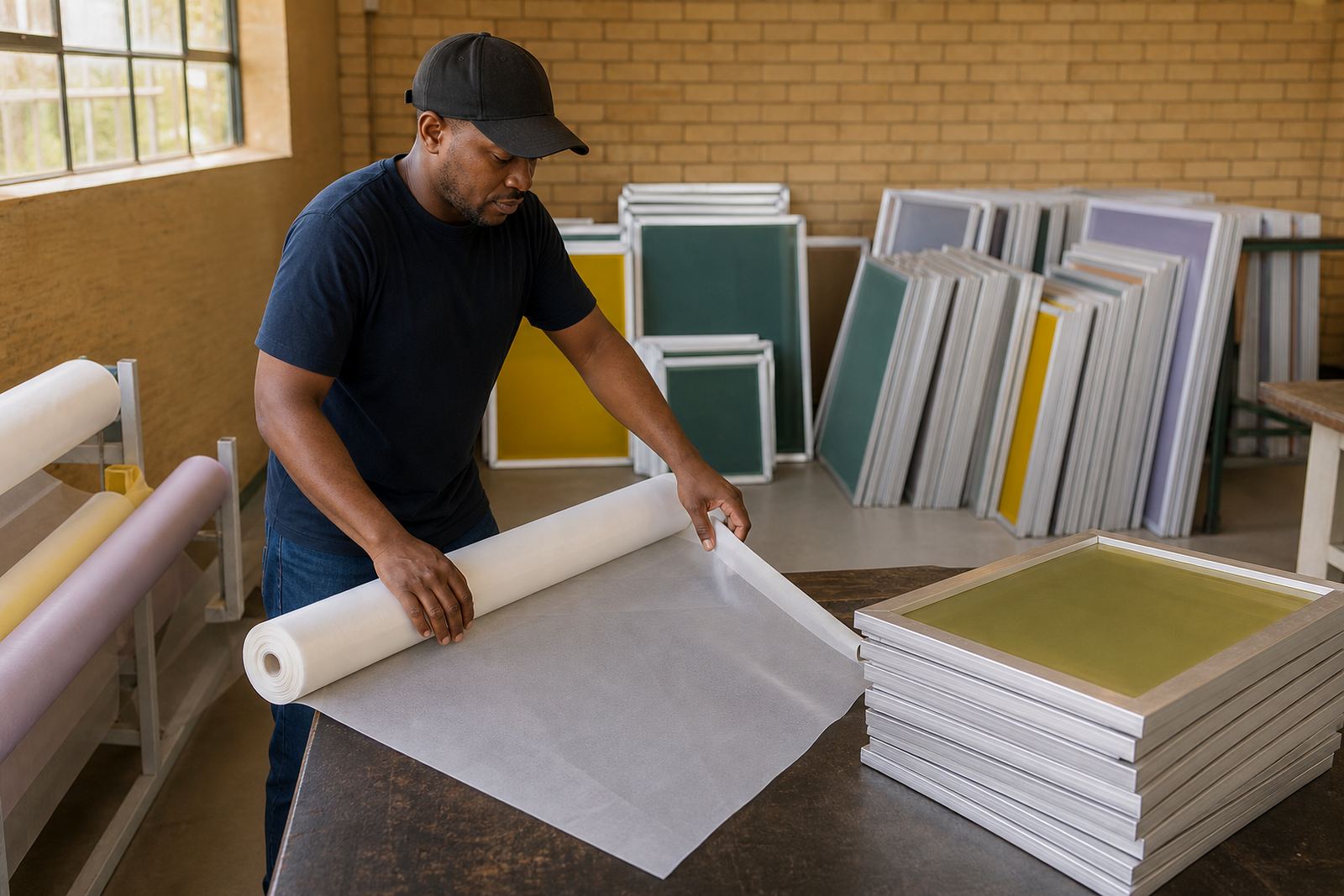
Frame size is often chosen around the artwork size, press setup and how much margin the printer wants around the image. A screen that is too tight for the design can make setup awkward, while one that is too large may waste mesh and handling space. For repeat orders, the aim is to keep the screen size and tension consistent so the next run behaves like the last one.
That is useful for shops handling dispatches across Durban, Cape Town and Gqeberha, where production may need to stay organised over multiple sites or delivery points. Repeat order service, custom frame sizing and batch screen prep all help keep the job moving without unnecessary changes between runs. A well prepared screen also packs better for transport and storage.
Restretching, Cleaning and Ongoing Screen Care
Even good frames need maintenance. Over time, mesh can lose tension, pick up residue or show signs of wear from cleaning and repeated use. Frame re-stretching can extend the life of a frame when the structure is still sound, while frame clean prep and mesh bonding help the screen return to work in better condition.
In South African print shops, load-shedding and production stoppages can disrupt workflow so it helps when screens are ready to go, properly labelled and packed in a way that makes the next setup quicker. A little care at the front end often saves time later, especially when the same screen is needed again for a reprint or a short-run order.