

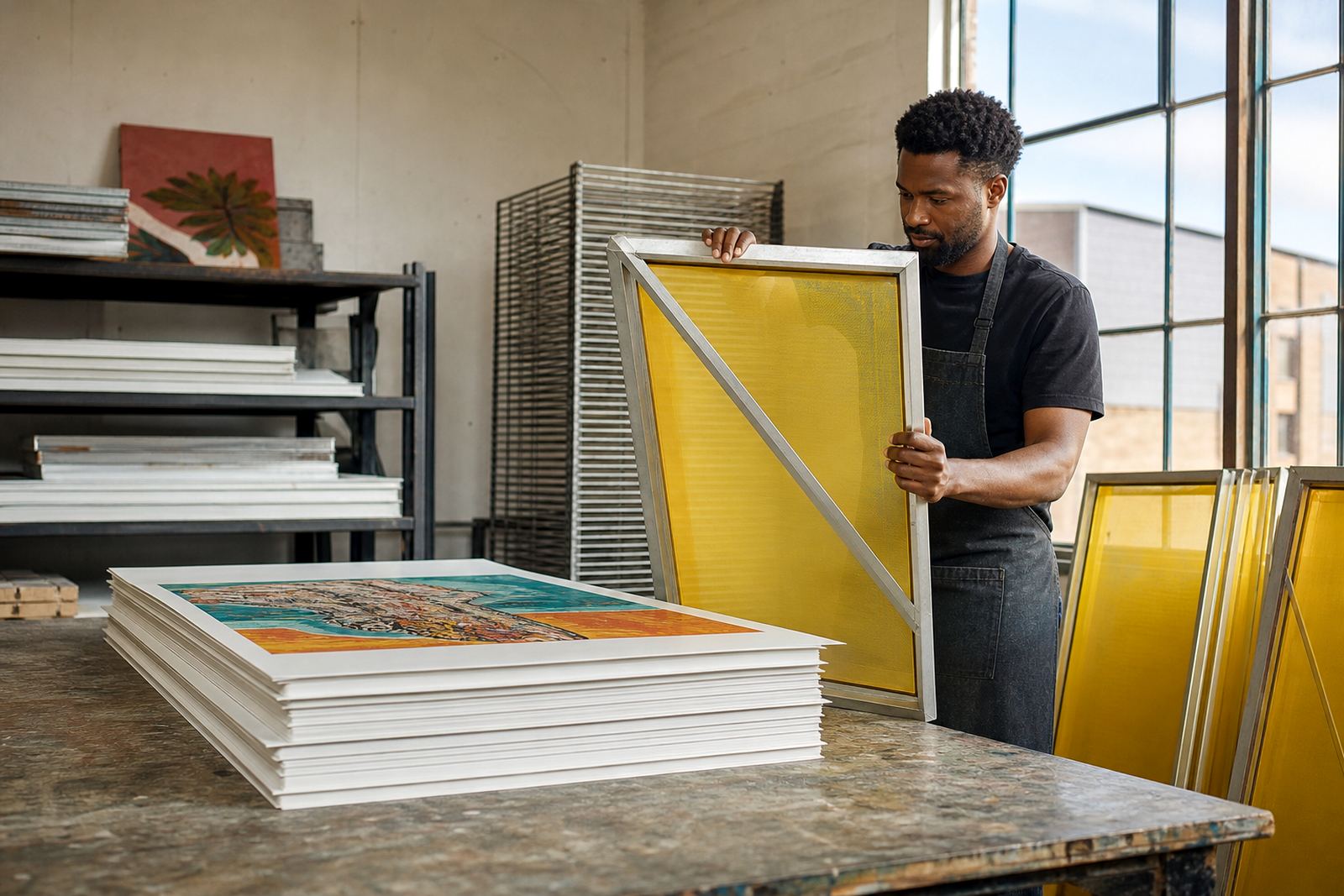
Choosing The Right Mesh Count For The Job
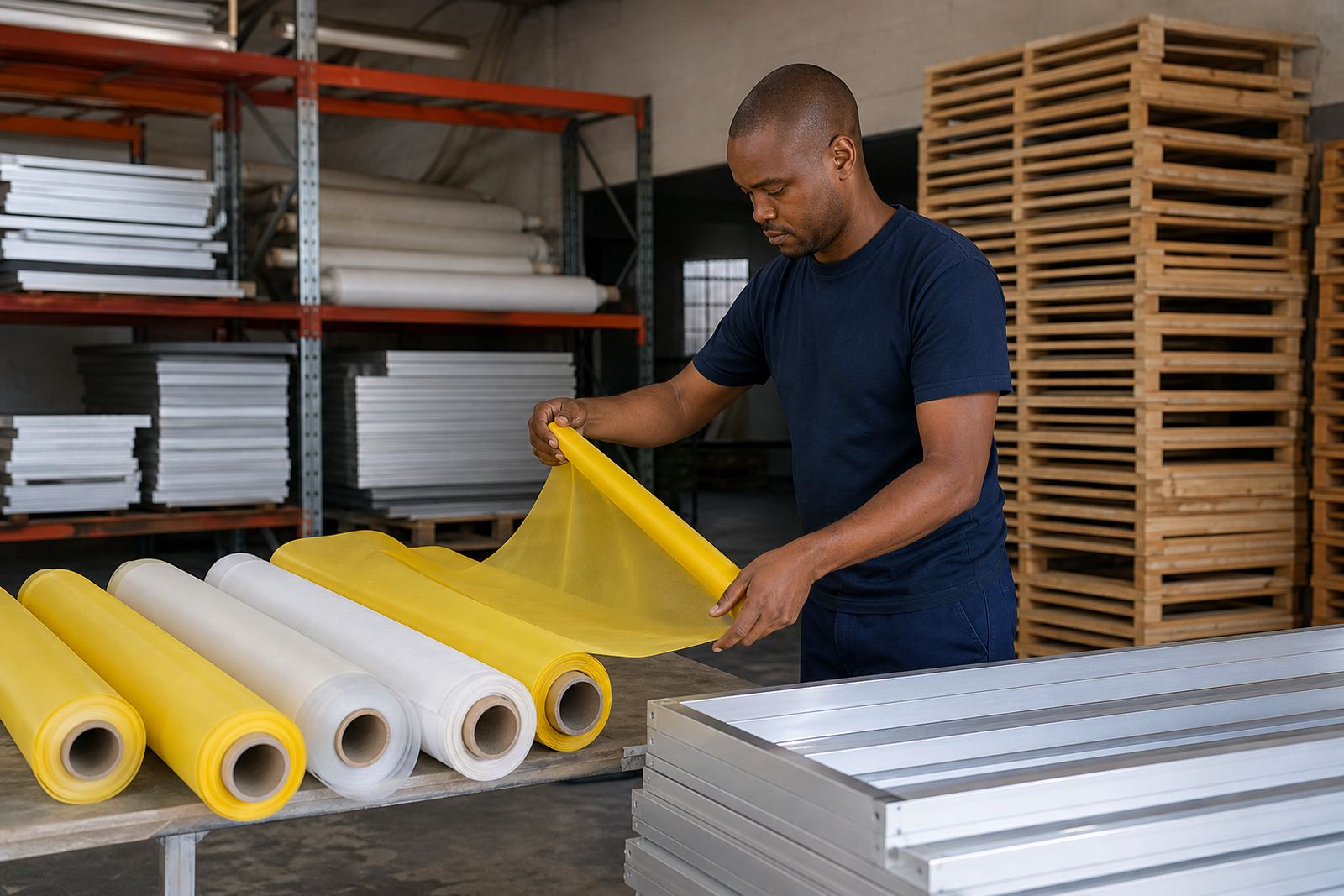
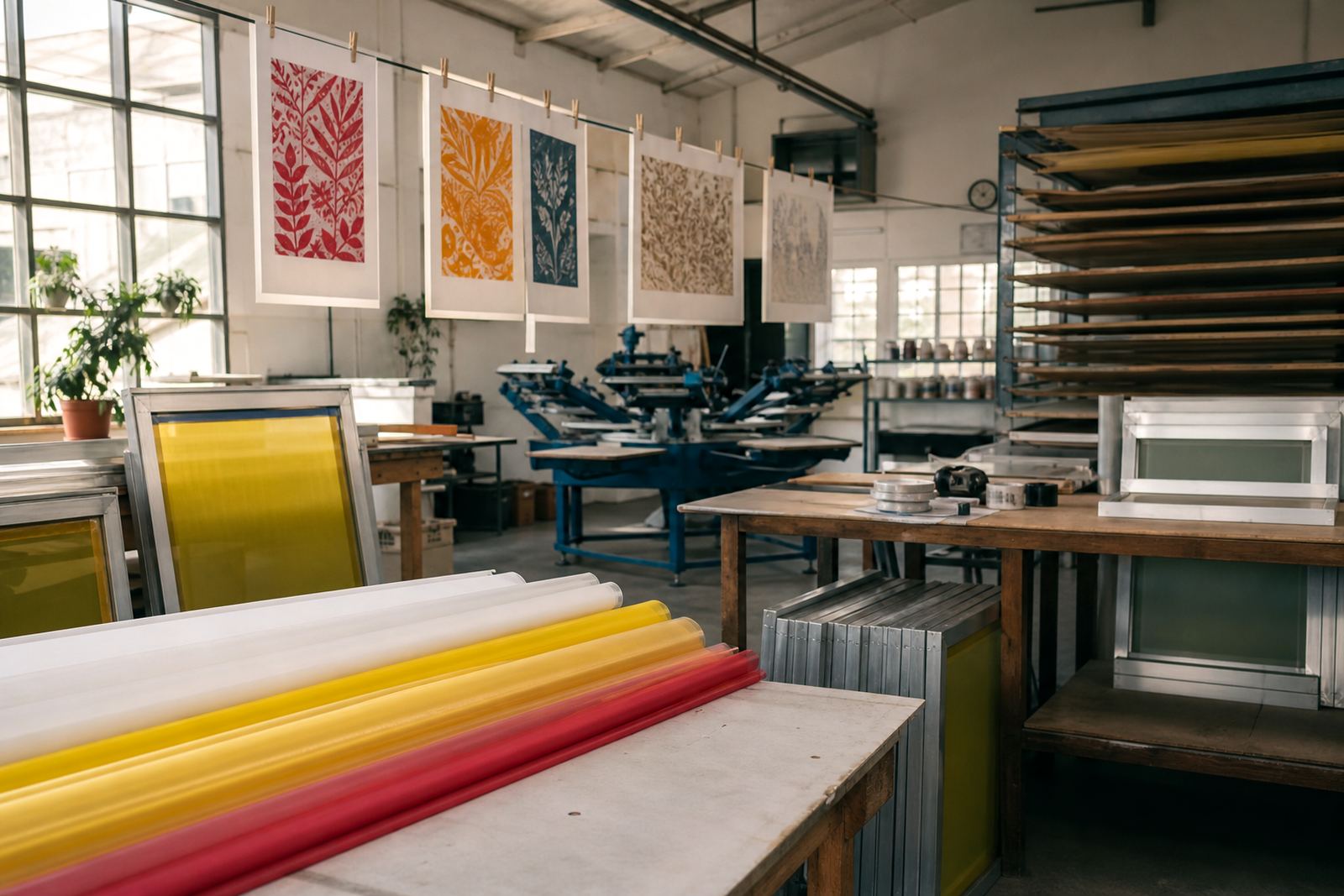
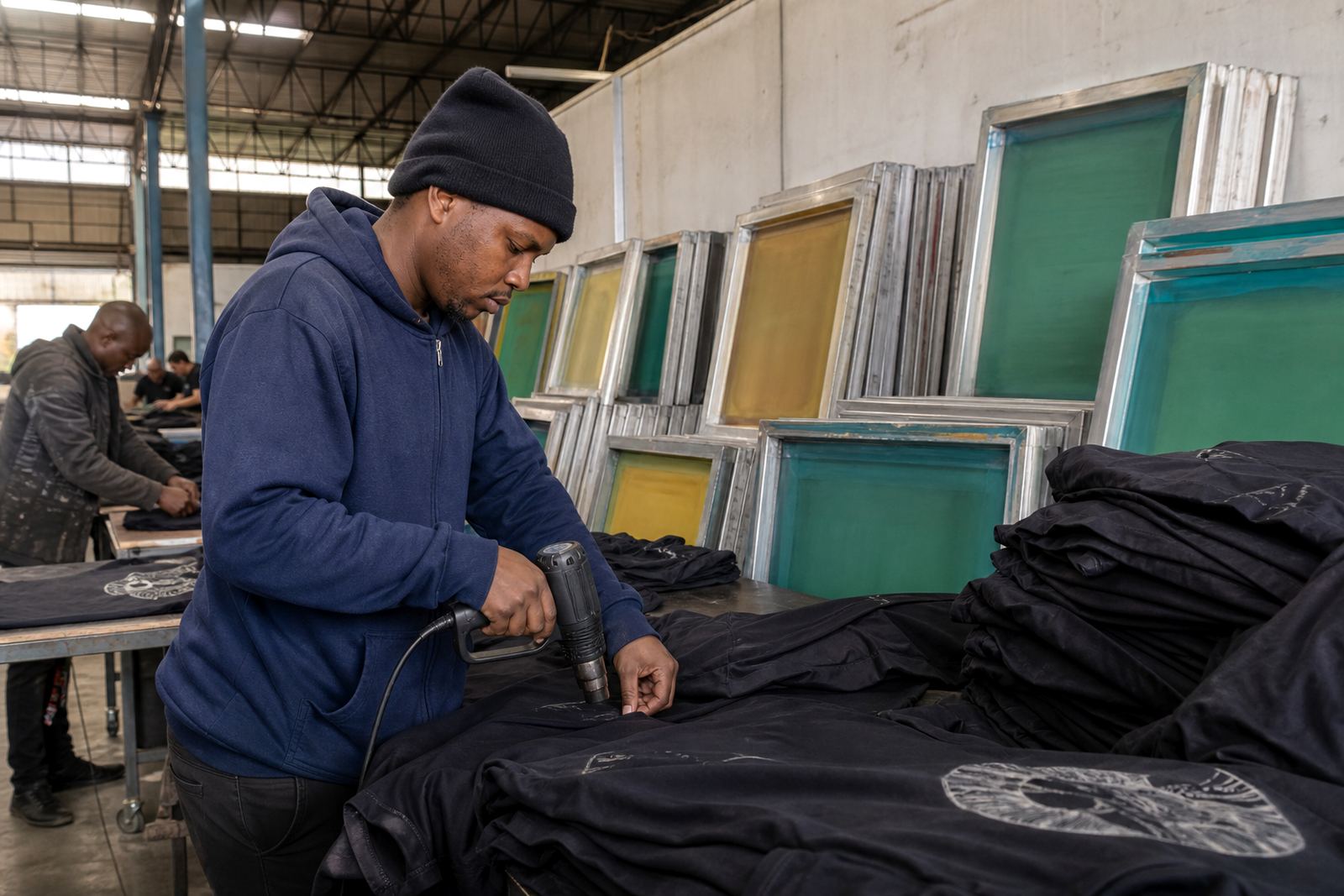
Every print shop works with a different mix of inks, substrates and image detail, so the right mesh count depends on what you are printing and how much ink needs to pass through. Lower mesh counts are generally used for heavier ink deposits and bolder work, while finer counts suit detail, halftones and cleaner image edges. Shops in Johannesburg and Durban often ask for different mesh setups on the same week because the job list changes quickly.
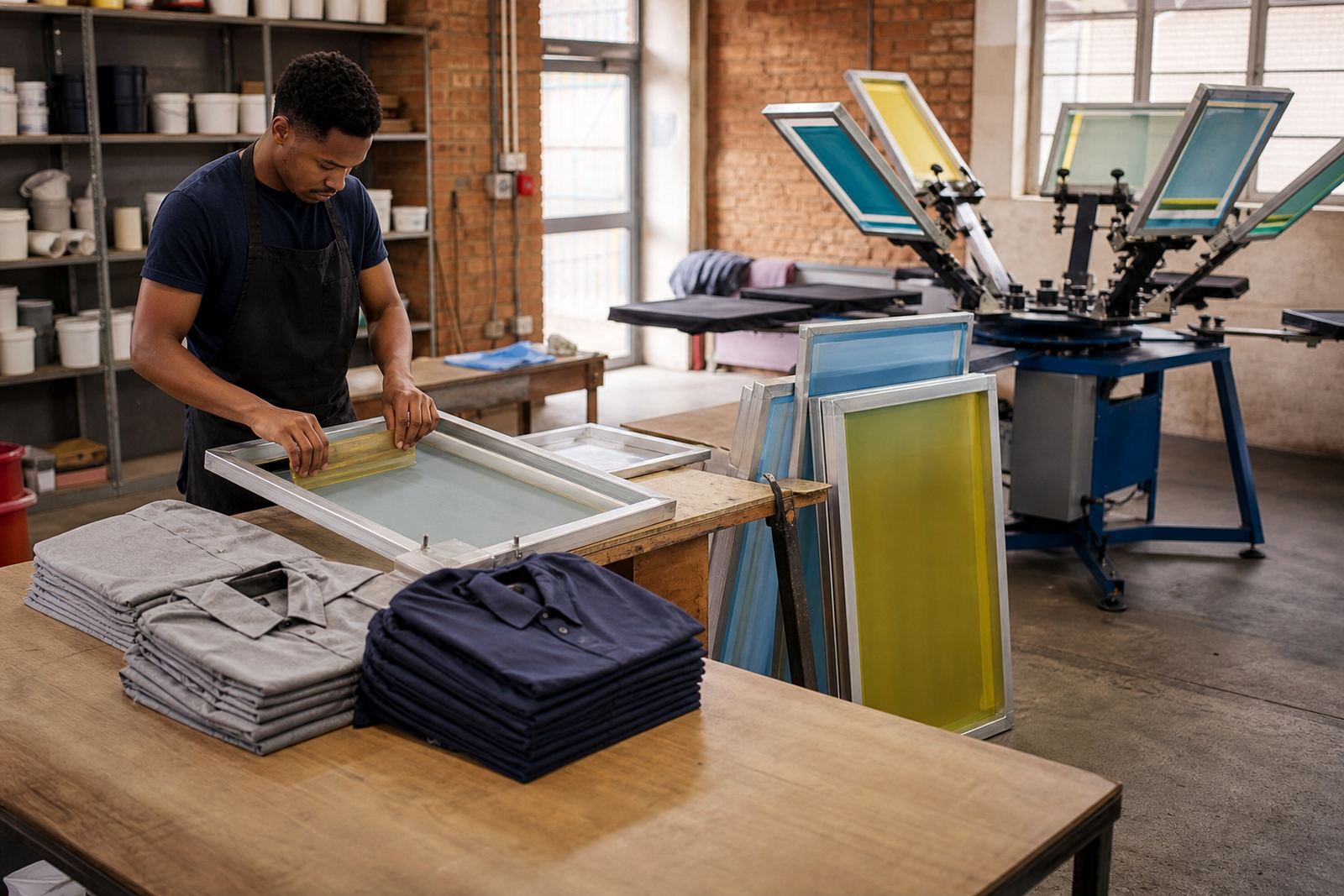
When choosing mesh, it helps to think about the full print process. Artwork, stencil thickness, ink body and the finish on the garment or board all affect results. If a frame is being used for repeat production, the goal is not only good detail but consistent tension from one screen to the next. That is where mesh count matching and tension checking make a real difference.
- Lower counts for heavier ink deposit and spot colour work
- Mid-range counts for general textile and promotional printing
- Fine counts for detail, half-tone work and cleaner edges
Pre-Stretched Aluminium Frames For Daily Shop Use
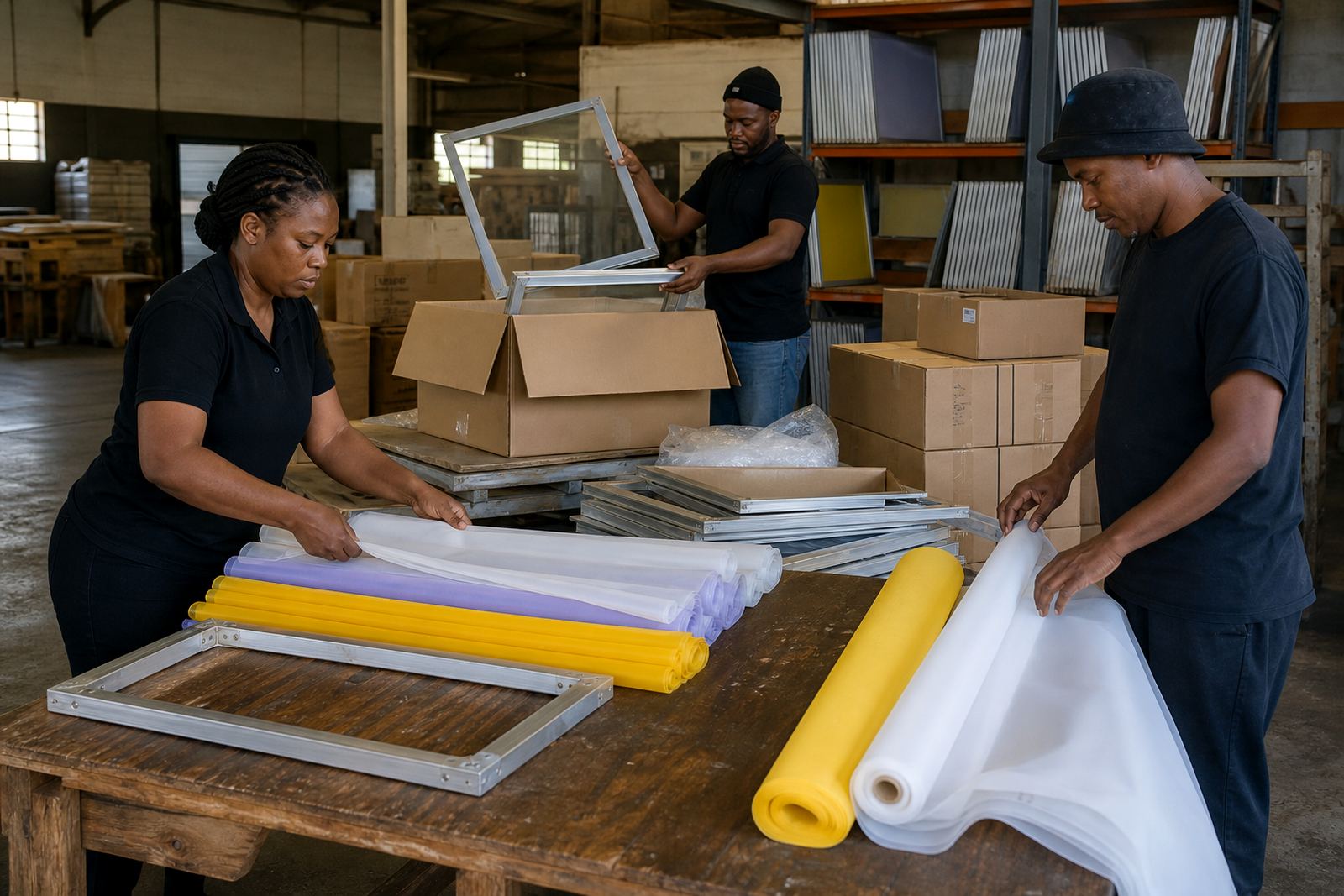
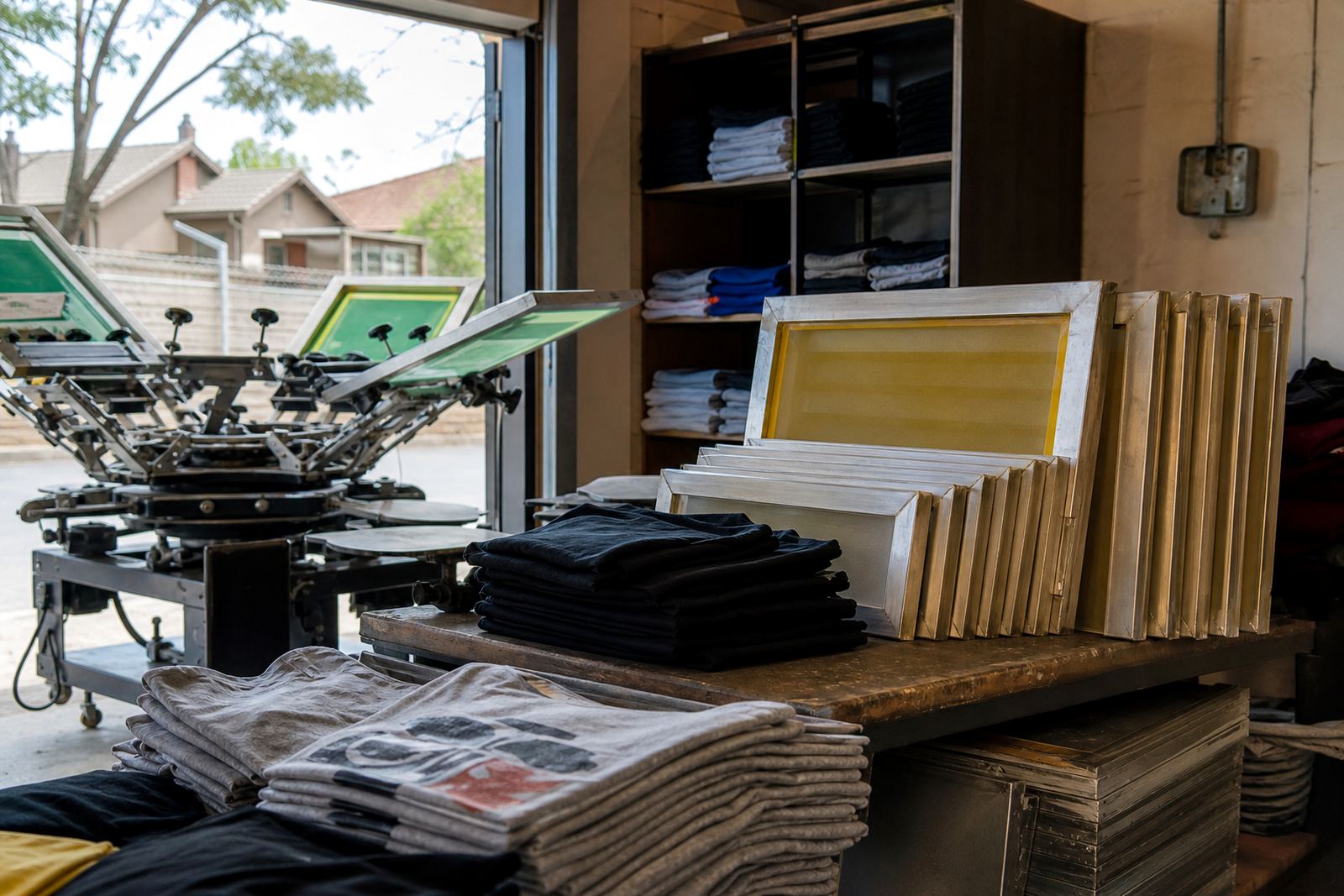
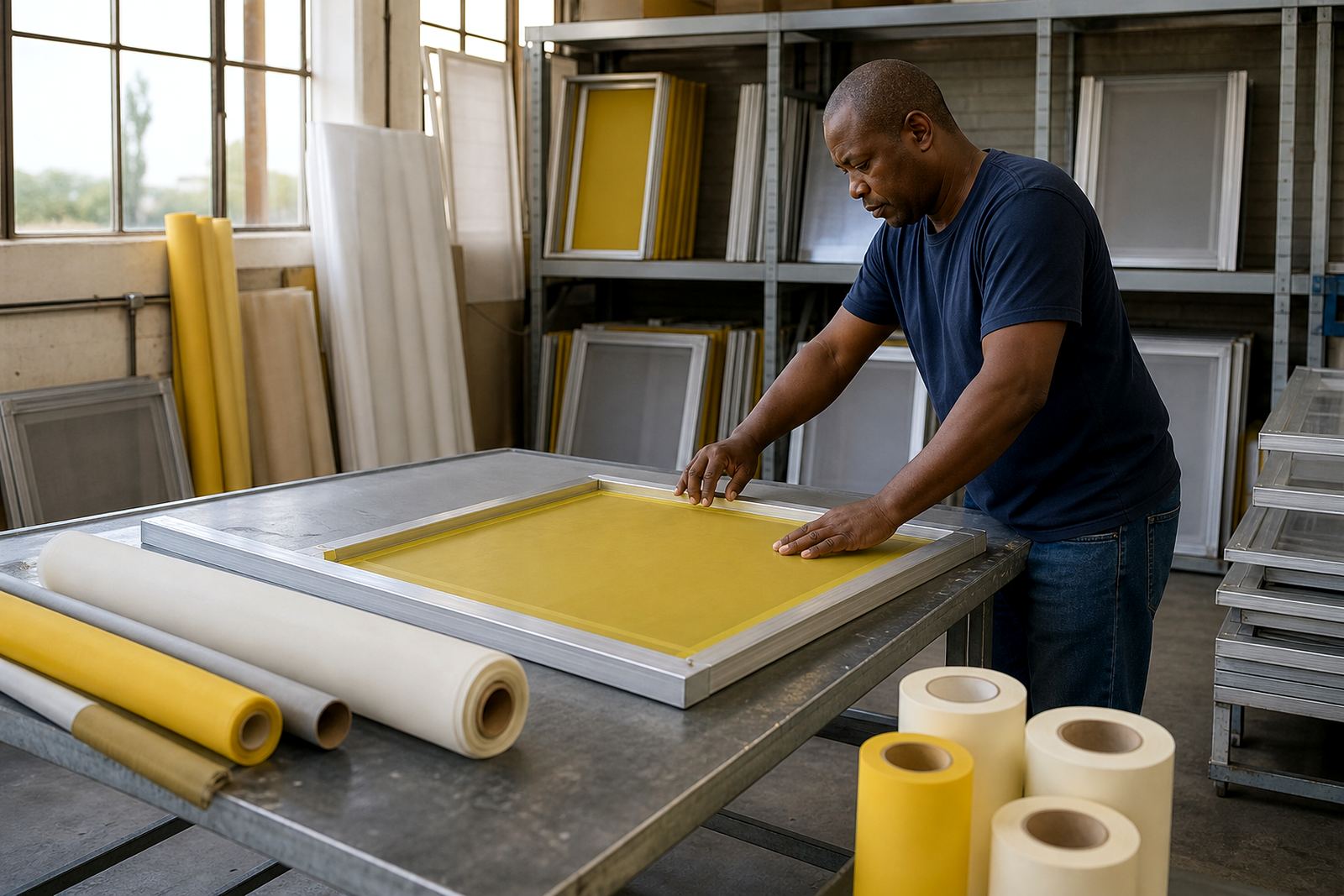
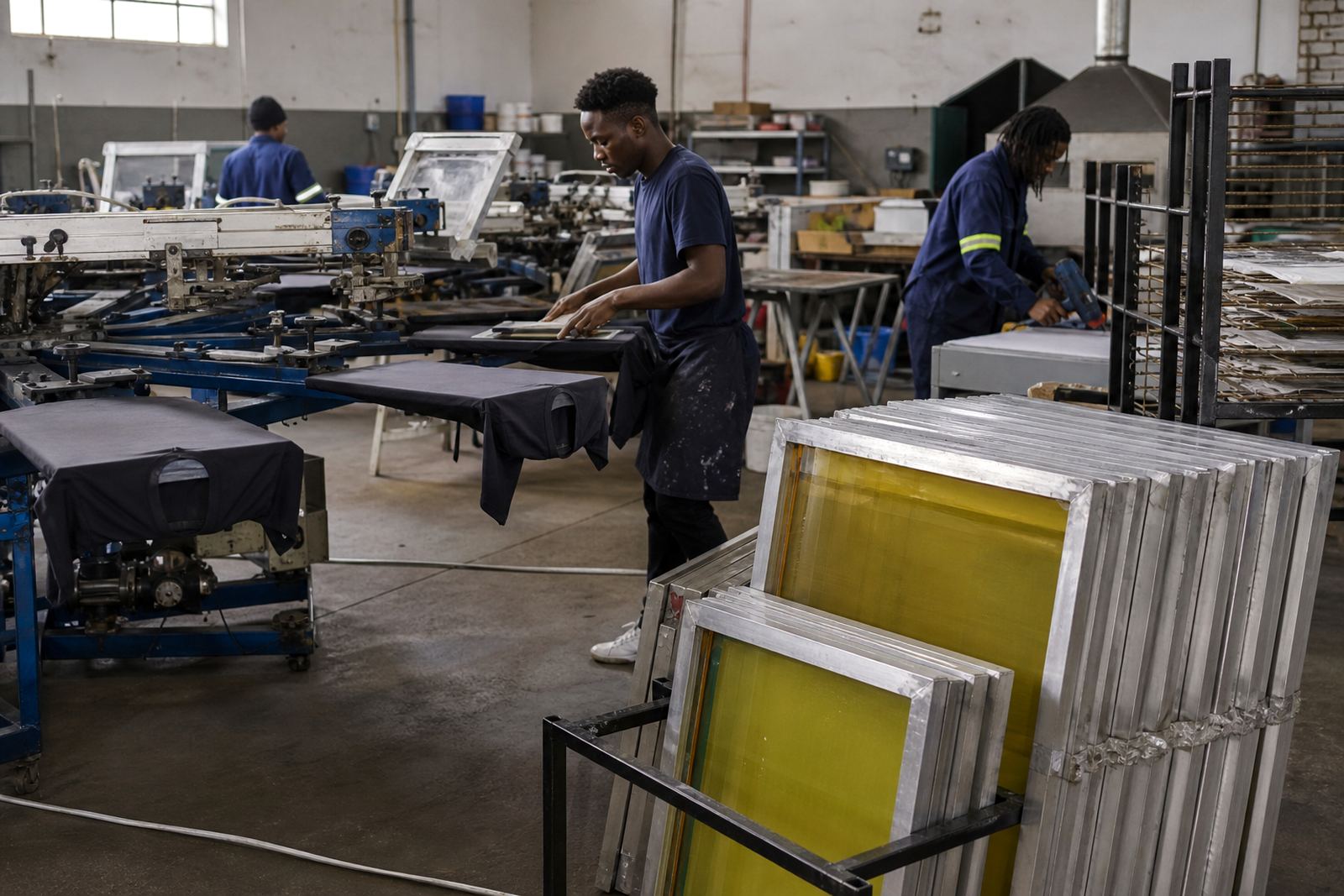
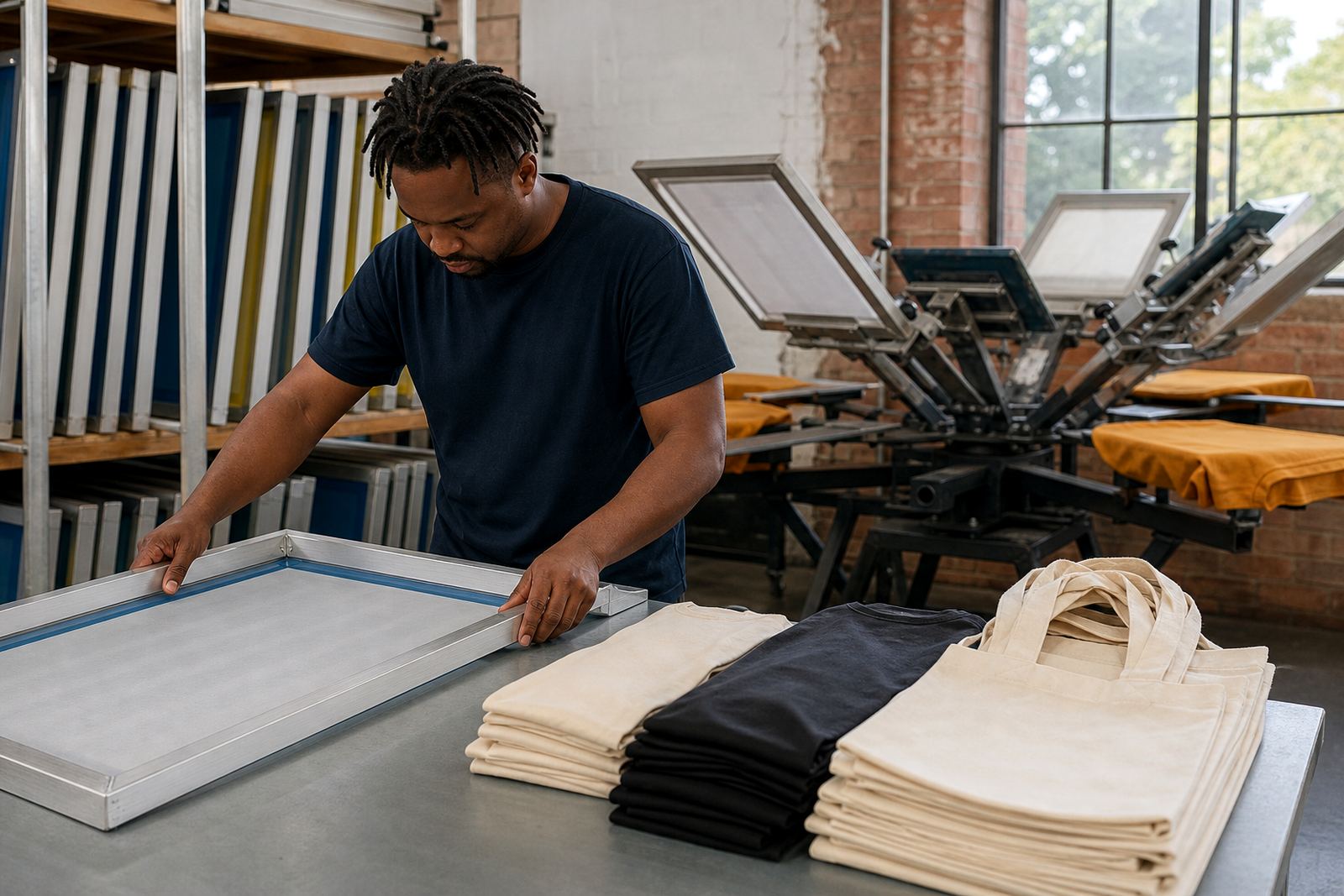
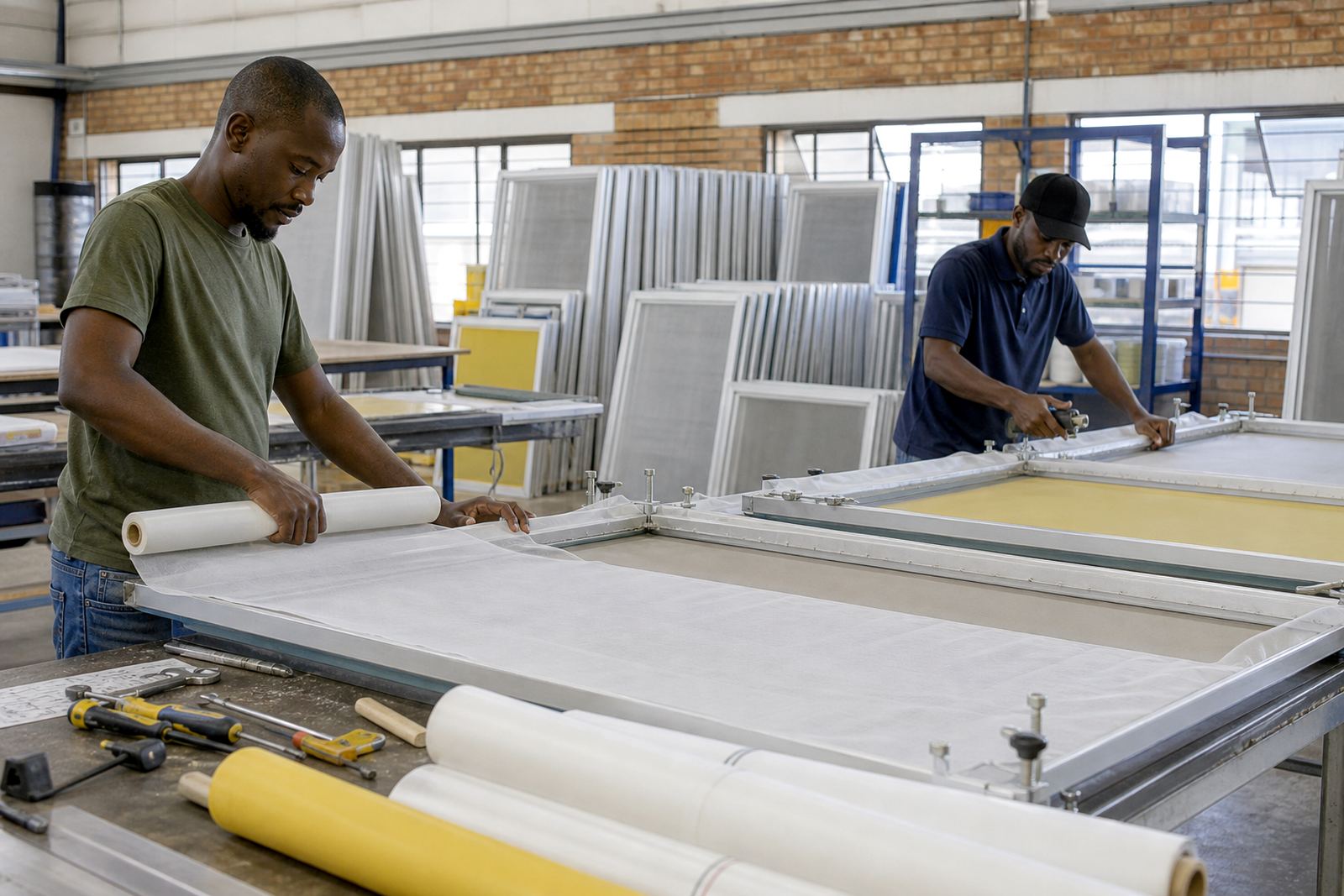
Pre-stretched aluminium frames are a practical choice when a print shop needs ready-to-use screens without spending time on in-house stretching. In busy areas like Germiston, Midrand and Pretoria, many shops prefer frames that arrive clean, square and ready for prep so the team can get straight into coating and setup. Aluminium also handles everyday handling well, which is useful when screens are moved between washout, drying and printing areas.
We work with custom frame sizing for shops that need a fit that matches their press setup or screen storage system. Frame strength, corner finish and mesh bonding all matter, especially where screens are used often and handled by more than one operator. For coastal deliveries to Cape Town, Durban and Gqeberha, durable frame prep helps reduce issues linked to humidity and repeated cleaning.
When Re-Stretching Makes More Sense Than Replacing
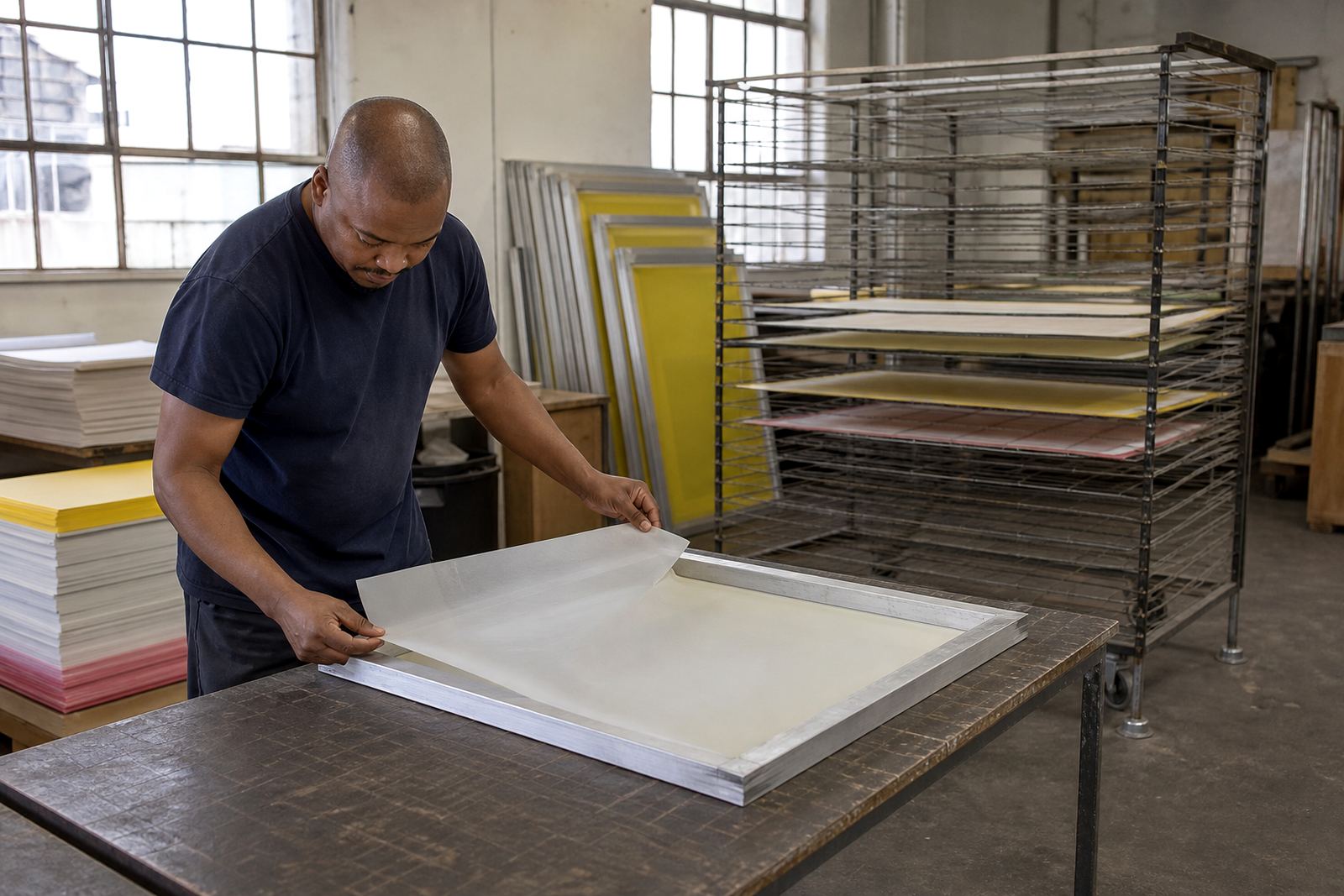
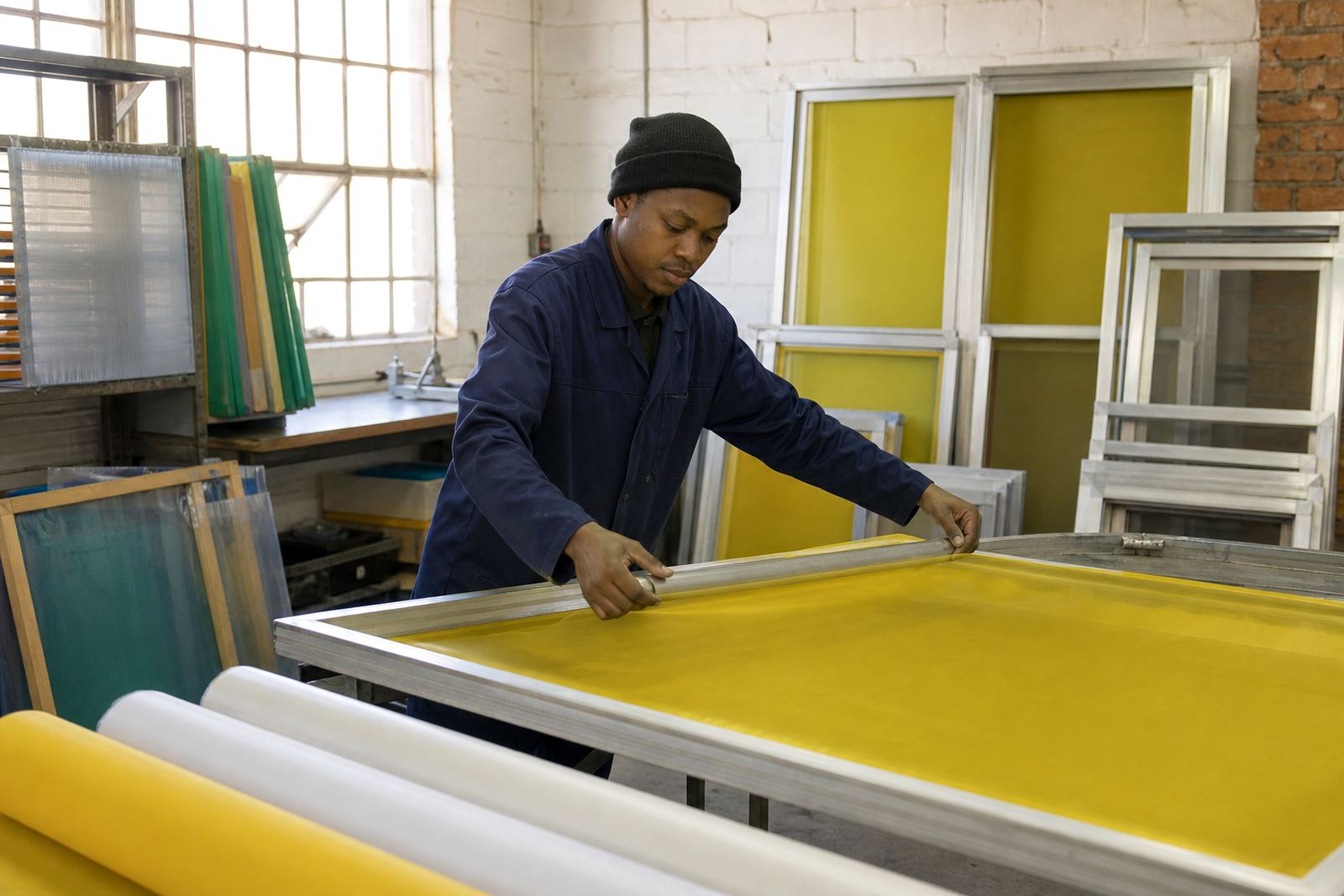
Some screens do not need a full replacement. If the frame is sound and the issue is worn mesh, uneven tension or older setup problems, frame re-stretching can be a practical option. It is often useful for shops that want to keep a familiar frame size in service while bringing the screen back to a better working condition. That can save time when artwork sizes stay the same and the press setup is already dialled in.
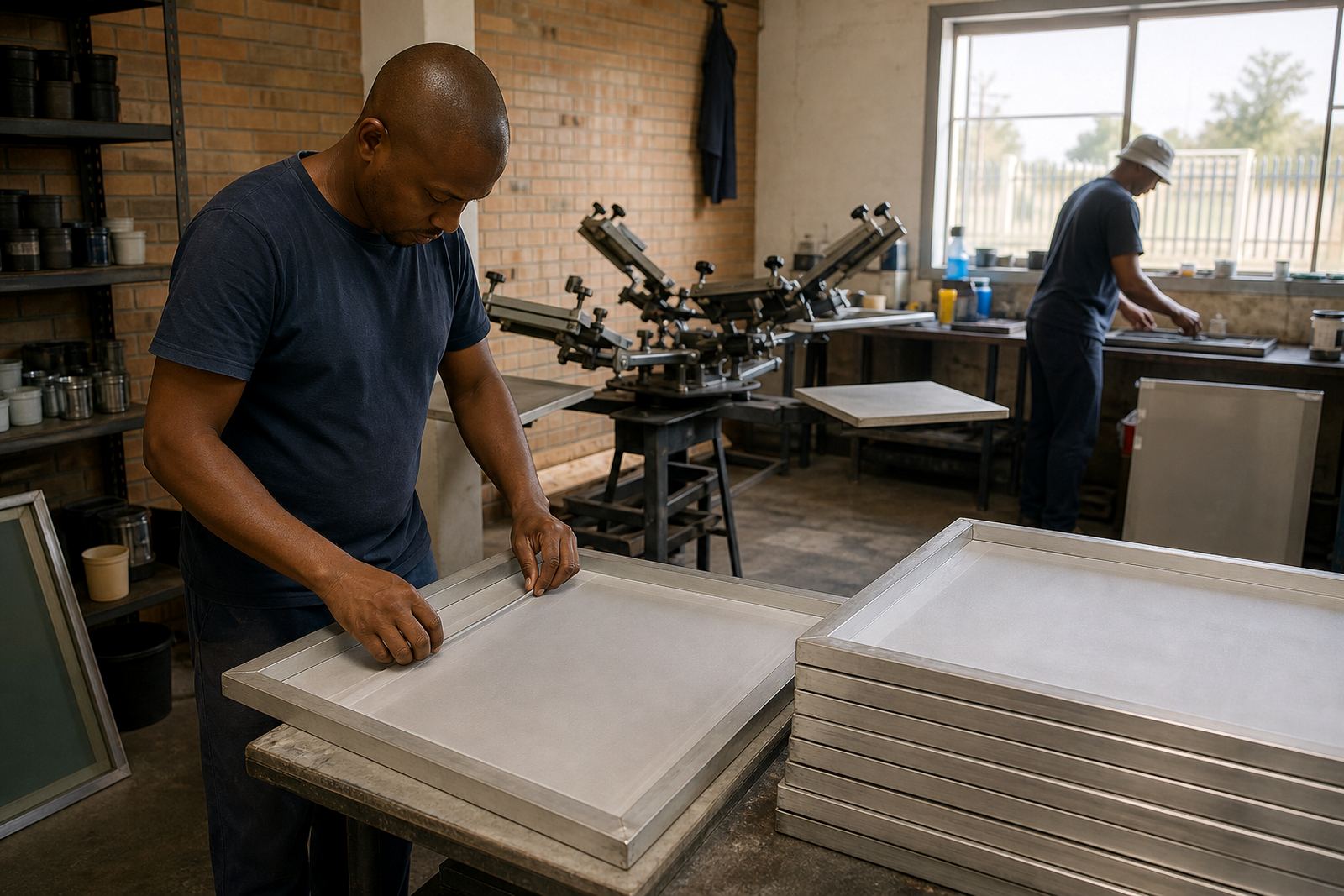
Before re-stretching, the frame should be inspected for bends, old adhesive, corner wear and any damage that could affect tension. A clean prep stage helps the new mesh bond properly and keeps the finished screen easier to manage during printing and cleaning. This is especially important in shops dealing with regular load-shedding, where production windows can be short and every prepared screen counts.
- Useful for sound frames with worn or slack mesh
- Helps keep repeat jobs in the same screen size
- Best paired with a proper tension check before dispatch
How Local Conditions Affect Screen Performance
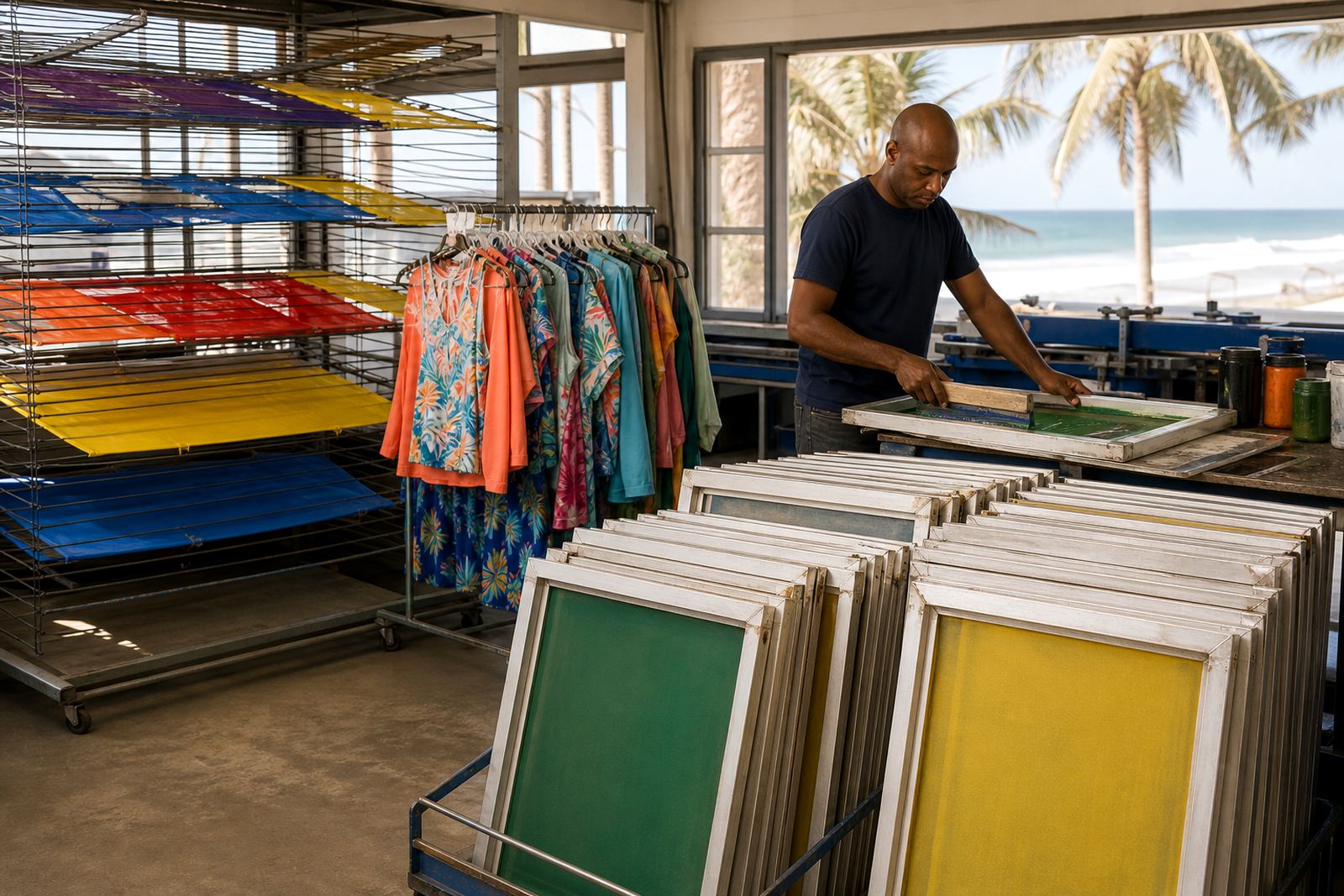
South African print shops work under varied conditions, and screens do feel it. Coastal humidity can affect drying and storage, while dust in busy industrial areas can interfere with clean prep and bonding if screens are left uncovered. In some towns, municipal water quality also changes how washing and reclaiming is managed, so shops need screens that are well prepared from the start and easy to inspect between jobs.
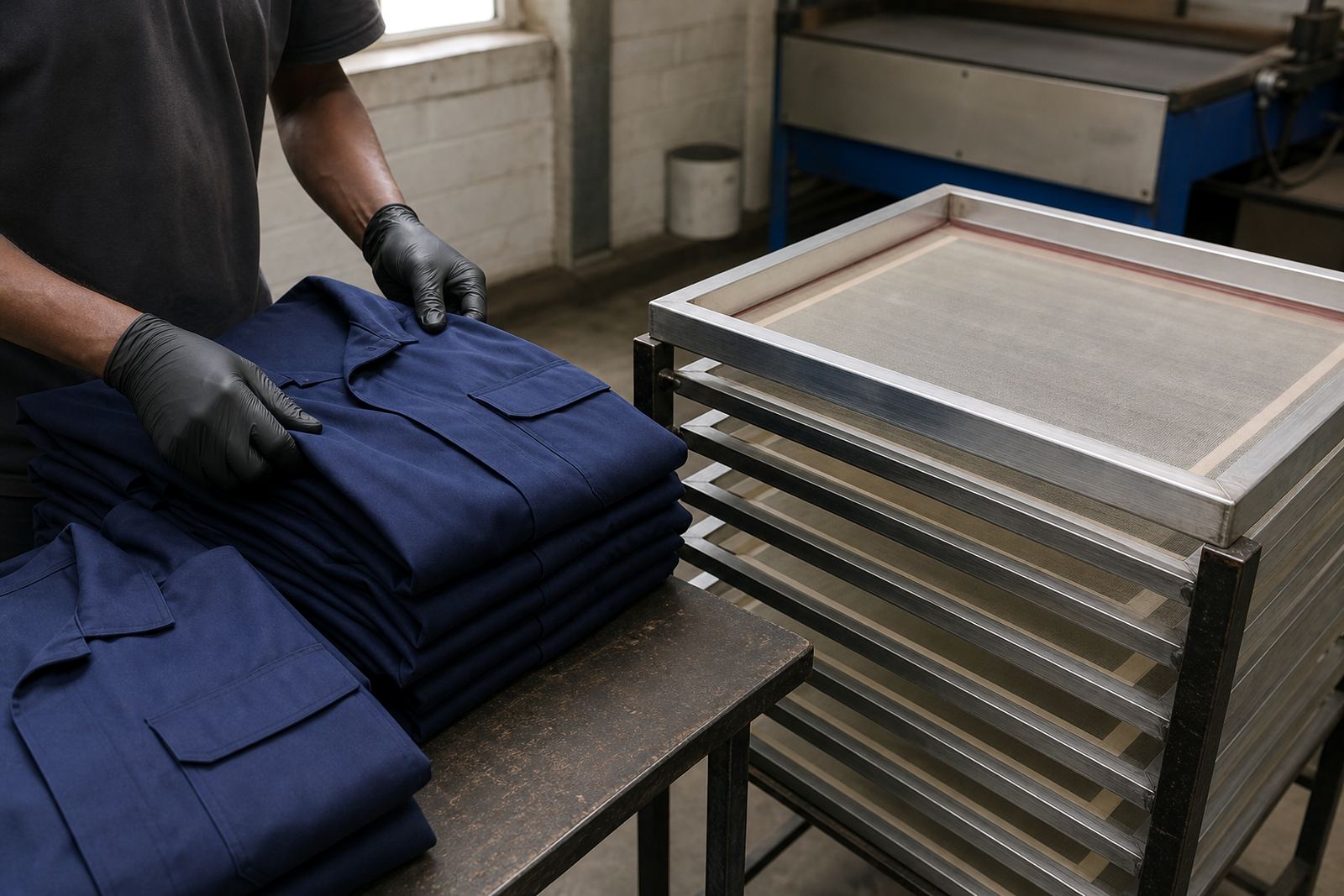
A good screen should hold tension, stay clean at the edges and remain stable through repeated use. If mesh is too loose or the frame is not square, registration issues can show up quickly. That is why our screen inspection, tension checking and batch screen prep are often part of the same job request. The aim is simple: fewer surprises on press and less rework during a busy run.
What Print Shops Ask For Most Often
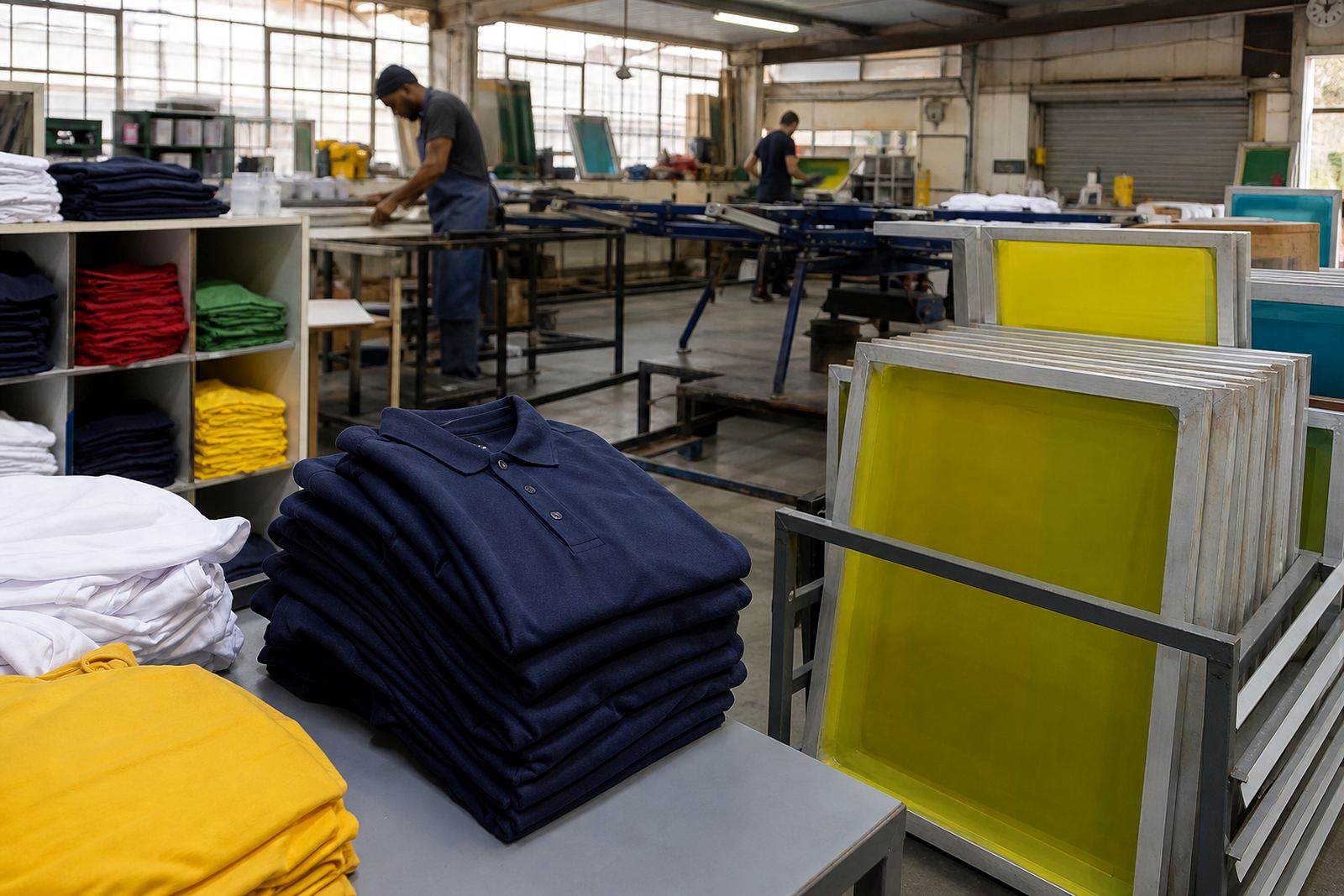
Across Johannesburg, Pretoria, Durban, Cape Town and Gqeberha, the most common requests are straightforward and practical. Shops usually want the right mesh count, a frame size that suits the press, and a screen that is ready for production without extra fixing. Some need one-off frames for a new job, while others need repeat order service to keep a regular production line moving.
We also see a steady need for screen setup advice, especially when a shop is adding a new ink range or moving between coarse and finer work. A small change in mesh or tension can affect deposit, detail and print feel, so it is worth matching the screen to the job rather than forcing one screen to do everything. That is the sort of practical fit that keeps print work moving with less waste.
- New frame stretching for fresh production screens
- Mesh count matching for job-specific print needs
- Dispatch packing for safe delivery across South Africa
How To Use These Stories To Pick The Right Supply Path
Use these stories as a guide to the kind of screen or frame solution your shop needs, then match it to the closest job type. If your work is high detail, look at finer mesh and tighter tension control. If your print run is heavy and bold, a lower mesh count and a properly stretched frame may be the better choice. If you are unsure, a quick discussion around the job size, ink type and press setup usually points to the right option.
The listing cards that sit alongside this hub are added separately, so this page is simply a practical way to narrow the field. Whether you are replacing old screens, setting up a new size, or planning repeat production, the aim is to keep the supply side clear and direct. That saves time, and in a print shop time is always part of the order.