Why a small sample tells you a lot
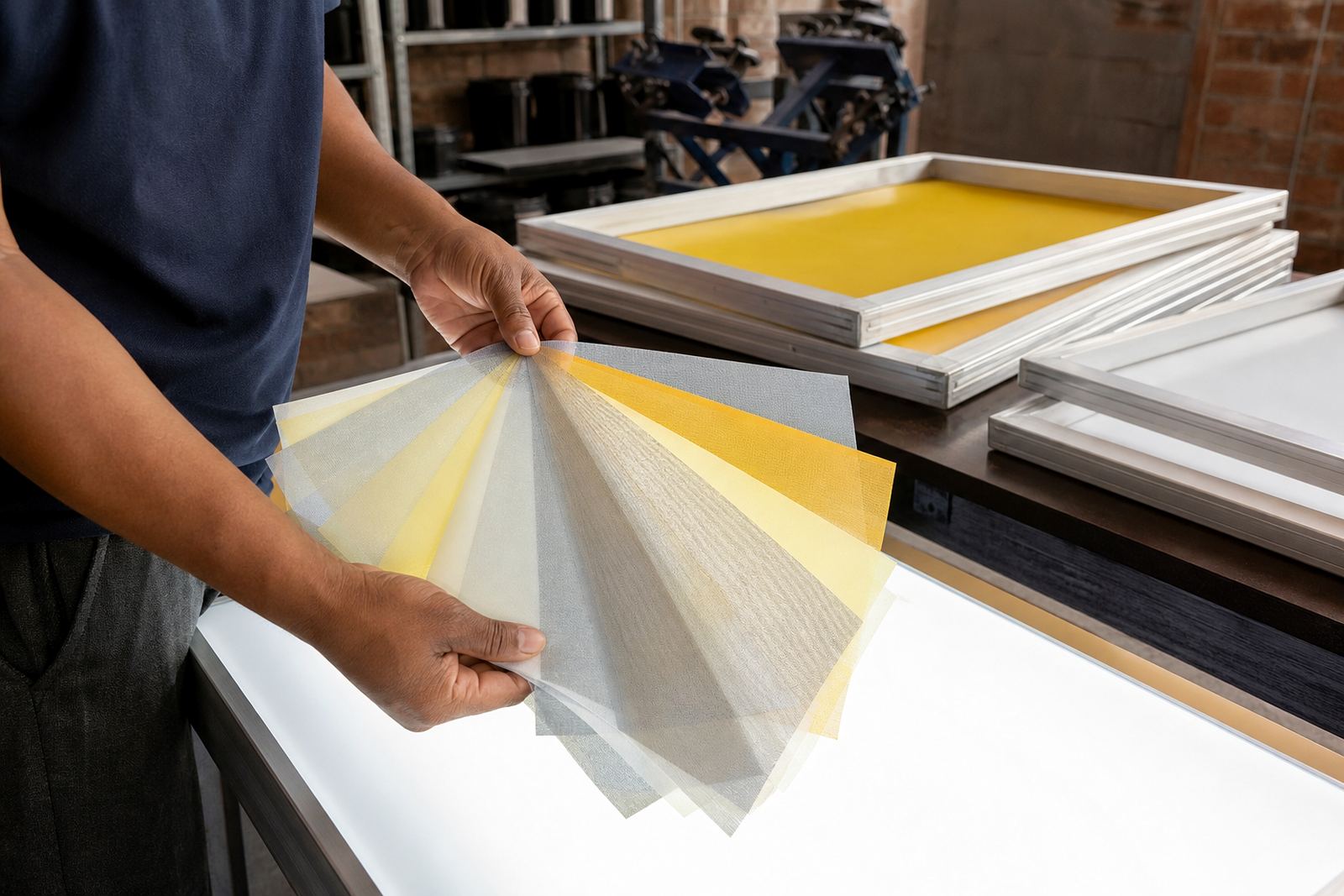
When you are choosing screen-printing mesh, a sample piece does more than show the colour and feel of the fabric. It lets you look at the actual weave, the opening between threads and how evenly the mesh sits under your fingers. That matters because print quality starts with the screen, not only the ink or the stencil.
With a sample in hand, you can compare finer counts for detail work against coarser counts for heavier ink deposits. You can also judge how the mesh may behave with different ink types, squeegee pressure and artwork detail. A sample will not replace a full production test, but it does help you narrow the choice before you stretch a frame, expose a stencil and run a full job. That saves time, materials and a fair bit of frustration.
What to check before you choose a count
Mesh count is only one part of the decision. Two meshes with similar counts can still behave differently if the thread thickness, opening size or weave consistency changes. That is why sample pieces are useful when you need to match a screen to a specific job rather than just pick a number off a list.
- Check the openness against the level of detail in the artwork
- Look for a clean, even weave with no obvious distortion
- Feel how the mesh responds when held under light tension
- Compare one fine sample and one more open sample side by side
- Think about the ink body and how much deposit the garment or substrate needs
If you print fine halftones or small text, a tighter mesh may suit the job better. If you are printing bold spot colours, larger graphic areas or thicker inks, a more open mesh can be the better fit. The sample gives you a quick visual reference before you commit to a full screen build.
How samples help with frame stretching and tension
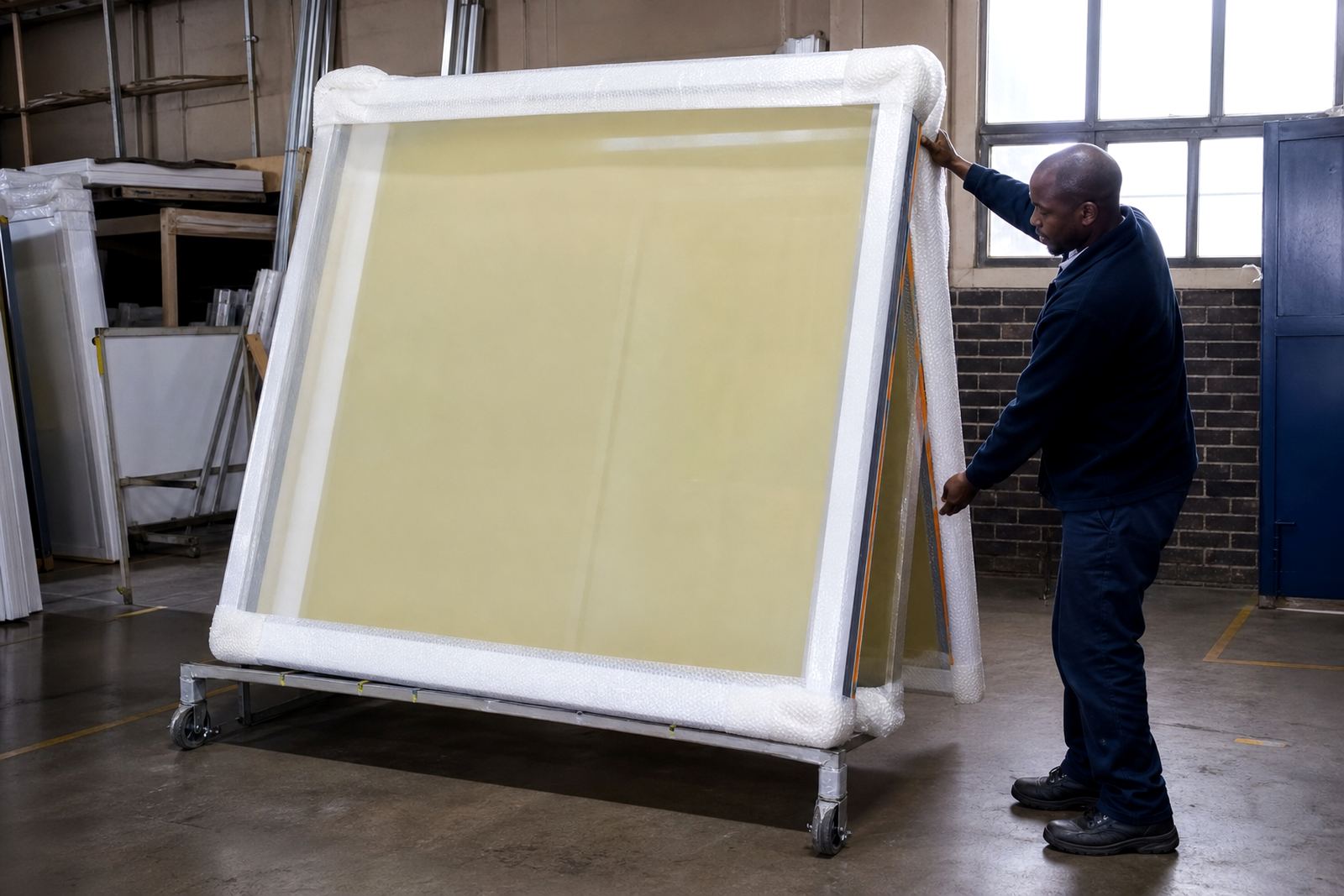
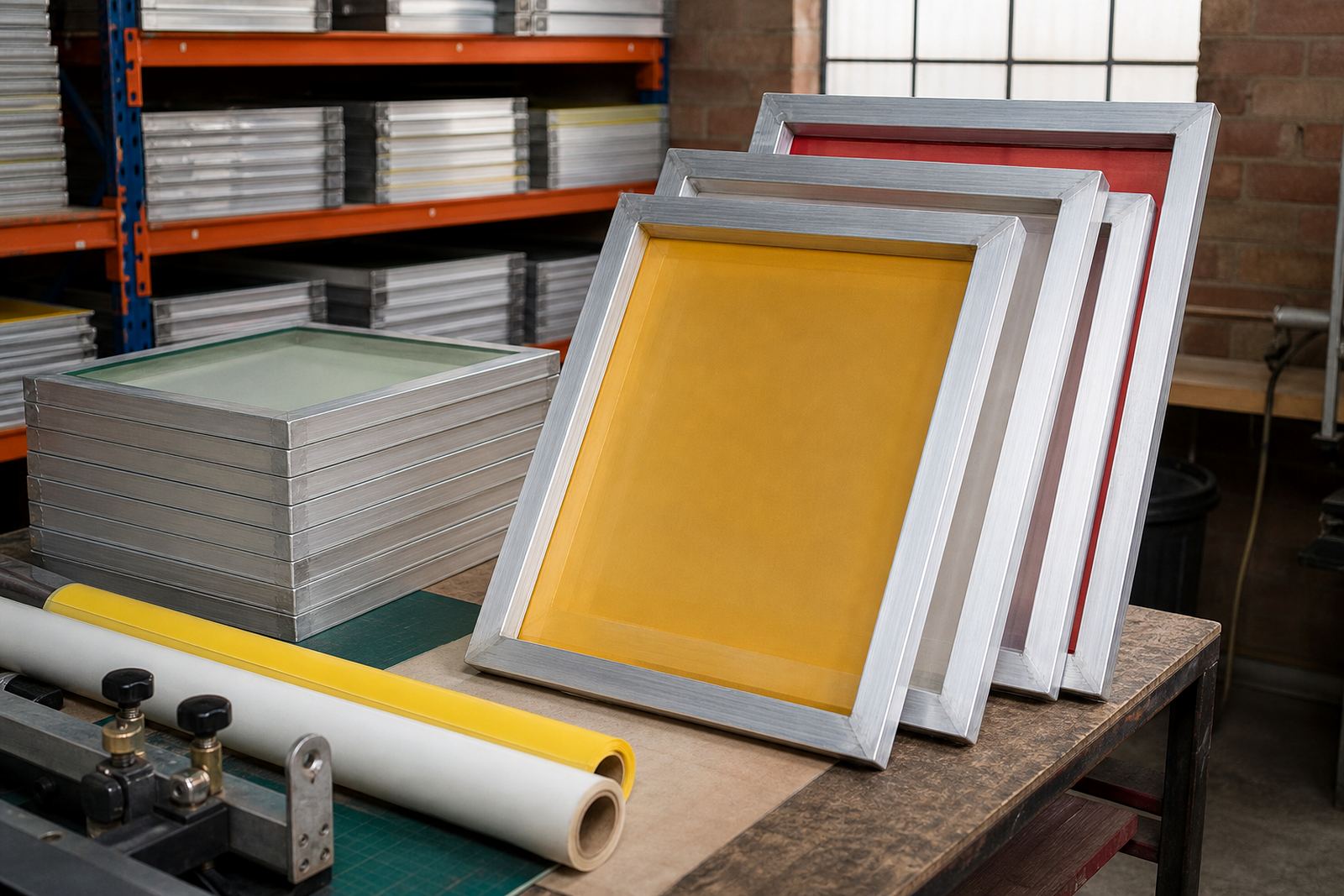
Sample pieces are especially useful when you are planning new frame stretching or re-stretching work. Mesh behaves differently once it is bonded and stretched on aluminium, so the sample helps you start with the right material for the frame size and print method. A mesh that feels suitable on the roll may act differently once tension is brought up across a large frame.
Good tension is about more than pulling the mesh tight. You want even tension across the entire screen, clean corners and stable rebound after each print stroke. If the mesh count is wrong for the job, no amount of careful stretching will fix that. Using a sample first lets you and your team check whether the chosen mesh gives the right balance of detail, release and durability. It also helps when one job needs repeat screens made to the same setup.
For printers in busy shops, that kind of matching is practical. It means fewer surprises when a repeat order comes in and the screens need to behave the same way as the last run. A sample can be the difference between a screen that prints cleanly and one that gives you edge issues or poor ink transfer.
Matching mesh to the job, not just the count
Some printers choose mesh by habit, then adjust the rest of the process around it. A better approach is to match the mesh to the job first. Sample pieces make that easier because you can hold them against the job requirements and decide what makes sense before the frame is prepared.
- Detail-heavy artwork usually needs a finer, more controlled mesh
- Large lettering and block print areas may suit a more open weave
- Thicker inks often need more room to pass through the mesh
- Special substrates can demand a different balance of deposit and sharpness
- Repeated production work benefits from a consistent mesh choice each time
In practice, this can mean comparing a few sample cuts while looking at the actual artwork on screen or on paper. The aim is not to overthink it. It is to choose a mesh that gives the press room the best chance of a clean result with less adjustment later. That simple step can save a lot of stop-start printing.
A Germiston example from a mixed print schedule
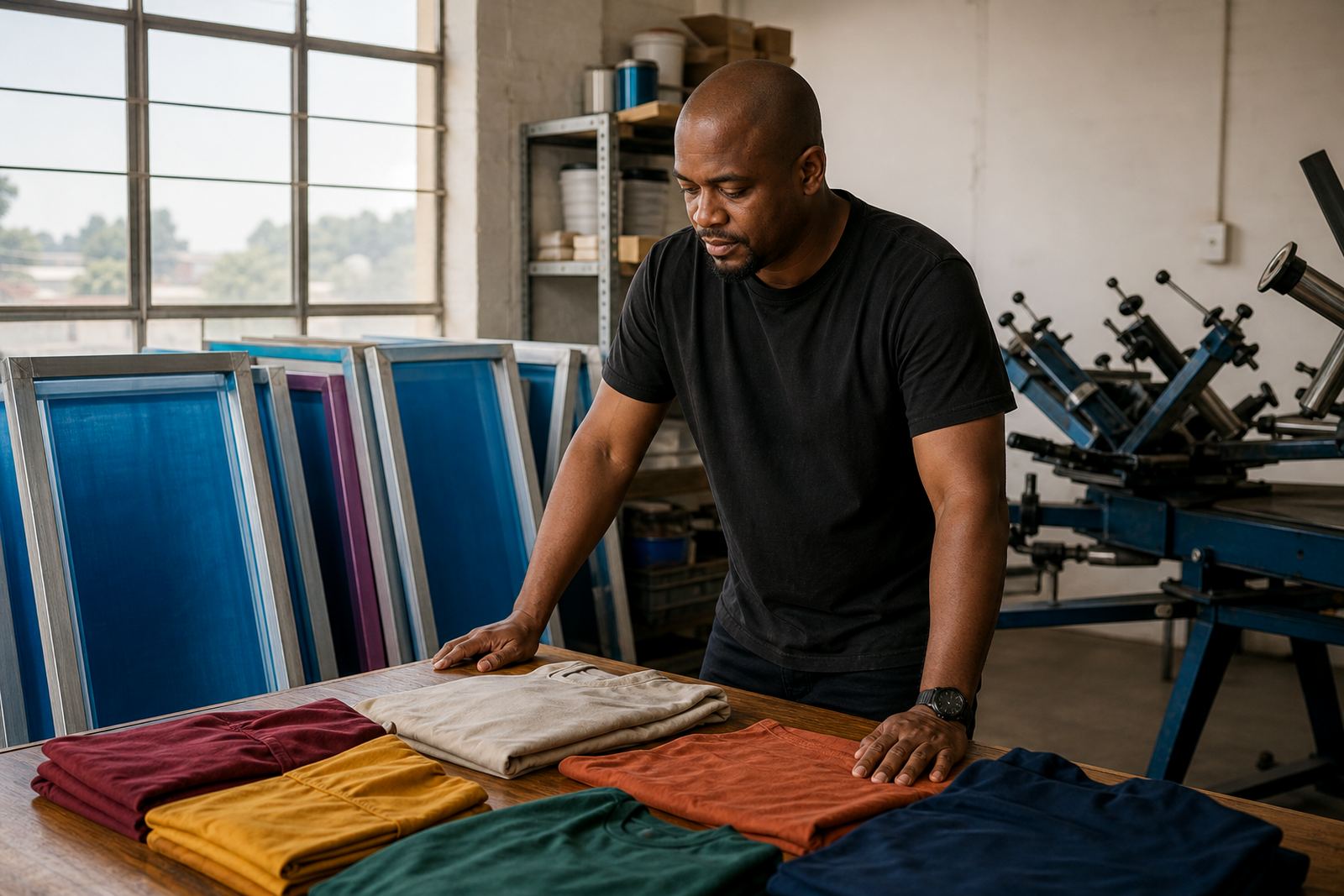
A print shop in Germiston may have one day of fine logo work for corporate wear and the next day a run of bolder prints for promotional clothing. In that kind of schedule, sample pieces become useful very quickly. The team can compare a tighter mesh for the fine job and a more open option for the heavier print, then decide which screen to stretch for each run.
That matters even more when the weather shifts. Gauteng afternoons can be dry and dusty, while coastal jobs heading to Durban or Gqeberha may need a bit more attention to storage and handling because humidity can affect preparation and drying times. A sample lets the printer make a local practical call before the full screen is prepared. It also helps when the shop is planning a batch screen prep for multiple repeats, because the chosen mesh can be kept consistent across the order. One bad screen can slow everything down, so it is worth checking first.
How to handle and compare samples properly
To get value from mesh samples, handle them in the same way you would handle full stock. Keep them clean, flat and away from dust or sharp edges. If possible, view the sample under good light and hold it at an angle so you can see the weave clearly. Small differences are easier to spot when the sample is clean and properly lit.
- Label each sample clearly by count and type
- Store samples flat so they do not curl or crease
- Keep them away from ink, solvent and workshop grime
- Use the same light source when comparing several options
- Write down which sample matched which job outcome
It also helps to include the screen maker or press operator in the comparison. A sample can look fine in the office, then behave differently once it is under tension and set on the press. Getting input from the people who will actually stretch, inspect and print the screen is time well spent.
Using samples to keep repeat orders consistent
Repeat orders are where sample pieces really prove their value. If a customer returns with the same artwork months later, the old sample can help the team match the previous setup without guessing. That means fewer changes to exposure, ink flow and print pressure, and a better chance of getting the same result again.
This is useful for shops that serve Johannesburg, Pretoria, Midrand and the coastal centres where production may be split between branches or delivery points. A clear sample record supports repeat order service and makes screen setup advice more reliable. It also helps when a frame needs re-stretching and the original mesh choice has to be matched closely. The sample becomes a simple reference point, which is often more useful than memory alone.
For many printers, that is the real benefit. Samples turn a choice that can feel uncertain into one that is practical, traceable and easier to repeat. And when the next batch is due, the whole process gets off to a cleaner start.