

Home / Products

Mesh and Frames

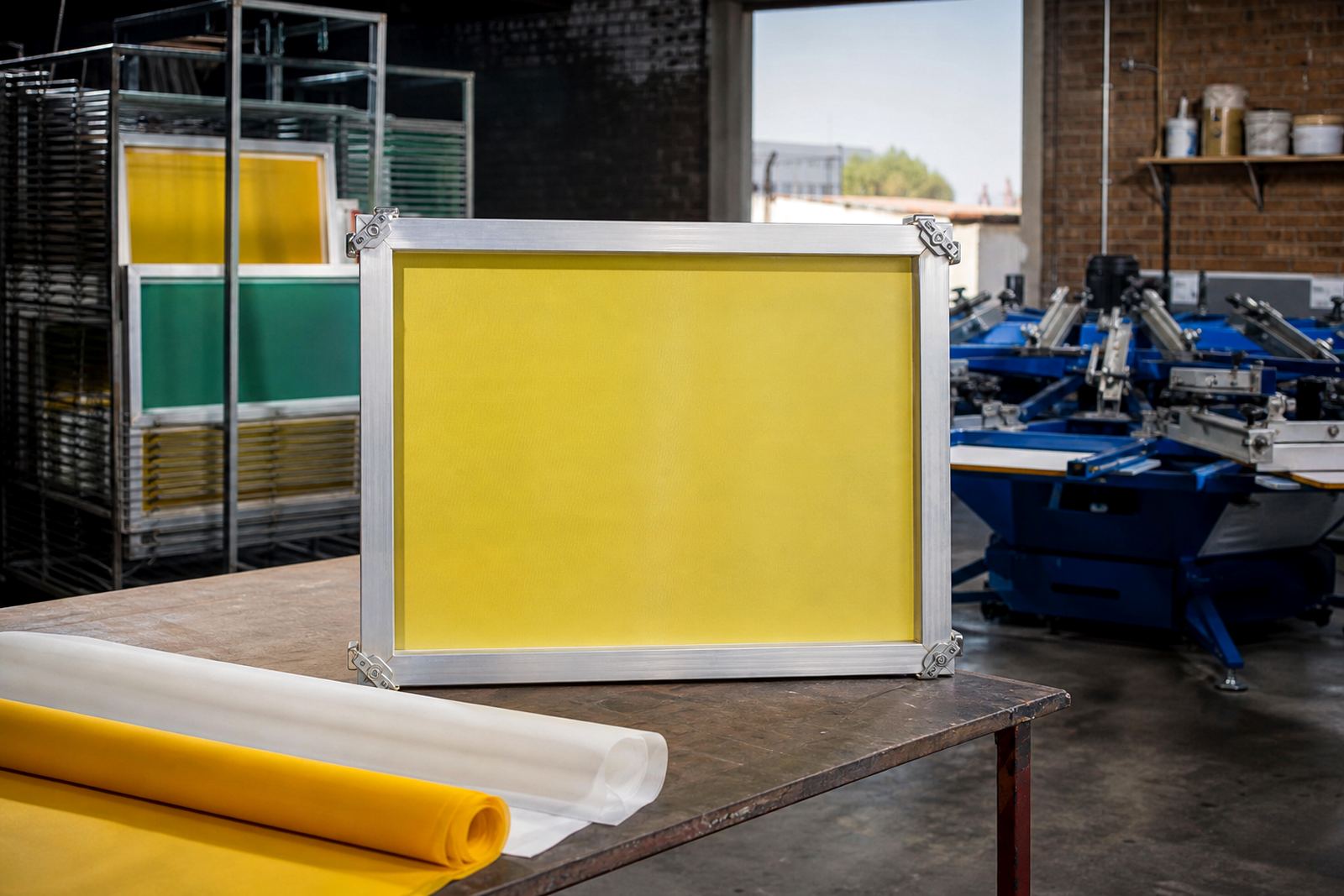
Explore screen-printing mesh and pre-stretched aluminium frames for common textile, paper, signage and specialty applications. Each option is selected to help print shops choose suitable mesh counts, frame formats and ready-to-use screens.

Mesh and Frames
43T Mesh

43T Mesh

A lower mesh count often chosen where heavier ink deposit and bold coverage are needed.

54T Mesh

54T Mesh

A versatile mesh count for stronger ink laydown while keeping edge detail reasonably controlled.

61T Mesh

61T Mesh

A balanced option for everyday work where printers need solid coverage and fair detail.

77T Mesh

77T Mesh

Commonly used for general printing where a cleaner print edge is needed than lower counts provide.

90T Mesh

90T Mesh

A finer mesh count suited to sharper image definition and controlled ink transfer.

100T Mesh

100T Mesh

A popular fine mesh for jobs needing neat detail without moving into very high counts.

120T Mesh

120T Mesh

Used where finer detail and thinner ink deposit help improve clean image reproduction.

140T Mesh

140T Mesh

A high mesh count chosen for refined graphic work and tighter control of ink flow.

165T Mesh

165T Mesh

A finer option for detailed artwork where stencil support and image clarity matter greatly.

180T Mesh

180T Mesh

A very fine mesh for precise printing where controlled deposit and crisp edges are priorities.

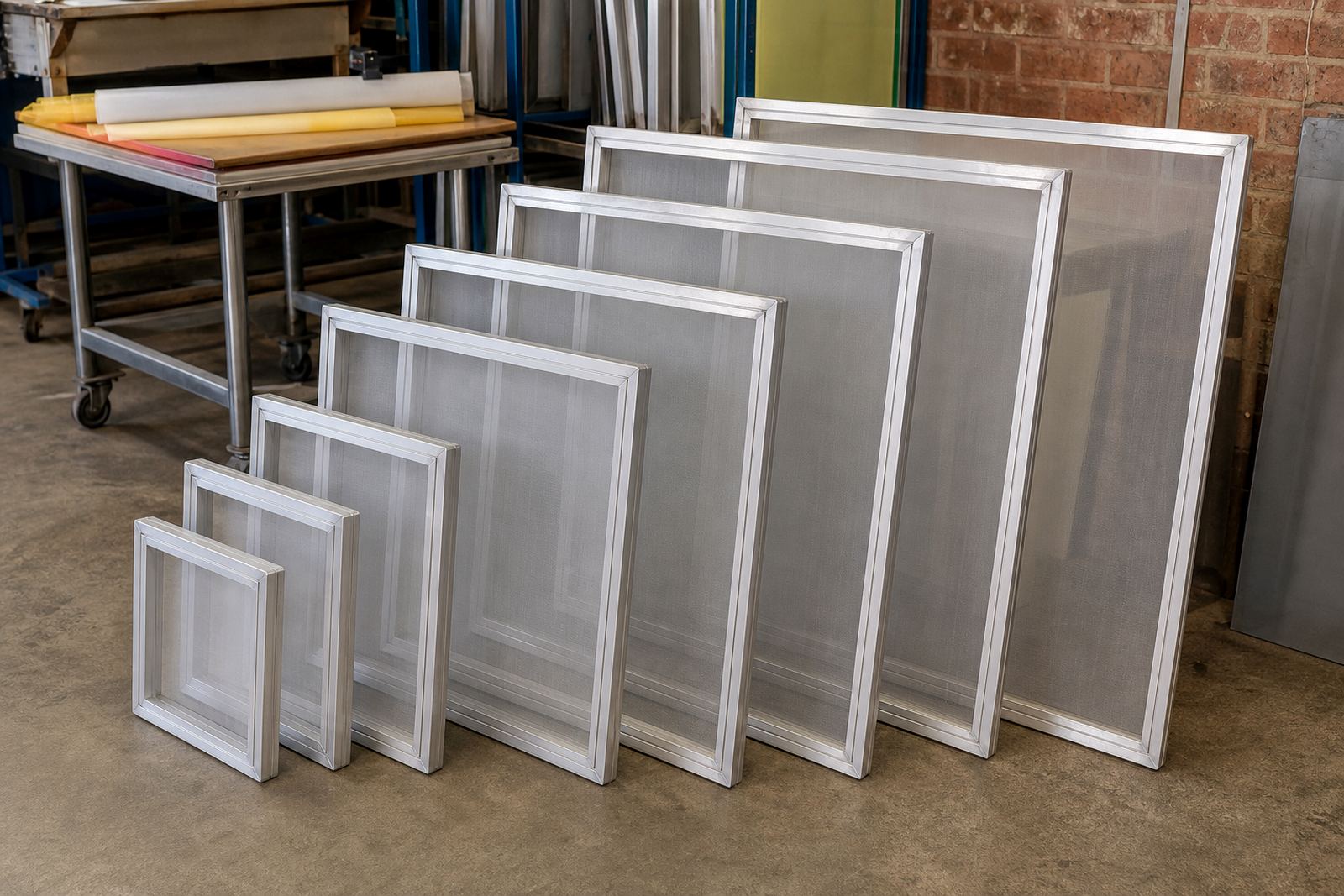
34cm Frame

34cm Frame

A compact pre-stretched frame size suited to small designs, tests and short-run sampling.

45cm Frame

45cm Frame

A practical small format frame for compact prints and bench-friendly production setups.

55cm Frame

55cm Frame

A useful mid-small frame format for print shops handling moderate image areas.

64cm Frame

64cm Frame

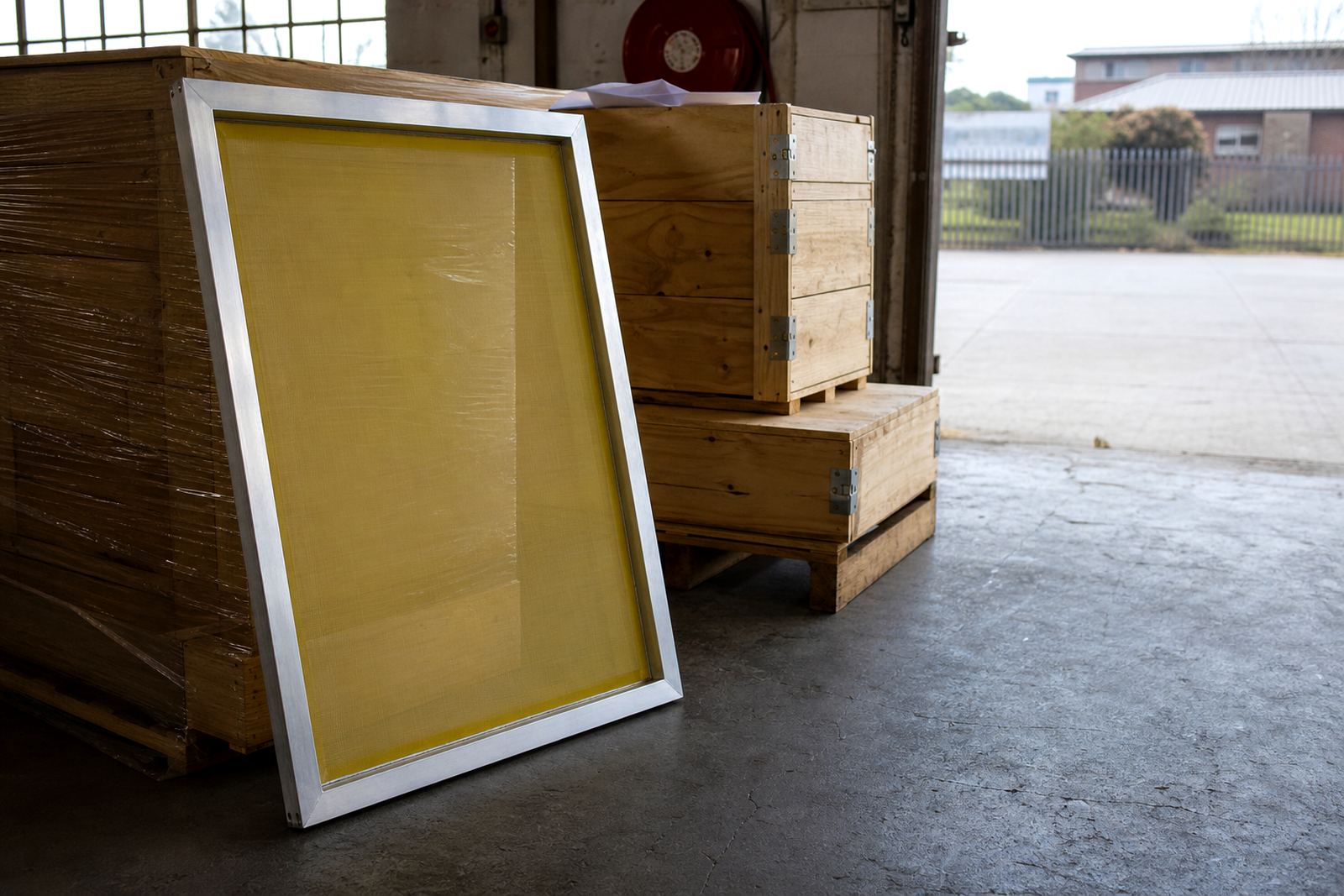
A flexible frame size for everyday work across garments, paper and flat stock.

77cm Frame

77cm Frame

A popular medium format pre-stretched frame for broad print shop use.

90cm Frame

90cm Frame

A larger format frame suited to wider prints while remaining manageable on many presses.

100cm Frame

100cm Frame

A broad working format for printers needing extra image area and stable screen support.

120cm Frame

120cm Frame

A large frame option for oversized jobs where image coverage and rigidity are important.

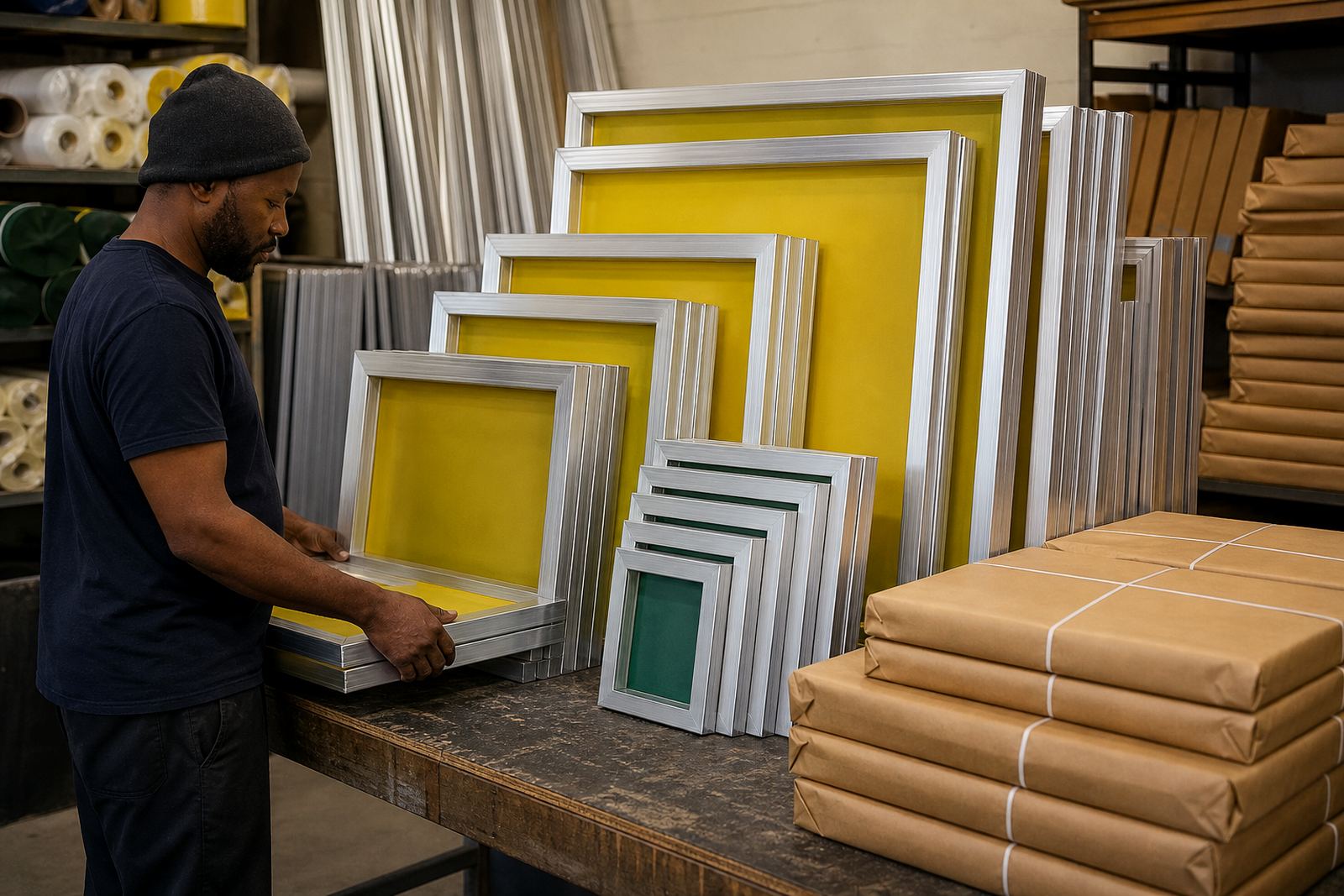
Small Square Screen

Small Square Screen

A ready-to-use square screen format for compact artwork and small production stations.

Medium Square Screen

Medium Square Screen

A general-purpose square screen built for routine print work in many shops.

Large Square Screen

Large Square Screen

A large square screen for bigger graphics that still need balanced handling.

Narrow Screen

Narrow Screen

A narrow format frame for long logos, sleeve prints and slim image layouts.

Wide Screen

Wide Screen

A wide screen format for broad artwork areas and larger substrate coverage.

Deep Profile Frame

Deep Profile Frame

A stronger aluminium profile option often preferred where added frame rigidity is useful.

Light Profile Frame

Light Profile Frame

A lighter frame style for easier handling in shops doing regular screen changes.

Textile Screen

Textile Screen

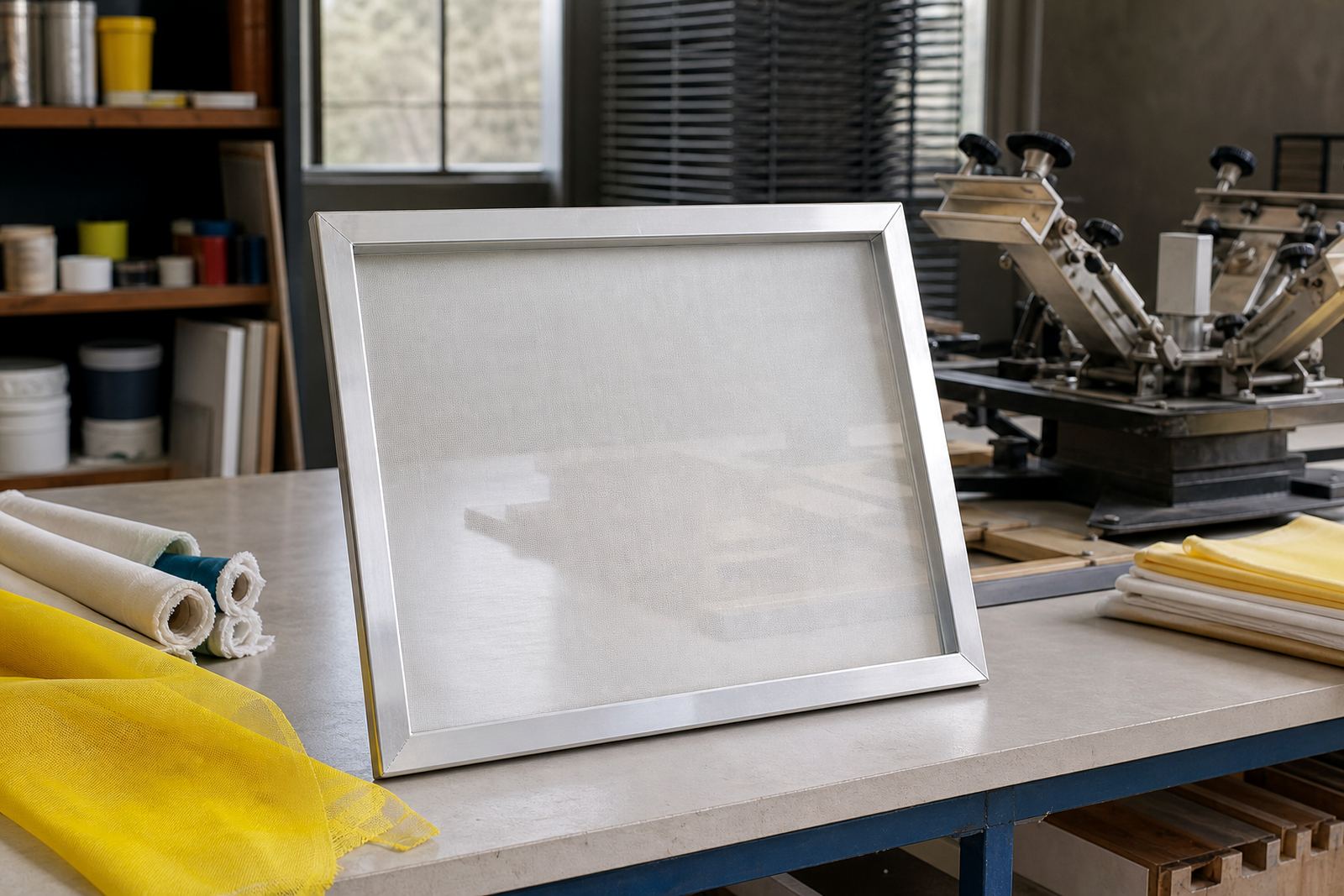
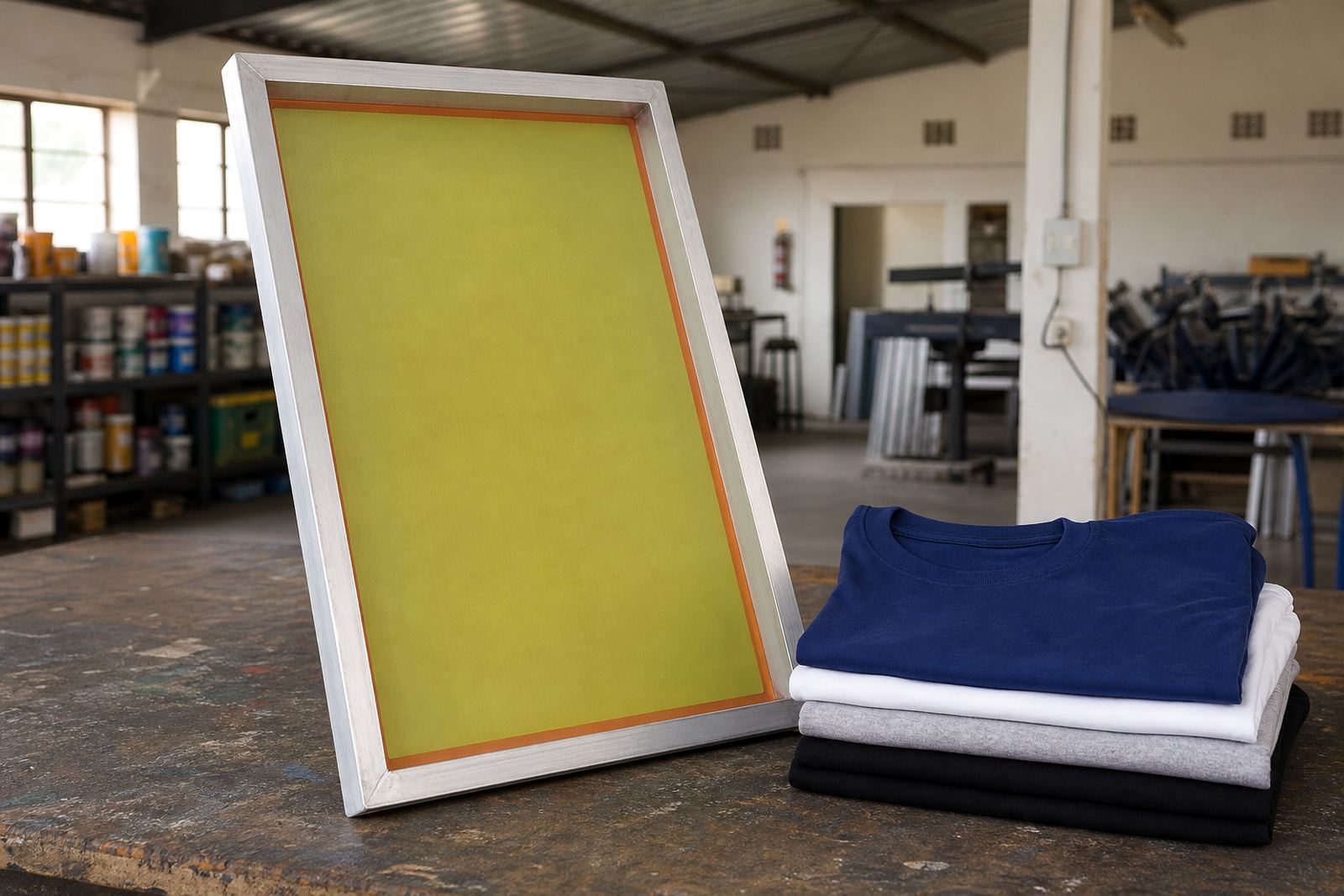
A pre-stretched screen configured for common textile printing requirements and repeat use.

Paper Screen

Paper Screen

A screen option suited to paper and board printing where cleaner detail is often desired.

Signage Screen

Signage Screen

A durable screen for signage-related work where repeatability and steady mesh support matter.

Fine Detail Screen

Fine Detail Screen

A ready screen aimed at artwork demanding sharper edges and more controlled ink deposit.

Bold Coverage Screen

Bold Coverage Screen

A screen style selected where stronger coverage and more generous ink flow are needed.

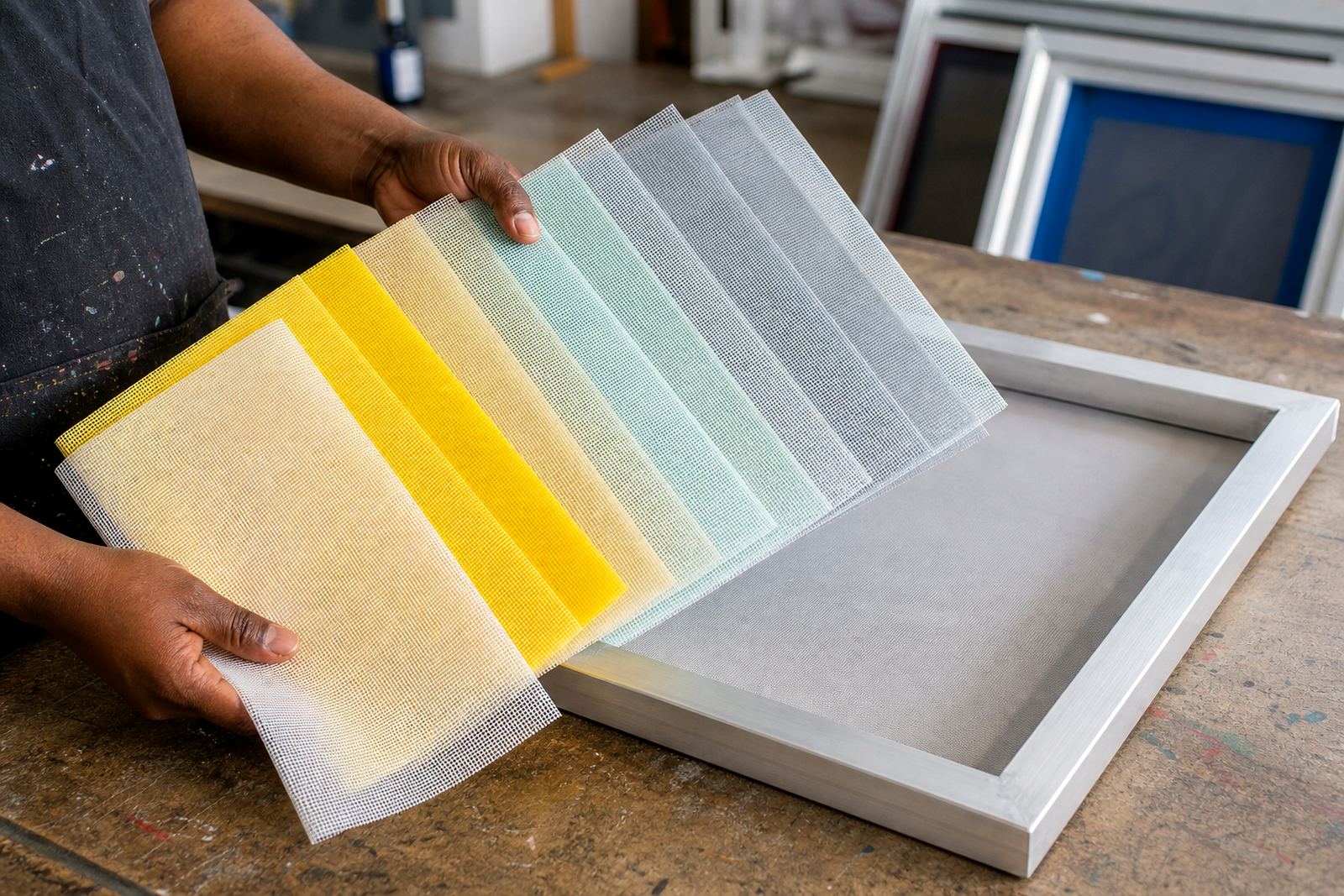
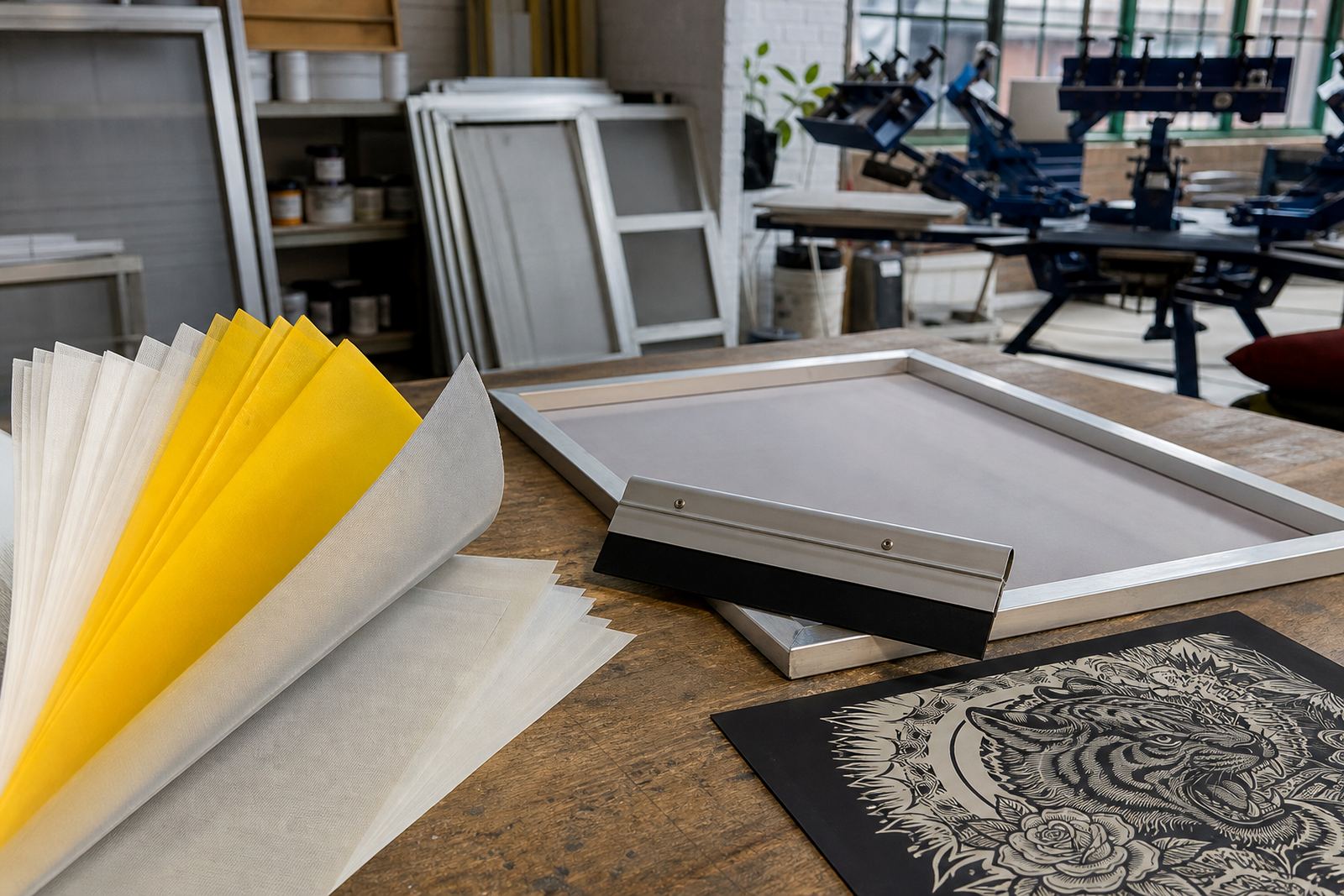
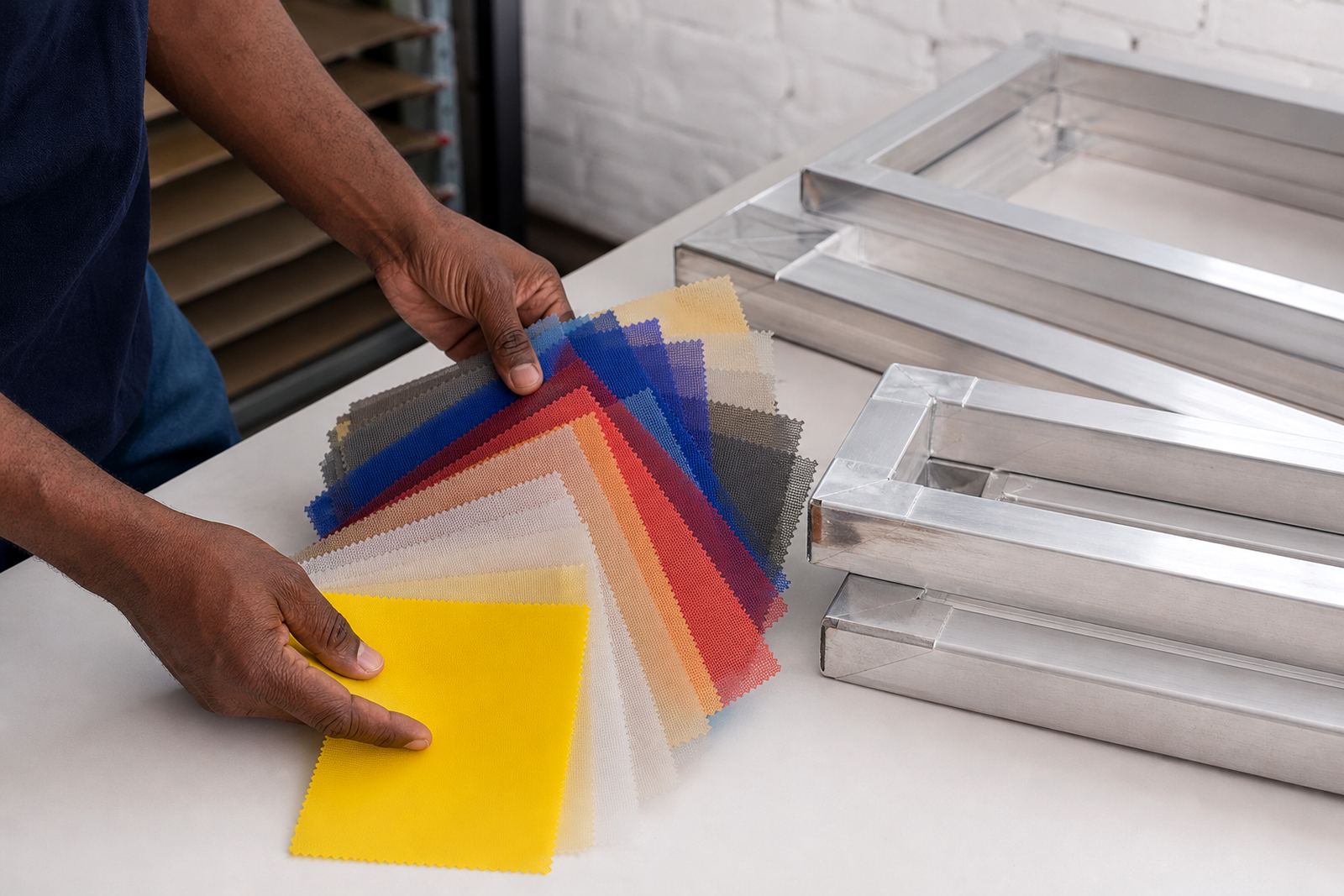
Mesh Sample Pack

Mesh Sample Pack

A practical way to compare common mesh counts before standardising for production work.

Starter Frame Kit

Starter Frame Kit

A basic combination of pre-stretched screens for new shops building an initial screen set.

Shop Essentials Set

Shop Essentials Set

A practical bundle of commonly requested screen formats for daily production needs.

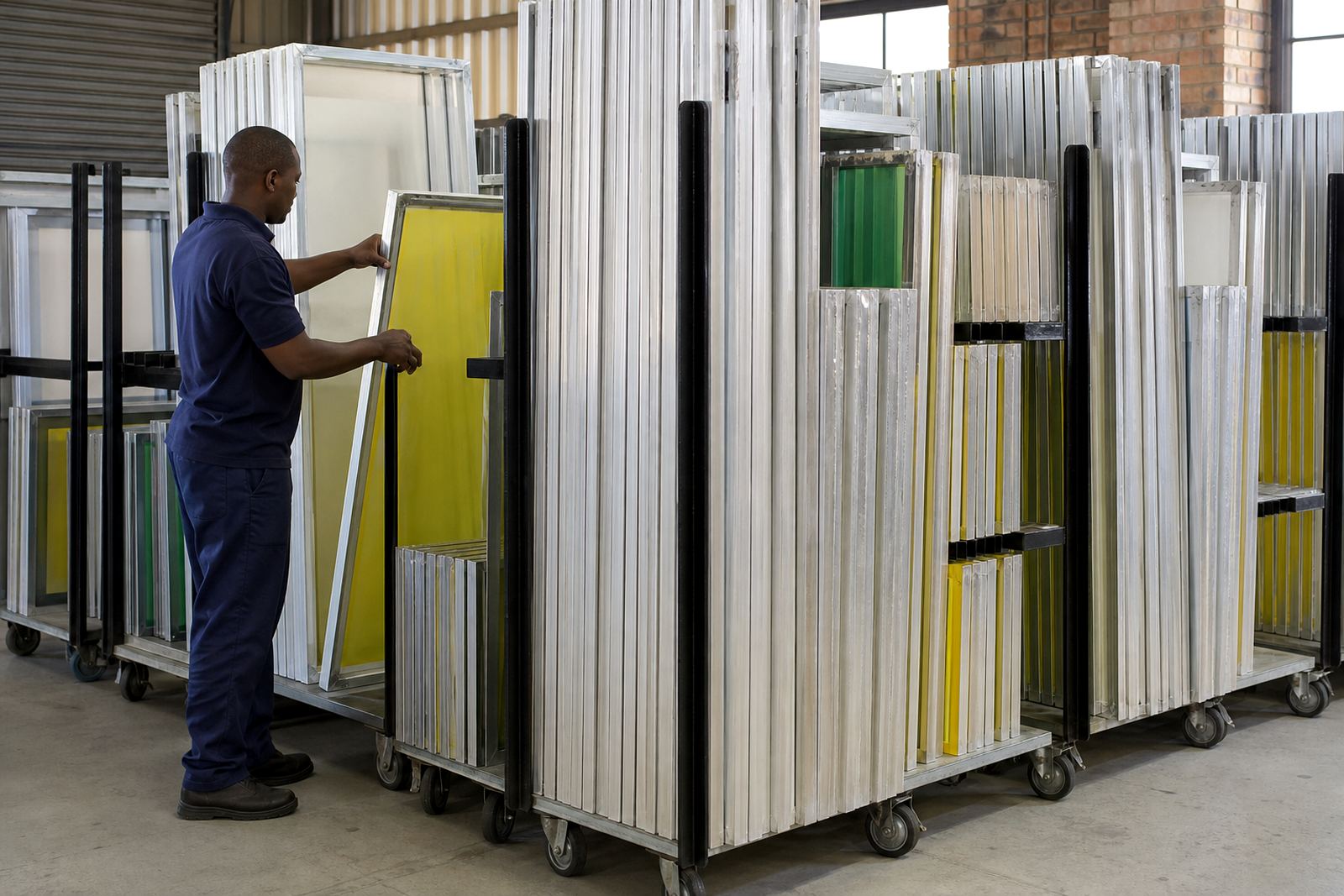
Repeat Order Screen

Repeat Order Screen

A dependable replacement screen option for shops standardising around proven formats.

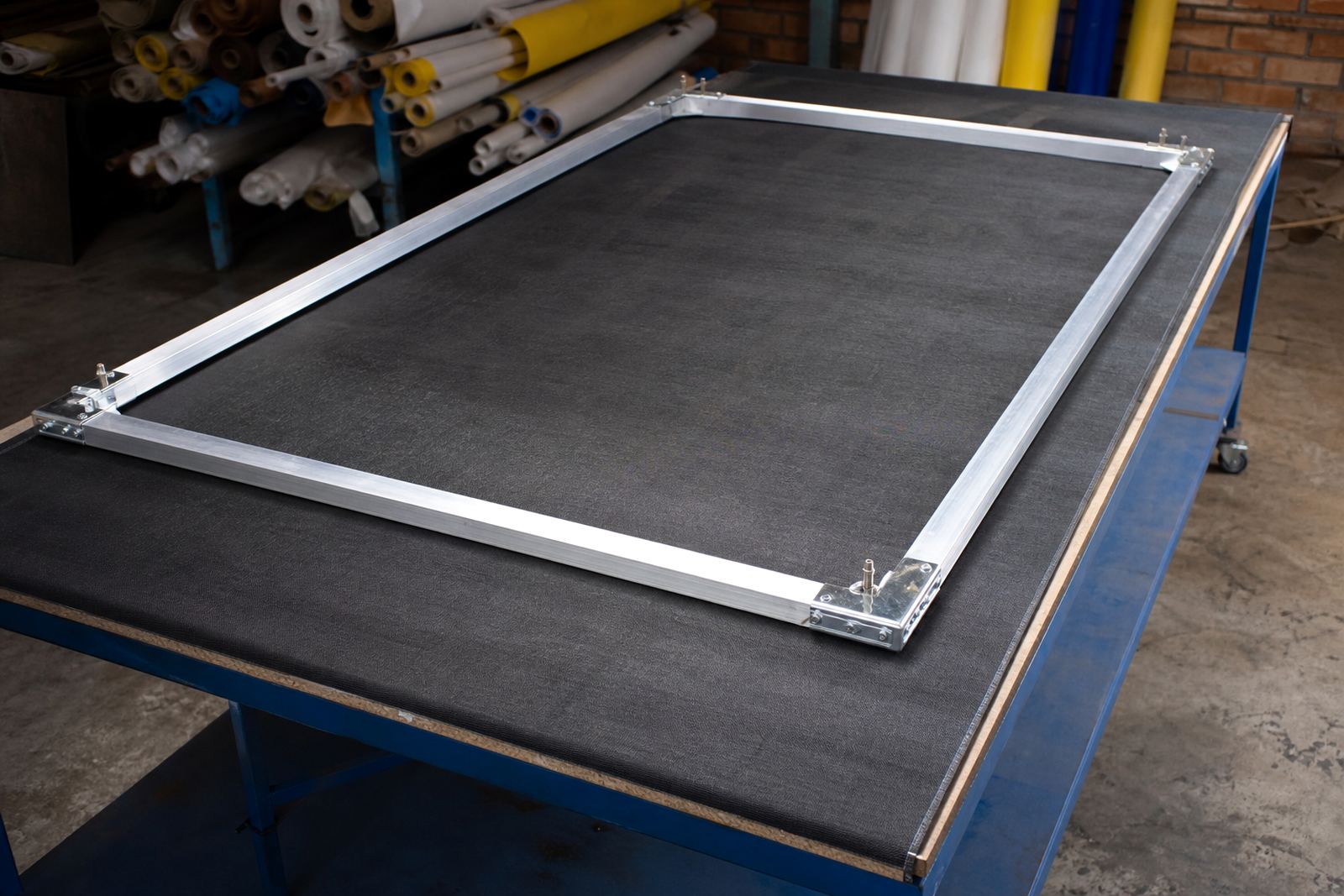
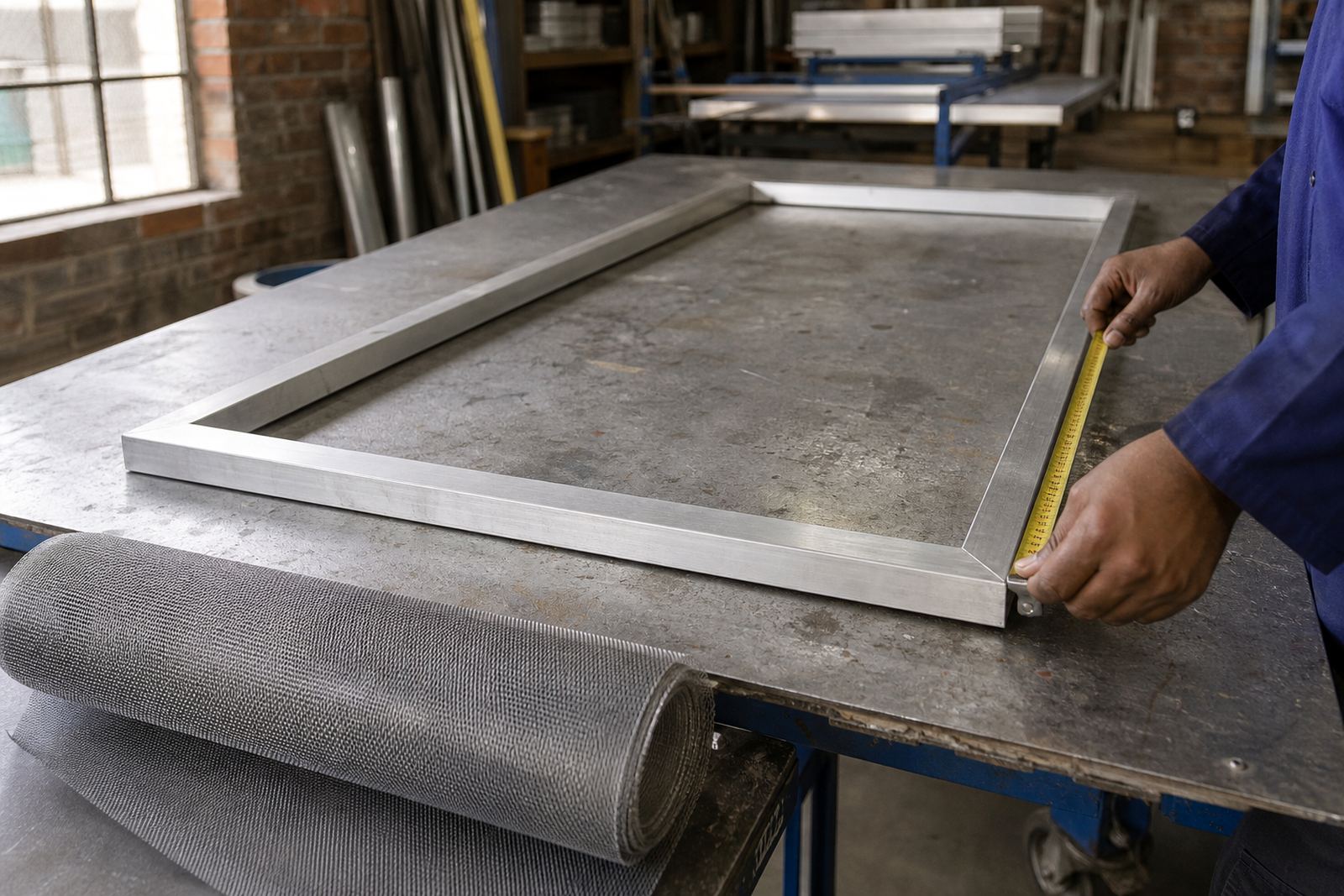
Custom Size Frame

Custom Size Frame

A made-to-order aluminium frame for print areas that do not suit standard screen sizes.

Mesh Counts For Different Printing Jobs

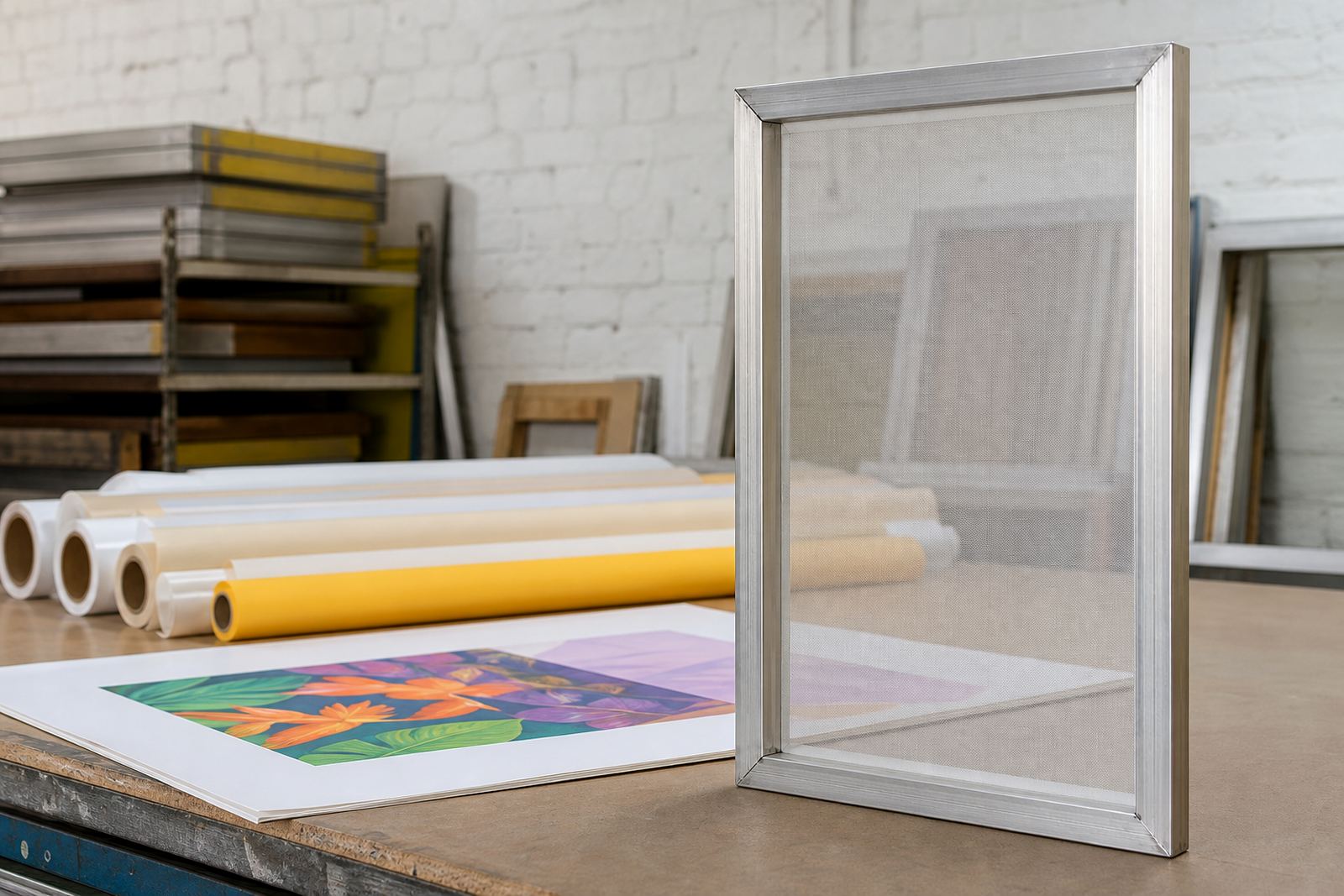
Screen mesh choice affects ink deposit, detail and release. Lower mesh counts carry more ink and suit thicker inks, blocks and bold graphics. Higher mesh counts hold finer detail and are better when the image has small text, halftones or a smoother finish. For textile work, many print shops move between medium and higher mesh counts depending on ink type and garment colour. For paper and signage, the right count depends on whether you need coverage or sharp linework.

In practice, the screen needs to suit the job rather than the other way round. A mesh that is too open can flood the print, while one that is too fine can starve the stencil and slow production. In humid coastal conditions, especially around Durban and Gqeberha, mesh behaviour and drying times can shift a bit, so matching the count to the workshop conditions matters too.

Pre-Stretched Aluminium Frames That Hold Their Shape

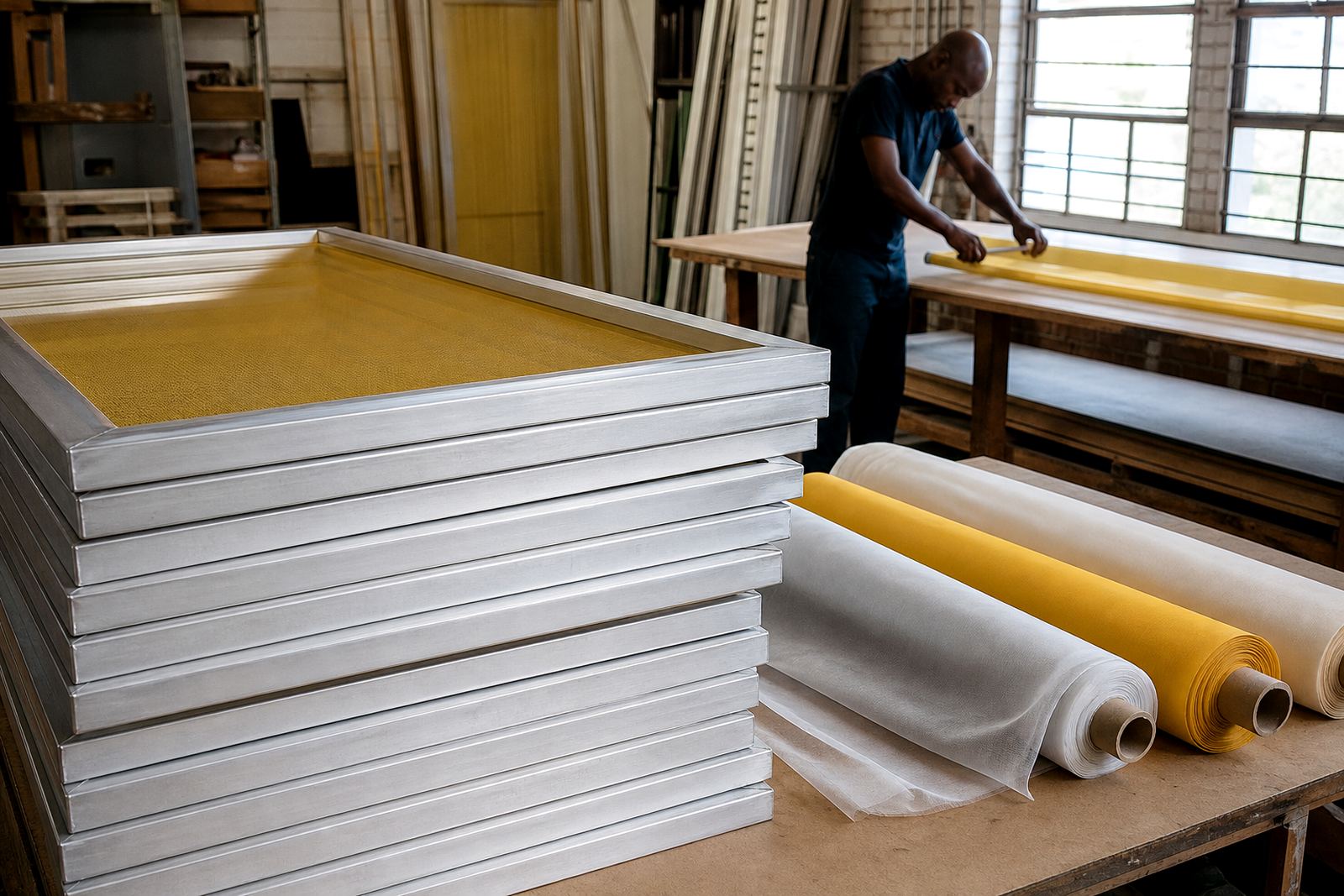
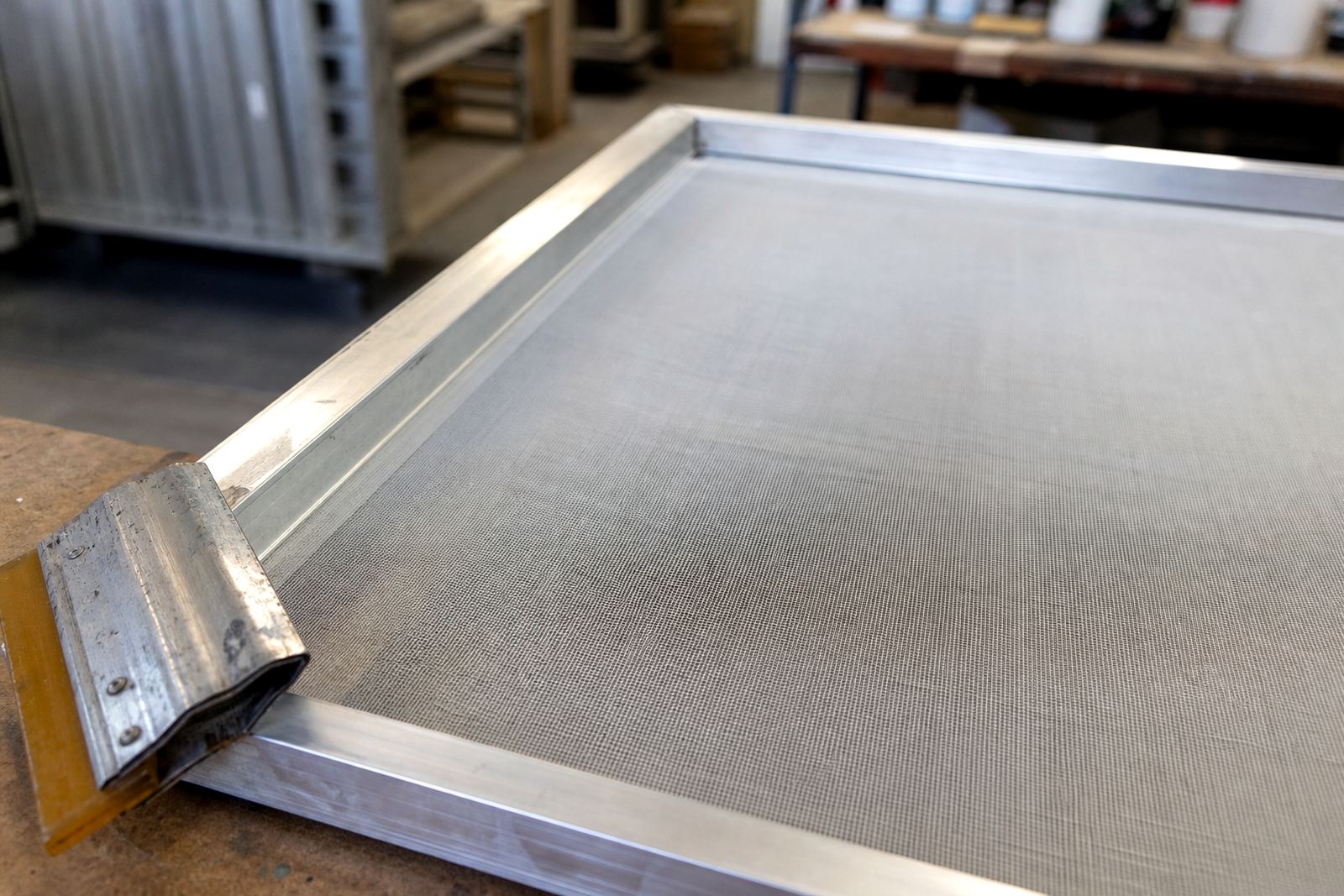
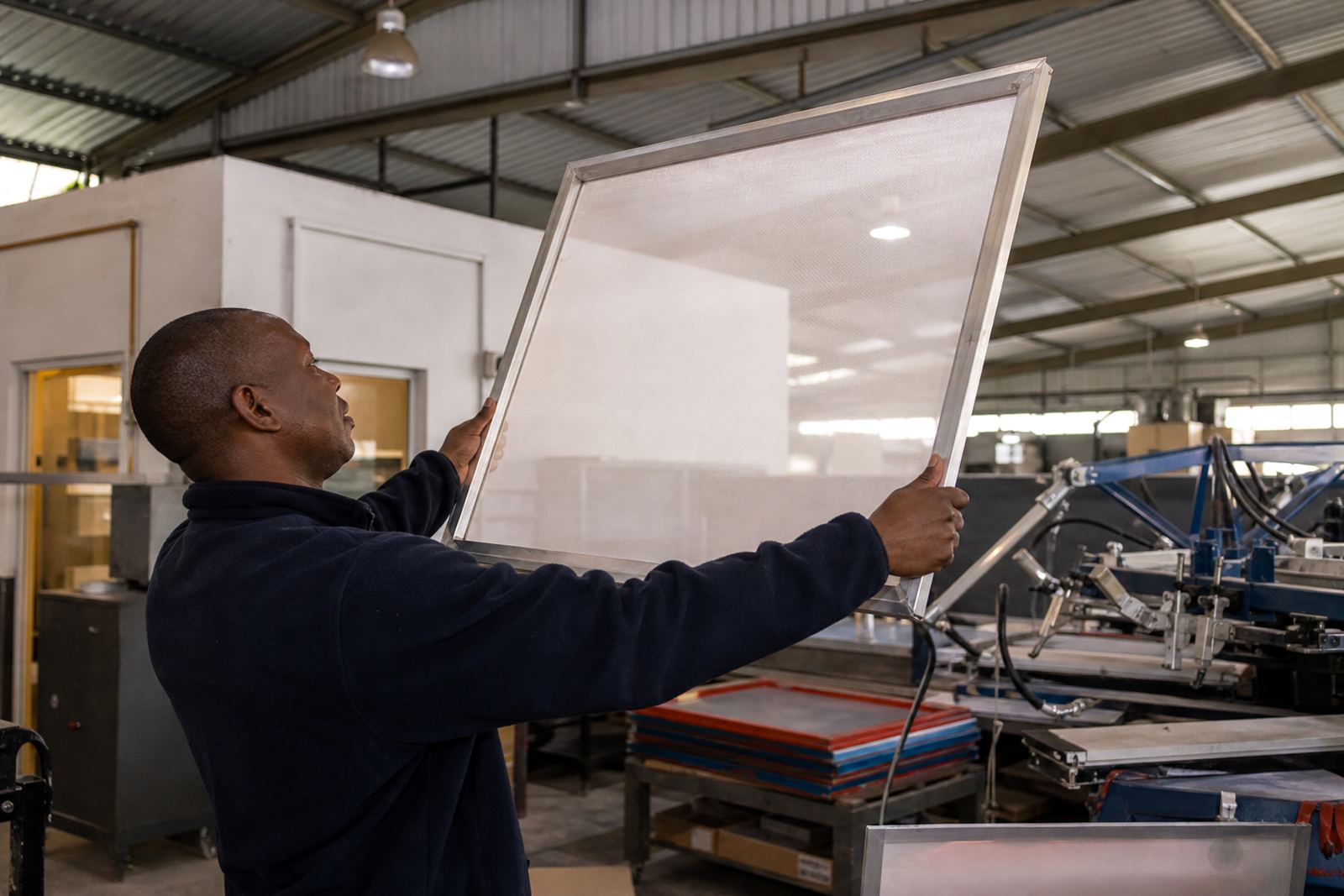
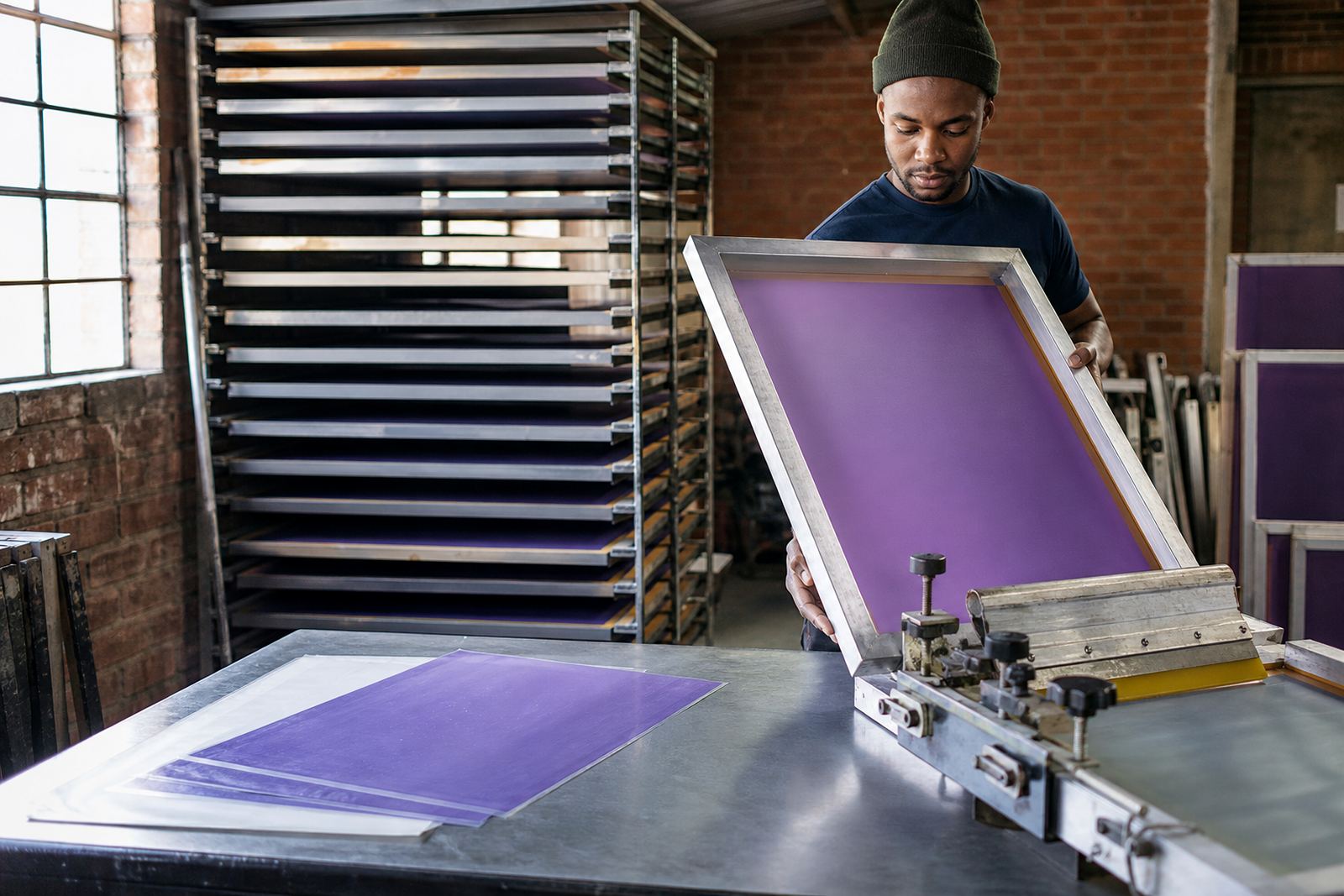
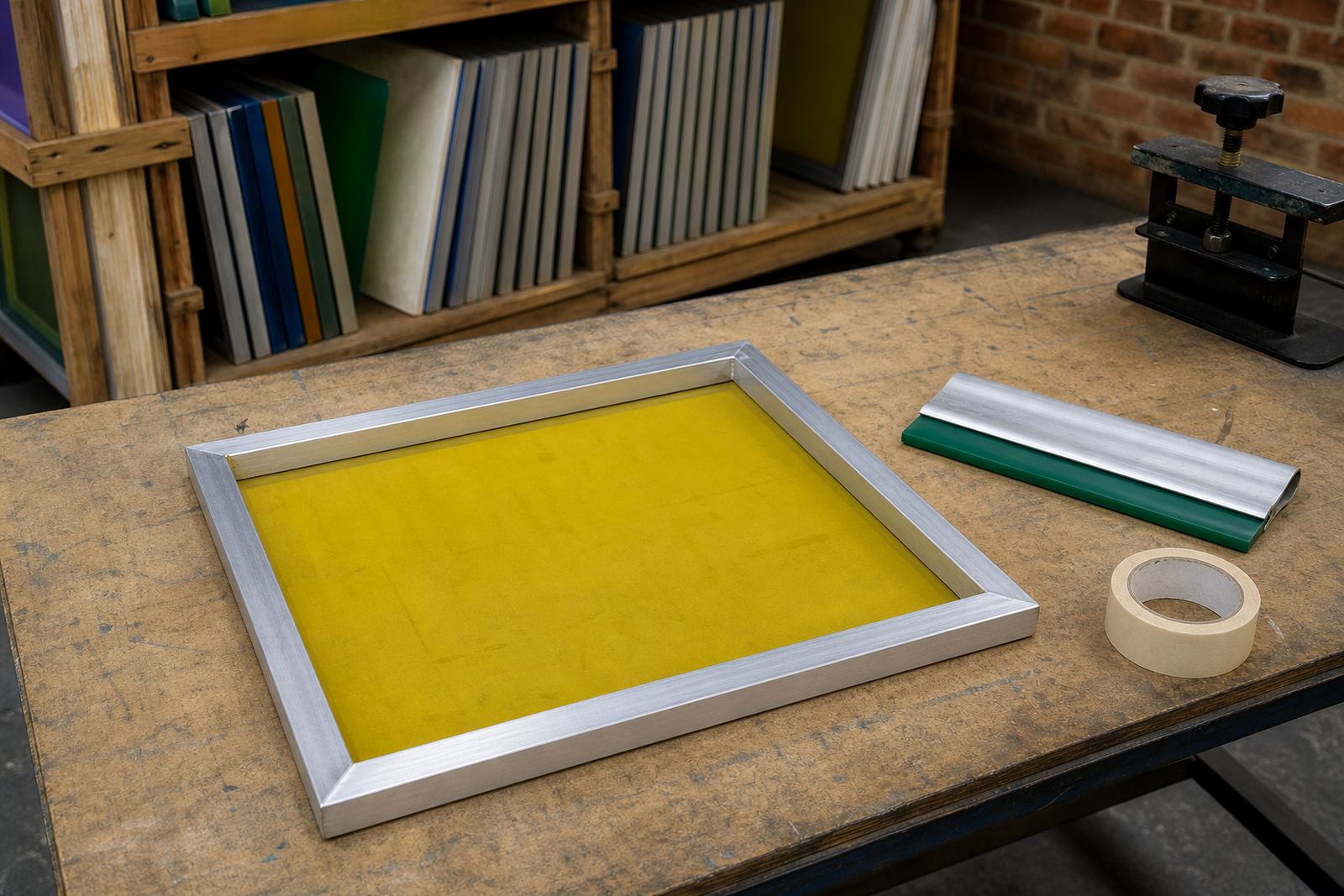
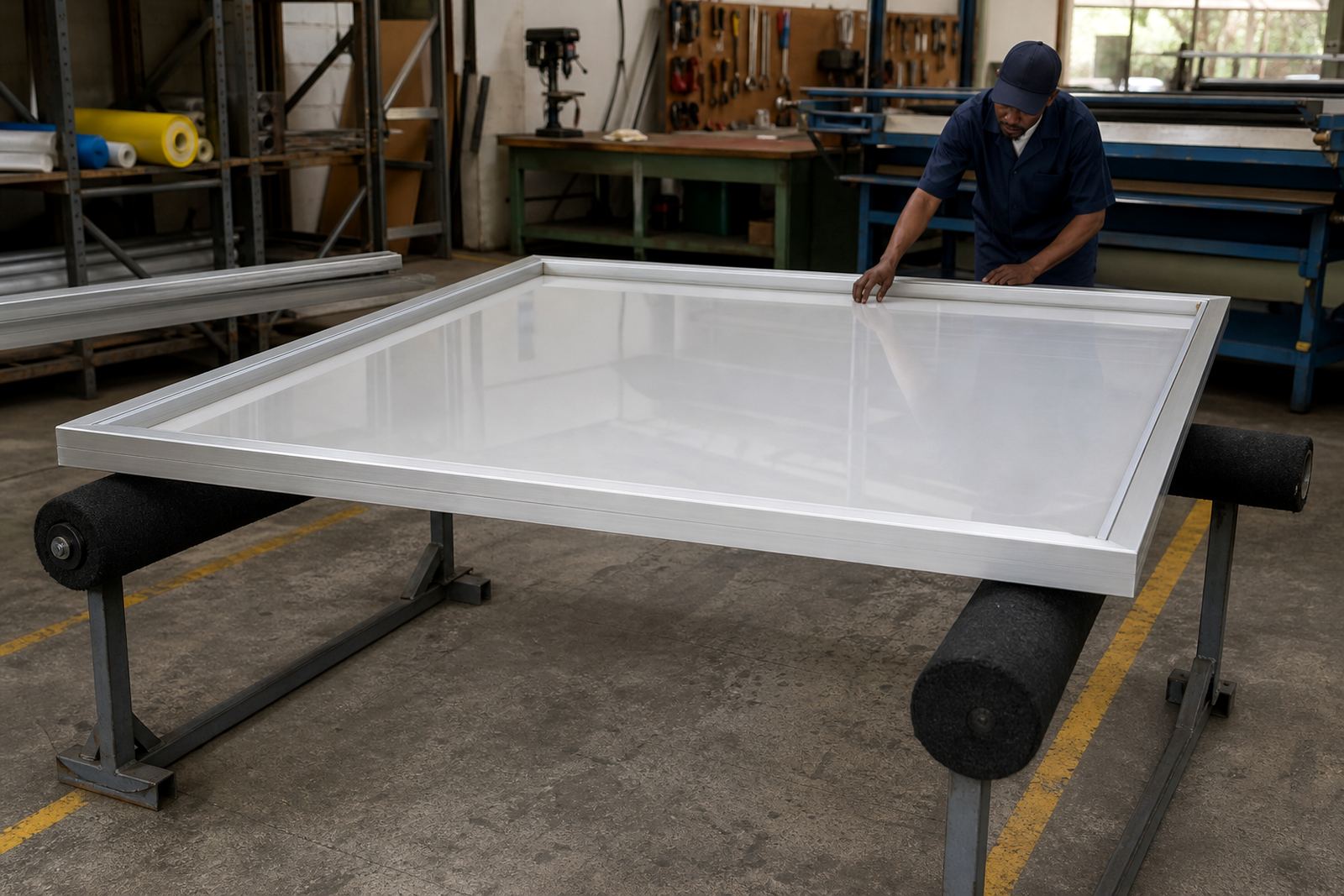
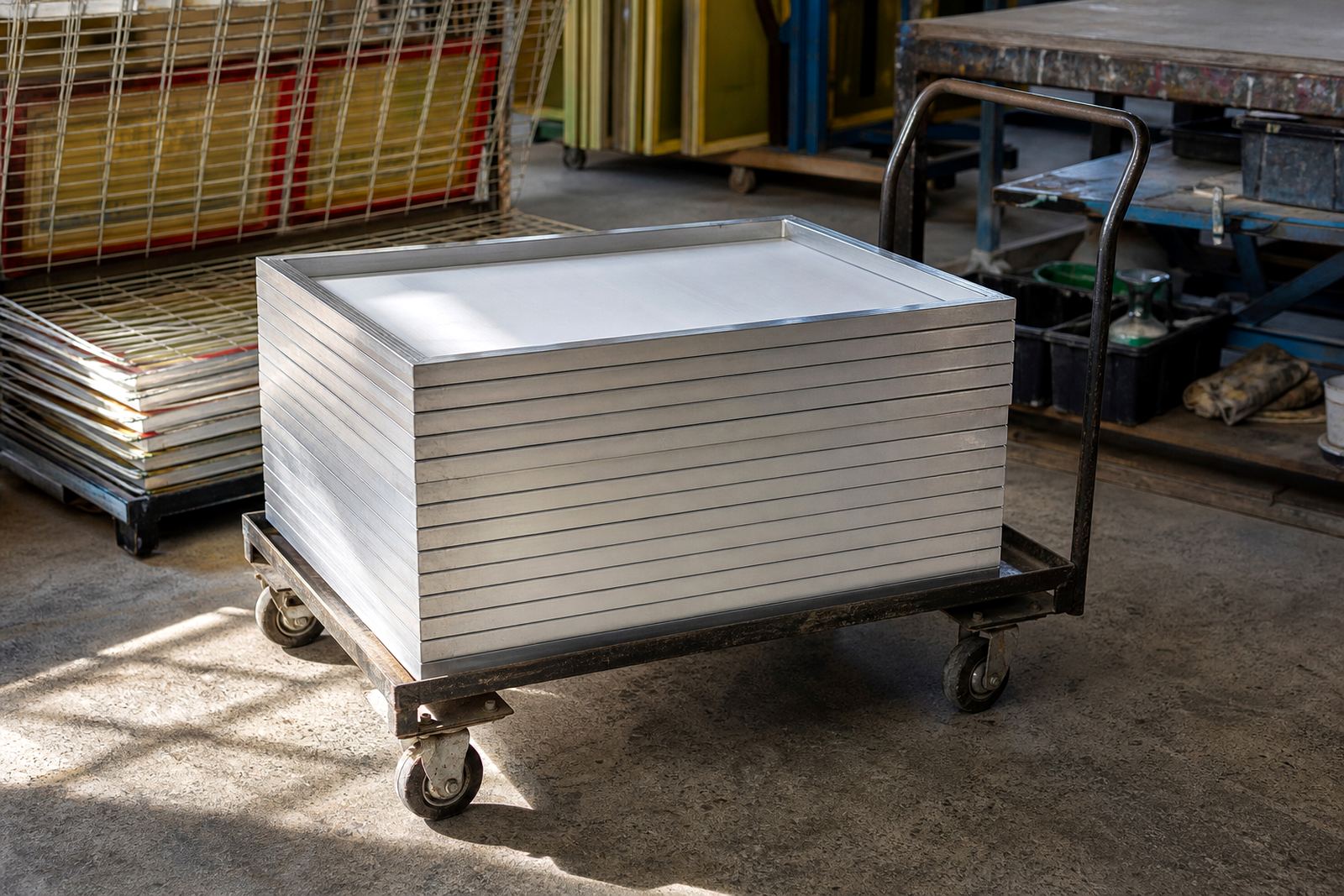
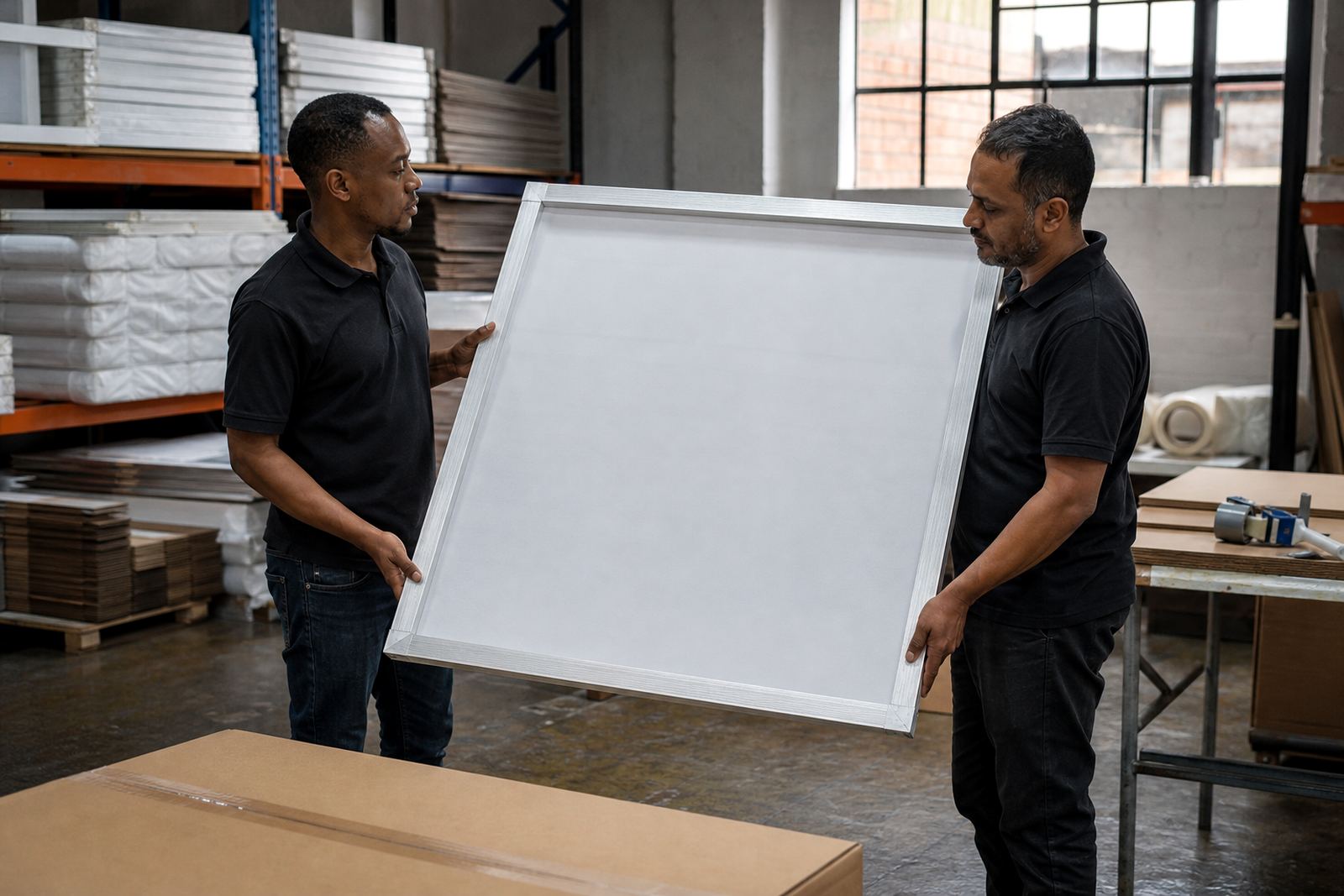
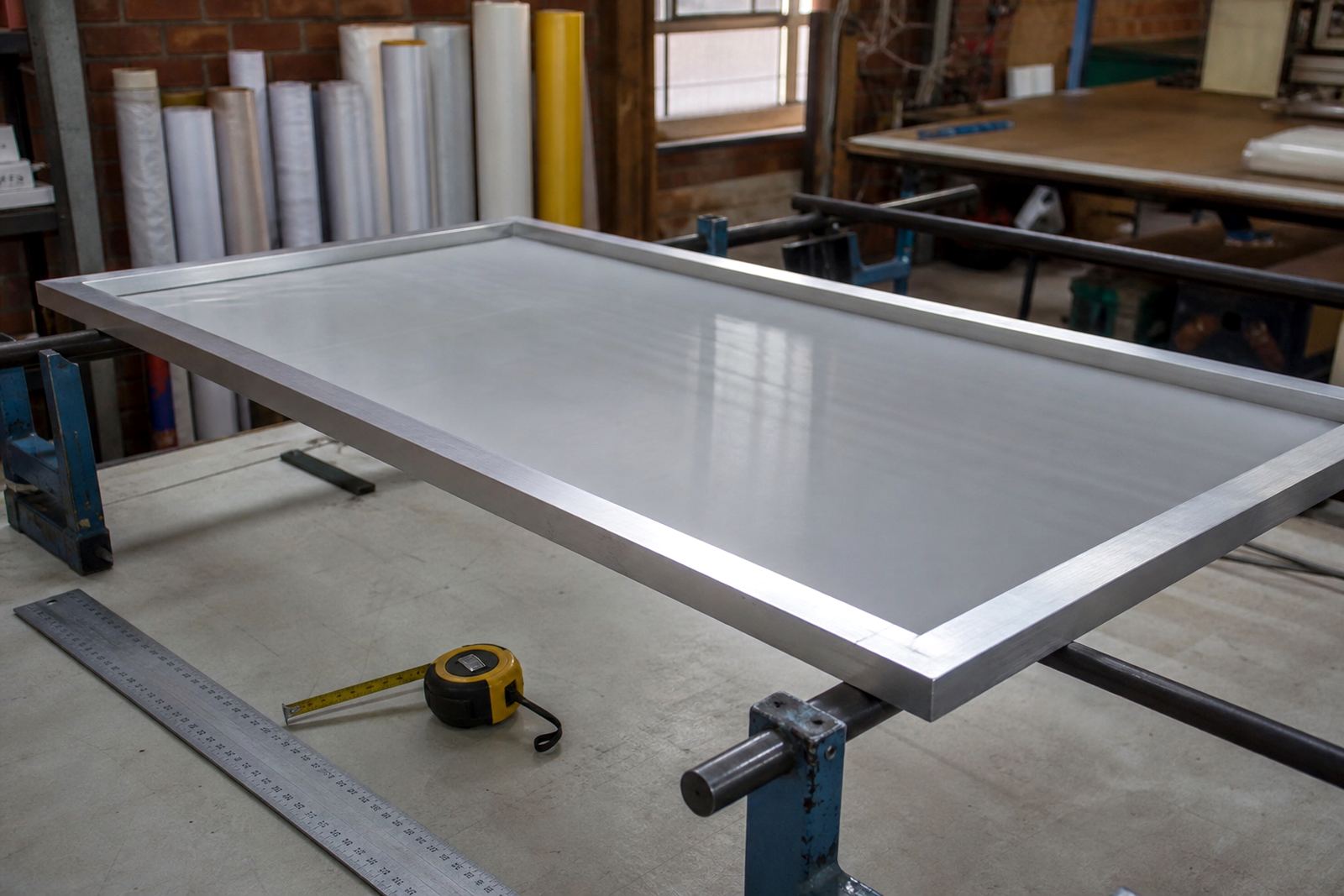
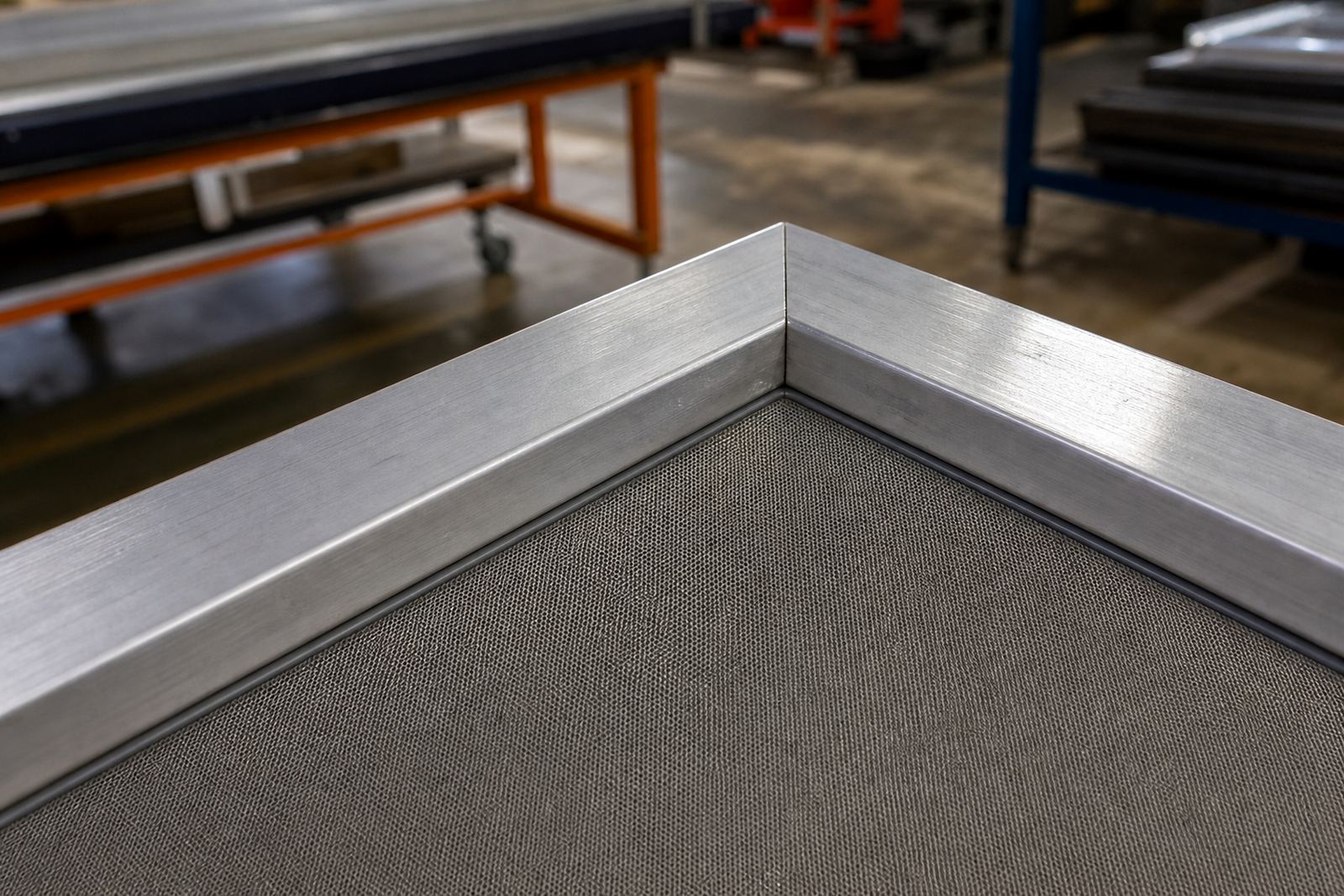
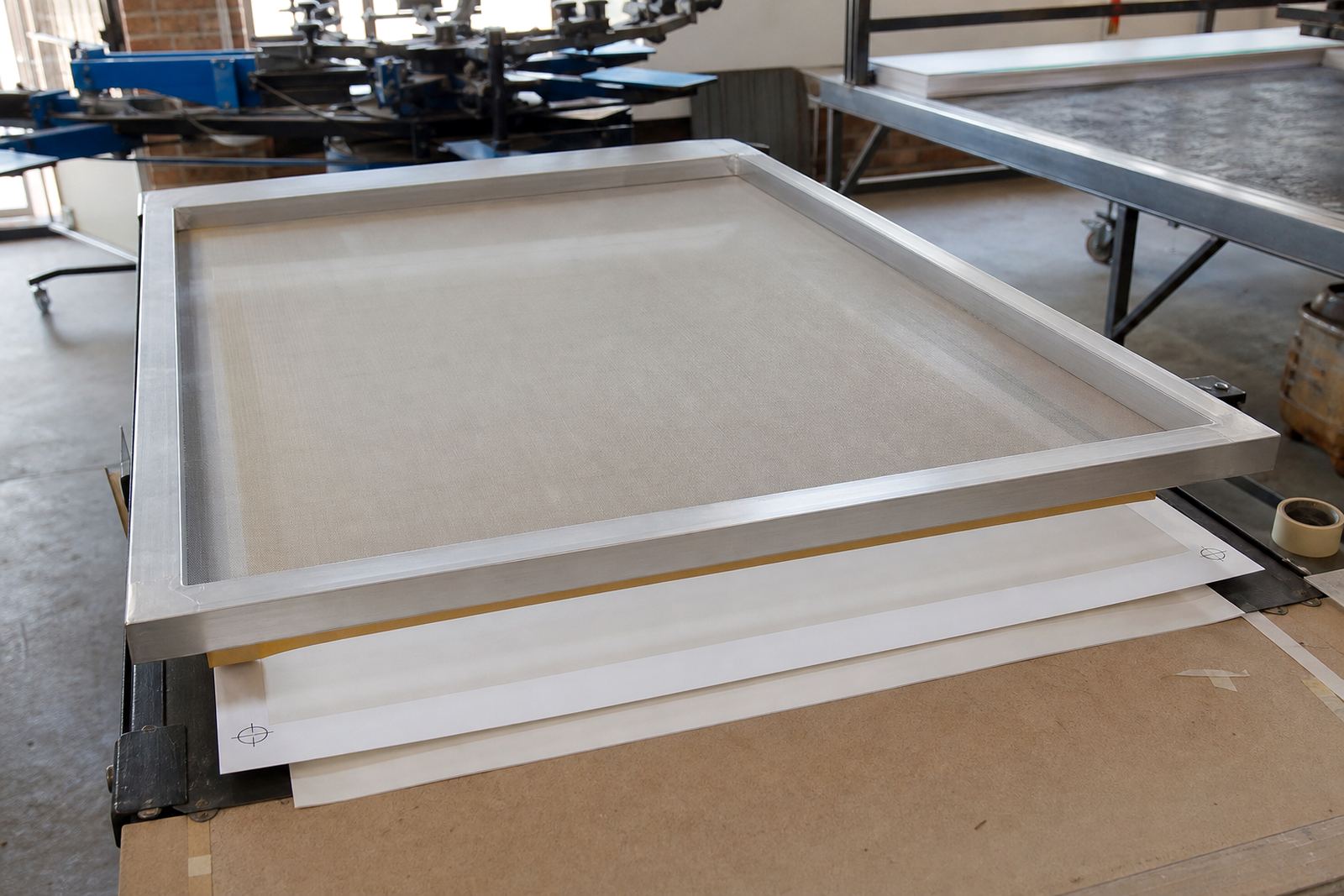
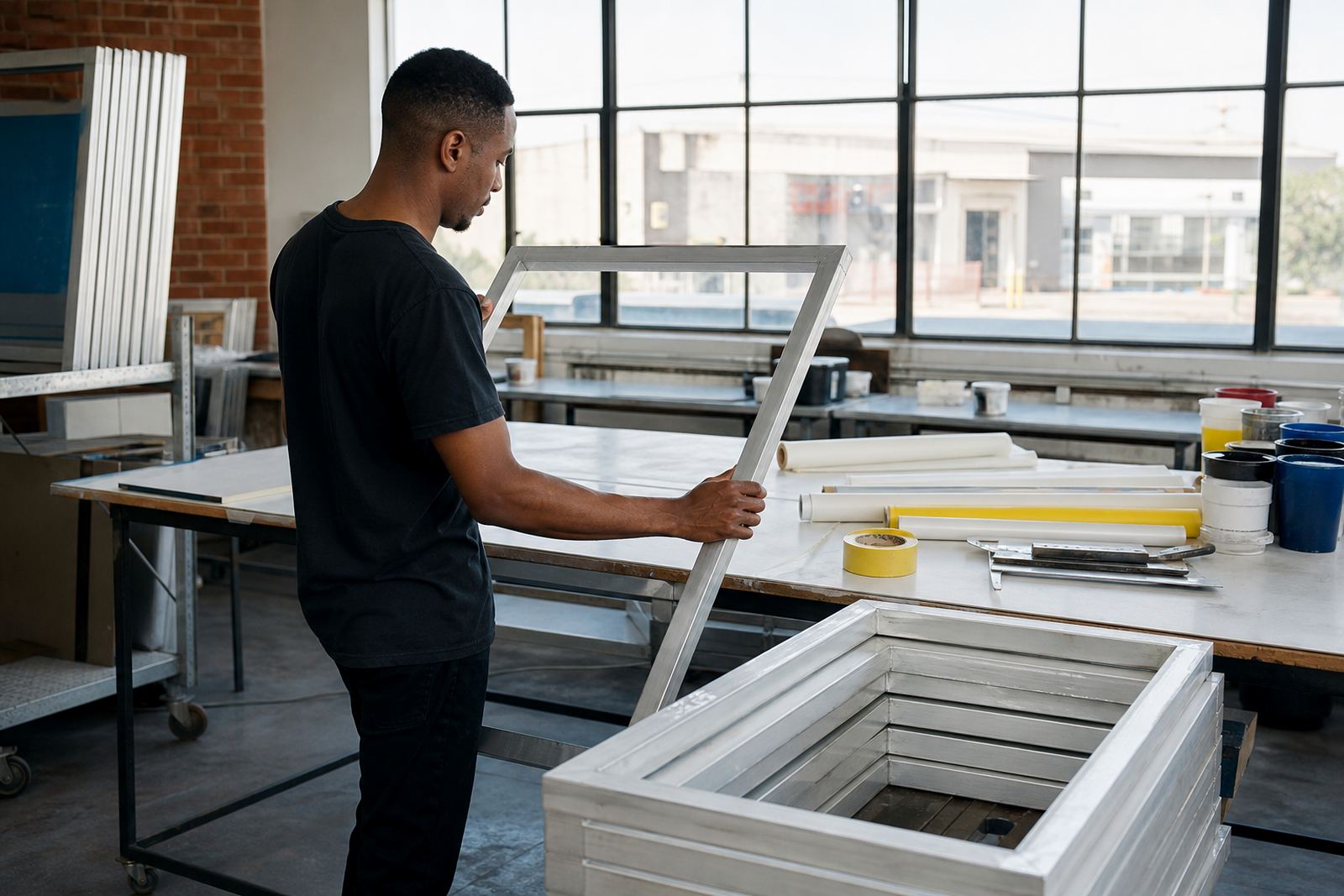
Pre-stretched aluminium frames give a stable base for consistent printing. Aluminium is light to handle, resists twisting and works well for repeat use in busy shops. Proper frame sizing helps with press setup, off-contact distance and screen clearance, which is important when you need dependable registration across a batch. For larger formats or frequent use, a well-made frame can save time during setup and rework.

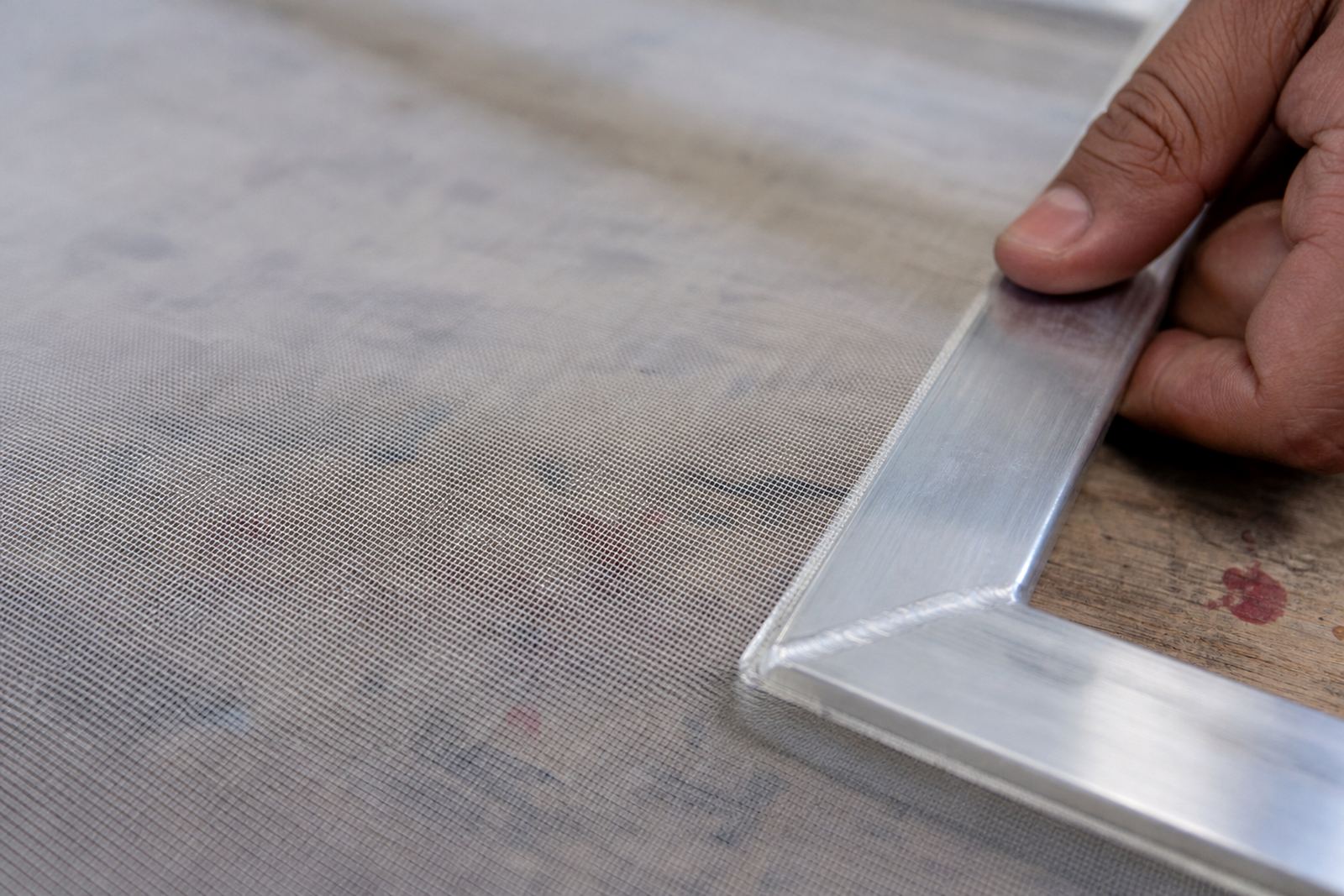
Frame condition also affects print quality. A clean, square frame helps the mesh sit evenly and keeps tension more uniform across the screen. If a frame has been used before, re-stretching can be worthwhile where the structure is still sound and the mesh itself has lost tension. That is often a practical option for shops trying to keep screens in service without starting from scratch.

How To Match Mesh, Frame And Ink

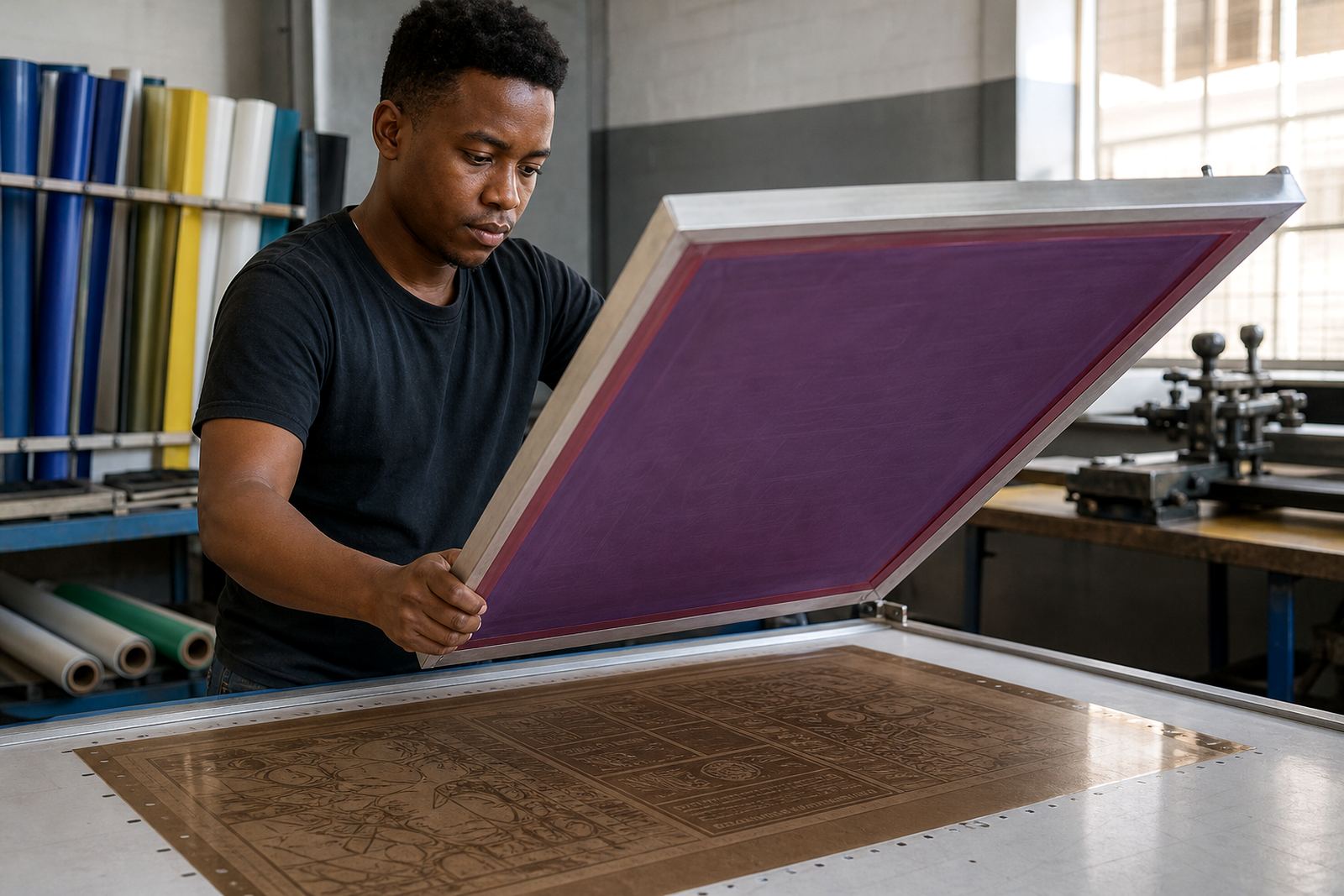
The right screen setup depends on ink thickness, artwork detail and substrate. Textile inks usually need different mesh behaviour from solvent or water-based inks used on paper, boards or specialty signage work. A stronger stencil setup is often useful for longer runs, while finer designs need careful tension and clean mesh openings. If the mesh count and frame size are matched well, the screen prints more predictably and cleans up easier between runs.

  • Use lower counts for heavier ink deposits and block areas.
  • Use higher counts for detail, halftones and smoother finishes.
  • Choose frame sizes that suit your press and artwork area.
  • Check tension before exposing and again before print runs.
  • Allow for local heat, humidity and drying space in the workshop.

Stretching, Re-Stretching And Tension Checking

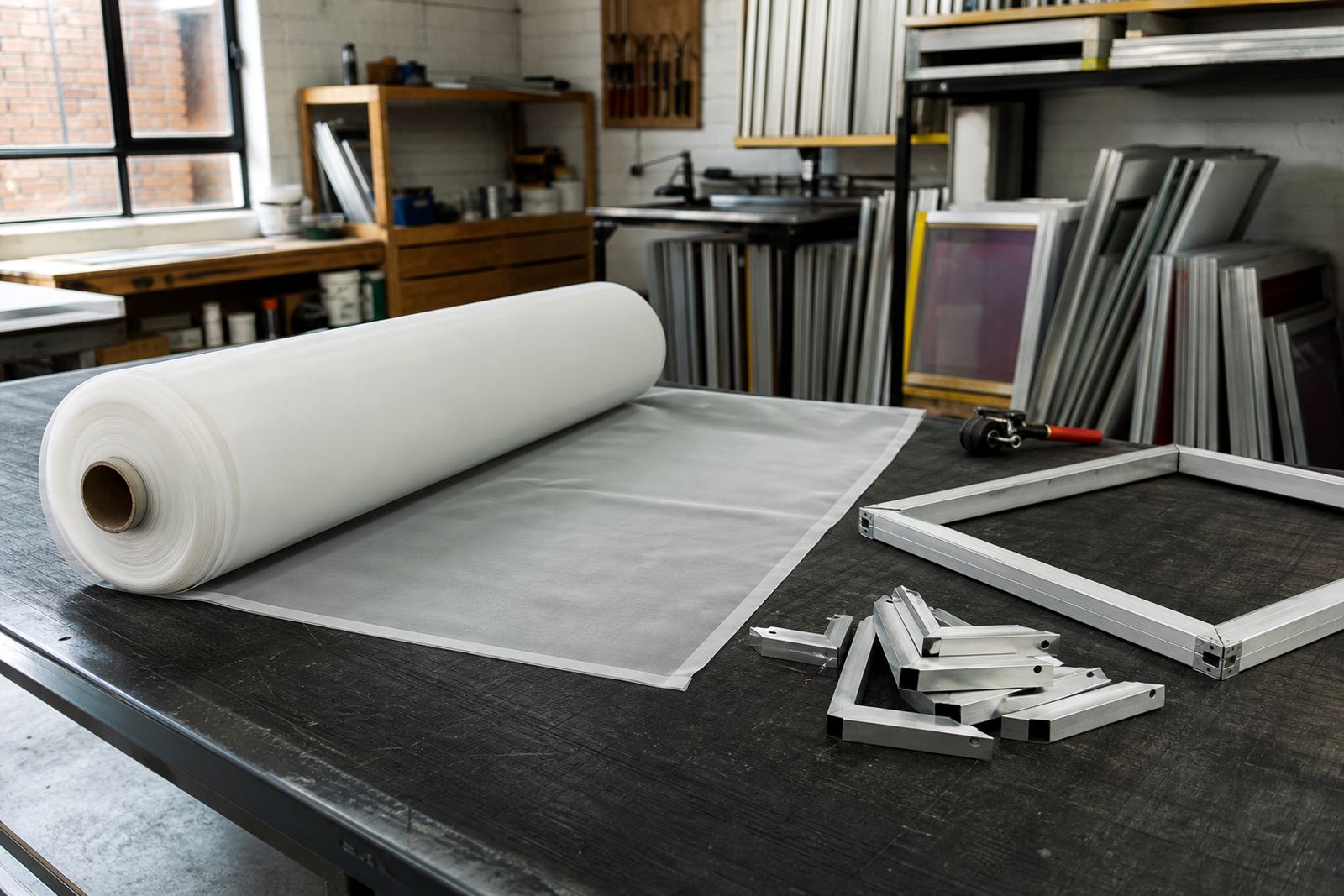
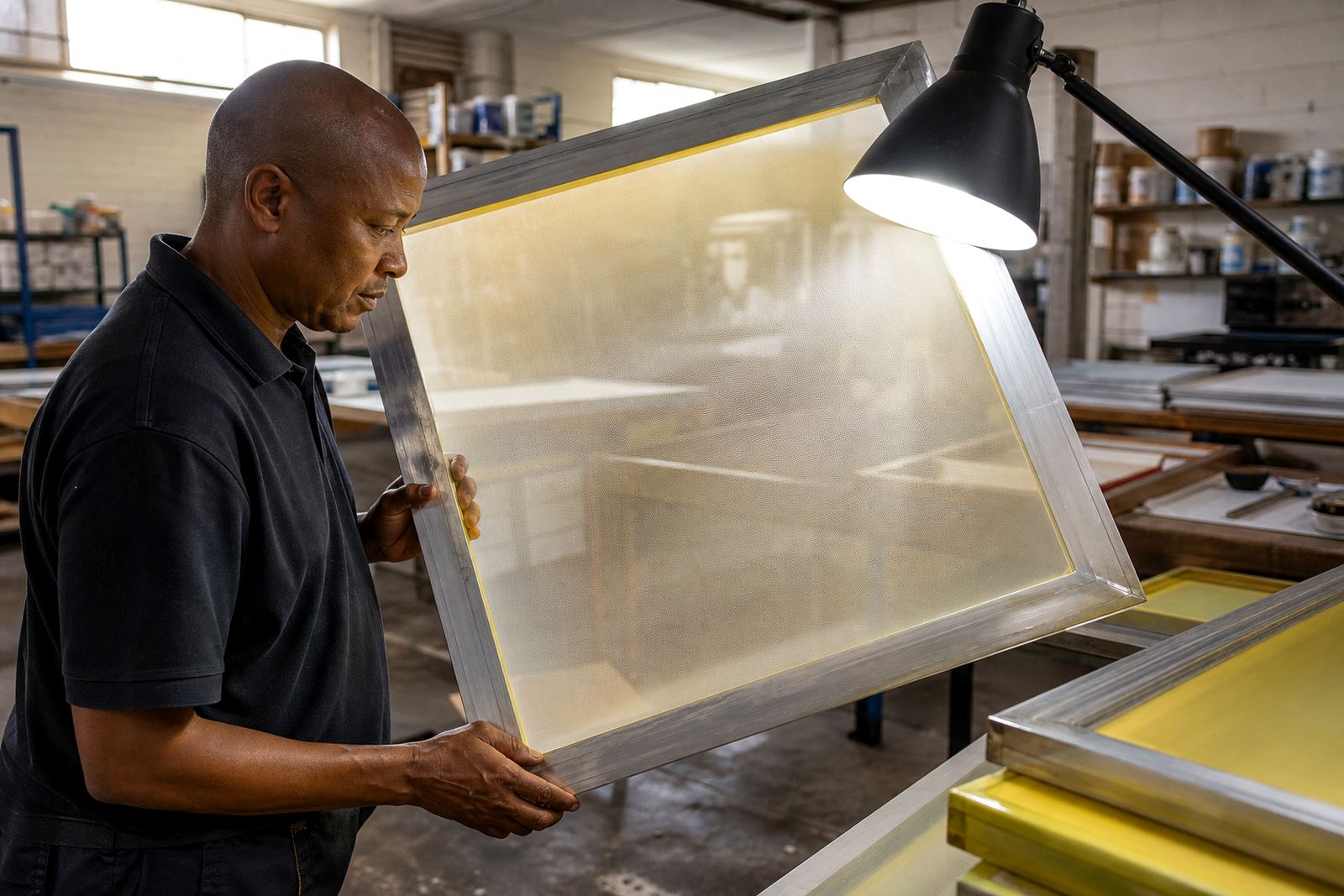
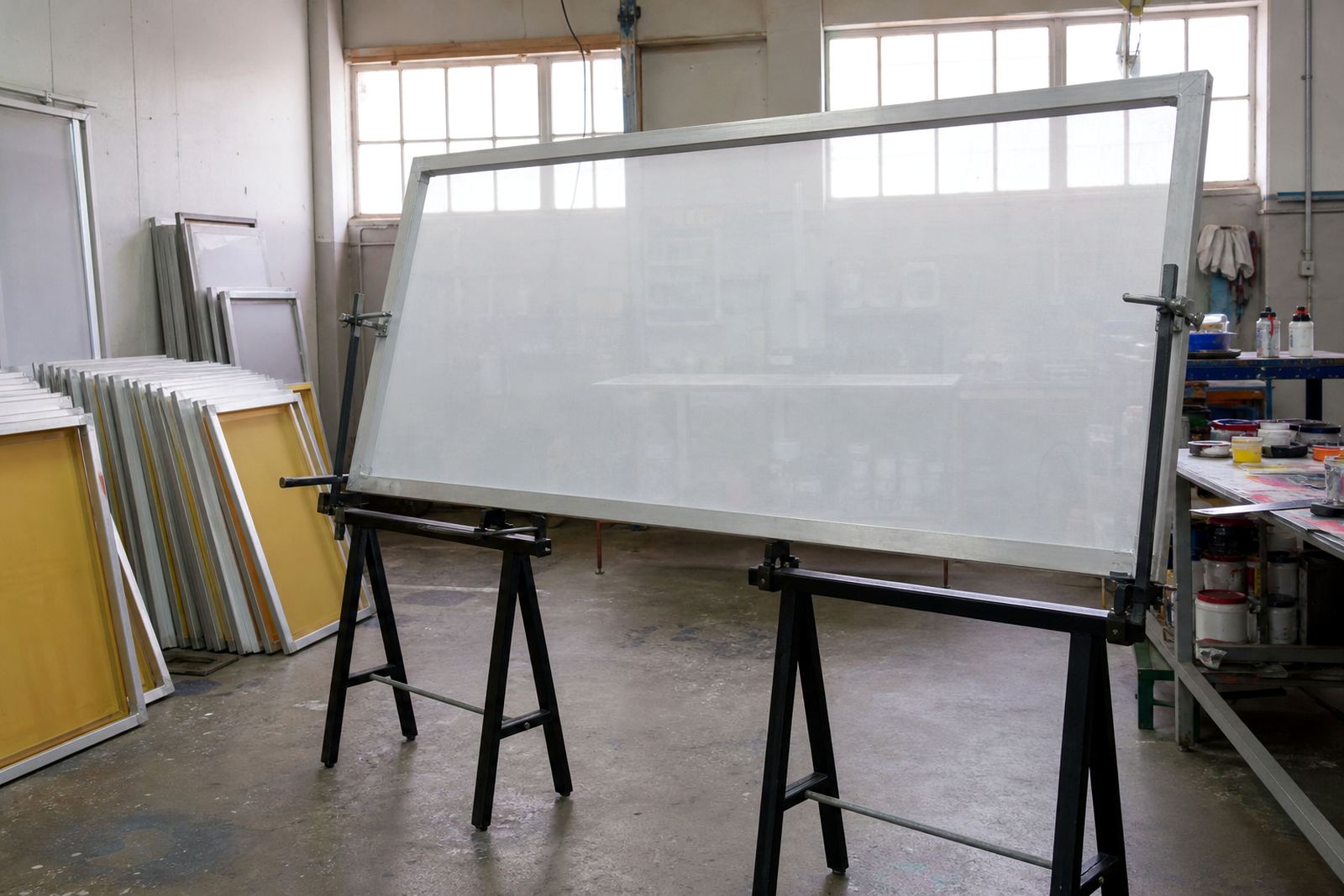
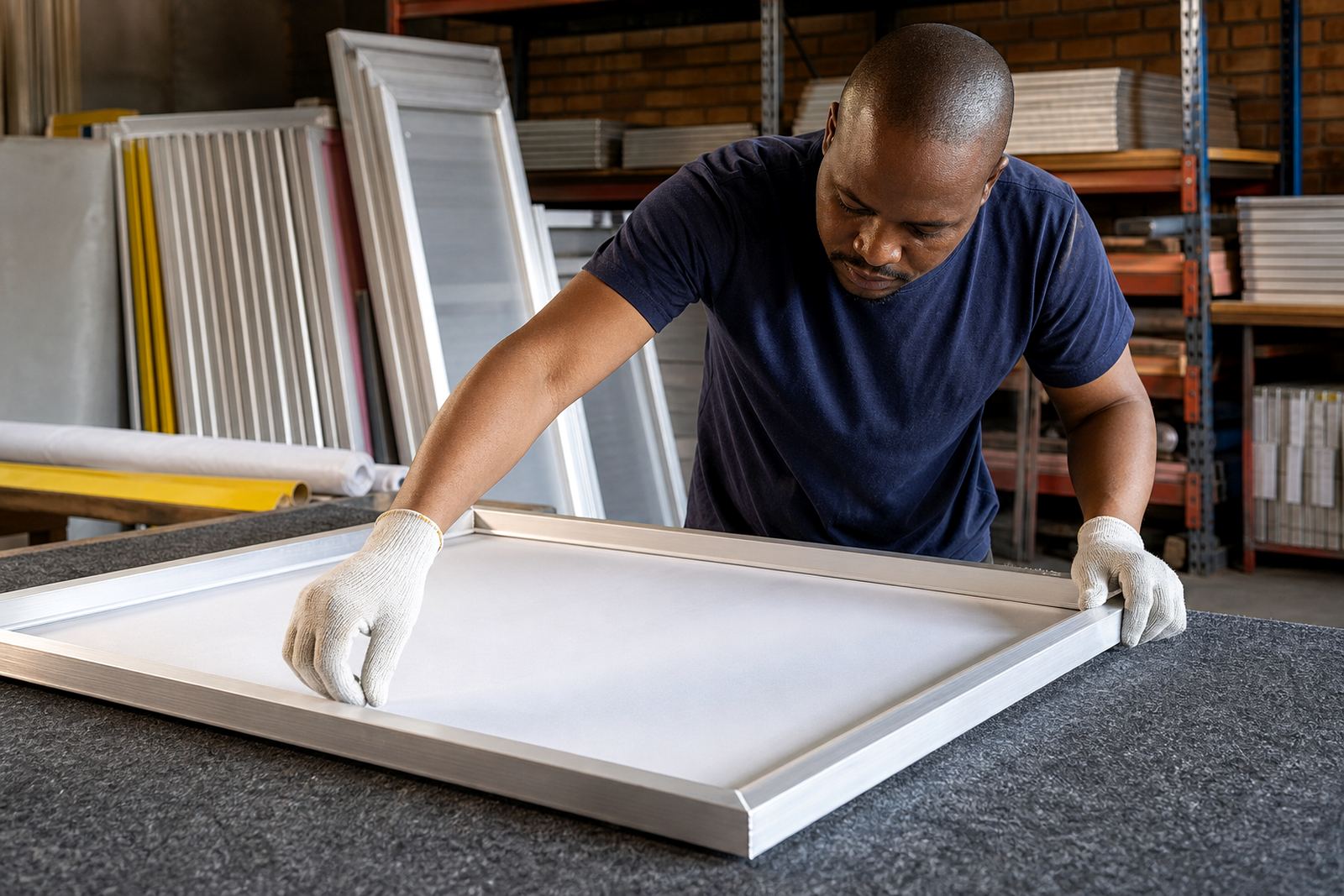
Good tension is one of the main things that separates a workable screen from one that keeps giving trouble. If tension is uneven, the print can blur at the edges, registration can drift and the squeegee feel changes across the stroke. New frame stretching is useful when you want a fresh screen built to specification, while re-stretching helps when the frame is still serviceable but the mesh has relaxed.

We also handle tension checking and mesh bonding as part of regular screen prep. That means looking at the screen before it goes into production, not after the first bad print. For shops working through load-shedding schedules or tight dispatch windows, having screens ready and checked beforehand can reduce delays and missed turns.

Screen Prep For Busy Print Shops Across South Africa

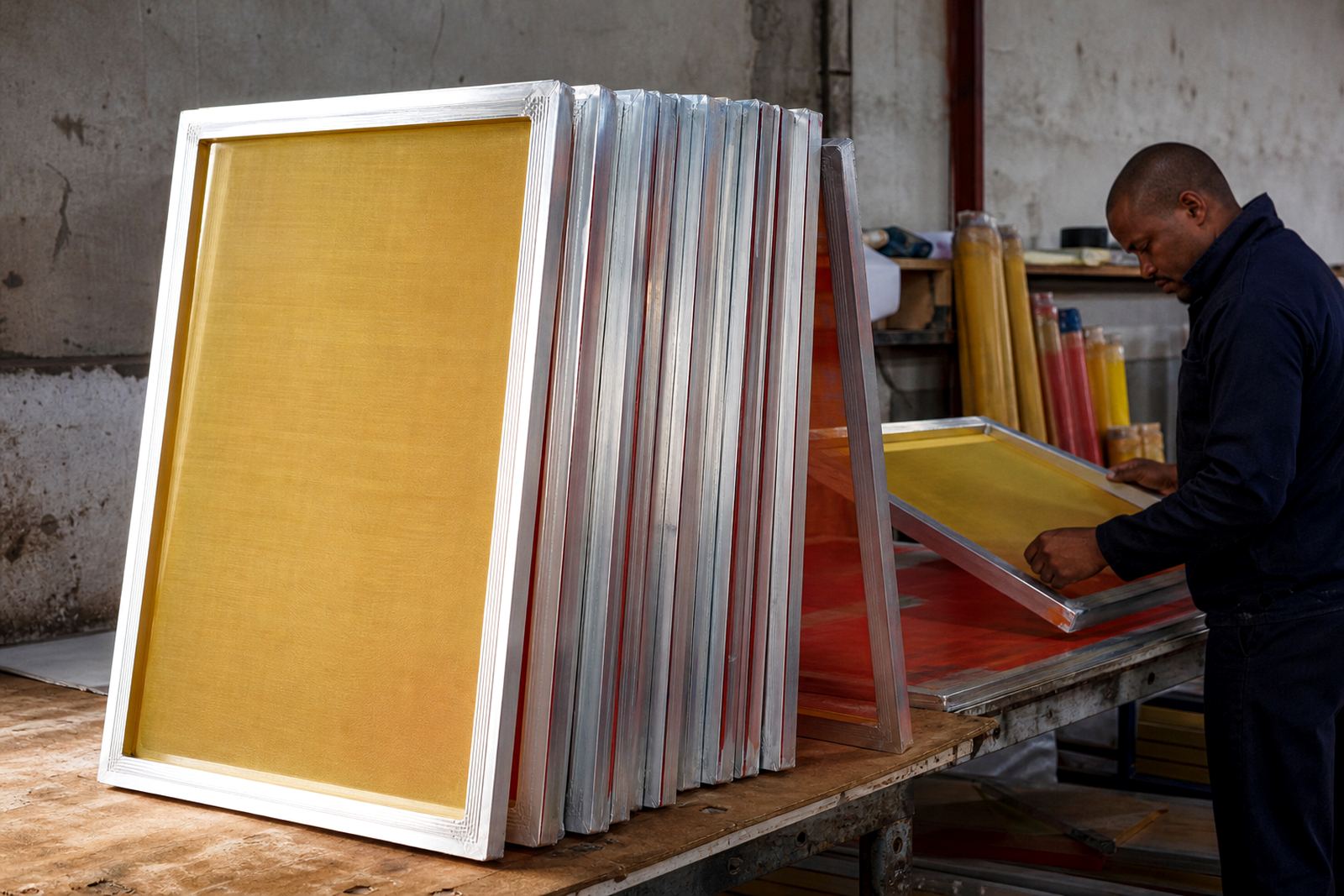
Print shops in Johannesburg, Pretoria, Durban, Cape Town and Gqeberha often need screens ready for different work in the same week. One job may be textile, the next paper or signage, and that calls for quick changeover and sensible stock planning. Our batch screen prep and repeat order service help keep common screen types on hand so production can keep moving.

  • Frame clean prep before stretching or re-stretching.
  • Custom frame sizing for special artwork or press needs.
  • Batch screen prep for recurring work.
  • Screen inspection before dispatch.
  • Dispatch packing for collection or delivery.

Ordering From Germiston And Getting The Right Advice

Based in Germiston, Gauteng, we supply screen-printing mesh and pre-stretched aluminium frames to shops across South Africa, including the East Rand and Midrand. If you are unsure which mesh count, frame format or screen setup suits the job, our team can help with practical screen setup advice through the enquiry form on our contact page. That is often the easiest way to confirm what you need before placing a repeat order or starting a new run.

MeshMaster is managed by Mandla Ndlovu, with support from Ayesha Patel, Thabo Mokoena, Lerato Maseko, Johan van der Merwe and Nokuthula Khumalo. The team keeps the focus on usable screens, careful packing and orders that arrive ready for the print floor, not the usual back-and-forth that slows a busy shop down.

Questions we get asked

How do I choose the right mesh count for my print job?

Start with the ink, the detail in the artwork and the substrate. Lower mesh counts suit heavier ink deposits, while higher counts are better for finer detail and smoother prints.

When should a frame be re-stretched instead of replaced?

If the aluminium frame is still square and sound, re-stretching can be a practical option. It is usually worth checking tension first, because a weak screen can cause print issues even when the frame looks fine.

Can you help with different screen sizes and recurring jobs?

Yes. We handle custom frame sizing, batch screen prep and repeat order support, which is useful for shops that print the same sizes or artwork types often.

Planning something? Send the team a message.

Contact form