Why repeat jobs deserve their own screen plan
Recurring designs often look simple on paper, but the screen side of the job can become messy if every reprint starts from scratch. If a customer sends the same artwork for staff shirts, school event tees or promotional bags every few weeks, it helps to keep that screen treated as a repeat job screen rather than a one-off item.
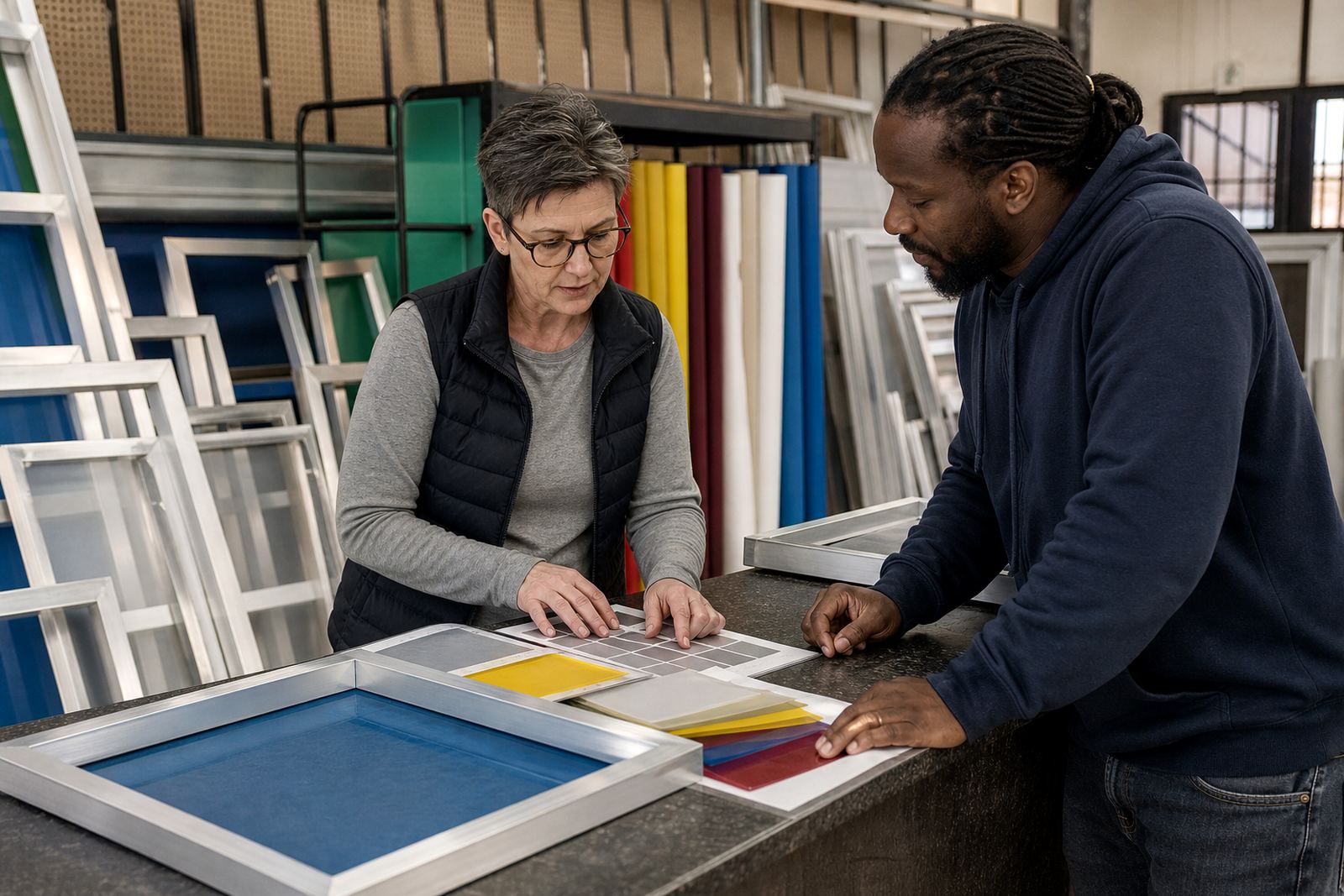
That means recording the mesh count, frame size, stencil type and any special setup notes so the screen can go back into service without guesswork. A print shop in Germiston or Boksburg may have ten active repeat jobs on the go at once, and a clear screen plan keeps those orders from getting mixed up.
For repeat work, consistency matters more than clever shortcuts. If the mesh count changes, the ink deposit changes too. If the tension drops, the print can lose detail or start to look patchy and uneven.
Match the mesh count to the artwork, not the habit
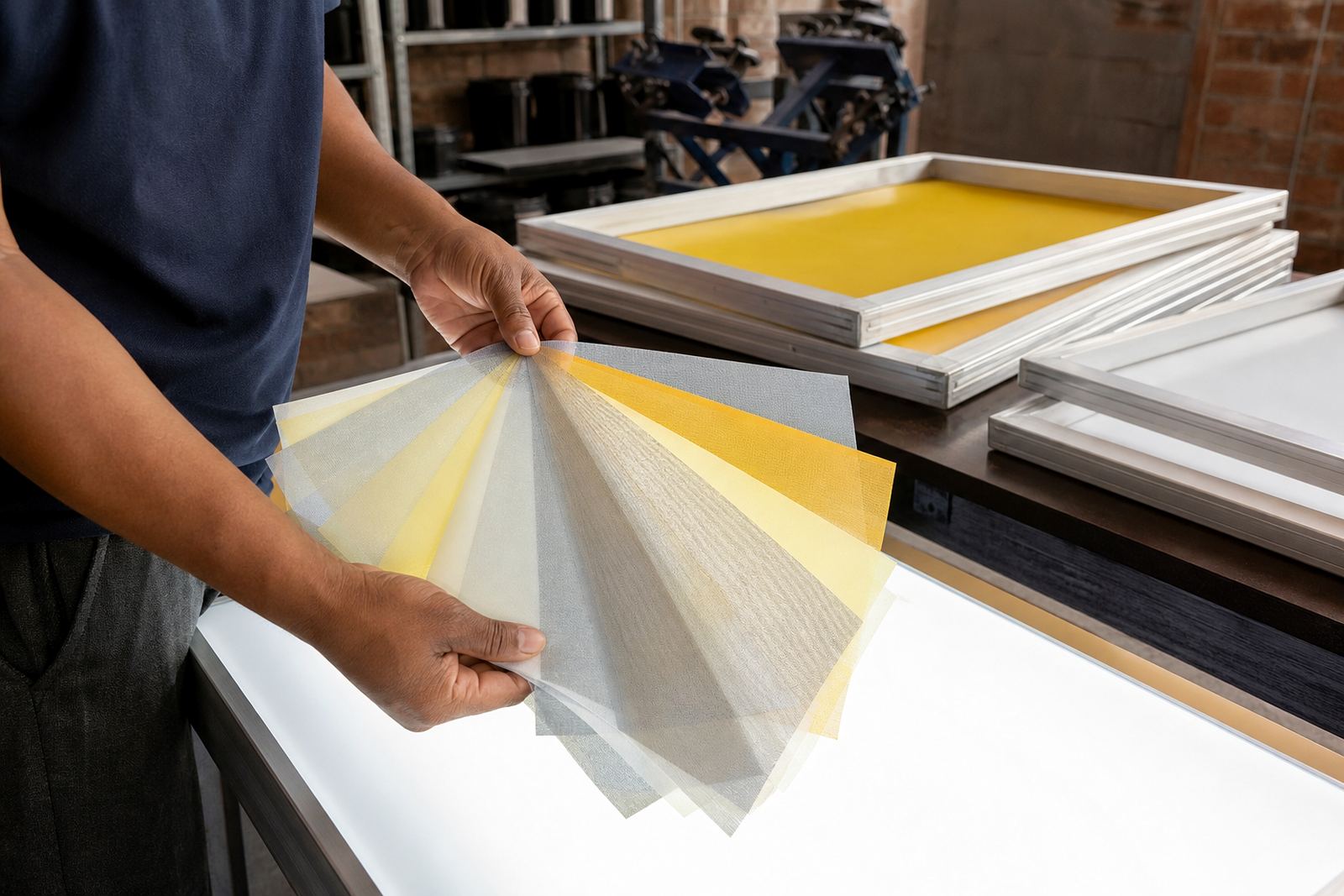
Many shops fall into the habit of using whatever screen is closest at hand, then wondering why a logo prints heavier than expected or fine text starts to fill in. Mesh count should match the job. Coarser mesh is often chosen for thicker ink deposits and bolder graphics, while finer mesh is better suited to finer detail and smoother print control.
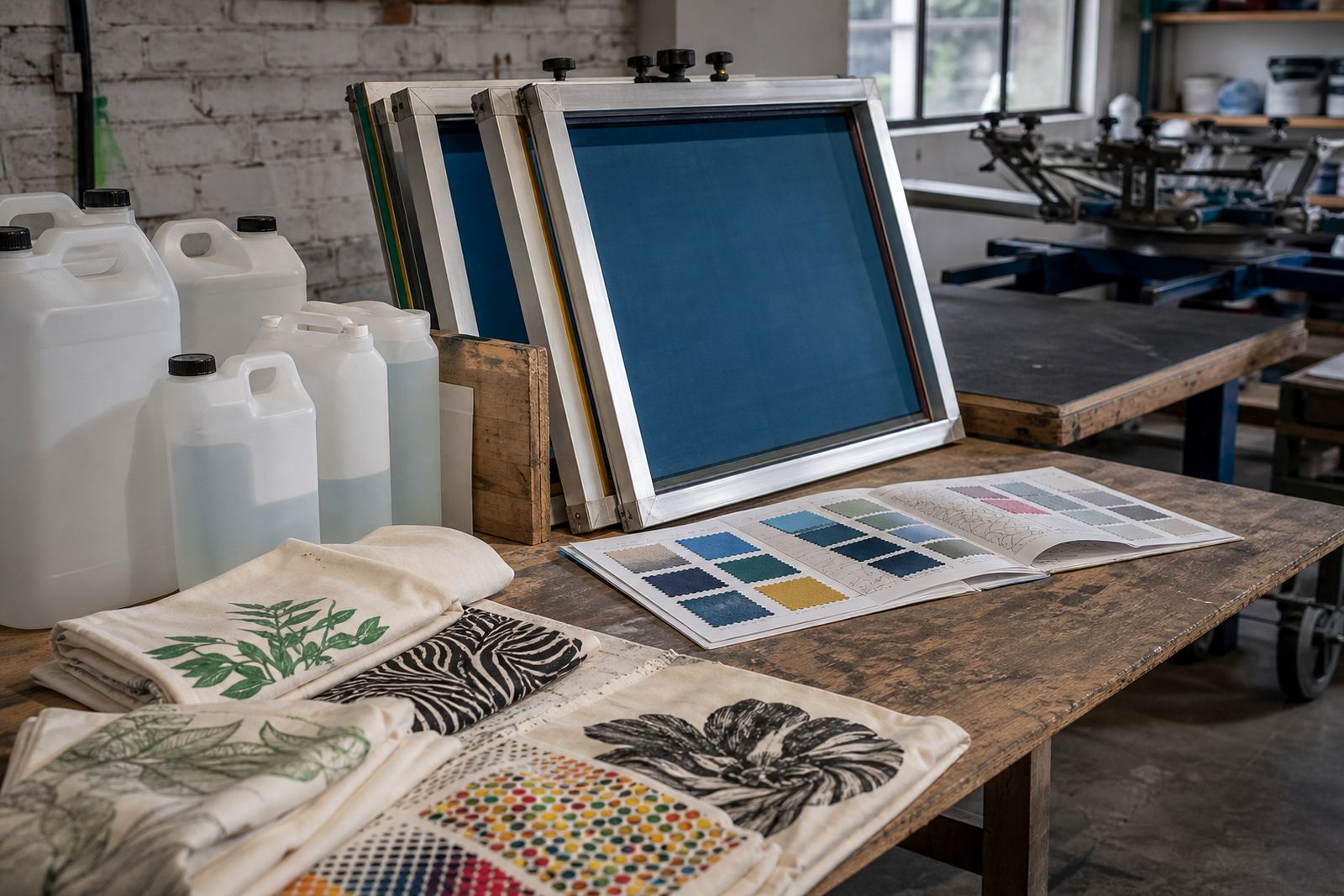
A repeat screen should be matched to the artwork type, ink behaviour and substrate. For example, a solid single-colour design on cotton may need a different mesh count from a fine halftone or a water-based print on a lighter garment. It is not only about the design, it is also about how the ink behaves on the day.
- Keep note of the mesh count used on each recurring order.
- Record any stencil changes that affect detail or coverage.
- Check whether the same mesh still suits the current ink and fabric.
- Store the screen with the job name, size and print side marked clearly.
Tension control keeps repeat prints looking the same
When a screen is re-used often, tension is one of the first things to drift. The frame may still look fine, but the print can start to show poorer snap back, slight distortion or uneven edges. That is why tension checking should be part of the repeat-job routine, not only something done when a screen looks tired.
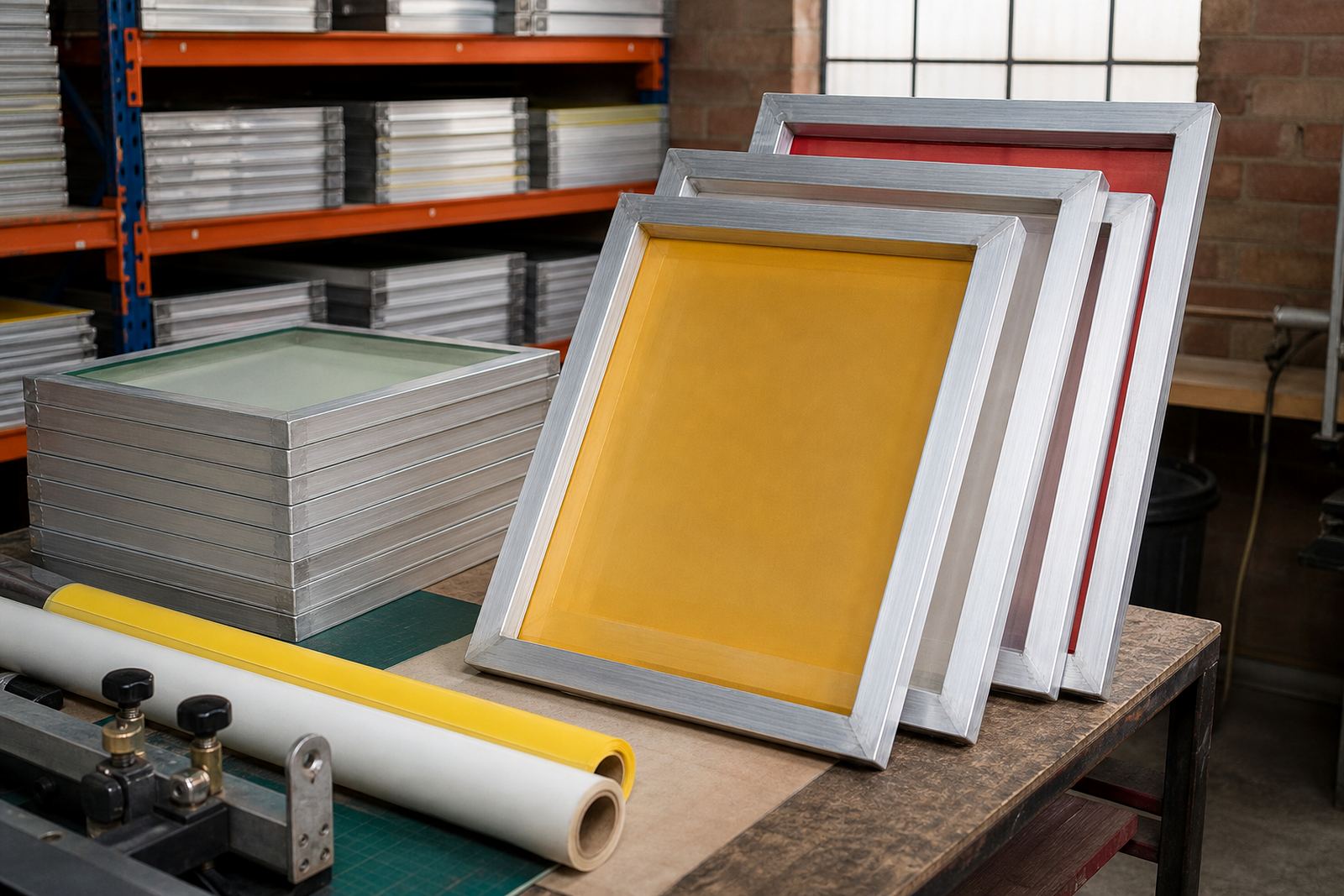
Pre-stretched aluminium frames are popular for repeat work because they hold shape well and can handle regular production use. If the frame has been re-stretched or the mesh bonded again, the screen should be checked before it goes back on the rack. In summer, humidity along the coast and temperature shifts in inland shops can change how a screen behaves, so a screen that printed well last month may need a quick check today.
Good tension habits also help when load-shedding interrupts production. If a job stops halfway through and returns later, the screen should still behave the same when production starts again. That saves time on press setup and keeps the next print from becoming a test run.
Build a repeat screen rack that is easy to work from
A repeat screen rack does not need to be fancy, but it does need a proper system. Screens should be separated by order frequency, customer name or job type, with clear labels that can be read quickly on a busy floor. This is especially useful in shops handling both urgent walk-in work and planned reorders.
At the back of the rack, older screens can be kept as backups if they still pass inspection. At the front, the jobs that come in most often should be ready to pull, clean and go. When screens are stacked without order, staff lose time checking mesh counts, comparing artwork and hunting for the right frame size.
- Mark each frame with the job reference and mesh count.
- Separate repeat jobs from one-off screens.
- Keep a note of the last print date and any touch-up work.
- Inspect frames for warping, glue residue and pinholes before storage.
When a screen should be re-stretched or rebuilt
Not every repeat job screen can be kept in rotation forever. Over time, the mesh can lose tension, the frame can take a knock, or the stencil area can become less reliable after cleaning and handling. If the image starts shifting, the print edge looks fuzzy or the screen needs extra pressure to perform, it may be time for frame re-stretching or a fresh build.
For print shops that depend on repeat orders, this is a practical decision, not a cosmetic one. A screen that costs time on press usually costs more than replacing it in good time. Re-stretching also makes sense when the same design is needed in batches over months, because the screen can be brought back into line with the original setup rather than forcing the press team to work around a tired frame.
Custom frame sizing is useful where a shop prints a mix of standard garments and awkward formats, such as oversized panels or narrow sleeve placements. The right frame size helps the repeat job stay manageable and reduces waste on the press floor.
A Germiston example: keeping township and city reprints moving
Consider a Germiston shop that handles repeat runs for a school sports day, a small manufacturing team and a local café with branded aprons. The artwork might stay the same, but the order timing changes. One week it is five shirts, the next it is forty and then nothing for six weeks. Without a proper screen system, the shop ends up remaking screens, checking old notes and guessing which mesh count was used last time.
With a repeat job setup, the screens are prepared once, stored correctly and sent out for dispatch packing when the order comes in. If the customer is in Johannesburg, Pretoria, Durban, Cape Town or Gqeberha, the same screen can be used again without starting from zero, provided it was cleaned, inspected and kept under the right conditions.
That kind of organisation matters in Gauteng where turnaround times are tight and deliveries often need to be coordinated around traffic, production slots and municipal rules for loading areas. A clear repeat screen process keeps the work moving, even when the day gets busy. It is a small thing, but it saves a lot of head scratching later.
What to keep on record for every repeat screen
The best repeat work is backed by simple records that anyone in the shop can follow. You do not need a complicated system, just enough detail to make the next run easier than the last one. The goal is to reduce setup time and keep the print looking the same across orders.
- Artwork name or job reference
- Mesh count and frame size
- Ink type and substrate used
- Tension check notes
- Any re-stretching or repair history
- Storage location and last use date
When those details are kept close to the screen itself, the repeat job becomes much easier to manage. And if a screen needs rework, the shop can decide quickly whether to clean, check or rebuild it before the next run lands on the floor.