Why clear briefings save time at the screen room
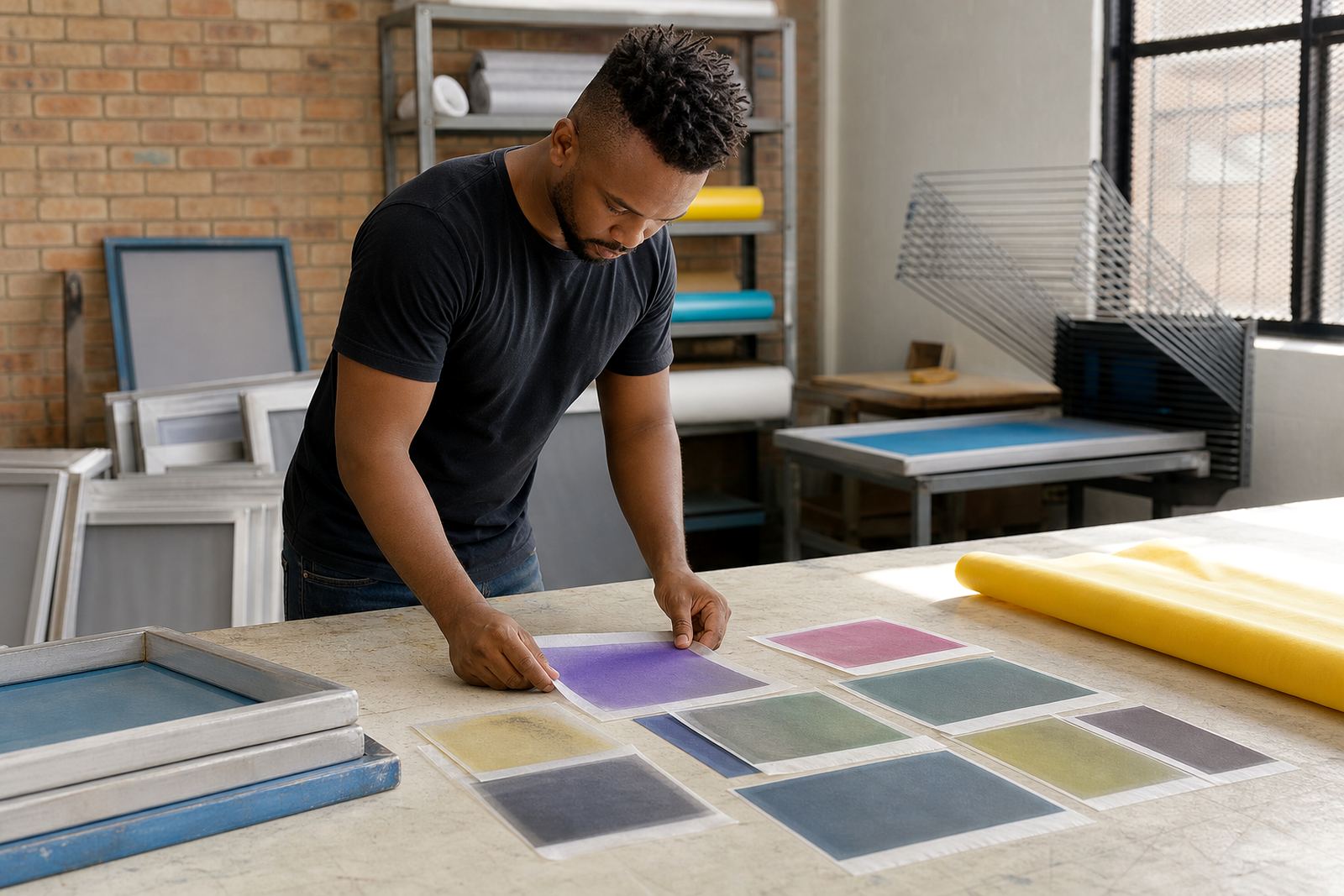
In screen printing, small details change the result. If a supplier knows whether the job is for fine detail, solid block colour, discharge work or thicker plastisol type inks, the mesh choice and tension can be matched properly. That means fewer test pulls, less rework and a better chance of landing on press ready to print.
Good communication also helps with production planning. A shop in Germiston may need a quick turnaround for a repeat run, while a printer in Cape Town may need screens packed for courier delivery and handled with extra care because of travel time and coastal humidity. When the brief is clear, the right screen can be prepared and checked before it leaves the workshop.
For print shops across Johannesburg, Pretoria, Durban, Cape Town and Gqeberha, the aim is simple: order once, print once, and keep the line moving.
What a supplier needs to know before stretching a frame
Mesh count is one of the first things to discuss. Lower mesh counts are commonly used for heavier deposits and simpler artwork, while higher counts suit finer detail and thinner ink films. The right choice depends on the design, the substrate and the finish the printer is trying to achieve. If the supplier only gets half the story, the screen may be too open or too tight for the job.
Frame size matters just as much. A clean, square frame with enough margin around the artwork helps with registration, tape sealing and repeat use. If the frame is being made for a manual press, an automatic line or a one-off sample, say so. Even the best mesh choice can fall short if the frame size does not suit the press or the artwork placement.
- Share the artwork size, not only the final garment or substrate size.
- Say what ink system you plan to use.
- Confirm whether you need new frame stretching or re-stretching.
- Let the supplier know if the screen must fit an existing press set-up.
Tension checking keeps the screen honest
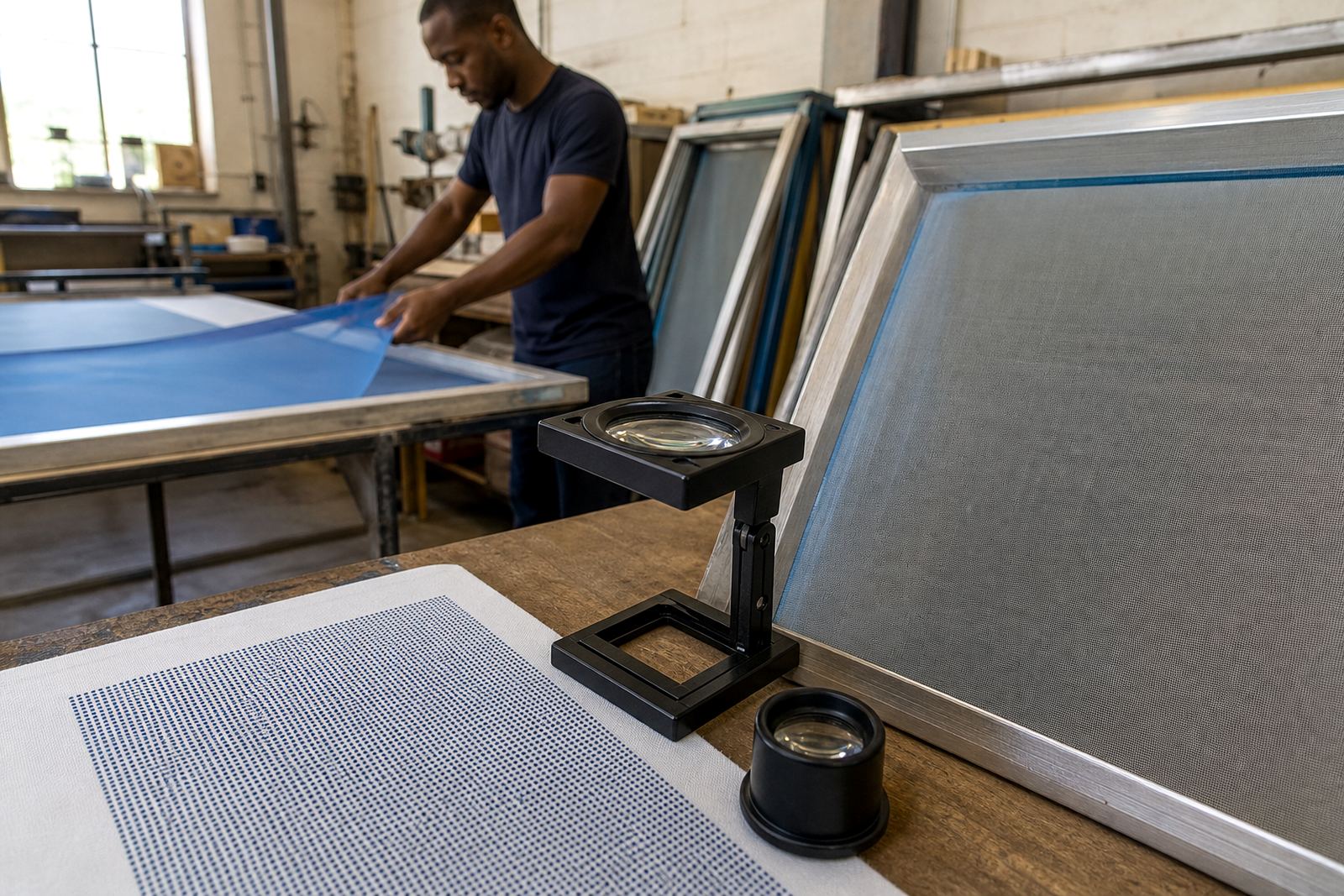
Mesh tension is one of those details that many printers only notice when things go wrong. If the tension is uneven, the print can start to show poor edge definition, inconsistent ink release or registration drift during a run. That is why a proper tension check is worth asking for before dispatch.
When screens are stretched well and checked properly, they sit flatter on press and hold register more reliably. This is especially useful on longer jobs, multi colour work and repeat orders where the printer needs the same result every time. In South African conditions, heat and humidity can also affect how screens behave once they reach the floor, so a sensible tension range and careful prep matter.
At MeshMaster, the service flow usually includes tension checking, frame clean prep and screen inspection before packing. That extra care helps reduce the back and forth that slows printers down.
How to describe the job so the mesh matches the print
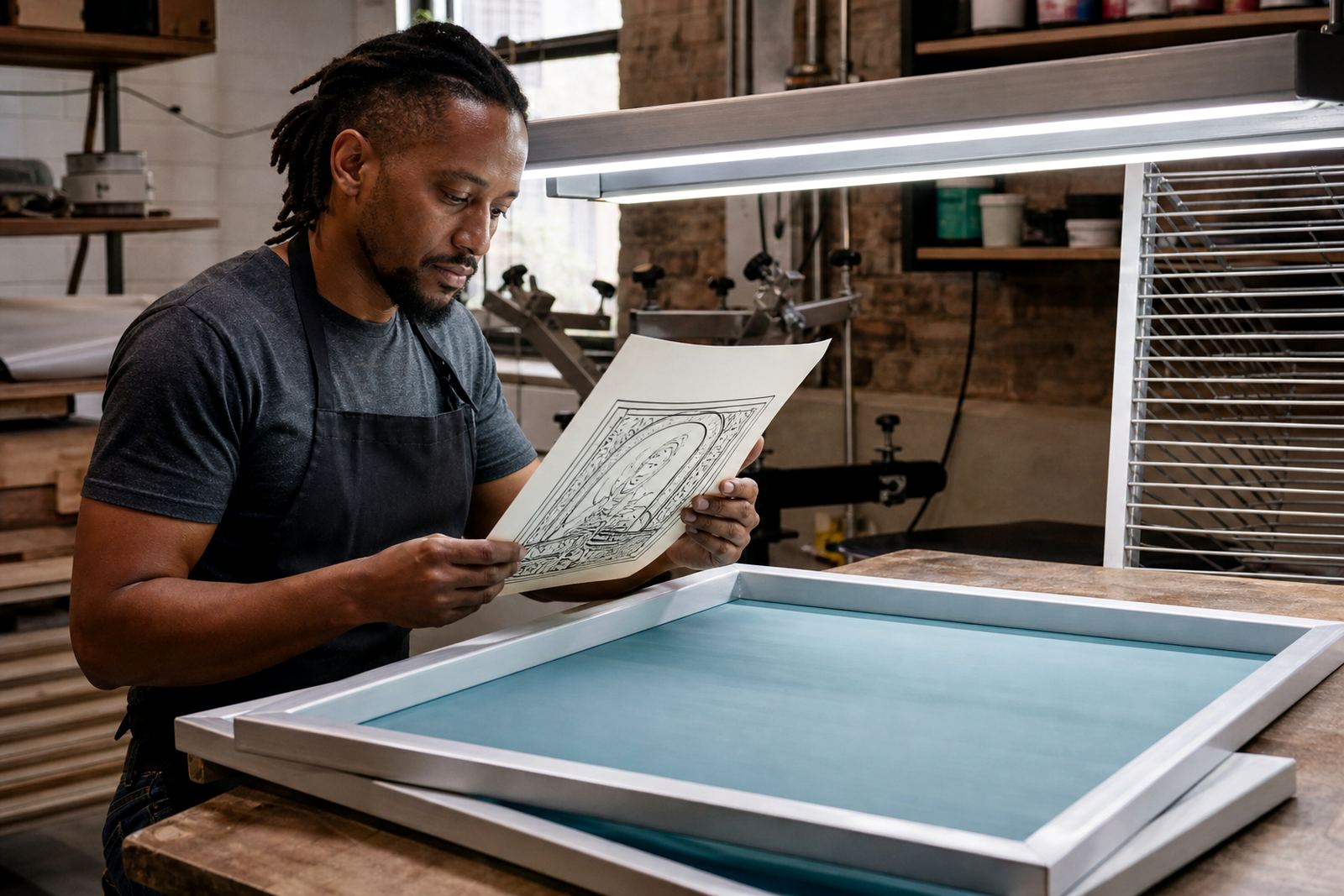
The best supplier conversations are practical. Start with what you are printing, what image quality you need and how much ink deposit the job calls for. If the artwork has halftones, fine text or thin line work, say so clearly. If it is a bold logo on a dark shirt or a print on packaging, say that too. The more exact the description, the better the mesh count matching can be.
It also helps to explain the print environment. A shop working through load-shedding may need screens that are ready to fit into a tight production window. A coastal printer may want screens packed carefully to avoid handling damage on arrival. Suppliers can plan around these realities, but only if the details are shared at the start.
- Material type: fabric, board, plastic or another substrate.
- Artwork style: fine detail, solid areas or mixed coverage.
- Run type: sample, repeat order or batch production.
- Delivery area: Germiston, East Rand, Midrand or another branch area.
A local example from a busy Gauteng print shop
Take a print shop in the East Rand preparing a repeat order for school garments. The team knows the artwork already prints well, but this time they need a different screen because the logo includes finer detail around the lettering. If they only ask for a frame and say nothing else, the wrong mesh count could land on the bench and slow the whole run.
When the shop gives the supplier the artwork size, ink type and the need for crisp edges, the screen can be stretched, inspected and packed for the next day. If they also mention that the frame must suit an existing press, there is less chance of awkward setup on arrival. That kind of clear brief turns a simple order into a working tool, not a guess.
For printers in Johannesburg and Pretoria, that can mean making collection or delivery fit around a full production day. For Durban or Gqeberha, it can mean getting the right screen on the first courier and avoiding a costly delay.
Keeping repeat orders consistent from run to run
Repeat order service works best when the supplier records the details that matter. Mesh count, frame size, tension preference, the condition of the previous screen and any notes about the print result should all be kept together. That way the next order starts from known settings instead of guesswork.
Good records also help when a screen needs re-stretching or a client wants a slightly different setup for a revised artwork. A supplier who understands the history of the job can advise whether to keep the same mesh or change the count. That saves time and helps keep the print result stable across batches.
For printers, the real value is consistency. You want the second and third run to behave like the first one, with no surprises at the press.
What to ask your supplier before the screen leaves the workshop
A short check before dispatch can prevent a long delay on press. Ask whether the screen has been cleaned, whether the mesh has been checked for even tension and whether the frame dimensions match the order. If the screen is being sent across town or to another province, ask how it will be packed and labelled so it arrives ready for use.
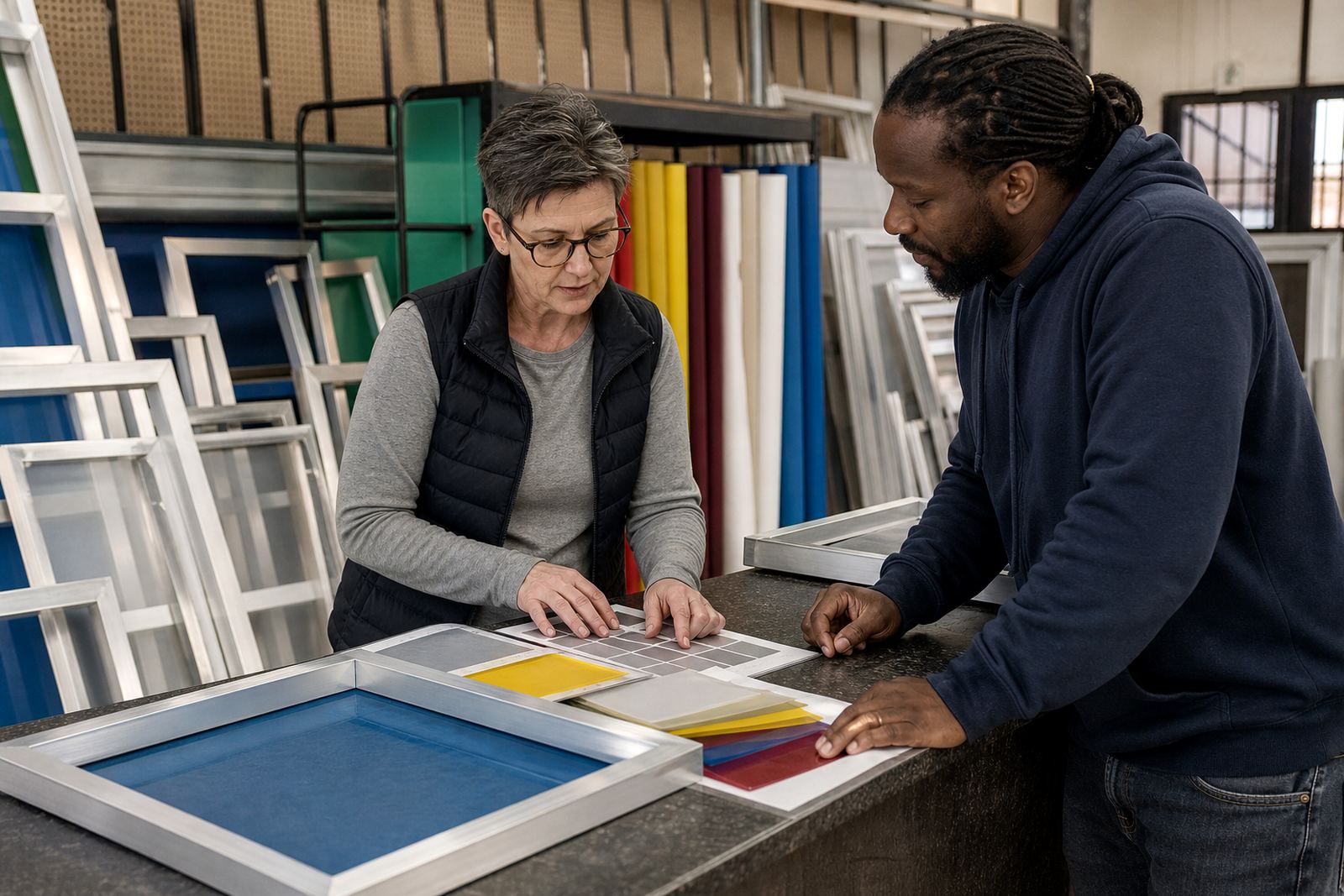
It also helps to confirm the advice side of the job. A good supplier should be able to talk through mesh count matching, frame sizing, screen setup advice and the best way to handle the screen once it reaches the shop floor. That kind of communication is part of the service, not extra paperwork.
- Has the mesh been checked for even tension?
- Is the frame size correct for the press and artwork?
- Has the screen been prepared and packed for transport?
- Are there notes for the printer when it reaches the shop?
When suppliers and printers speak the same language, screens arrive ready to work. Less time is lost, fewer jobs go back for adjustment and the print room runs with more confidence.