
What the 45cm Frame Is Used For
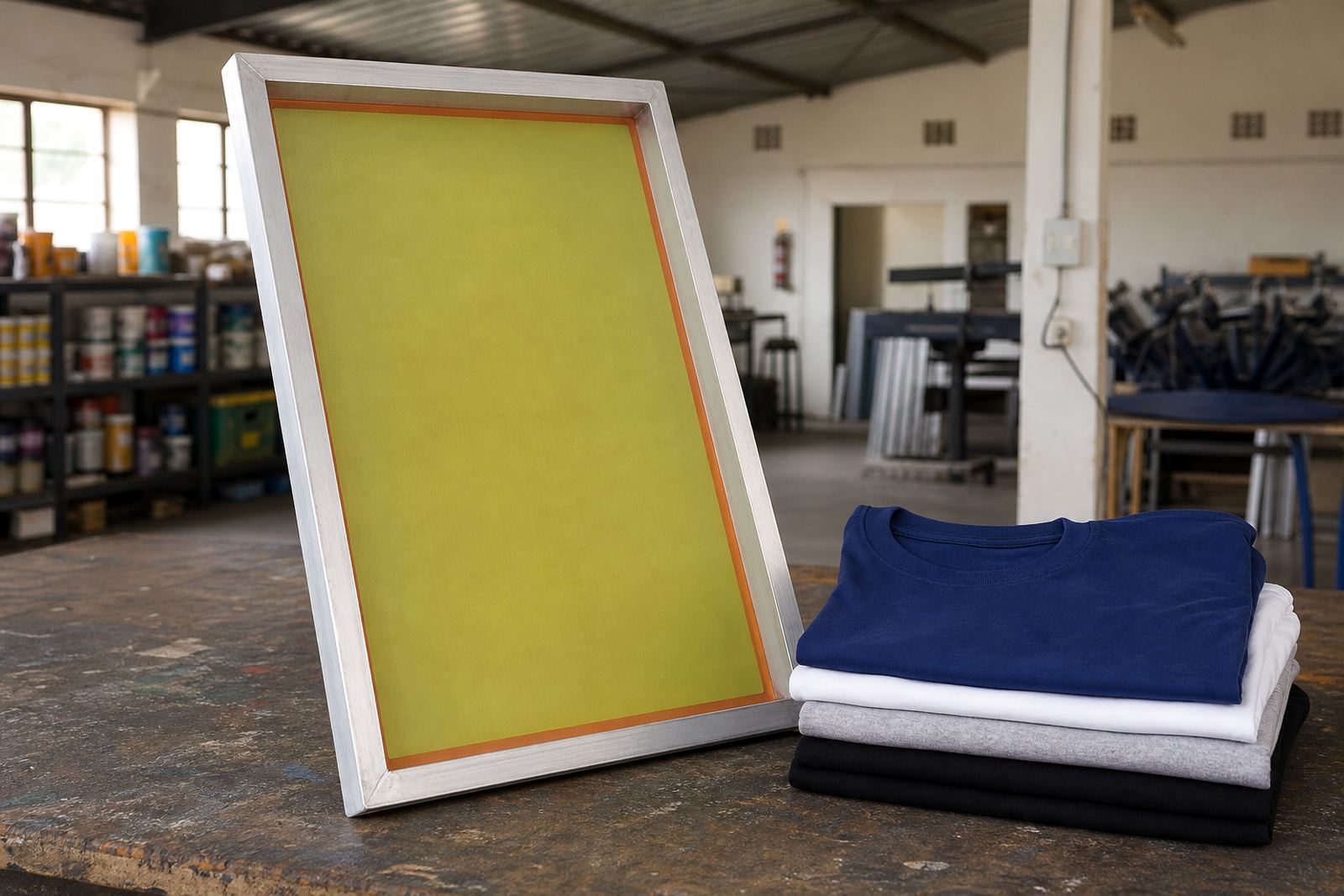
The 45cm frame is a compact screen-printing frame made for smaller artwork, sample runs, short garments runs and other controlled production work. In many print shops it is the size chosen when space is limited, or when a job does not need a large screen face. Because the frame is easier to handle than bigger formats, it helps keep the setup neat on a busy bench and makes it simpler to move screens between coating, exposure and printing stages.
This size is also useful for repeat jobs where the same artwork is printed often. A smaller frame can help keep mesh use efficient and gives the operator better control when working on fine text, spot colour jobs and small logo placements. For shops in Germiston, Johannesburg, Pretoria and beyond, it is a sensible option when the aim is tidy output without unnecessary bulk.
Size, Mesh and Frame Options
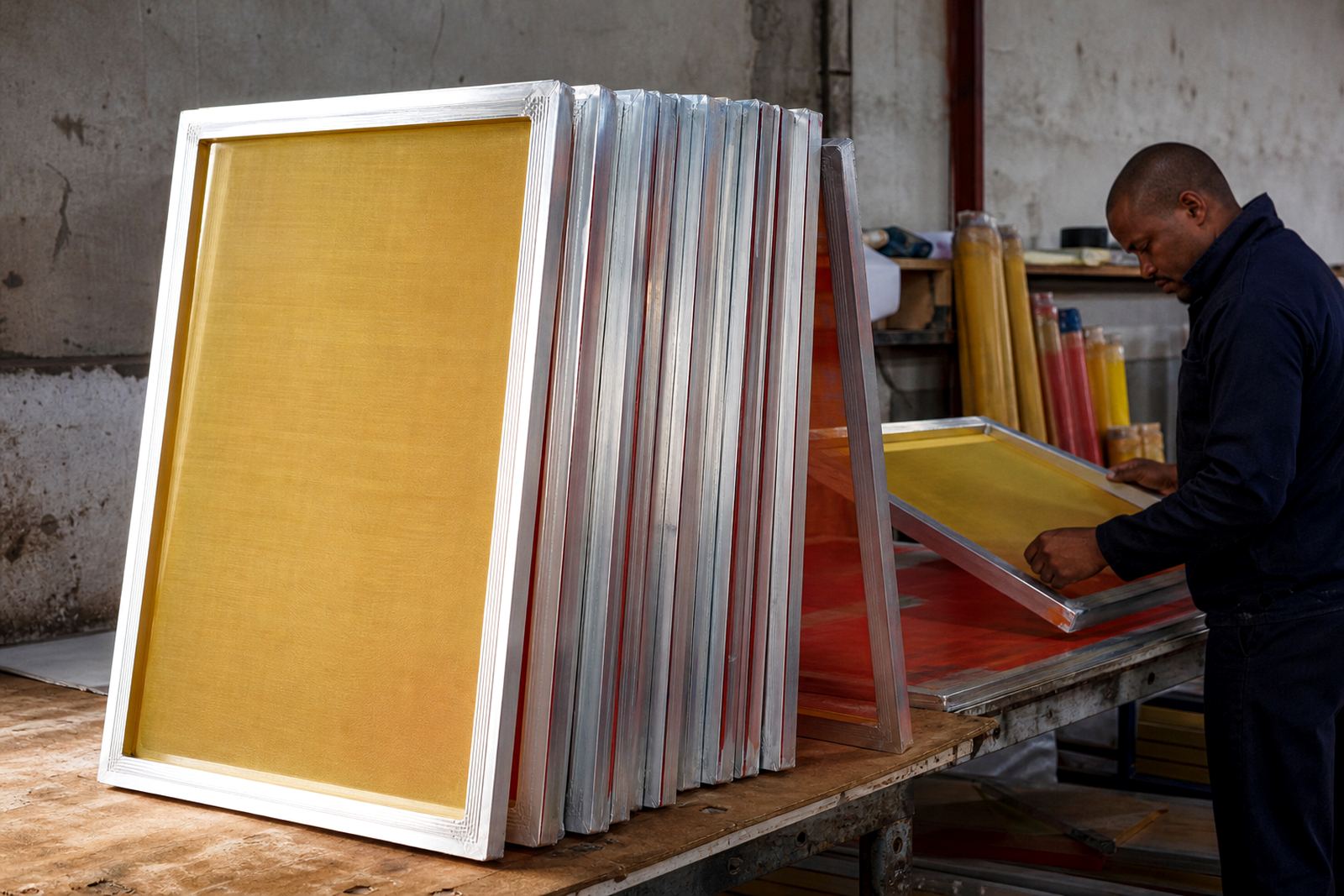
MeshMaster supplies the 45cm frame as a pre-stretched aluminium option suited to screen-printing use. The frame size is 45cm across the main working dimension, with the final outer dimensions depending on the profile and the exact build spec agreed for the order. Aluminium is commonly chosen for its straightness, light handling and resistance to warping under normal workshop conditions.
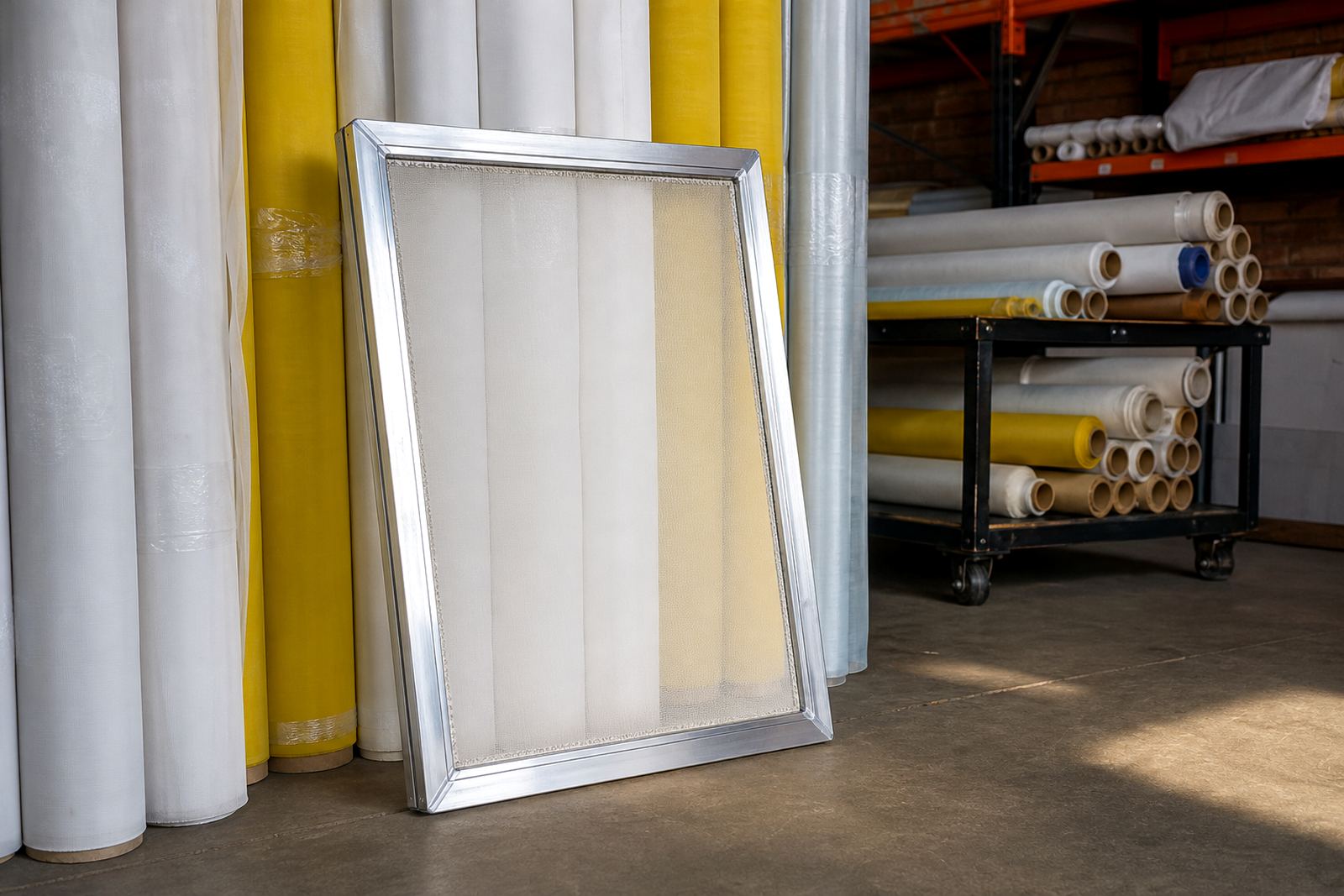
Mesh count choice depends on the print method and the level of detail required. Lower mesh counts are often used where more ink deposit is needed, while finer mesh counts are better for detail, halftones and cleaner ink control. A good match between mesh count and artwork is important, because the wrong mesh can affect coverage, sharpness and drying behaviour on press.
- Suitable for lower mesh counts where heavier ink deposit is needed
- Also available for finer mesh work where detail matters
- Useful for single colour and multi-colour screen setups
- Can be specified for different frame profiles and working depths
Where This Frame Suits Best
This frame suits print shops that work on compact benches, smaller garment ranges, promotional items, test samples and controlled production batches. It is a practical choice for shops doing repeat work on tees, hoodies, tote bags, labels and other small format prints where a full-size screen would be more than is needed. In Durban or Gqeberha, where humidity can affect storage and handling, a properly stretched aluminium frame gives better consistency than a frame that moves or twists with changing conditions.
It also suits operations that need quick turnaround on local orders and want an easier screen to store between runs. If your workshop is dealing with municipal water restrictions or limited floor space, a smaller frame is simpler to clean and dry, especially when screens need to be rotated during load-shedding planning or after-hours production. It is a straightforward tool for day-to-day screen printing, not a specialist item that sits unused on the shelf.
- Small garment prints and sample approvals
- Compact bench setups and limited storage areas
- Short run work and re-orders
- Fine detail work where screen control matters
How It Is Installed and What It Needs
The 45cm frame does not need power, gas or special utility connections. It is a manual screen-printing product and is used with standard workshop tools, coating equipment and exposure setup. Installation is about preparing the frame, confirming the mesh is clean and bonded correctly, then checking that the screen sits square and tension is even before use. A good frame should feel stable on the table and should not flex badly when handled.
For best results, the screen should be mounted on a flat surface during printing and stored away from direct heat, strong sunlight and damp floors. In coastal towns, salt air can affect general workshop hardware, so keeping frames dry and cleaned after use helps extend working life. If the frame is being used in a shop with repeated washout cycles, it is worth checking the corners and mesh edge areas regularly for early signs of wear.
Tension, Mesh Bonding and Re-Stretching
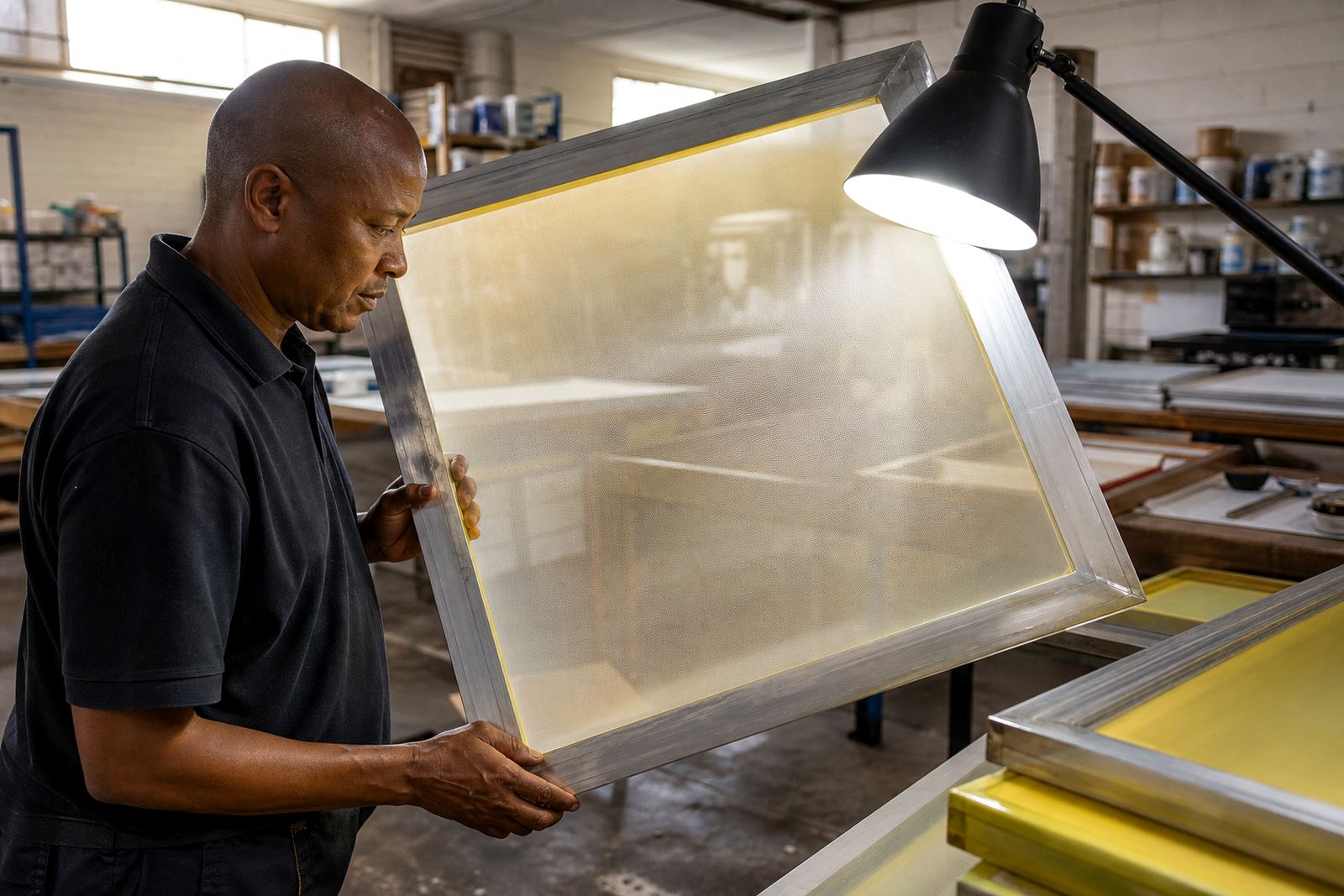
Mesh tension is one of the most important parts of screen printing. If tension is too low, the print can lose sharpness and may drag more ink than needed. If it is too high for the frame or mesh type, the screen can become difficult to control and may wear out sooner. A properly stretched 45cm frame gives a more reliable print feel, especially on jobs where registration and repeatability matter.
Mesh bonding must also be done cleanly so the mesh stays secure along the frame edges. If a screen begins to lose tension or if the mesh shows damage after repeated use, re-stretching is often the practical answer rather than replacing the whole unit. MeshMaster offers frame re-stretching, tension checking and mesh count matching to help keep screens in working order. For shops that use the same size often, repeat order service is useful because the next screen can be matched to the same working standard.
- Check for even tension across the full printing area
- Inspect mesh edges for lift, fraying or glue failure
- Match mesh count to ink type and artwork detail
- Re-stretch screens when print quality starts to shift
Care, Cleaning and Servicing Between Runs
After printing, the frame should be cleaned with care and allowed to dry fully before storage. Residual ink, reclaiming chemicals and moisture can shorten screen life if they are left sitting on the mesh or frame edges. A quick inspection after washout helps catch scratches, mesh damage and small frame movement before the next job starts. In busy shops, that little bit of attention can save time later.
Routine care is simple: keep the frame off bare floors, stack it so the mesh does not rub on rough surfaces, and avoid leaning heavy items against the aluminium profile. If the frame is used in a space with variable power supply or production delays, it is better to let the screen dry fully than to pack it away damp. This is especially important when screens are travelling between Germiston and other delivery areas, because moisture inside packaging can affect the mesh finish and the frame hardware.
What to Check Before You Order
Before ordering a 45cm frame, it helps to confirm the exact print use, the mesh count you need and whether you want a new frame or a re-stretched unit. You should also check whether the artwork requires a fine mesh for detail or a more open mesh for stronger ink deposit. If you are matching existing screens, bring the current screen details so the new frame can be built to suit the same workflow. That makes setup easier and reduces trial time on press.
It is also worth confirming the working space on your press table or bench, especially if the screen needs to fit between clamps or within a specific curing path. For Gauteng shops handling mixed work, a 45cm frame is often a smart add-on because it gives flexibility without taking up much space. If you are unsure which mesh count or frame build is right, use the enquiry form on the contact page and our team can help with sizing, tension and practical screen setup advice.
- Confirm the artwork size and print area
- Choose the mesh count for ink deposit and detail
- Check whether you need new stretching or re-stretching
- Measure your bench, clamps and storage space
Key facts
| Product | 45cm screen-printing frame |
|---|---|
| Frame material | Aluminium |
| Format | Small format screen for compact print work |
| Mesh options | Available by mesh count match for detail or ink deposit |
| Services | New frame stretching, re-stretching, tension checking and mesh bonding |
| Use case | Small runs, sample prints, labels, garments and bench-friendly setups |