What the 100cm Frame Is Built For
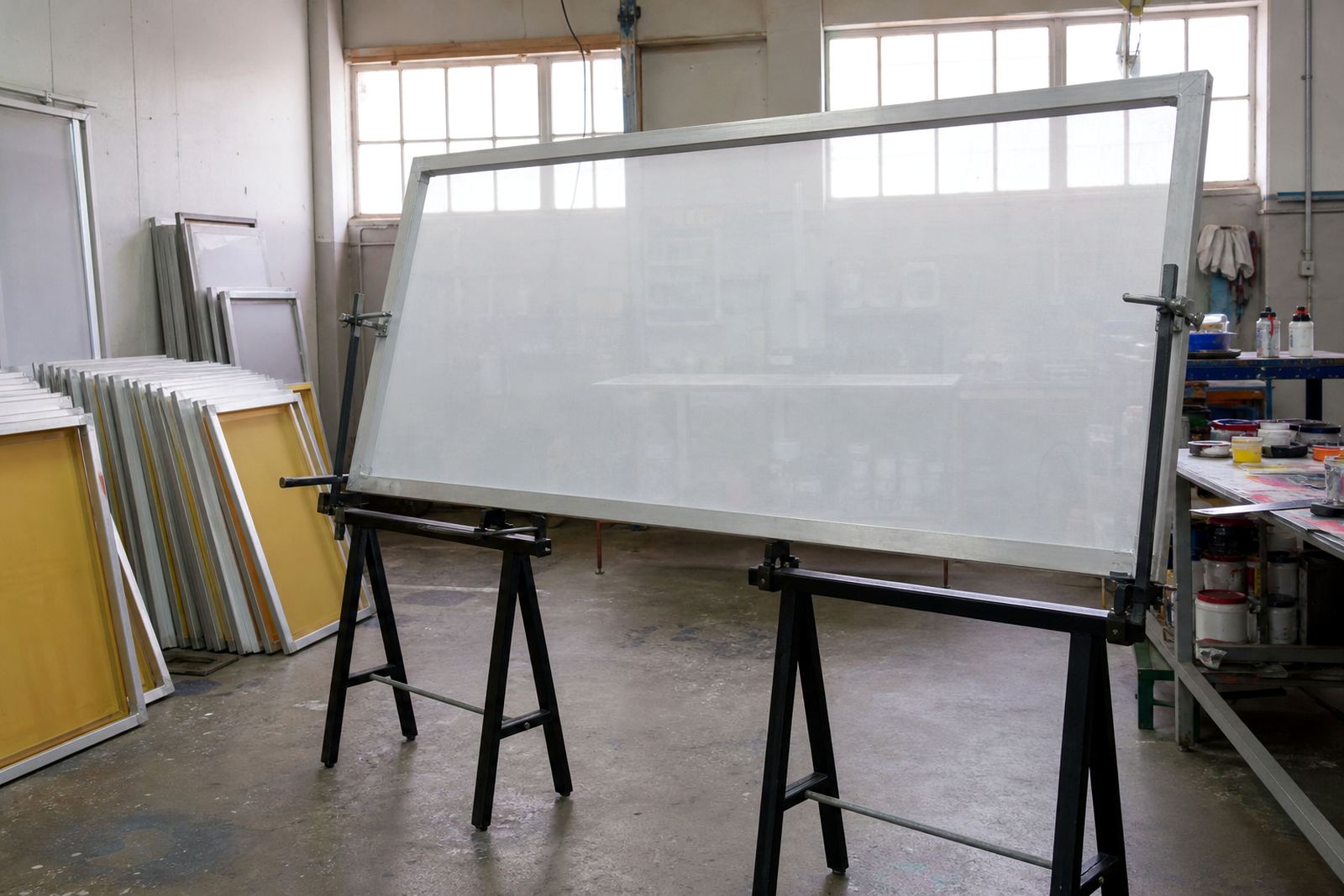
The 100cm frame gives you a larger working area than compact formats, which helps when you are printing bigger artwork, wider placements, or batches that need more room around the image. It is a practical choice for shops in Germiston, Johannesburg, Pretoria and further afield that want one screen size they can use for many jobs without constant changeover.
In screen printing, the frame has to hold the mesh evenly so the stencil stays true during printing. A well made 100cm frame supports proper tension across the full surface, which helps reduce bounce, uneven ink deposit and edge blur. That matters on detailed artwork, solid blocks and multi-colour work where alignment is tight.
This size also suits printers who want a stable screen for longer runs. If the frame is correctly stretched and kept square, the mesh behaves more predictably during squeegee pressure and off contact work. For busy shops, that means less time correcting screens and more time on production.
Sizes, Mesh Counts and Common Options
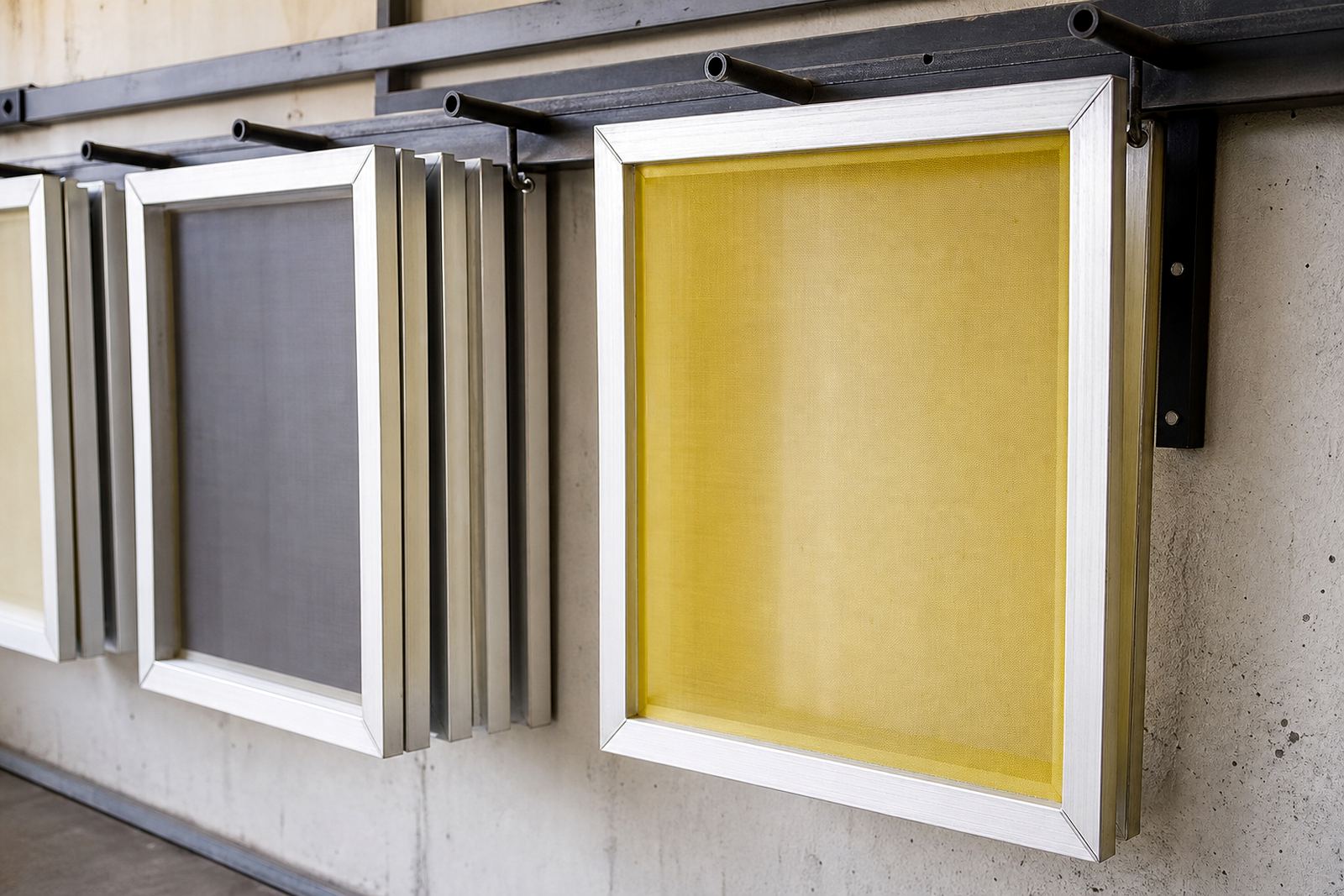
The 100cm format can be supplied with different mesh counts depending on the job. Lower mesh counts are generally used for heavier ink deposits and bolder prints, while higher counts are better for finer detail and thinner ink films. Your choice depends on the artwork, ink type and the substrate you are printing on.
For most print rooms, the useful decision is not only the mesh count but also the frame depth, opening size and how the screen will sit on the press. If you are running textiles, posters or specialty work, the right combination will help keep the print clean and consistent. Mesh count matching is often the step that saves a lot of trial and error.
- Lower mesh counts for heavier ink laydown and straightforward graphics
- Mid-range mesh counts for general purpose printing and mixed jobs
- Higher mesh counts for finer detail, halftones and cleaner edge control
- Custom frame sizing available when the artwork or press setup calls for it
Where a 100cm Screen Frame Fits Best
This format suits print shops that handle medium to large artwork areas and need a screen that stays stable through repeated pulls. It is often used for apparel printing, batch screen prep and jobs that need a little more open space around the design. If your work changes from job to job, the extra room can make setup easier and faster.
It is also useful when you are managing multiple screens in one session. A larger frame can take a variety of mesh counts and can be kept for repeat orders, which helps when the same artwork comes back later. For teams in Durban or Cape Town, where coastal humidity can affect drying and tension behaviour, a properly prepared frame gives better control before the screen reaches the press.
Many printers prefer this size because it balances working area with handling weight. It is still manageable for storage, transport and daily use, but it gives more room than smaller frames for clean masking and stable print margins.
- Suitable for textile shops and mixed print rooms
- Handy for repeat jobs and batch screen prep
- Useful where clean margins around artwork are important
- Works well for shops that need one broad format for several applications
Installation, Press Setup and Power Needs
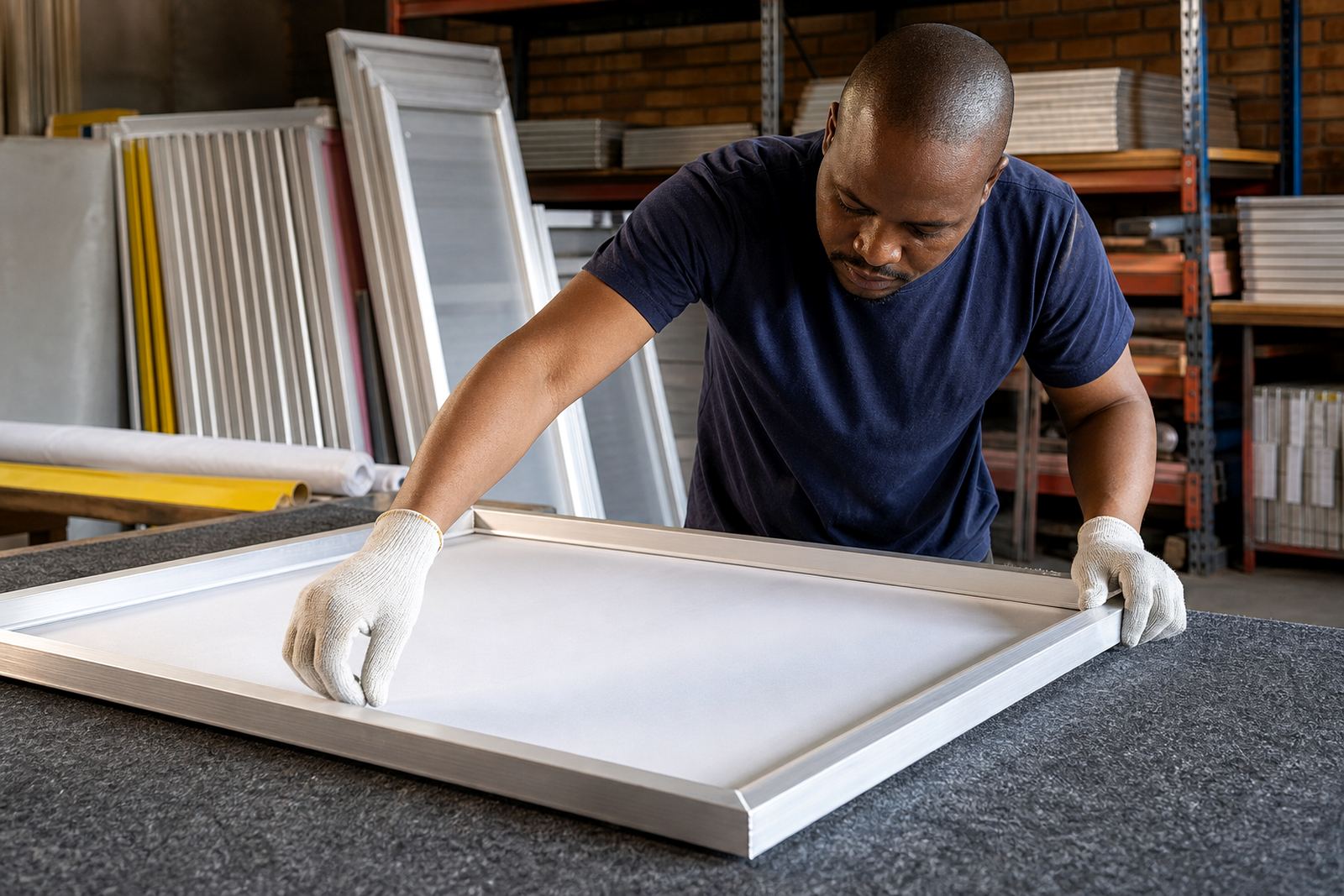
The 100cm frame itself does not need power or gas. What matters is how it is fitted, stretched and positioned on your press or screen rack. A good setup starts with square framing, correct mesh selection and proper tension checking before the screen goes into production. If the frame is not square, the print can drift even when the artwork and registration marks are correct.
When fitting a new screen, the mesh should be bonded and stretched evenly so the tension is consistent from edge to edge. This helps the frame settle properly on the press and supports cleaner snap-back after each pull. If the screen will be used in a busy workshop, it is worth checking the clamps, hinges and frame clearance before printing begins.
There are no special gas or electrical requirements for the frame itself. The main needs are a clean prep area, suitable drying space and safe handling during fitting. In areas with load-shedding, many print shops also plan their screen prep around reliable workspace lighting and drying conditions, since a rushed prep job can affect final tension and print quality.
Care, Cleaning and Re-Stretching Work
Like any working screen, the 100cm frame lasts longer when it is cleaned properly after use. Ink residue should be removed before it hardens, and the frame should be checked for damage after each run. If the mesh is left loaded with dried ink or cleaning fluid, you can get weak spots, staining or reduced tension over time.
For regular servicing, many shops use a simple routine that includes screen inspection, frame clean prep and tension checking. If a screen starts losing its pull, frame re-stretching may be the better option instead of replacing the whole unit. That is especially useful for repeat jobs where the frame size is still right but the mesh no longer performs as it should.
- Rinse and clean after each print run
- Check for corner movement, mesh wear and glue failure
- Store flat or upright in a dry, dust-free area
- Avoid harsh knocks that can twist the frame
- Book re-stretching when tension drops below working level
What to Check Before You Order
Before ordering a 100cm frame, it helps to confirm the exact opening size, mesh count and the kind of work the screen will carry. A frame that is right for one job may not suit another if the artwork detail, ink thickness or press setup changes. Getting these details right upfront saves time later and helps keep your repeat orders consistent.
You should also check how the screen will be used in your workshop. If you need the frame for a specific press, make sure the fit, clamp position and usable image area are all known. If you are printing in different towns or running production across several sites, it is worth keeping the same frame spec for each repeat order so your team knows exactly what to expect.
- Confirm the required image area and the full frame size
- Choose a mesh count that suits the ink and detail level
- Check whether you need new stretching or re-stretching
- Ask for tension checking if the job needs tighter control
- Make sure the frame will fit your press and workshop handling routine
Ordering from Germiston for Delivery Nationwide
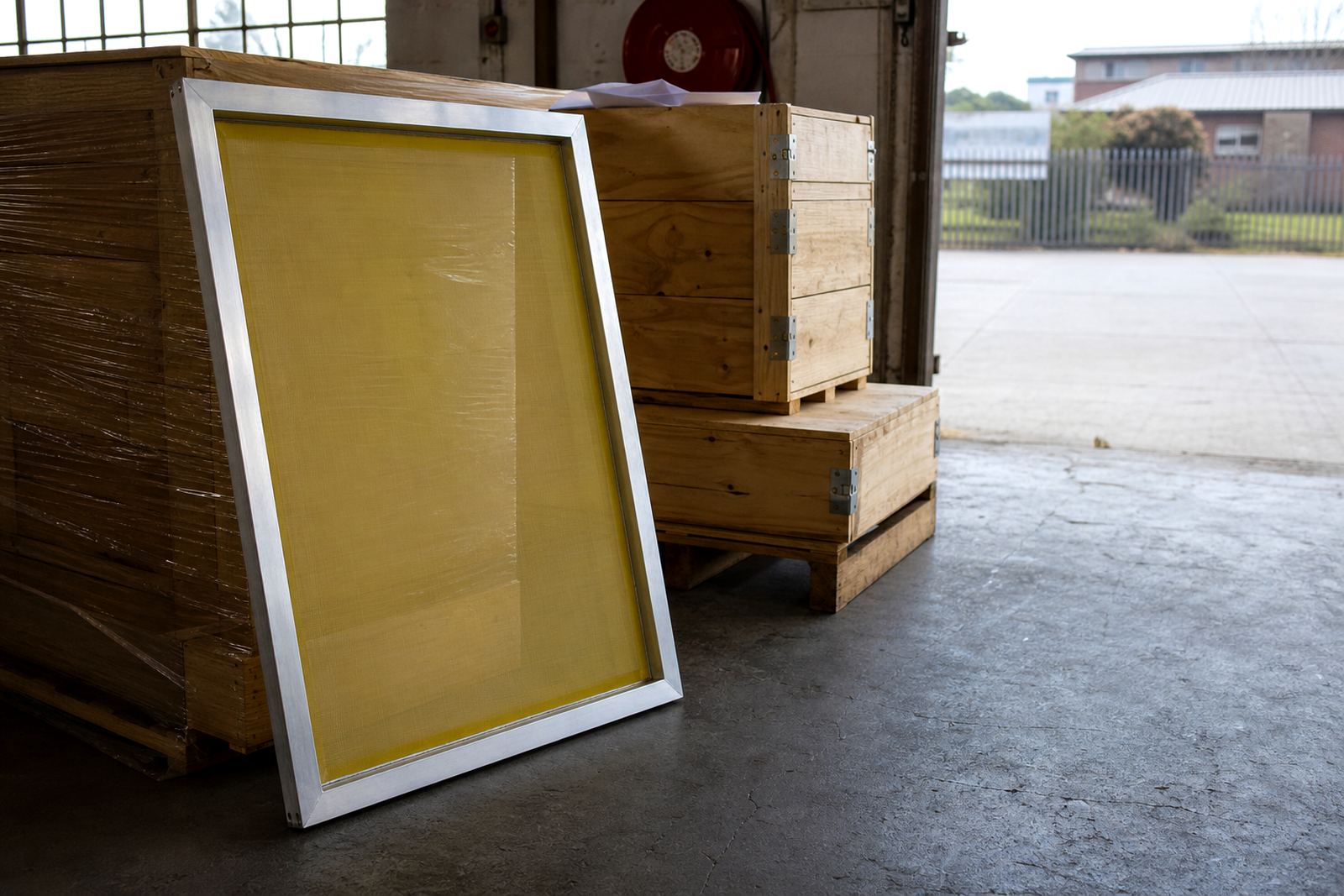
MeshMaster supplies screen-printing mesh and pre-stretched aluminium frames from Germiston, Gauteng to print shops across South Africa, including Johannesburg, Pretoria, Durban, Cape Town and Gqeberha. Our team handles new frame stretching, mesh count matching, custom frame sizing and dispatch packing so orders leave the workshop ready for practical use.
If you are not sure which 100cm frame specification will suit your setup, the enquiry form on our contact page is the best place to start. We can help with screen setup advice, batch screen prep and repeat order service, whether you are supplying a small local shop or a busy production floor. That direct support matters when you need the same result every time, not guesswork.
For many printers, the value of a good frame is simple: stable support, better control and fewer surprises on press. A correctly prepared 100cm screen gives you a solid base for cleaner work and more predictable output, which is what most shops need day after day.
Key facts
| Product type | 100cm screen-printing frame |
|---|---|
| Frame material | Pre-stretched aluminium frame |
| Working use | Screen printing for broad artwork and repeat shop use |
| Mesh options | Available in different mesh counts to suit ink and detail needs |
| Servicing | New frame stretching, re-stretching and tension checking |
| Supply area | Germiston base with delivery across South Africa |