What the 90cm frame is used for
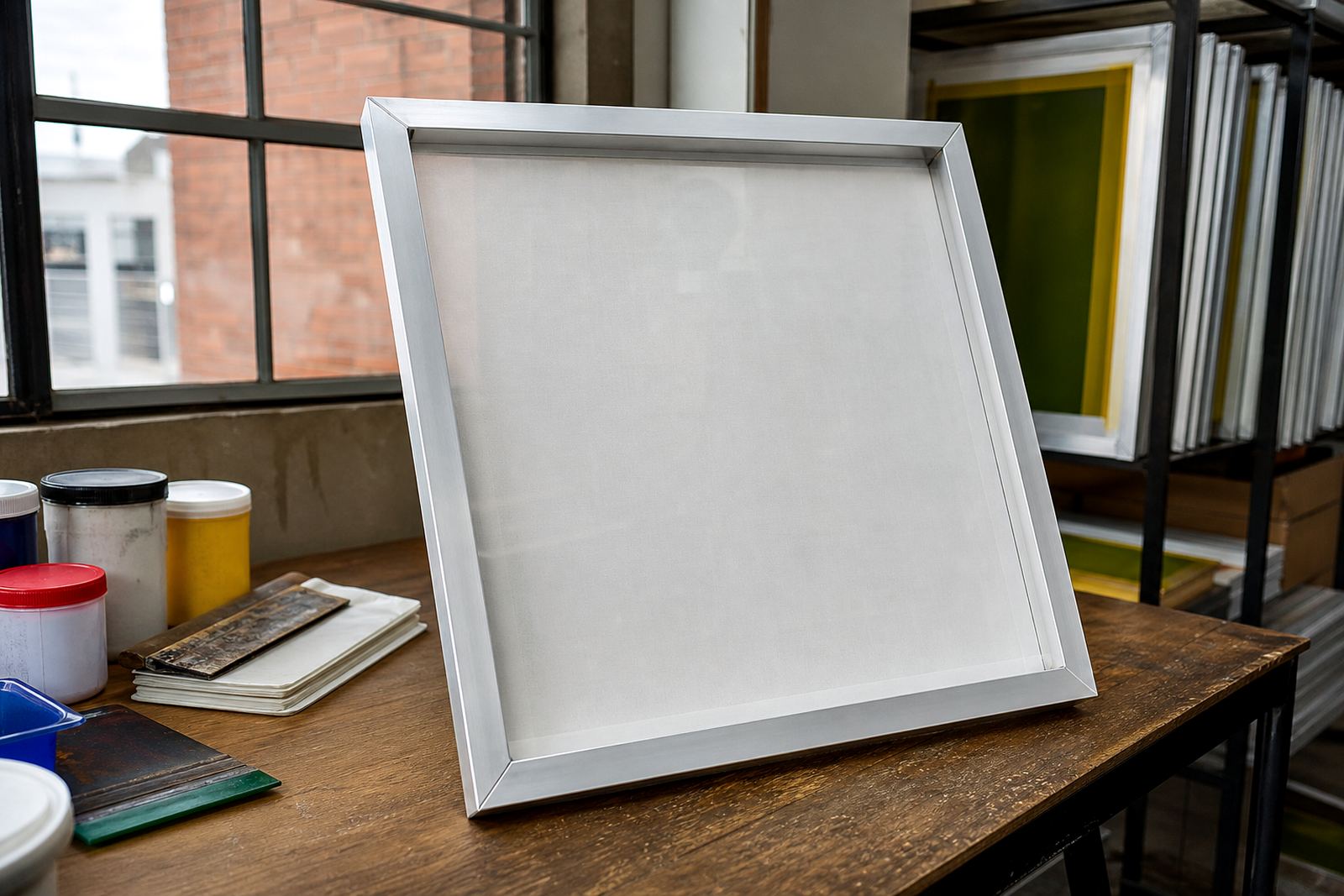
A 90cm frame is a practical choice when you need a wider print area for garments, flat stock, signage panels or repeat production work. In screen printing, the frame size affects how comfortably the mesh can be stretched and how much artwork you can place on the screen, so this size gives you extra room without becoming awkward on many manual or semi-automatic presses.
For shops in Germiston, Johannesburg, Pretoria and other busy print centres, the value is in balance. You get a larger working area for artwork layouts, registration marks and margin space around the image, while still keeping the screen manageable for loading, reclaiming and storage. It is often a good fit for teams handling mixed runs where the same screen may need to work on more than one substrate size. It also helps when a client sends artwork that sits wider than a standard frame allows, and you do not want to force the design into a cramped print area.
Mesh counts and tension options that suit the job
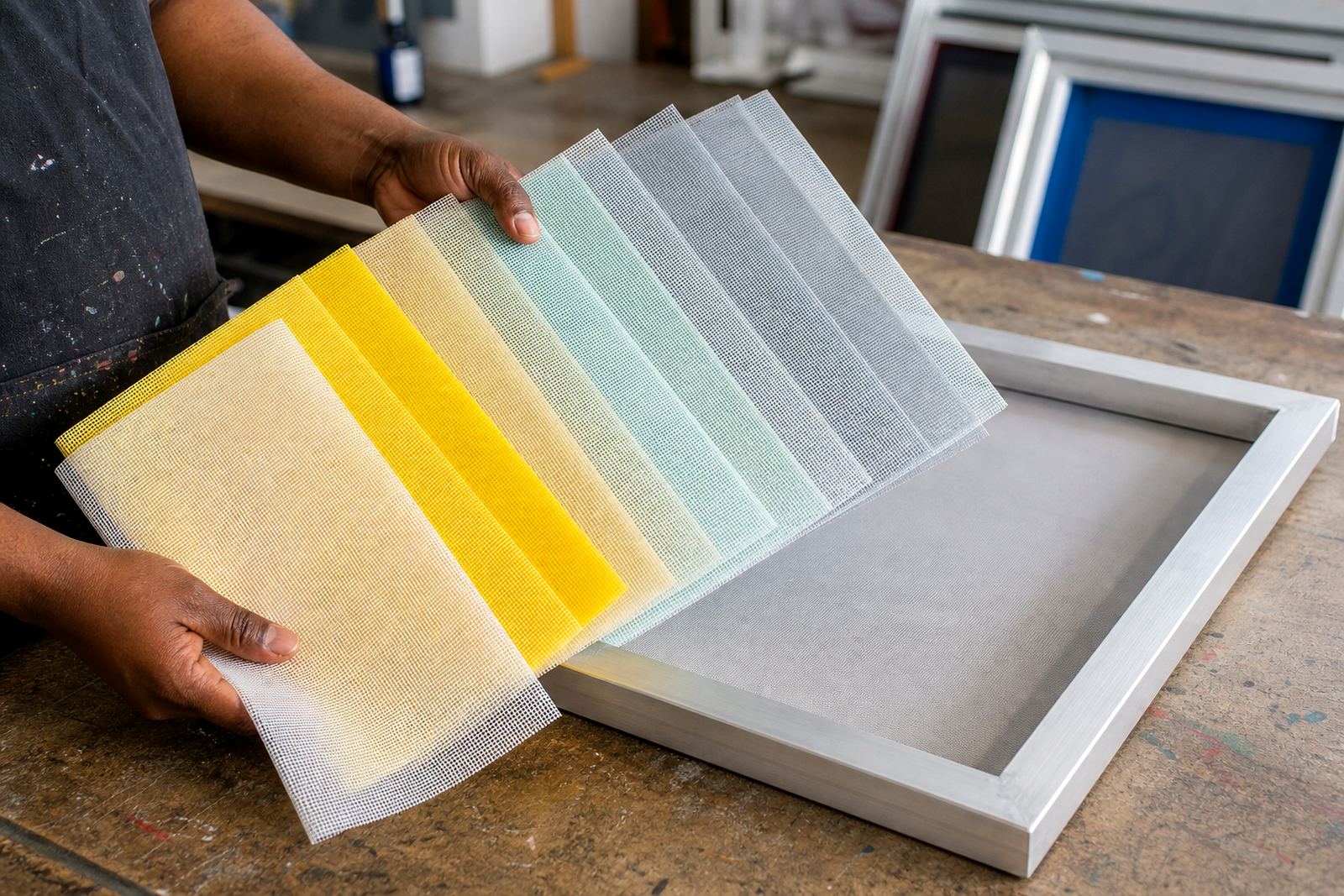
Mesh choice should always match the ink, detail level and the material being printed. Lower mesh counts are commonly used for heavier ink deposits and bold graphics, while finer mesh counts are preferred for small lettering, halftones and detailed work. The right count also depends on whether you are printing on textile, plastic, paper or coated stock.
On a 90cm frame, tension matters just as much as mesh count. A properly stretched screen gives cleaner edge definition, more even ink release and less chance of the mesh sagging after a few runs. That is important in South African workshops where temperature changes, coastal humidity and long print days can affect screen stability. A well tensioned frame helps keep setup consistent, especially when you are printing in batches and need the second screen to match the first one closely.
- Low mesh counts for stronger ink deposit and heavier prints
- Mid-range mesh counts for general garment and signage work
- Fine mesh counts for detail, halftones and tighter artwork
- Matching tension across repeat screens for consistent results
Where a 90cm frame fits best in the workshop
This frame size is suited to print shops that need a bigger image area but still work on standard benches and presses. It is a sensible option for clothing printers handling front, back and oversized artwork, as well as for flatbed work where a wider stencil helps with placement and repeat positioning. If your jobs are split between small runs and larger batch work, the 90cm format can reduce the number of screen changes needed during a shift.
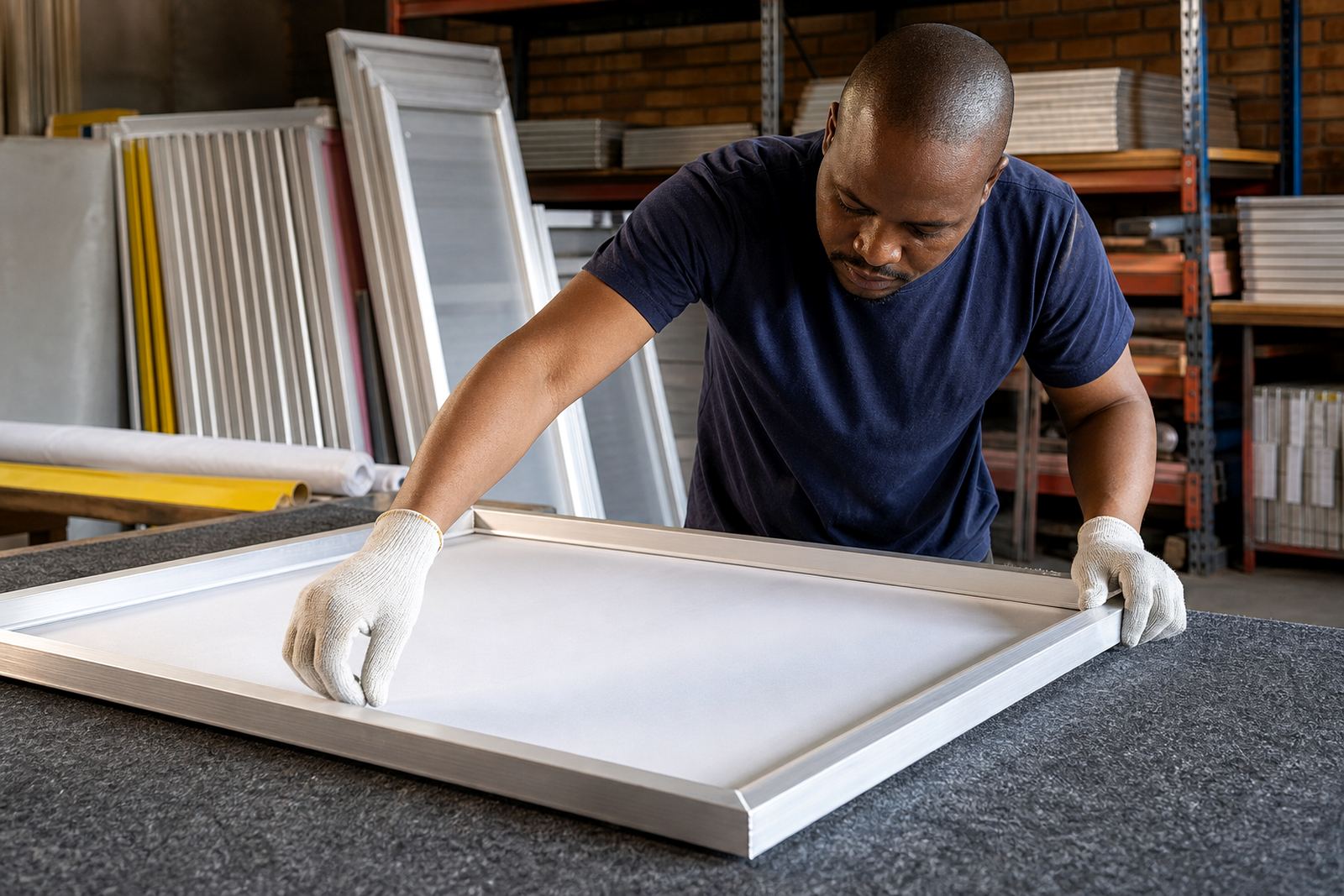
It also helps when you are preparing screens for customers across Durban, Cape Town or Gqeberha, where humidity and transport time can affect a poorly built frame. A strong aluminium frame with even stretching gives better day-to-day handling, and it stands up well in busy production areas where screens are moved, cleaned and stacked often. For shops that offer repeat order service, having this size in a regular frame range makes planning easier and helps with batch screen prep.
- Wide garment prints and oversized artwork
- Flat stock and panel printing
- Repeat production where consistent stencil size matters
- Workshops that need larger screens but limited storage space
Installation, press setup and power needs
The 90cm frame does not need power or gas to use. It is a manual screen-printing component that is fitted into the press or used in preparation before printing. What matters is that the frame size matches the press table, clamps and working clearances in your shop. Before ordering, it helps to check the usable print area on your machine, because the outer frame size and the image area are not the same thing.
If the frame is being used in a shop that works through load-shedding, the advantage is straightforward: once the screen is prepared, printing can continue on manual setups without interruption. That makes it useful for smaller businesses and larger operations alike. If you are arranging a new frame or re-stretching service, our team can advise on frame sizing, mesh count matching and tension checking so the screen is ready for your process, not just the label on the order. It is worth checking the clamp width too, since some presses need extra clearance for wider frames.
Care, cleaning and re-stretching support
Good screen care keeps the frame performing properly and reduces waste. After printing, the mesh should be cleaned with the right reclaiming method for the ink type, then dried fully before storage. Aluminium frames do not like rough handling, bent corners or forced scraping, and a screen that is stored wet in a warm room can develop problems with bonding and print consistency. In coastal areas especially, clean drying habits help reduce corrosion around fittings and keep the mesh stable.
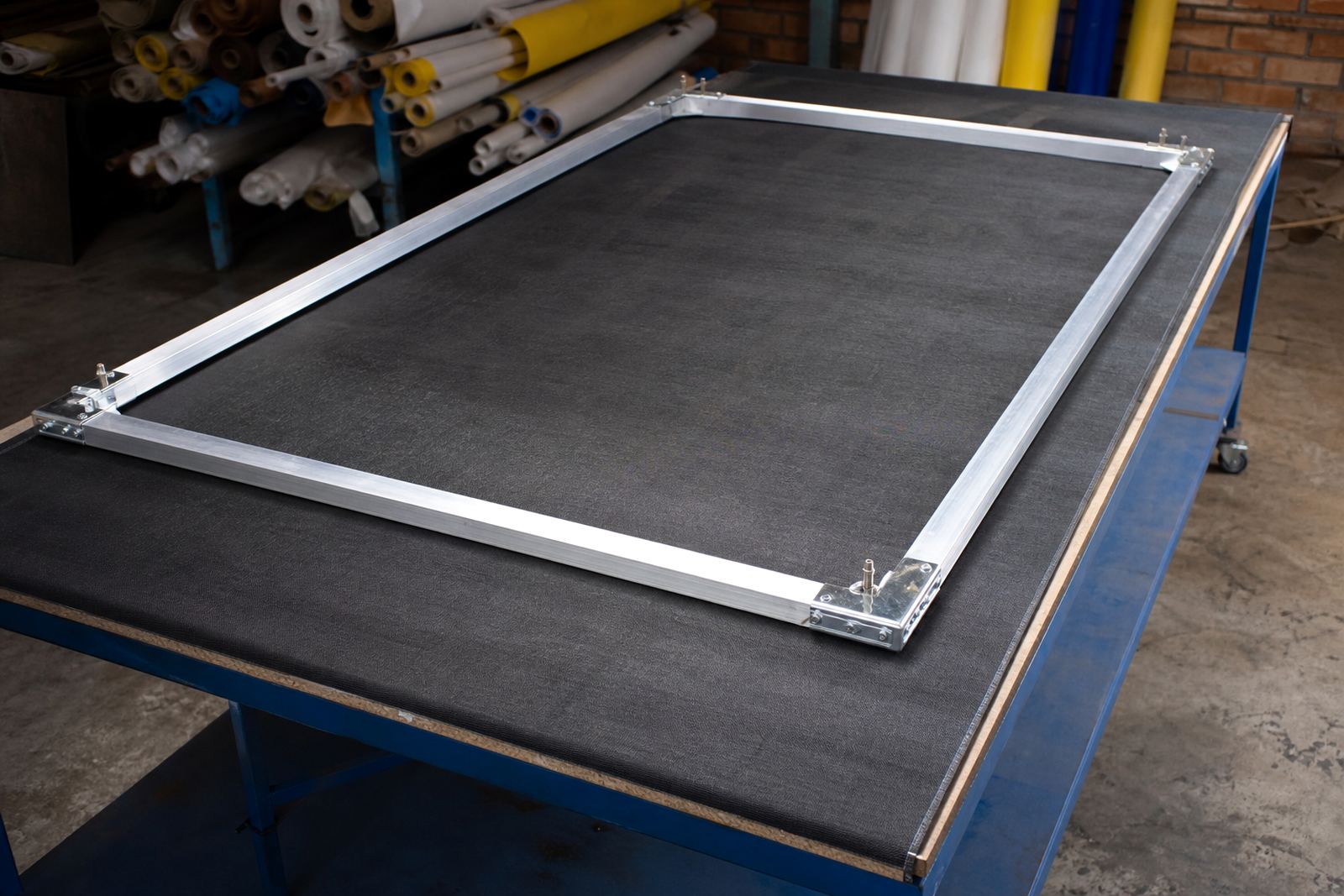
Over time, mesh can lose tension through repeated use, poor storage or heavy wash-up. That does not always mean the frame must be replaced. Frame re-stretching, mesh bonding and tension checking can put a screen back into service if the frame itself is still sound. We also check for clean prep before stretching, because old adhesive, ink residue or dust can affect the bond. A well cared for frame usually gives better consistency and a longer service life, which is what most print shops want when they are trying to keep turnaround steady.
What to check before you order
Ordering the right 90cm frame is easier when you confirm a few basics first. The biggest issue is usually not the frame itself, but the relationship between the frame, mesh count and the job you are printing. If you are unsure, send through the details on the enquiry form and we can help you match the screen to your needs before dispatch.
- Confirm the usable print area you need, not just the outer frame size
- Choose the mesh count based on ink type and artwork detail
- Check whether you need new stretching or re-stretching
- Measure your press clearance and clamp space
- Let us know if the screens are for garment, flat stock or mixed use
- Specify if you want batch screen prep or repeat order matching
For workshops in Midrand, the East Rand and beyond, this is the safest way to avoid delays. A screen that arrives with the right tension and size saves time on setup, and it reduces the chance of trial-and-error on press day. If your team works on fixed runs each week, it helps to keep the same measurements on file so future orders stay consistent.
Key facts
| Product type | Pre-stretched screen-printing frame |
|---|---|
| Frame size class | 90cm format |
| Frame material | Aluminium |
| Mesh options | Low, medium and fine mesh counts available |
| Service options | New frame stretching, re-stretching, tension checking, mesh count matching |
| Power or gas required | None |