What a light profile frame is used for
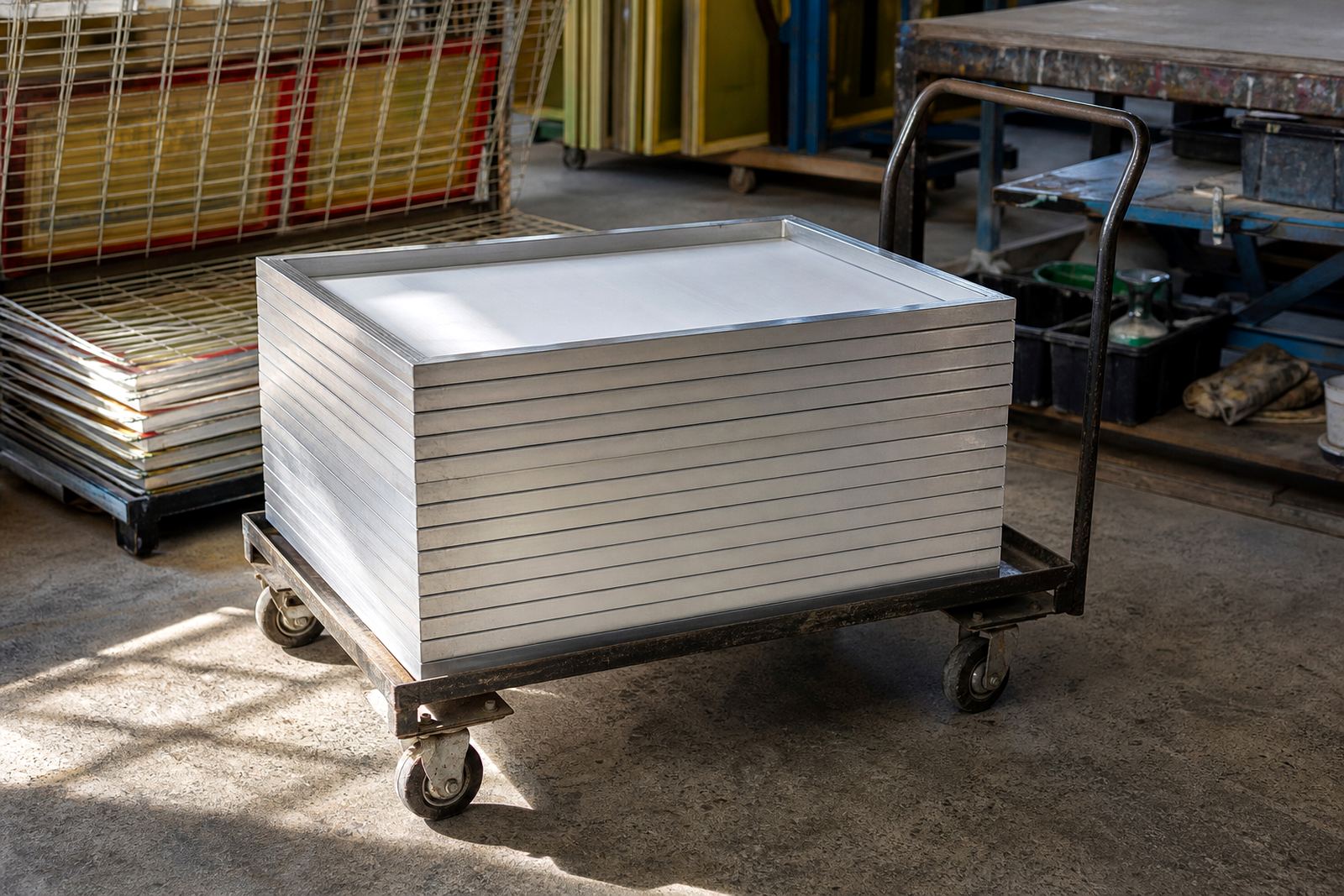
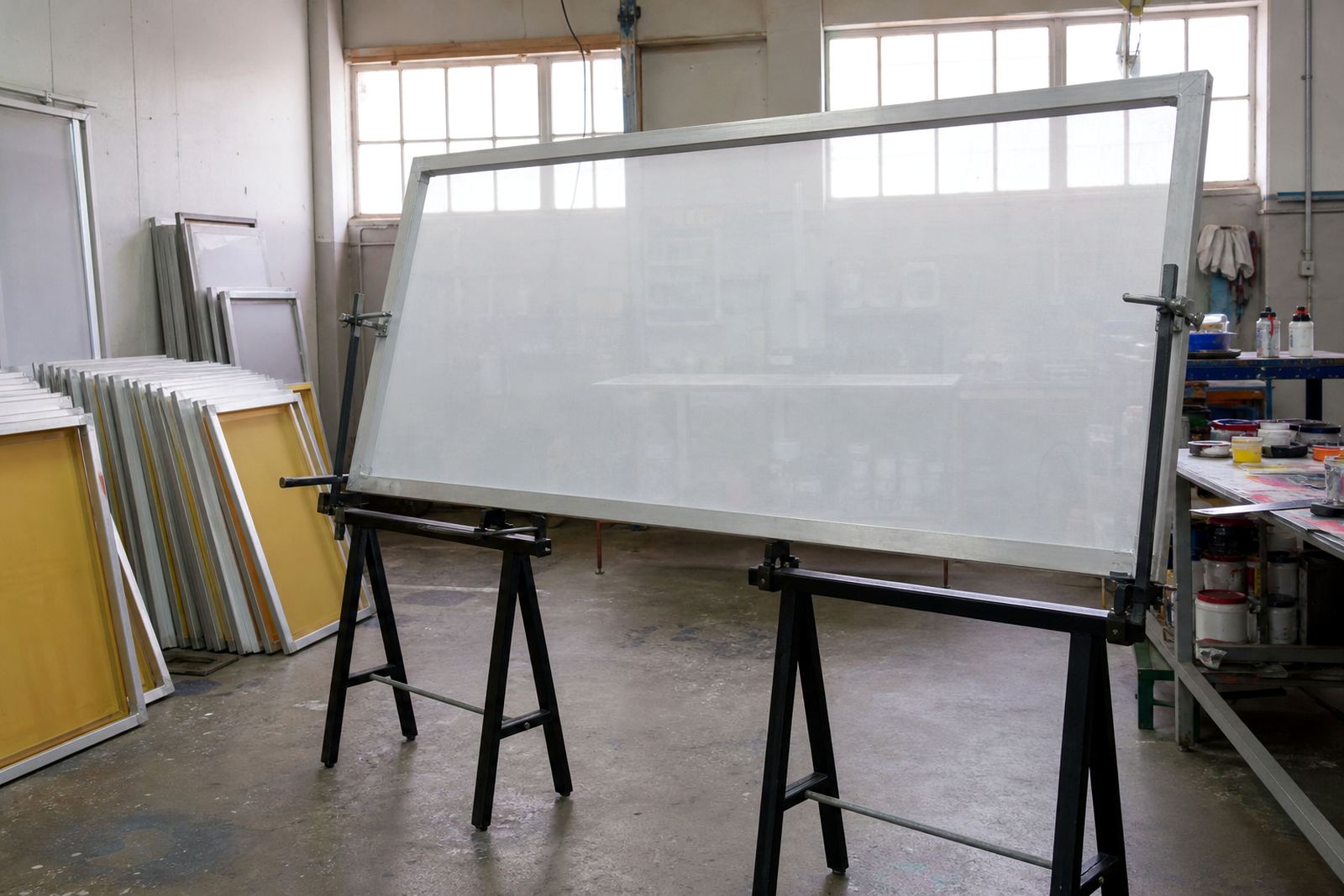
A light profile frame is a slimmer aluminium frame made for day to day screen-printing work where weight matters. It is easier to lift, store and move between washout, exposure and press set-up, which helps in busy shops that handle short runs, repeat orders and frequent screen changes. The lighter section still needs to hold mesh at a steady, even tension, so the frame must be stretched and bonded correctly from the start.
This frame style is commonly used for textile printing, poster work and general shop use where screens are swapped often. It is a sensible option when a shop wants less strain on staff but still needs clean edges, good image transfer and predictable stencil behaviour. In humid coastal areas like Durban and Gqeberha, proper drying and bonding matter even more because moisture can affect mesh stability if prep is rushed.
Sizes, mesh counts and frame options
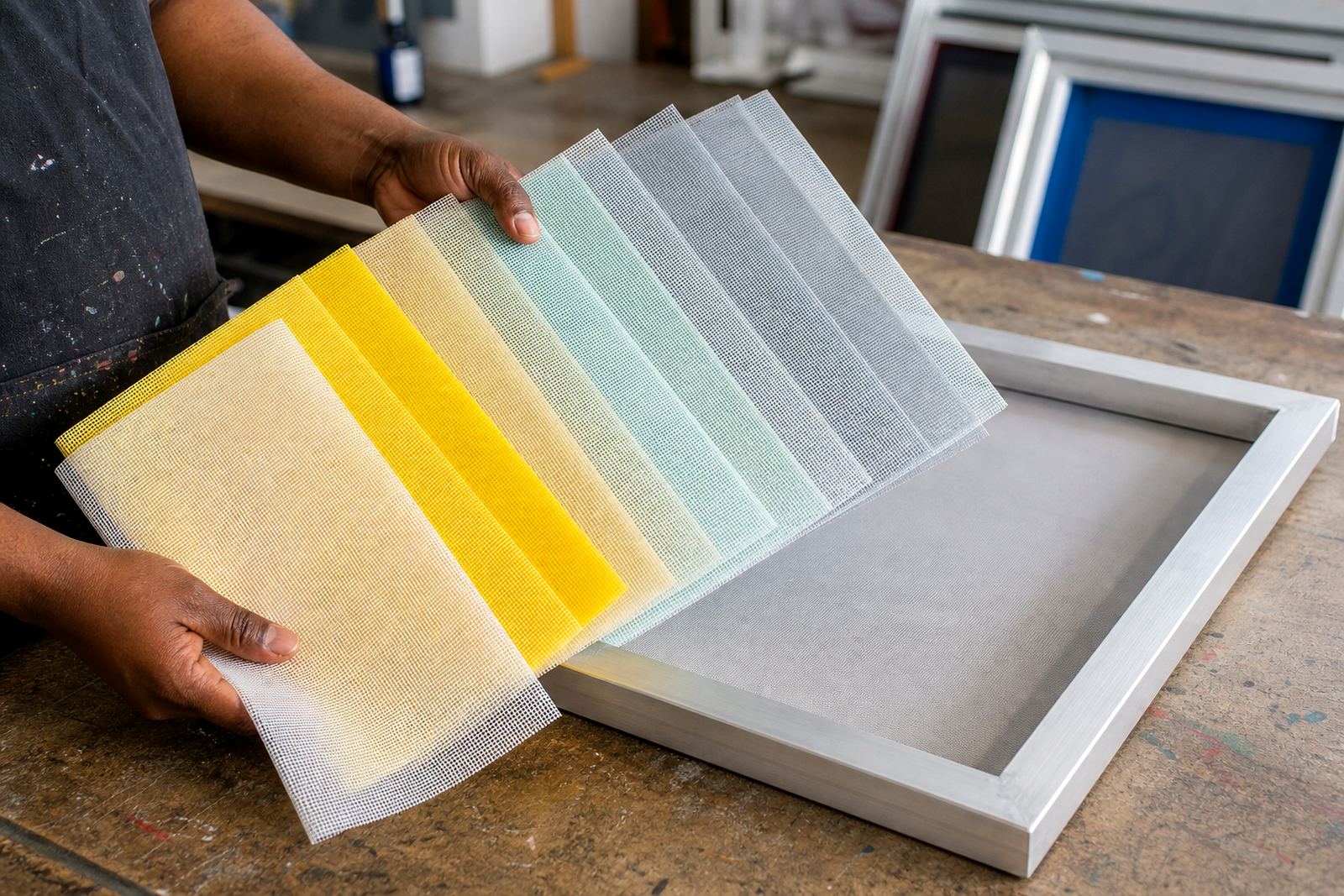
Light profile frames can be made to suit a range of screen sizes and mesh counts. The right choice depends on the artwork detail, ink type and substrate. Coarser mesh counts are often used for thicker inks and bold graphics, while finer mesh counts suit more detailed work and thinner ink deposits. If the mesh count is too open or too tight for the job, print quality can suffer.
Common order details to check include:
- Overall frame size and the open print area needed
- Mesh count required for the artwork and ink
- Mesh colour, where a specific sight line or exposure result is preferred
- Frame profile size and how it must fit your clamps or press
- Whether you need a new stretch or a re-stretch on an existing frame
If you are matching an existing setup, the same mesh count on paper may still print differently if tension, thread thickness or frame size changes. That is why it helps to confirm the full screen setup, not only the mesh count.
Where this frame suits best
This frame suits print shops that do regular screen changes and need a lighter screen for day to day handling. It is a good fit for small to medium production spaces, training rooms and shops that keep several screens ready for repeat jobs. It also works well where operators need to carry screens between prep tables, drying racks and the press by hand.
It is often chosen where the business needs a practical balance between strength and easy handling. If your team is working around load-shedding schedules, having screens that are easier to move and store can help keep the workflow tidy when the power comes back and the presses start again. In shops with limited floor space, the lighter profile also helps with stacking and storage.
- Frequent screen changes
- Short and repeat print runs
- General screen-printing shops with hand handling
- Training and sample work
- Operations that need lighter screens for easier lifting
Installation and what the frame needs
Light profile frames do not need power or gas to install. The key requirement is proper mesh stretching, clean frame prep and correct bonding so the screen stays stable under print pressure. A well-prepared frame should sit square, hold tension evenly across the whole print area and remain consistent through repeated use. Any twist in the frame or uneven stretch can show up as image shift, poor registration or soft edges.
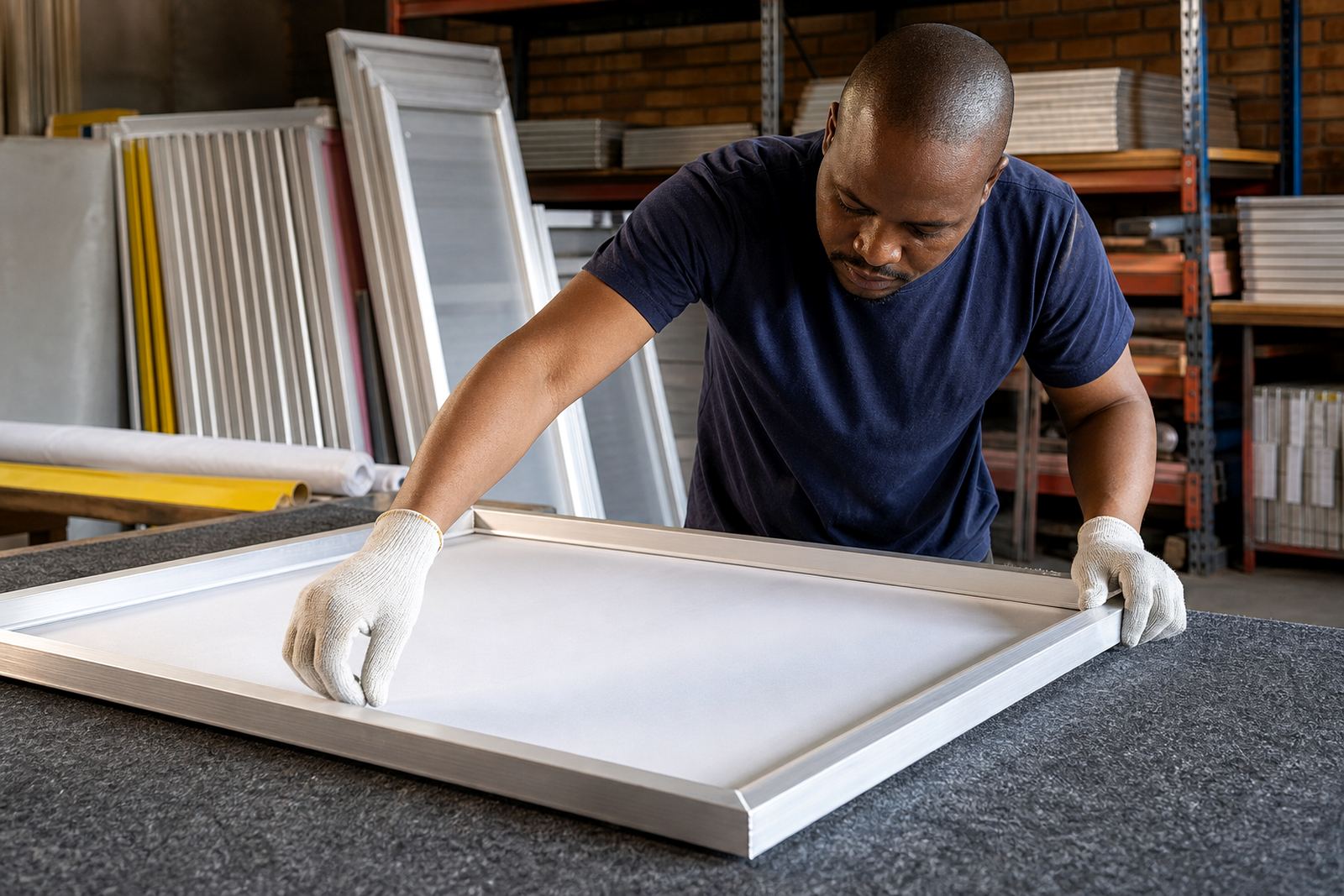
When fitting a new screen or replacing mesh, the frame should be checked for clean surfaces, straight corners and suitable adhesive contact. In dusty industrial areas around Germiston and the East Rand, good cleaning before bonding is important. If there is old adhesive, ink residue or corrosion on the contact face, the new mesh may not hold as well. For shops doing high repeat work, consistent frame prep is as important as the mesh itself.
Care, servicing and re-stretching
With regular use, a light profile frame benefits from planned care. Wash screens soon after printing so ink does not harden in the mesh, and avoid dragging the frame on rough surfaces. After cleaning, let the screen dry fully before storage. If screens are stacked while damp, especially in coastal humidity, the mesh can slacken over time and the frame may need earlier re-tensioning.
Servicing can include re-stretching, mesh replacement, tension checking and frame clean prep. These services are useful when a screen starts to lose print clarity, the stencil breaks down sooner than expected, or the mesh no longer behaves the same across the screen. A good servicing cycle can extend the life of the frame and keep repeat jobs printing the same way from one run to the next.
- Check tension before each repeat run
- Keep the frame free of ink build-up and adhesive residue
- Store in a dry, level position
- Inspect corners and edges for knocks or lifting mesh
- Re-stretch when print detail starts to drift
What to confirm when placing an order
Before ordering a light profile frame, confirm the mesh count, final size and whether you need a new frame or a re-stretch on an existing one. It also helps to confirm what ink system you are using, the level of detail in the artwork and whether the screen will be used for fine detail, bold graphics or regular repeat production. If the frame must fit a specific press or clamp setup, send those measurements clearly.
Useful details to provide with your enquiry include the open image size, outside dimensions, desired mesh count and whether you need batch screen prep for several screens at once. If you are supplying across Johannesburg, Pretoria, Durban, Cape Town or Gqeberha, it helps to mention your delivery area and any timing needs. Clear order details reduce errors and make it easier to match the frame to the print job first time.
For shops that keep a repeat order list, the same frame specification should be kept on file so follow-up screens stay consistent. That matters when you are building a stable screen library for ongoing production.
Key facts
| Frame type | Light profile aluminium screen-printing frame |
|---|---|
| Typical use | Regular screen changes, repeat runs and general shop handling |
| Mesh support | Suitable for a range of mesh counts from coarse to fine |
| Frame handling | Lighter to lift, move and store than heavier profile frames |
| Installation needs | No power or gas required, only proper stretching, bonding and prep |
| Service options | New frame stretching, re-stretching, tension checking and frame clean prep |