
What 140T mesh is used for
140T mesh is a high mesh count screen mesh chosen when the print needs precision rather than heavy ink laydown. The tighter weave holds finer stencil detail and helps keep ink deposit more controlled, which is useful for line work, small text, halftones and detailed graphics on flat substrates. In simple terms, it lets you print cleaner images with less flooding through the mesh.
In screen printing terms, 140T is usually selected for work that needs a smoother finish and a lighter ink layer. It is not the first choice for heavy white underbases or thick textile deposits, but it works well where registration, detail and clean edge definition are the main concern. For many shops, it becomes the mesh count used when artwork starts getting small, busy or delicate.
Sizes, cut options and frame pairing
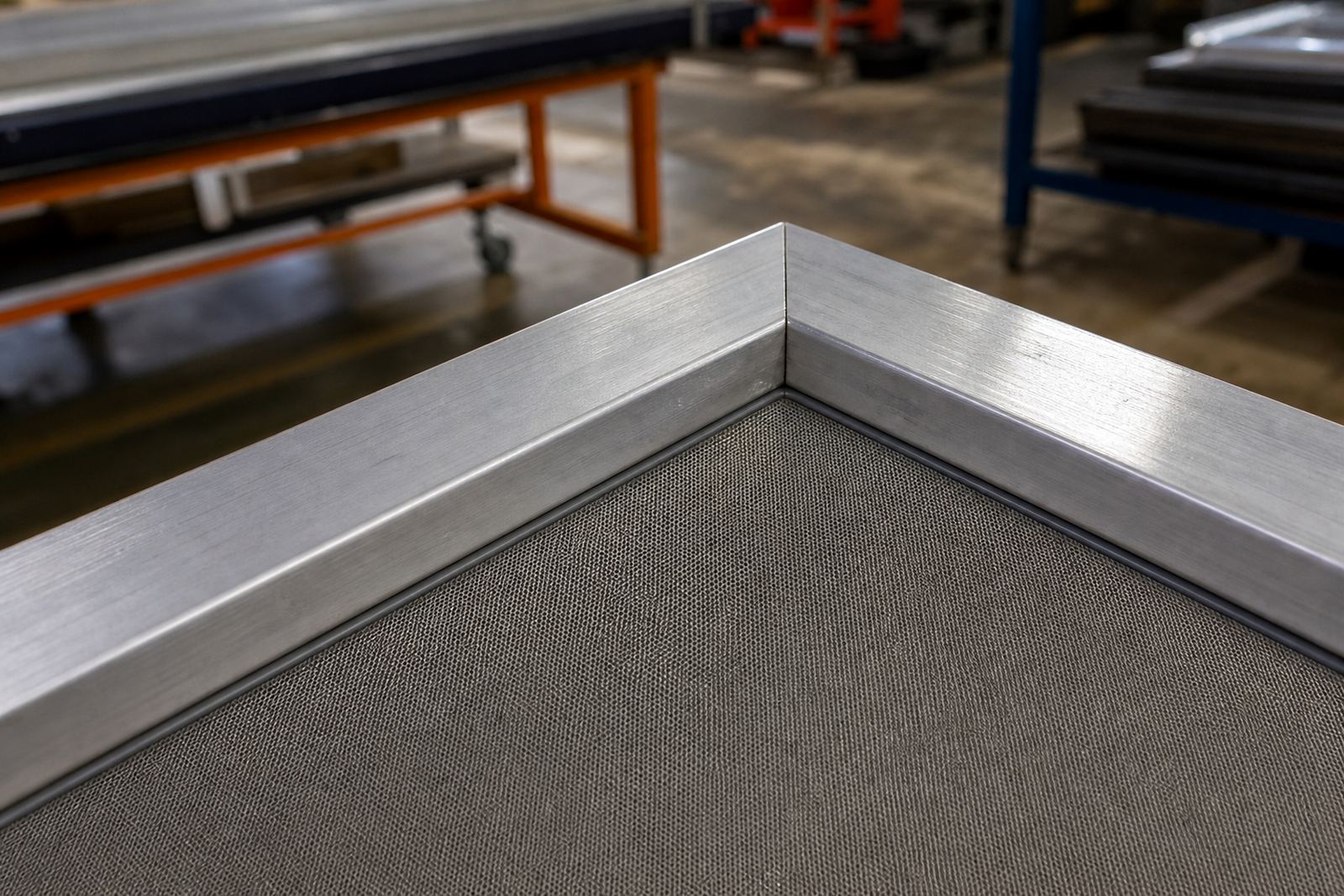
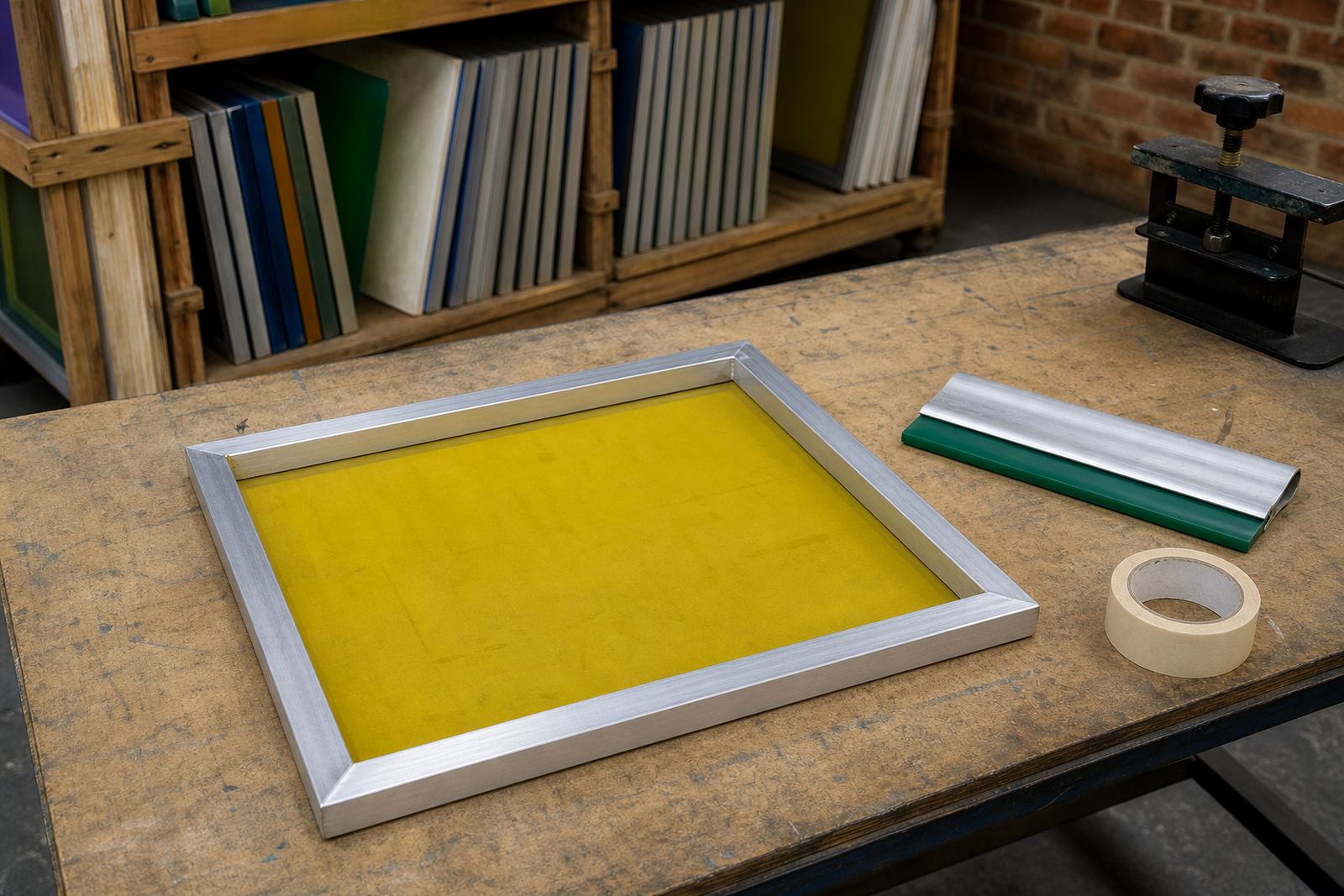
We supply 140T mesh as material for new frame stretching and for re-stretching existing frames. It can be matched to different frame sizes depending on your workshop setup, artwork size and print method. Pre-stretched aluminium frames are a practical choice for shops that want steady tension and a lighter frame for handling, washing and storage.
Common ordering choices include mesh supplied by the roll or cut to suit a frame, with the final fit depending on the inside dimensions of the frame and the image area you need. For accurate stretching, the mesh must be sized with enough spare material for clamping and tensioning, then trimmed clean after bonding. If you are using a mix of frame sizes, it helps to keep a clear record of mesh count, frame opening and intended use so the right screen is used for each job.
- Suitable for pre-stretched aluminium frames and re-stretching work
- Available to suit custom frame sizes and batch screen prep
- Best when paired with artwork that needs fine detail and controlled ink flow
Where 140T suits best in the print shop
This mesh count is commonly used for finer graphic work, labels, spot colour detail and jobs where ink build-up must stay under control. It can also suit work that needs neat half-tone reproduction, small reverse type and smooth edges on coated or flat stock. Many print rooms keep 140T for the stage where a job needs a cleaner finish than a lower mesh count can offer.
It is less suited to very heavy deposits or coarse textures, so it is worth matching it to the print method before stretching a run of screens. Shops in Gauteng and coastal towns often keep a separate set of screens for finer work because humidity, wash-up speed and storage conditions can affect how long a screen stays in good working order. A well-prepared 140T screen should pull clean prints without forcing excess ink through the stencil.
- Fine line graphics and small text
- Halftones and detail-heavy artwork
- Controlled ink deposit on flat substrates
- Repeat work where registration consistency matters
Stretching, tension and setup matters
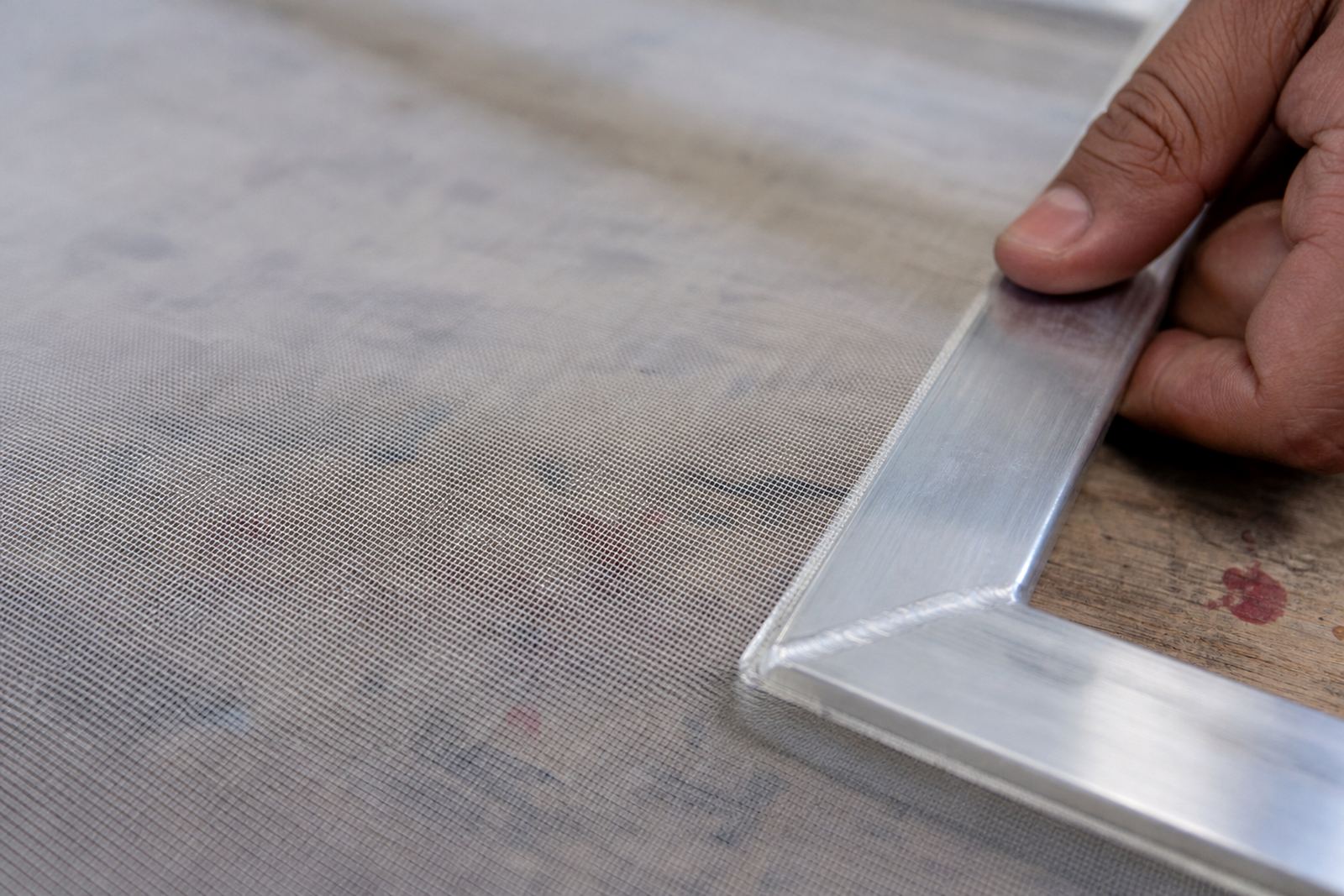
For 140T mesh, even tension is critical. If one side is tighter than the other, the screen can distort the stencil and cause print gain, poor registration or uneven ink release. The frame should be clean, grease-free and fully prepared before bonding. Good mesh bonding and proper tension checking help the screen stay stable from the first print through to the last.
No special power or gas supply is needed for the mesh itself. What matters is proper frame prep, clean workspace conditions and the right stretching method. If your shop is operating around load-shedding schedules, it is still possible to plan screen prep work carefully because the main requirement is manual handling, inspection and drying space rather than powered machinery. Keep screens away from direct sun, dust and moisture while curing or storing.
- Check tension across the full image area, not only at the corners
- Make sure the frame is clean before mesh bonding
- Store finished screens flat or upright in a dry, dust-free area
Care, cleaning and screen servicing
After printing, 140T mesh should be cleaned promptly so ink does not dry into the weave. Use suitable screen wash-up methods for the ink system in use, then inspect the mesh under good light for blocked openings, stencil residue or damage. Fine mesh counts can hold small particles, so a proper wash cycle helps preserve print quality and extends screen life.
If a screen begins to lose tension, shows damaged mesh or starts printing unevenly, re-stretching may be the better option than replacing the whole frame. A careful re-stretch can restore a screen for repeat use, provided the frame is sound and the bond area is still in good condition. In damp coastal conditions like Durban or Gqeberha, storing screens too long with residue still on them can lead to extra cleaning work later, so regular servicing is worth the time.
What to check before you order
Before placing an order for 140T mesh, it helps to confirm the job requirements and the frame details. That saves time and avoids the wrong mesh count being used for the artwork. If you are matching screens for a recurring job, keep your previous setup notes close by so you can repeat the same result.
- Frame size and whether it is aluminium or another frame type
- Intended use, such as fine graphics, text or halftones
- Whether you need new frame stretching or re-stretching
- Desired print finish and ink deposit
- Any existing screen setup you want matched
- Delivery area, especially if you need supply to Germiston, Johannesburg, Pretoria, Durban, Cape Town, Gqeberha or the East Rand
Our team in Germiston handles mesh count matching, tension checking, frame clean prep, batch screen prep and dispatch packing for print shops across South Africa. If you need advice on whether 140T is the right choice, we can help you line up the screen setup with the artwork before the frame is stretched.
Key facts
| Mesh count | 140T |
|---|---|
| Typical use | Fine detail graphics, halftones, small text and controlled ink deposit |
| Frame compatibility | Pre-stretched aluminium frames and re-stretched existing frames |
| Tension target | Even, stable tension suitable for repeat screen printing work |
| Power or gas needs | None for the mesh itself; standard workshop prep and curing space only |
| Service options | New Frame Stretching, Frame Re-Stretching, Mesh Count Matching, Tension Checking, Frame Clean Prep |