What the Fine Detail Screen is built for
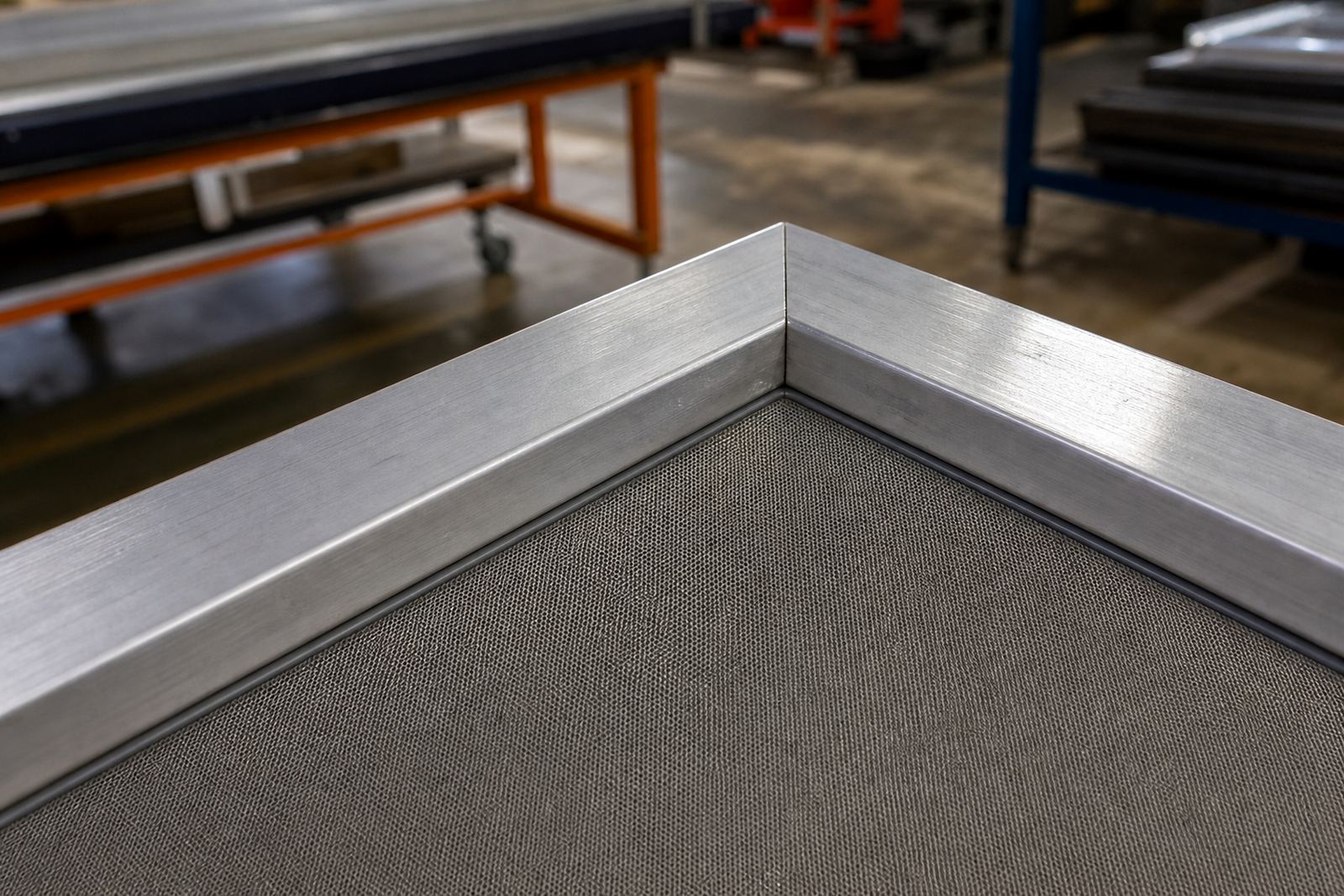
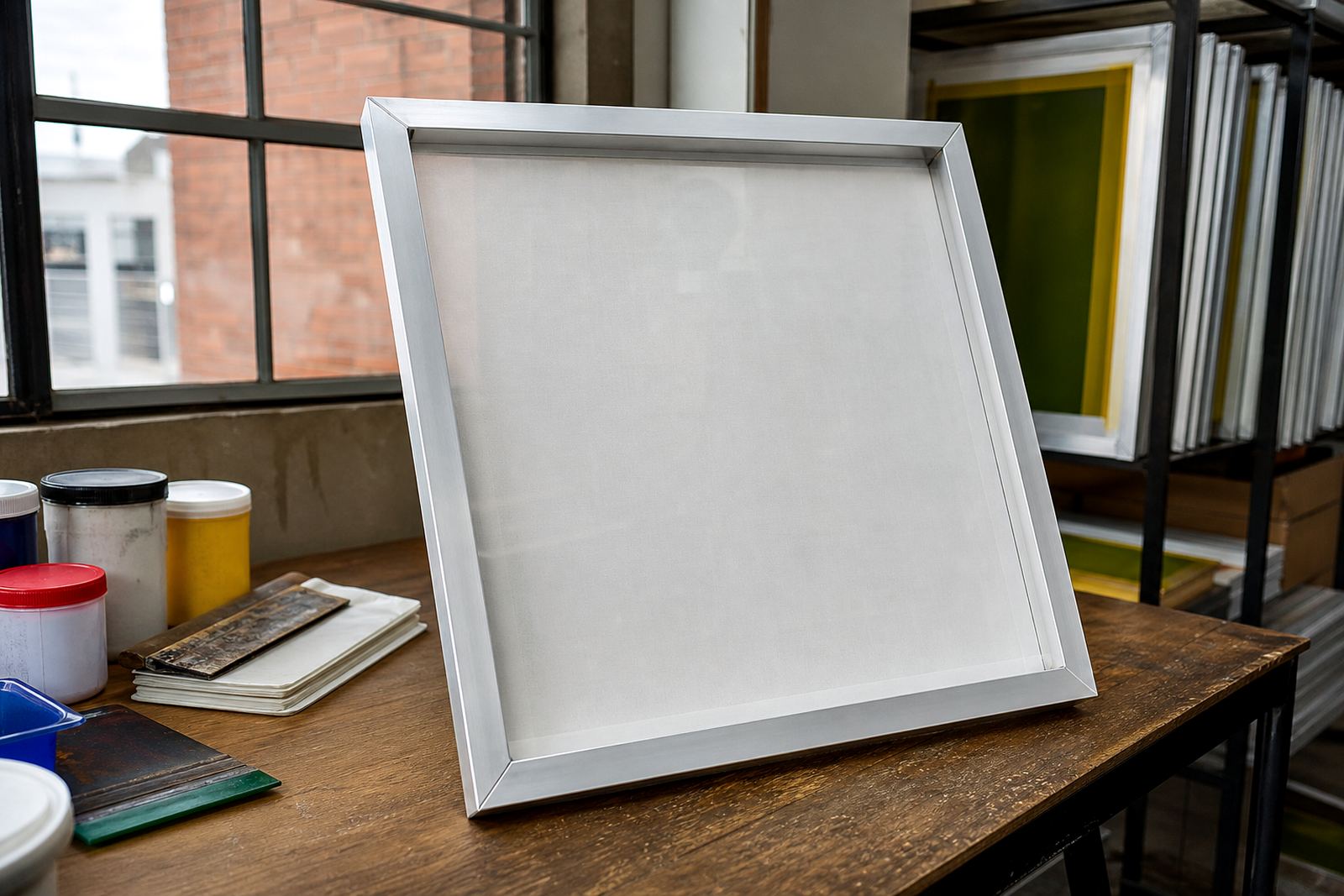
The Fine Detail Screen is a ready screen supplied on a pre-stretched aluminium frame with mesh selected for fine artwork. It is used where small type, line work, halftones and close registration need a steady mesh surface and consistent tension across the print area. In screen-printing terms, the finer the detail on the artwork, the more important mesh choice, tension and stencil support become.
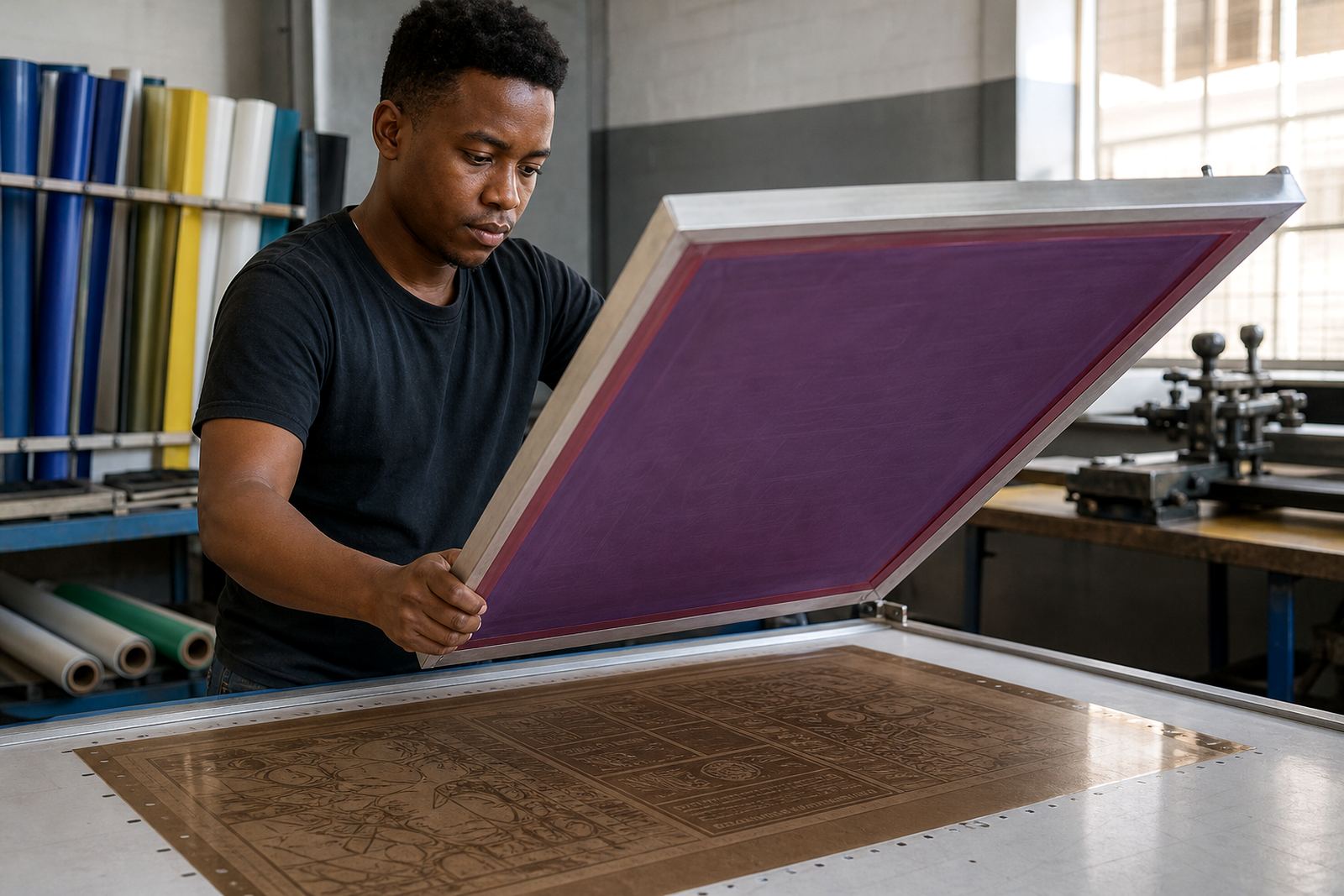
This product is generally suited to work where a more controlled ink film is needed than on a coarse general-purpose screen. It helps reduce edge spread on fine text and keeps detail cleaner on high-resolution designs. If the artwork includes very small halftones or thin lines, the screen setup must match the job closely, otherwise the print can fill in or lose definition.
Because the screen is already stretched and prepared, it saves time on setup in busy shops in Germiston, Johannesburg, Pretoria and further afield. It is a practical option for repeat orders, short runs and jobs that need the same result from screen to screen.
Mesh counts, tension and the print result
Mesh count is one of the main factors that decides how much ink passes through the screen. Higher mesh counts hold more detail and place a thinner ink deposit, while lower counts suit heavier coverage. For fine detail work, print shops often choose a finer mesh range for line work, small lettering and more controlled halftones. The right mesh count depends on the ink system, artwork and substrate, not just the image size.
Tension matters just as much as mesh count. A well tensioned screen helps the squeegee move cleanly across the mesh and reduces bounce, wobble and print distortion. When tension drops, fine detail can blur and registration becomes harder to hold. MeshMaster checks tension during preparation so the screen is ready for use, not just stretched by eye.
- Finer mesh counts for small text, sharp edges and halftones
- Medium-fine options for general detail with a bit more ink load
- Higher tension for better snap-off and cleaner print release
- Even stretch across the frame to help avoid image distortion
For most shops, the best result comes from matching mesh count and tension to the actual job rather than choosing a screen by habit. That is where proper screen setup saves time and reduces waste.
Sizes, frame options and common order choices
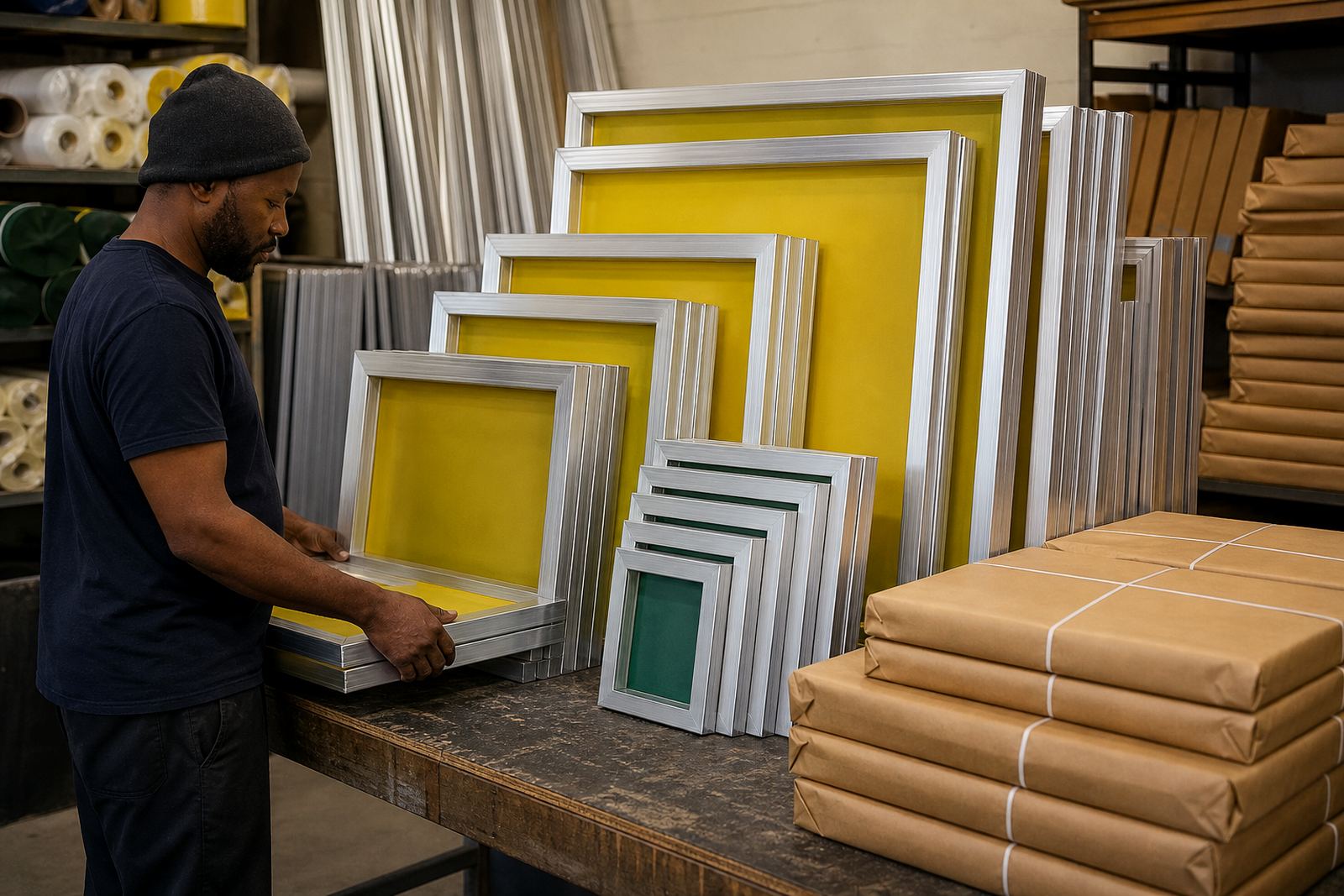
Fine Detail Screen units are supplied in practical frame sizes used in day-to-day production. Custom frame sizing is also available when the artwork area, press size or registration system calls for a specific fit. Aluminium frames are a common choice because they stay stable, resist warping better than timber and cope well with repeat handling in a production room.
Order choices usually depend on the print format and how the shop sets up its jobs. A larger frame can give better clearance and easier handling on a press, while a tighter frame may suit compact work. The mesh itself is selected for the detail level required. If the job carries very fine type or small halftone dots, ask for mesh count matching so the screen is suited to the image rather than adjusted after the fact.
- Standard and custom frame sizes available
- Aluminium frames for stable repeated use
- Mesh count matching for specific artwork requirements
- Batch screen prep for repeat jobs and ongoing production
When ordering, it helps to send the finished artwork size, the substrate, the ink type and whether the job is for manual or mechanical printing. Those details make it easier to supply the right screen first time.
Where this screen suits best
The Fine Detail Screen is used where clarity matters more than heavy ink deposit. It suits labels, fine logos, detailed illustrations, small-run garments, promotional items and specialty print work that needs clean edges. On smooth surfaces, the finer mesh can help preserve sharp detail. On rougher surfaces, the artwork may need a different mesh choice or a second screen for better coverage.
It is also useful for shops handling repeat work across Johannesburg, Durban, Cape Town and Gqeberha, where the same design must stay consistent from one order to the next. For print rooms dealing with load shedding and mixed production schedules, a ready screen means less time lost to stretching and less risk of starting over if a frame is out of spec.
For coastal areas, proper storage is important because humidity can affect mesh handling, adhesive performance and screen cleanliness. A ready screen still needs the same care as any production screen once it arrives on site.
Installation, power and gas needs
This product does not need power or gas for use once it is in the print room. It is a manual production item that is mounted onto the press and set up through normal screen-printing procedures. There are no electrical connections, burners or gas fittings to plan for. The only installation requirement is that the screen is properly seated, aligned and ready for the chosen frame or press system.
Before first use, check that the mesh is clean, the stencil area is sound and the frame edges are free from damage. If the screen is part of a new batch, confirm the registration marks and print area before going live on the job. A quick check at this stage saves time later, especially on fine detail work where any movement shows up immediately.
- No power connection required
- No gas supply required
- Fits standard screen-printing press setup routines
- Best used with correct registration, clean frames and proper support
If a shop is setting up a new production area or replacing older screens, the main concern is fit and handling, not installation hardware. The screen should be easy to place, remove and store without twisting the frame.
Care, cleaning and servicing between jobs
Fine detail screens need careful handling because the mesh openings are smaller and more sensitive to clogging. After use, clean out ink promptly and avoid harsh scraping that can damage the mesh or disturb the tension. Frame clean prep before the next run helps reduce contamination and supports better adhesion when the screen is reclaimed or re-used.
Storage also matters. Keep screens flat or properly racked so the frame stays straight and the mesh does not take unnecessary strain. In humid coastal conditions, dried ink and moisture can create problems if screens are left uncleared for too long. In Gauteng, dust and heat can also affect the surface if screens are left uncovered. A tidy wash-up routine is worth the time.
MeshMaster can assist with frame re-stretching, tension checking, mesh bonding and screen inspection if a screen needs attention after repeated use. If you notice loss of tension, uneven print release or pinholes in the image area, it is better to service the screen before the next job rather than pushing it through another run.
What to check before you place an order
To get the right Fine Detail Screen, check the artwork closely and match the screen to the job rather than guessing. Small differences in mesh count, frame size or tension can change the final print. If the job must repeat later, keep the same details on file so the replacement screen can be matched more accurately.
- Finished artwork size and print area
- Substrate type, such as textile, paper or other flat surface
- Ink type and whether a thinner or heavier deposit is needed
- Level of detail, including fine text, lines or halftones
- Preferred frame size or press fit
- Whether you need a new screen or a repeat screen set-up
If you are unsure, send the job details through the enquiry form on the contact page and ask for screen setup advice. That helps match the mesh count, frame and tension to the work at hand, not just the name of the product. For shops in Pretoria, Midrand, the East Rand and across South Africa, that sort of prep can make the difference between a clean first pass and a long rework day.
Key facts
| Product type | Ready screen for fine detail printing |
|---|---|
| Frame material | Pre-stretched aluminium frame |
| Mesh options | Fine mesh counts selected for sharp detail and controlled ink deposit |
| Common use | Small text, line work, halftones and precise artwork |
| Installation needs | No power or gas required; standard press setup only |
| Service options | New Frame Stretching, Frame Re-Stretching, Mesh Count Matching, Tension Checking |