What a Textile Screen Is Used For
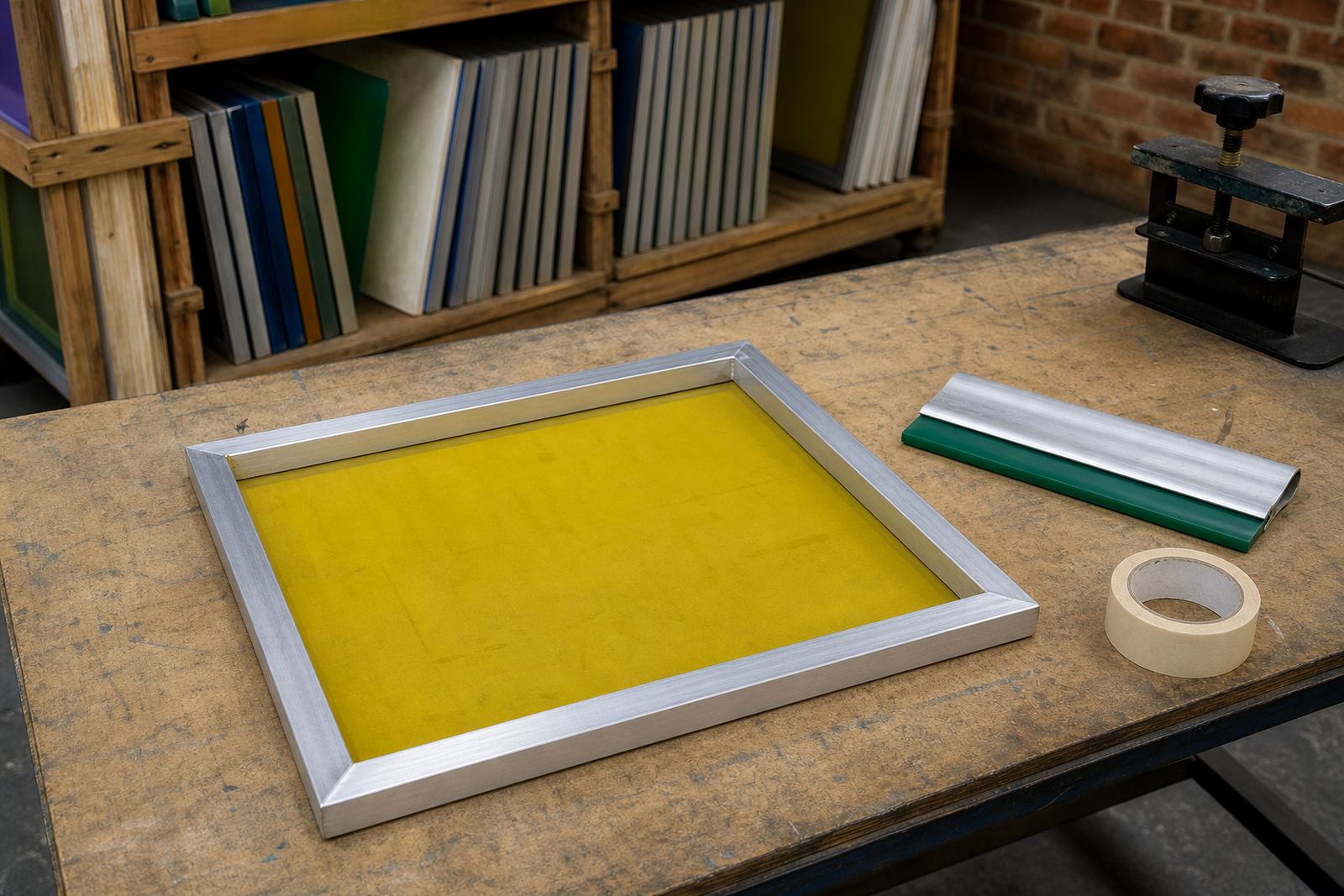
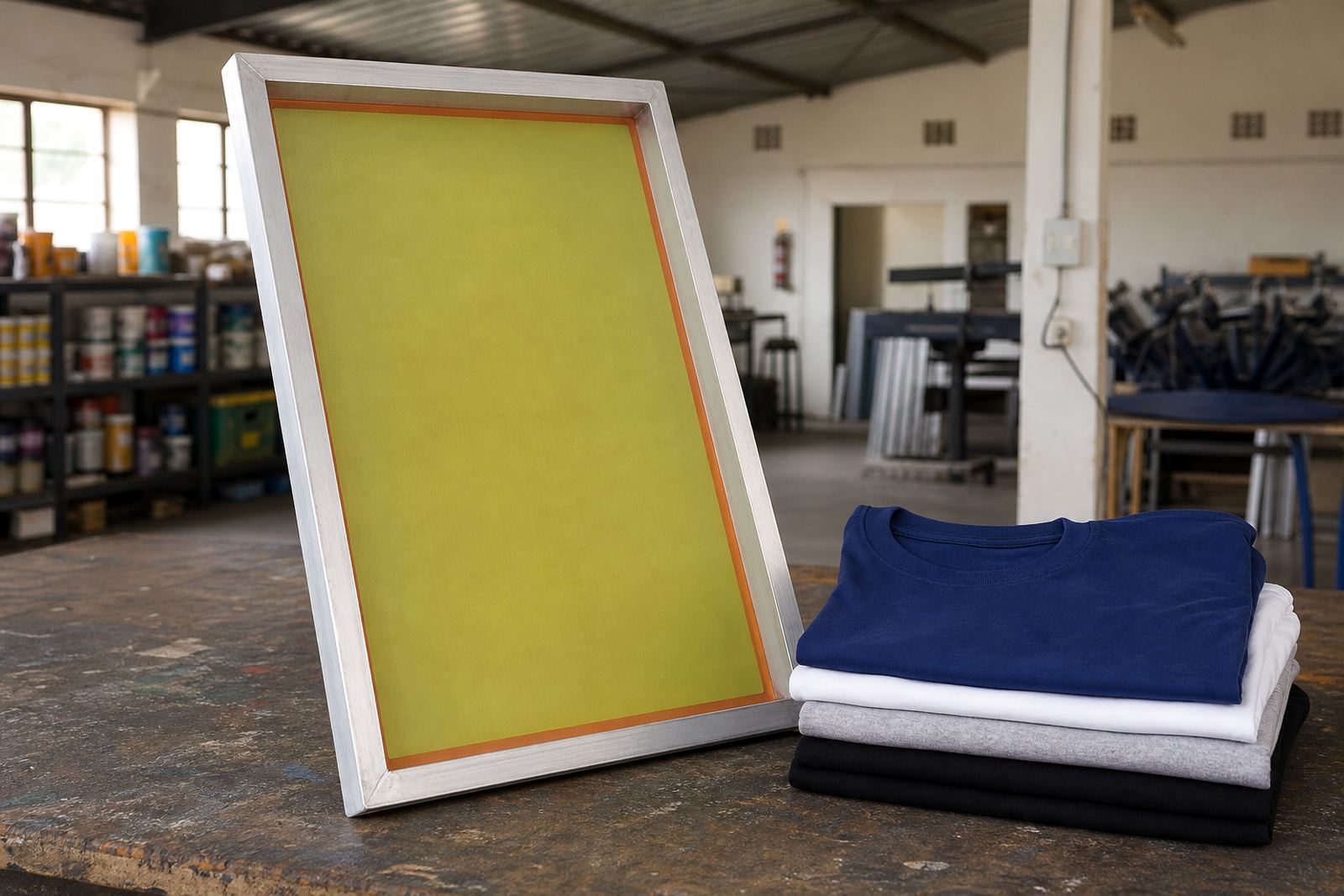
A textile screen is a pre-stretched frame set up for printing on garments, bags and other fabric items where controlled ink flow matters. In practical terms, it is the working screen you pull ink through when printing on cotton, polycotton and many blended fabrics. The mesh count, thread thickness and frame tension all affect how much ink passes through, so the screen has to match the artwork and the ink system being used.
For garment work, the screen must hold fine detail on text and line art, but still release enough ink for even coverage on solid areas. A lower mesh count is usually chosen for heavier deposits and larger blocks of colour, while a higher mesh count suits finer detail and thinner ink layers. If the tension drops, you will see poor registration, fuzzy edges or uneven print results, so repeat-use screens need to stay consistent from job to job.
- Common use: t-shirts, hoodies, tote bags and workwear
- Typical need: good ink release with accurate detail
- Key factors: mesh count, tension, frame size and frame condition
Mesh Count Options for Textile Work
Different textile jobs call for different mesh counts, and the right choice depends on the ink, artwork detail and fabric type. Lower counts are often used for thick white inks, underbases and bold graphics, while medium to higher counts are suited to finer line work, halftones and smaller text. A properly matched mesh helps the print shop keep the press moving without wasting ink or fighting constant touch-ups.
MeshMaster supplies textile screens for common garment printing needs, including screens suited to open print areas, medium detail and finer detail work. If you are printing across multiple garment types, it helps to keep a set of screens with different mesh counts ready for specific jobs. That way, you can move faster between orders and keep print results more consistent, even when the workload changes through the week.
- Lower mesh counts for heavy ink deposits and underbases
- Medium mesh counts for general textile printing
- Higher mesh counts for fine detail, thin inks and cleaner edges
Frame Sizes, Tension and Repeat Use
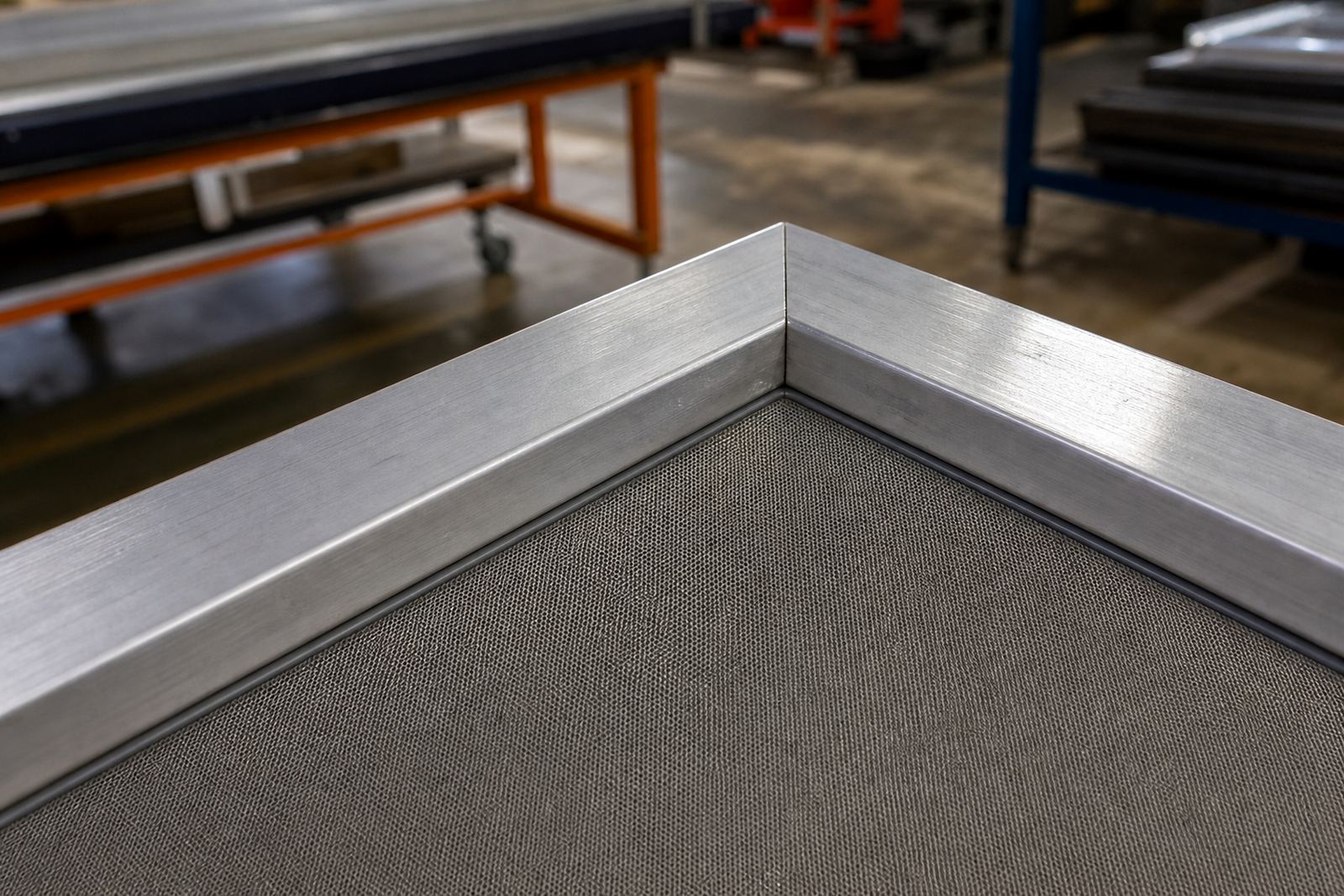
Pre-stretched aluminium textile screens are chosen because they keep their shape better than temporary setups and they are easier to reuse once the mesh has been cleaned and inspected. Frame size depends on the press, the artwork and the print area you need, so the screen should leave enough margin for registration marks and squeegee clearance. In many shops, a set of standard sizes covers most production work, with custom sizing added for oversized prints or narrow platens.
Tension is just as important as size. A screen that is stretched correctly will give cleaner release, better snap-off and less drag on the squeegee. Over time, screens can lose tension from repeated use, harsh cleaning or poor storage, which is why re-stretching and tension checking are part of normal maintenance. For textile production, a screen that feels stable under pressure saves time on press and reduces reprints, which matters when you are trying to keep a batch on schedule.
- Standard and custom frame sizes available
- Pre-stretched aluminium construction for repeat use
- Tension checked before dispatch where required
- Re-stretching available when existing frames need fresh mesh
Where Textile Screens Suit Best
Textile screens are suited to busy print shops, small garment studios and production teams handling repeat apparel orders. They are useful for branded t-shirts, clubwear, promotional clothing, retail labels on fabric items and event merchandise. In South African conditions, having screens ready for regular textile work helps when jobs come in from Johannesburg, Pretoria, Durban, Cape Town and Gqeberha, where turnaround times can be tight and transport delays do happen.
Coastal humidity in Durban and Gqeberha can affect drying and storage, while dust and heat in Gauteng can leave residue on a screen if it is not cleaned properly. That means a textile screen should be kept in a dry, dust-free area and handled with care after washout. If your workshop has load-shedding, it helps to plan around drying, exposure and cleanup windows so the screen is ready when power returns. Small details like that make a real difference on press.
- Suitable for small runs and repeat batch printing
- Useful for shops that print on cotton and blended fabrics
- Works well where consistent registration is needed
Installation, Power and Workshop Setup
The textile screen itself does not need power or gas to function, but it needs the right workshop setup around it. You need a press or suitable print station, a clean washout area, drying space and enough room to move screens without knocking the mesh. If the screen is being used with exposure equipment or drying cabinets, those items may need stable power, and many shops plan for load-shedding with backup lighting or scheduled production blocks. No special gas supply is required for the frame.
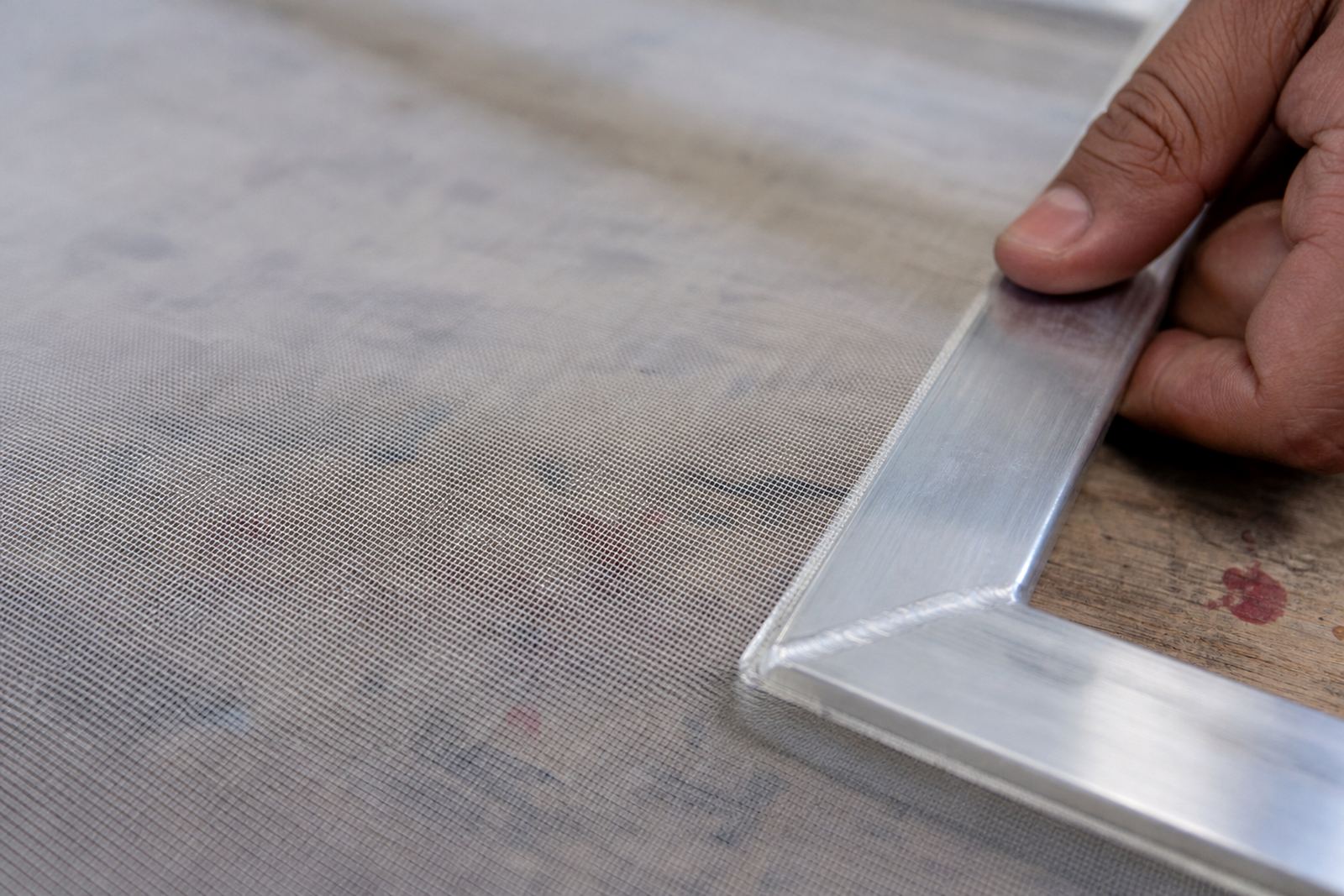
When installing a new screen, check that the frame sits square on the press and that the mesh is free from dents, tears or glue lift. If the screen is going into a busy shop, it should be labelled for the correct mesh count and job type so staff do not mix it up with other screens. A clean setup saves time, and it also helps with municipal hygiene and fire safety rules where solvents, cleaning agents or ink storage are part of the operation.
- No power or gas needed for the screen itself
- Press, washout and drying areas should be ready
- Label screens clearly by mesh count and job use
Care, Re-Stretching and Screen Servicing
With proper care, a textile screen can be used over and over for repeat orders. After printing, remove ink promptly and clean the mesh before the residue hardens. Keep the frame flat during drying so the tension stays even. If the mesh starts to sag, the print edge loses sharpness and the screen may need re-stretching or replacement. Regular inspection also helps you catch small frame damage before it becomes a bigger problem.
MeshMaster handles new frame stretching, frame re-stretching, mesh bonding, frame clean prep and tension checking for textile screens that need to keep working. If you send screens in for repeat order service, it helps to note what the screen was last used for, because the previous mesh count and ink type can affect the next setup. A quick check now is usually better than losing a run later, especially when the order is already on the press.
- Clean the screen soon after use
- Store flat or properly racked to protect tension
- Book re-stretching if the mesh has loosened
- Use inspection before repeat production runs
What to Check Before You Order
Before ordering a textile screen, check the garment type, ink system, artwork detail and the size of the print area. Those basics will guide the mesh count, frame size and tension level you need. If you are running standard t-shirt work, you may need one setup, while finer branding on fashion items may call for another. It also helps to know whether the screen is for new production or for a repeat job that needs to match an existing screen.
When you send an enquiry through the contact page, include as much practical detail as you can: intended fabric, artwork size, number of colours and whether you need custom sizing or batch screen prep. If you are ordering for delivery into Johannesburg, Pretoria, Durban, Cape Town, Gqeberha, Midrand or the East Rand, note where the screens will be used so the packing and dispatch can be arranged properly. That keeps the process simpler and it avoids back-and-forth later on.
- Fabric type and garment use
- Artwork detail and print area size
- Mesh count preference or existing screen match
- Need for custom sizing, re-stretching or batch prep
Key facts
| Product type | Pre-stretched textile screen for garment printing |
|---|---|
| Frame material | Aluminium frame |
| Mesh use | Available for common textile mesh counts from open deposit to fine detail work |
| Sizing | Standard and custom frame sizes available |
| Use case | Repeat-use screen printing on cotton, blends and similar fabrics |
| Service options | New frame stretching, re-stretching, tension checking and custom frame sizing |