What 180T mesh does on press
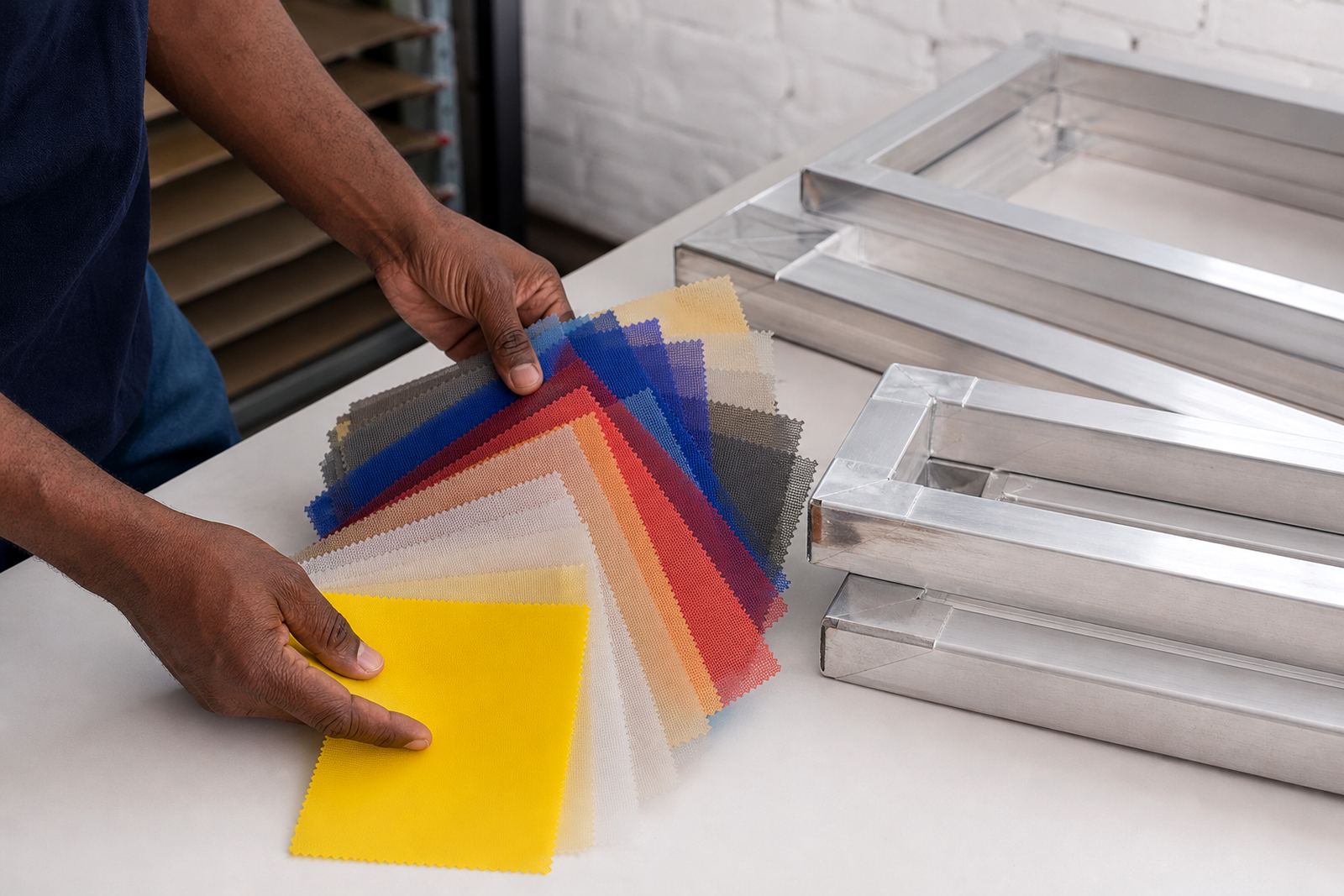
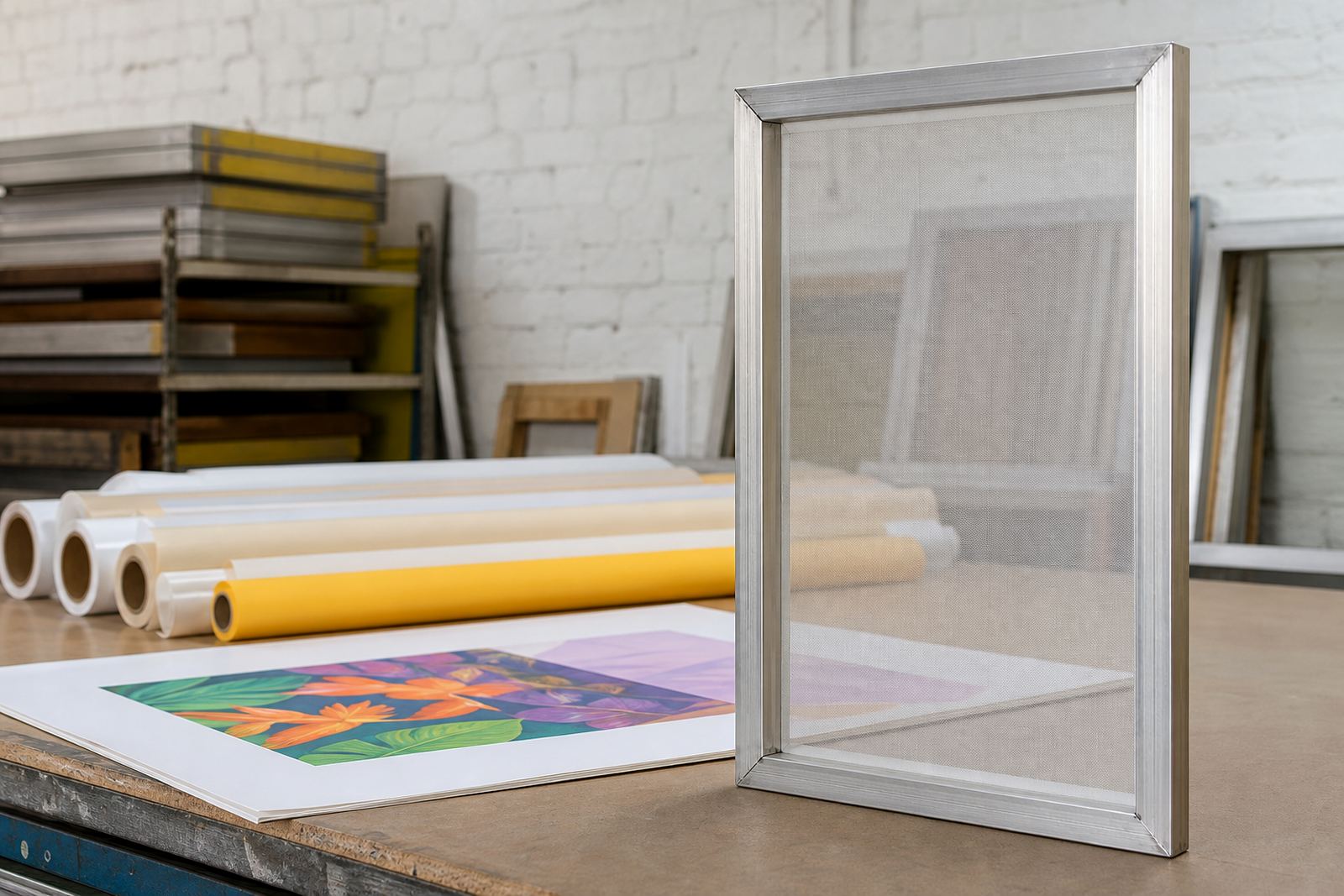
180T mesh is used where a finer opening is needed to hold back extra ink and keep the print image tight. In practical terms, that means cleaner lines, better detail and a thinner ink deposit than coarser meshes. It is a common choice for work that must look neat under close viewing, especially where fine text or detailed artwork can fill in if the mesh is too open.
This mesh is part of normal screen-printing practice, so the right result still depends on the full setup: artwork, emulsion thickness, squeegee angle, ink body and curing. A fine mesh like 180T helps when the job calls for control, but it must still be matched to the substrate and the ink system. If the print is too heavy, or if the artwork is too small, the result can become uneven even on a good screen.
- Fine detail and crisp edges
- Controlled ink deposit
- Useful for lighter print layers
- Best when fine artwork needs clean definition
Sizes and frame options for 180T screens
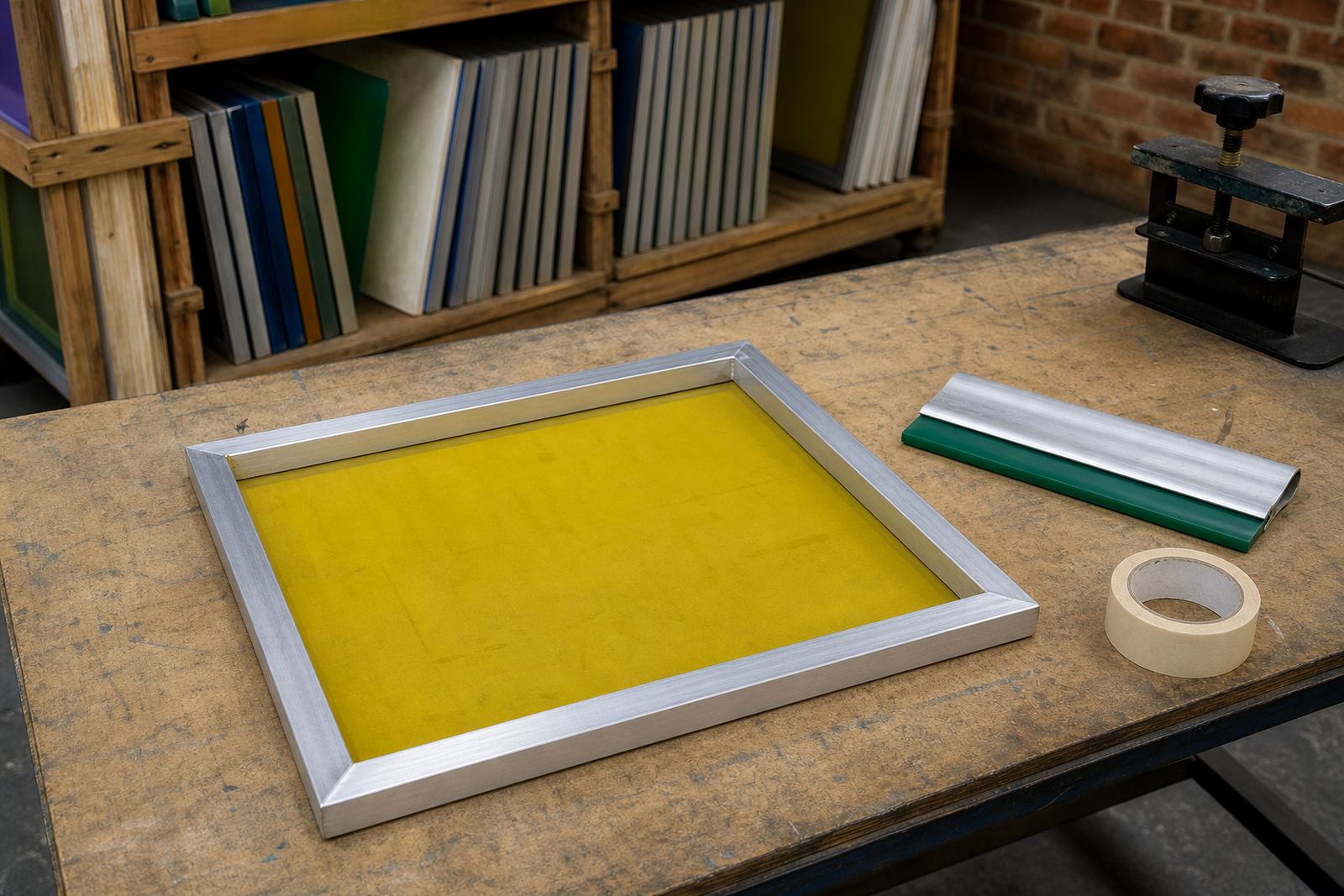
We supply 180T mesh for stretching onto aluminium frames in common workshop sizes and custom sizes. Most shops order frames to suit their press layout and then keep the mesh count consistent across repeat jobs. That helps with setup time and gives more predictable results when a customer comes back with the same artwork.
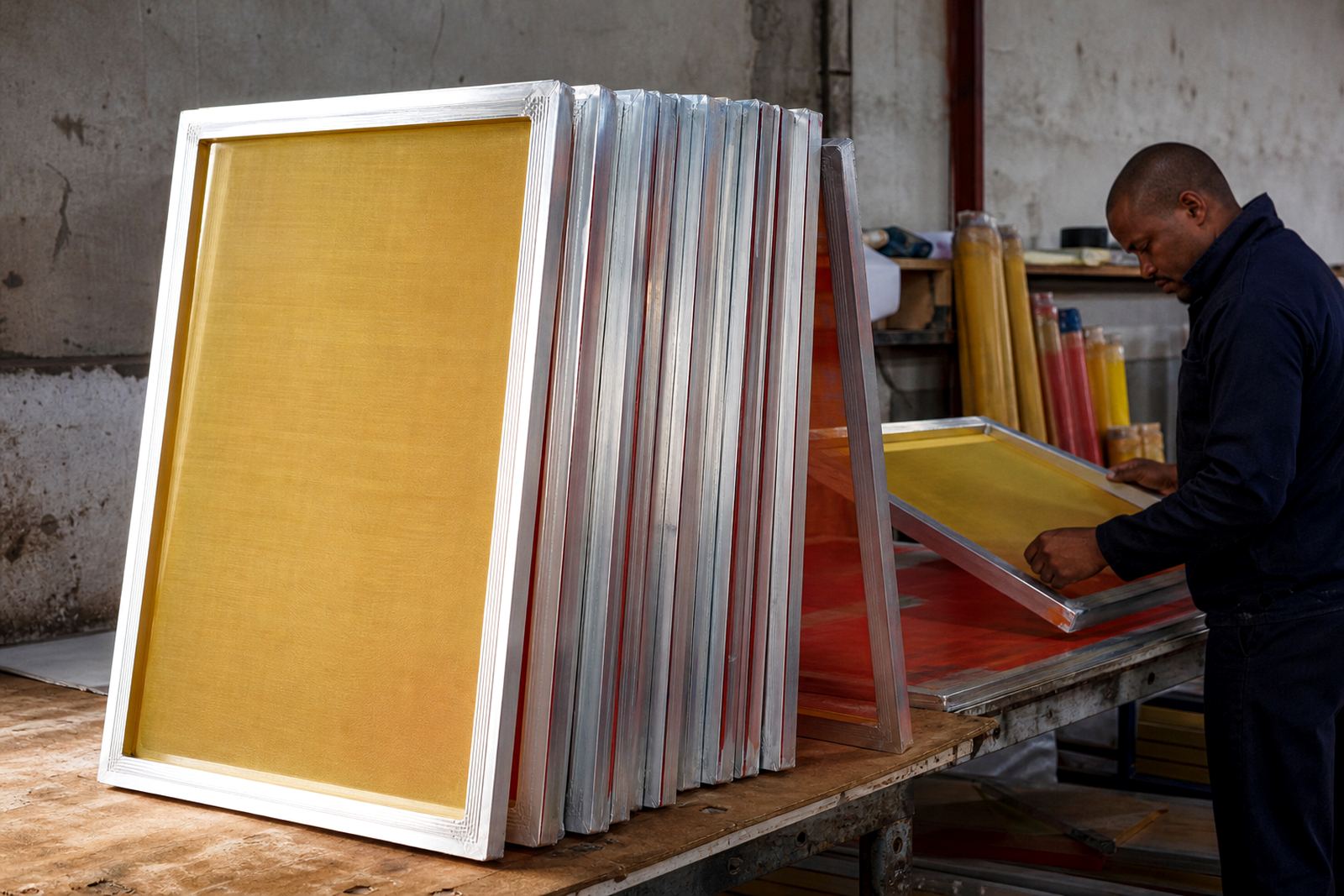
Pre-stretched frames are useful when you want the screen ready for coating, burning and print set-up without extra preparation. For larger shops, repeat orders often work better when the same frame size and mesh count are kept on file. For smaller print rooms, a few standard sizes can cover most jobs without taking up too much space.
- Standard and custom frame sizing available
- Suitable for new frames and re-stretching work
- Mesh count matching for repeat production
- Batch screen prep for multiple screens at once
Where 180T suits the print shop
180T mesh is commonly chosen for precision work where the ink deposit must stay controlled. It can suit detailed graphics, fine lettering and print jobs that need crisp edges rather than heavy coverage. If the design relies on very small open areas, this mesh gives the printer a better chance of keeping the artwork sharp.
It is often used in shops handling short runs, sample jobs and repeat production where consistency matters. On smoother substrates, the fine opening can help keep detail clean. On rough or highly absorbent materials, the mesh may be too fine for some designs, so the job should be checked before production starts. In Gauteng and coastal areas alike, ambient heat and humidity can affect drying times and coating behaviour, so the full workflow still needs attention.
- Fine artwork and detailed text
- Jobs needing lighter ink laydown
- Repeat production where consistency matters
- Print rooms handling precision setup work
Stretching, tension and setup on aluminium frames
For 180T mesh to perform well, the stretch must be even across the frame and the tension must be checked before coating. Uneven tension can show up as poor registration, soft edges or ink deposit changes across the image. A properly stretched aluminium frame gives the printer a stable base for coating, exposure and printing, and it also handles repeated wash-up better than a tired frame.
Frame preparation matters as much as the mesh count. Clean prep helps the adhesive bond properly and reduces the risk of contamination under the stencil. When a screen is being re-stretched, the old mesh and residue should be removed carefully so the new bond sits flat. If you are printing in areas with high dust or coastal moisture, good storage and handling make a real difference too. You do not need special power or gas supply for the mesh itself, only the normal equipment used in screen preparation and printing.
- Even stretch across the full frame is important
- Tension should be checked before coating
- Clean frame prep improves bonding
- No power or gas needs for the mesh itself
Care, cleaning and repeat use
Fine mesh needs careful handling because it can be damaged more easily than coarser cloth. After printing, wash the screen thoroughly so ink does not dry in the openings or sit in the stencil edge. If you leave residue in the mesh, it becomes harder to reclaim the screen and you can lose fine detail on the next job. A soft but proper wash routine is usually better than forcing the mesh with harsh scrubbing.
Storage matters as well. Screens should be kept where they will not get knocked, bent or exposed to unnecessary dust. In humid conditions, dry the screen fully before stacking it away. If a frame is used again and again, check for loss of tension, frame damage and adhesive failure. A small fault can affect a detailed job very quickly, so servicing the screen before the next run saves time later.
- Wash promptly after printing
- Dry fully before storage, especially in humid weather
- Check for blocked openings and residue
- Inspect tension and frame condition before repeat use
What to check before ordering 180T mesh
Before you order, check the artwork detail, the ink type and the substrate you will print on. If the design needs strong coverage, 180T may be too fine. If the job needs clean detail and controlled deposit, it can be the right choice. You should also confirm the frame size, whether you need new stretching or re-stretching, and whether the mesh count must match other screens already in use.
It helps to know how many screens are needed, whether they are for fresh production or repeat work, and whether the job will be printed in a shop with limited drying space or changing conditions. When in doubt, send through the job details on the enquiry form and include the size of the artwork, the substrate and the finish required. That makes it easier to match the mesh to the job and avoid waste.
- Artwork detail level and smallest text size
- Ink type and intended print finish
- Substrate surface and absorbency
- Frame size, quantity and repeat job requirements
Key facts
| Mesh count | 180T |
|---|---|
| Mesh type | Very fine screen-printing mesh |
| Typical use | Fine detail work with controlled ink deposit |
| Frame compatibility | Aluminium frames, new stretching or re-stretching |
| Setup needs | No power or gas required for the mesh itself |
| Supply area | Germiston, Johannesburg, Pretoria, Durban, Cape Town, Gqeberha and nationwide |