What a deep profile frame is built to do
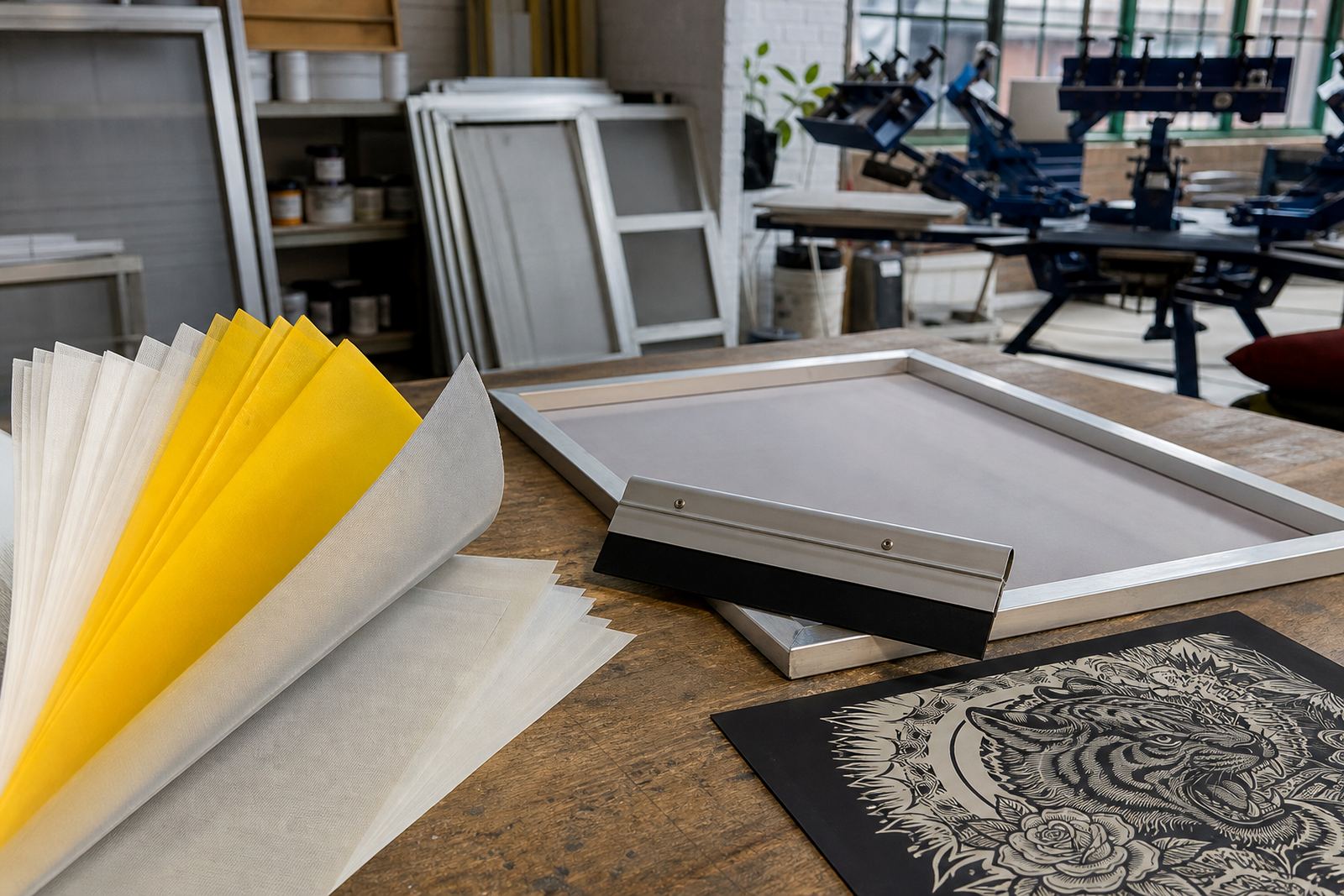
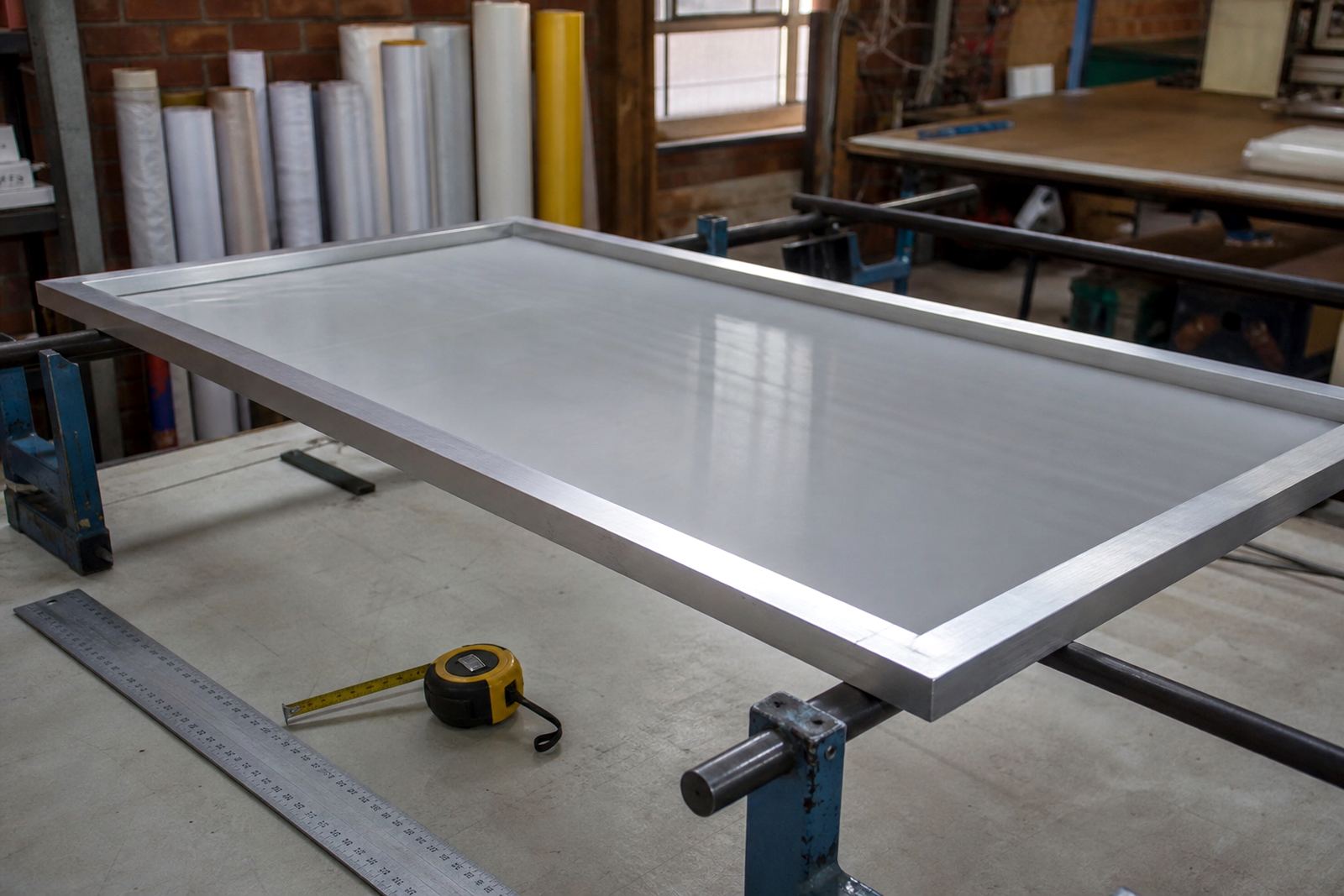
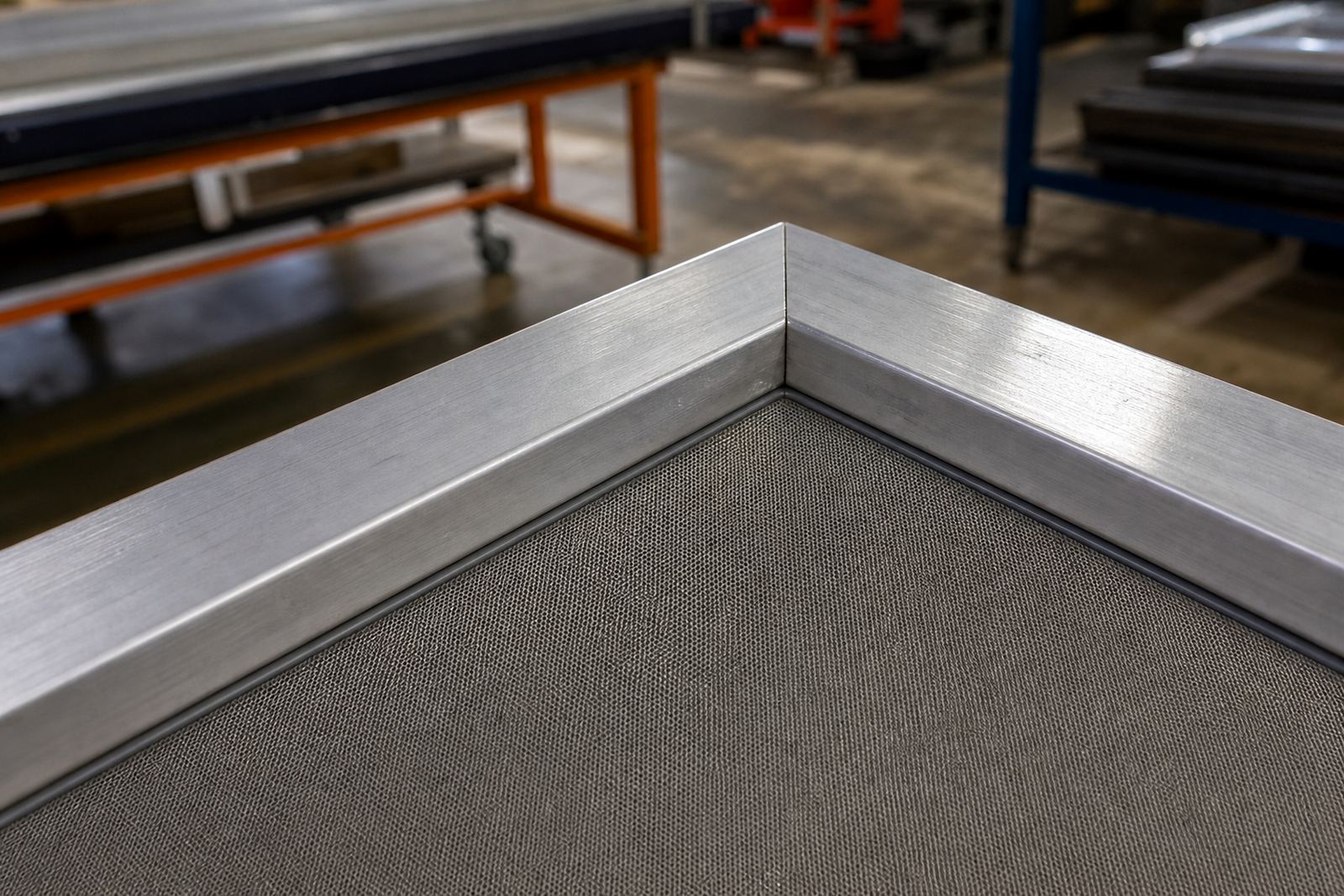
A deep profile frame is an aluminium screen frame with a taller side wall than a standard light profile frame. That extra depth gives the screen more stiffness, which helps when you are pulling higher mesh tension, handling larger screen formats, or working with heavier production cycles. In daily use it can feel steadier on press and better able to hold shape over time.
For screen printers in South Africa, this matters when you are running repeat jobs, printing on humid days in Durban, or pushing through long shifts in Johannesburg and Pretoria where screens must stay consistent from one setup to the next. The profile is not about adding weight for the sake of it, it is about giving the mesh a firmer base so the frame keeps its form and the print results stay even.
Sizes and options for different screen setups
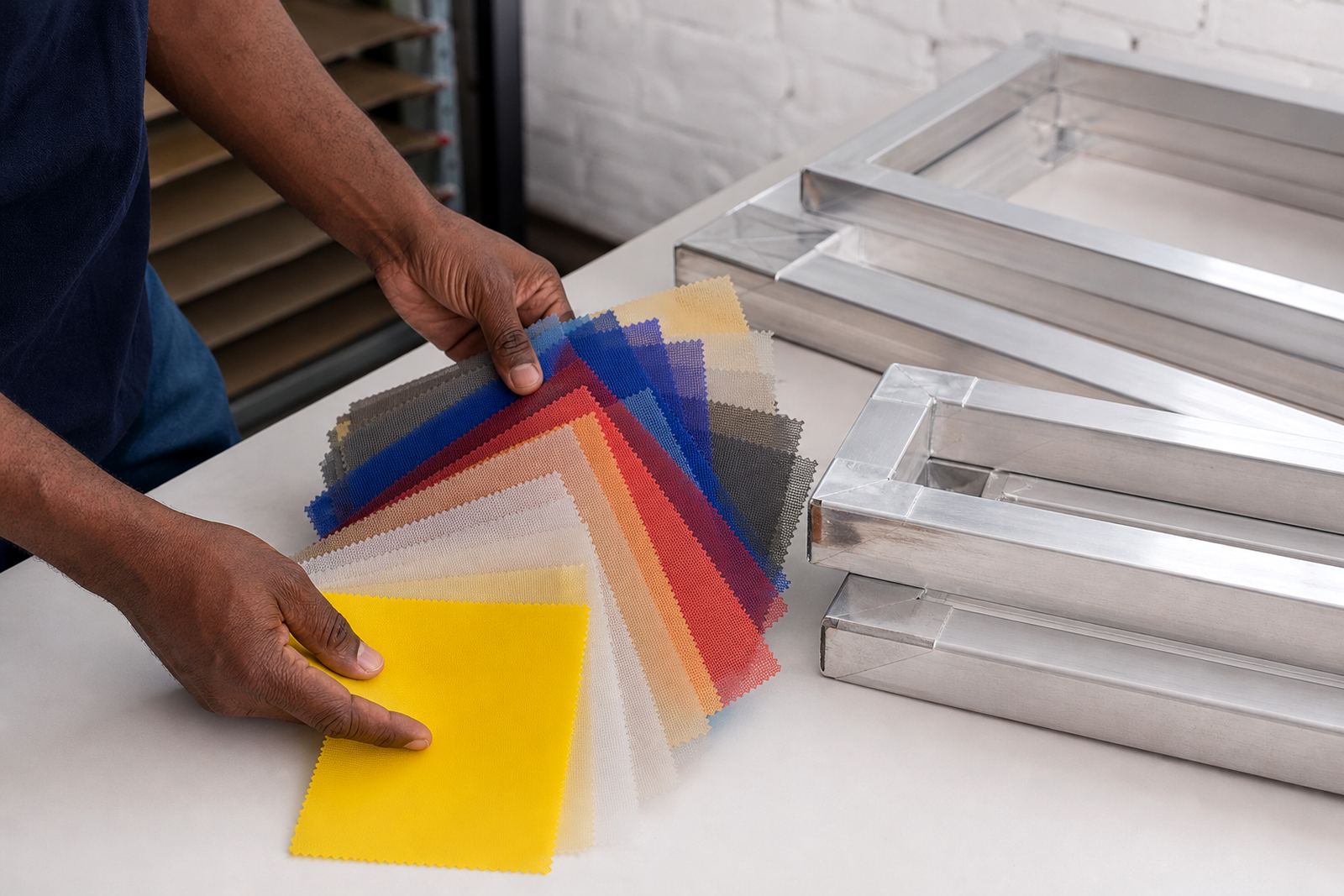
Deep profile frames are commonly chosen in a range of square and rectangular sizes to suit garment printing, signage work and speciality jobs. The frame can be matched to the screen size you need, with options for single screens, batch prep and repeat orders. If you are setting up a mix of mesh counts, it helps to keep the same outer frame size where possible so artwork positioning and exposure setup stay familiar.
- Small format screens for labels, sleeves and detail work
- Medium screens for standard garment printing and general shop use
- Larger screens for bigger artwork, long runs or wider press setups
- Custom sizing for unusual platen layouts or special production needs
The right choice often depends on how much tension you want to hold, how the frame will be stored and whether the screen will be used for fine detail or heavier ink deposits. A deeper profile is often preferred where added rigidity is useful, especially if the shop handles frequent re-stretching or keeps screens in circulation for longer periods.
Where the deep profile frame suits best
This frame type is well suited to shops that want a durable working screen for regular production. It is a practical option for textile printing, flat-stock work and other applications where the mesh needs to stay stable through repeated pulls. If your screens are used on manual or assisted setups and you want less movement in the frame, deep profile gives a useful margin of stability.
It also suits coastal and inland conditions differently. In places with higher humidity, like Durban or parts of Gqeberha, screen tension can be affected by storage conditions and temperature changes. A stronger frame profile can help the screen hold its shape better between jobs. In Gauteng, where shops often run tight turnaround schedules, it can support a more consistent workflow when screens are used, cleaned and returned to service often.
- Regular production shops that want dependable screen rigidity
- Screen printers handling repeat jobs and multiple mesh counts
- Shops that need better shape retention during storage and transport
- Operations that want a frame suited to tension checking and re-use
Installation, stretching and power or gas needs
The deep profile frame itself does not need power or gas. It is a passive screen component, so there are no utility requirements at the point of use. What matters is correct stretching, even bonding and proper curing or drying as part of the screen prep process. When the frame is set up well, it should sit square, accept the chosen mesh count and hold tension in a predictable way.
For installation, the key is accurate alignment and a clean surface before mesh bonding. Frame clean prep helps adhesive contact properly, while controlled stretching reduces the risk of uneven tension across the mesh. If the frame is being fitted into a shop routine with batch screen prep, it is worth checking that the screen rack, storage area and handling method can accommodate the deeper side profile without rubbing or warping. A good setup should make the screen easier to work with not harder.
Care, servicing and re-use
Like any aluminium screen frame, a deep profile frame lasts longer when it is cleaned and handled properly. Ink residue, dried emulsion and chemical build-up should be removed after use so the frame surface stays sound for the next stretch. If a screen is being re-used, frame re-stretching and tension checking are worth doing before it goes back into production.
Keep frames dry, store them flat or supported evenly, and avoid knocks to the corners and edges. Even a strong profile can be affected by rough handling, especially when screens are stacked during dispatch packing or moved between Germiston, Johannesburg and Pretoria delivery points. If you spot movement in the mesh, a damaged corner or uneven tension, it is better to check it early rather than wait for print faults to show up on press.
- Wash off ink and emulsion promptly after use
- Inspect corners, welds and mesh edge bonding regularly
- Keep screens away from standing moisture and direct heat
- Re-check tension before long production runs
What to check before you order
Before ordering a deep profile frame, confirm the outer size, the mesh count you plan to use and whether you need a fresh stretch or re-stretching of an existing frame. The profile depth should suit your press clearance and your handling space. If you use several screen types in the same workshop, it helps to keep a simple record of frame sizes, mesh counts and the jobs they suit best.
You should also check the frame finish, the condition of the corners and whether you need custom sizing for an unusual platen or artwork size. If the screen will be used for fine detail, ask for tension advice that matches the mesh count and the level of image sharpness you need. For heavier ink work or larger prints, a stronger frame can be the right base, but the final result still depends on correct screen setup and inspection before dispatch.
South African supply from Germiston to major print hubs
MeshMaster supplies Deep Profile Frame orders from Germiston, Gauteng to print shops across South Africa, including Johannesburg, Pretoria, Durban, Cape Town and Gqeberha. That makes it practical for shops that need repeat screen supply, guided setup advice and a dependable contact point for ongoing production work. Clients use the enquiry form on our contact page to request sizes, matching and service support.
Whether you need new frame stretching, re-stretching, mesh count matching or a check on screen readiness, the aim is to keep the process clear and practical. The right deep profile frame should fit the job, the mesh and the way your workshop works day to day, not the other way around.
Key facts
| Material | Aluminium deep profile frame |
|---|---|
| Profile type | Stronger side wall for added rigidity |
| Common use | Screen printing frames for repeat production |
| Size options | Standard and custom screen sizes available |
| Mesh compatibility | Suitable for a range of mesh counts, from fine detail to general print work |
| Service fit | New frame stretching, re-stretching, tension checking and screen prep |