What 43T Mesh Is Used For
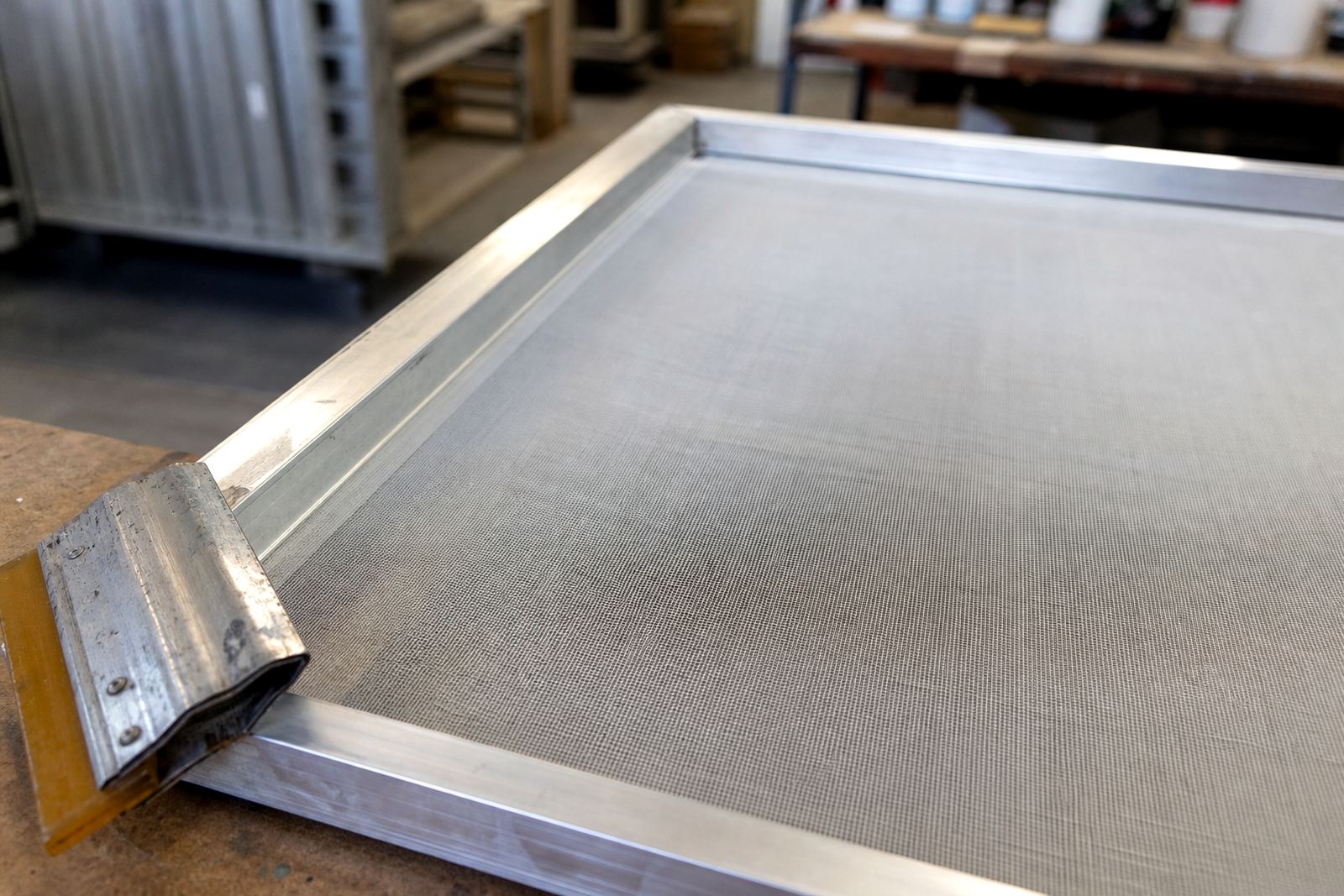
43T mesh is a screen-printing mesh with a relatively open weave, so it allows more ink through the stencil than finer meshes. In practice that makes it a practical choice for jobs where you want solid coverage, strong colour and a print that sits well on the surface. It is commonly used for textile printing, bold logos, block lettering and artwork that does not need very fine detail.
For many print shops, 43T sits in the middle of the lower-count range. It gives more ink deposit than 61T, 77T or finer meshes, while still giving enough control for repeat production. That balance is useful when printing on darker garments, thicker inks or jobs where the finish must be visible from a distance and must hold up after washing, provided the rest of the print process is managed correctly.
Mesh Count, Thread Size and Print Result
Mesh count affects how much ink passes through the screen and how much detail the stencil can hold. A 43T mesh is generally chosen when the priority is coverage rather than fine halftones or tiny text. It is easier to push heavier ink through this count, and it can support prints that need a stronger deposit to stay bright on cotton, blends or other common substrates.
When ordering, it helps to think about three things at once: the design detail, the ink body and the garment or item being printed. If the artwork includes thin lines or small reversed text, 43T may be too open. If the print must cover well with a thicker ink, or if the design uses bold shapes, this count is often a good match.
- Best suited to bold spot colours and block artwork
- Useful for heavier ink deposits and softer print feel
- Not ideal for fine detail, small halftones or close registration work
- Works well where repeat prints need consistency across a batch
Available Sizes and Frame Options
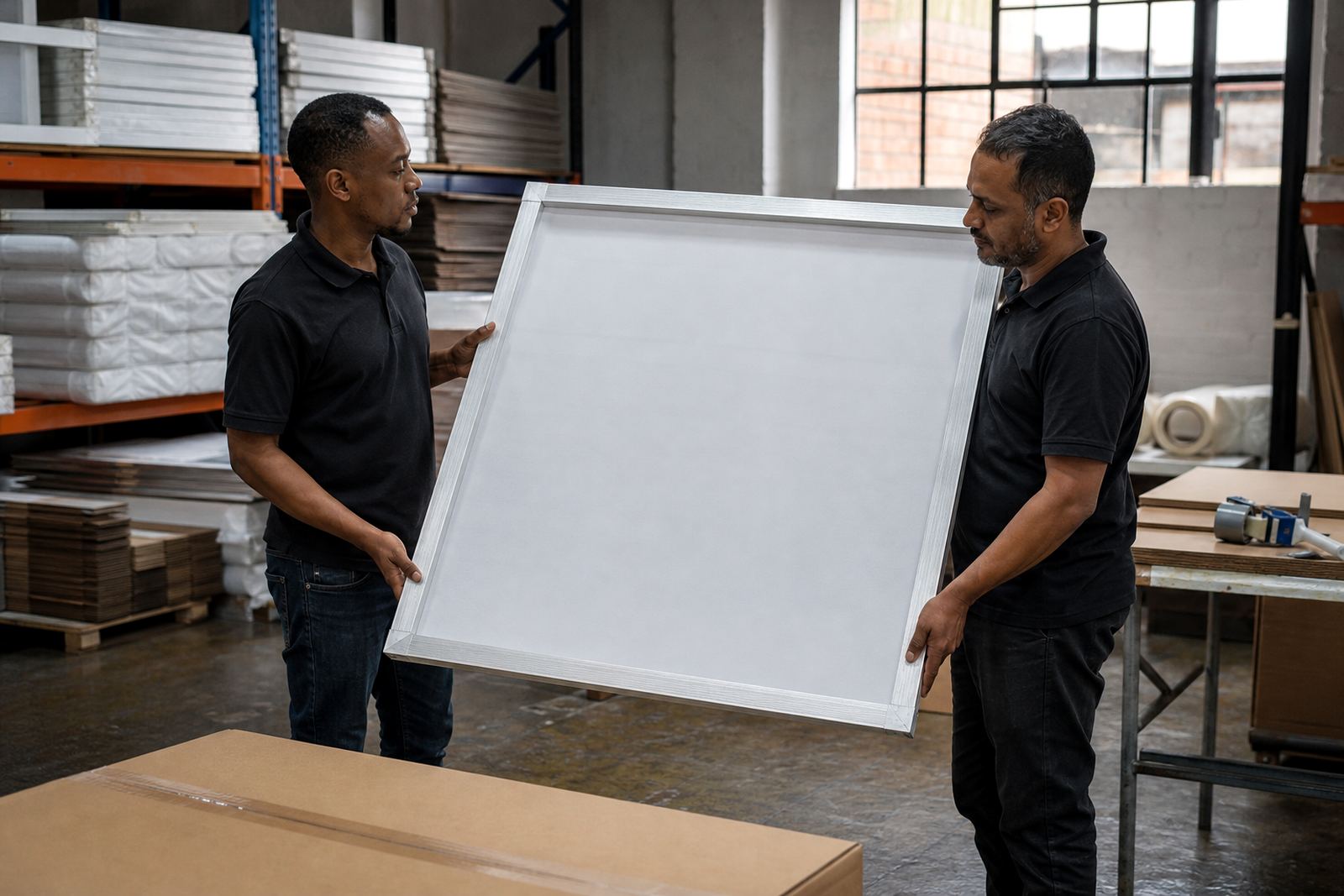
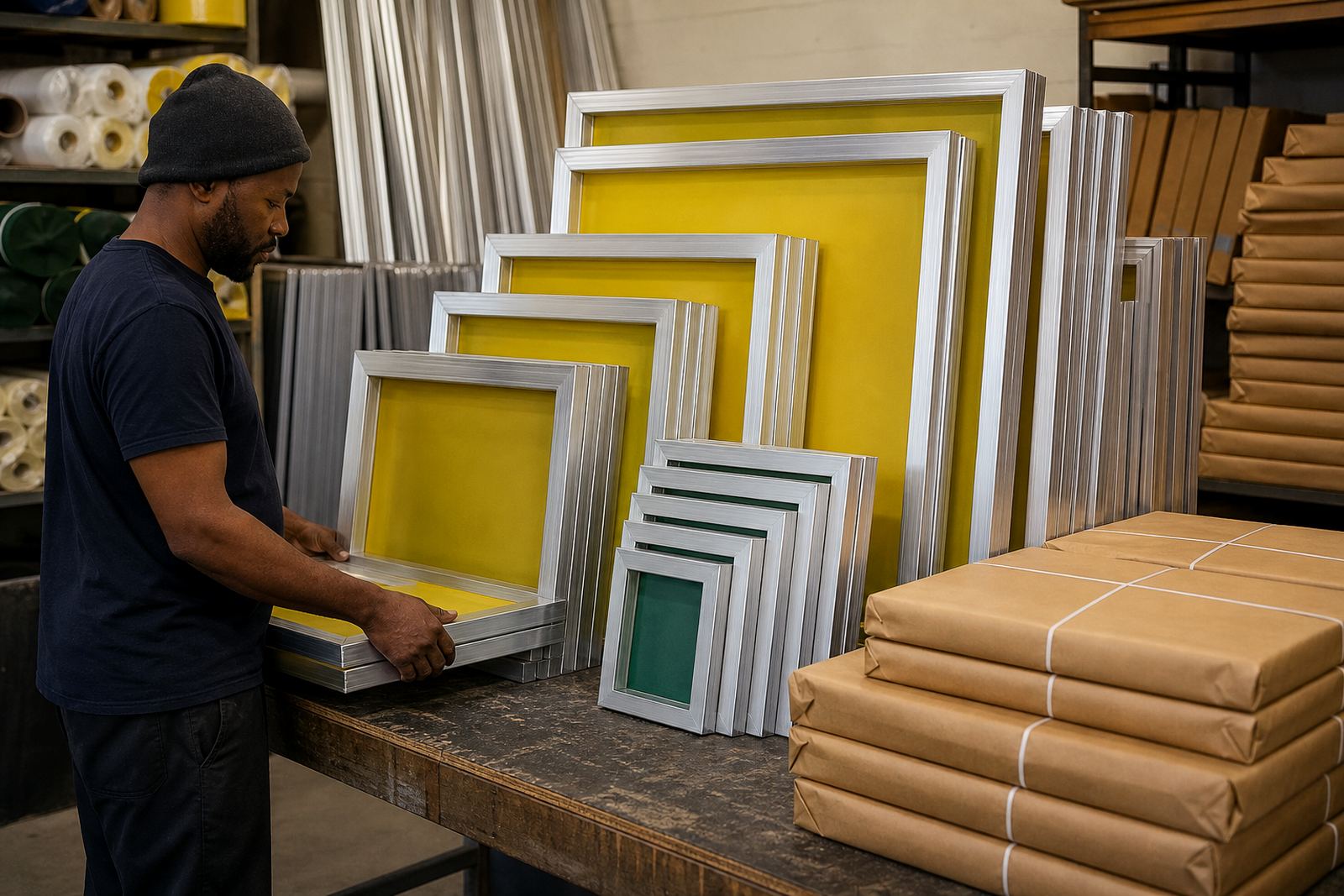
MeshMaster supplies 43T mesh in options that suit both new frame stretching and replacement work. Buyers can request mesh cut for custom frame sizes, or order pre-stretched aluminium frames for quicker setup in the print room. Frame sizing is important because the mesh must sit evenly across the full print area, with enough border allowance for coating, exposure and clamping.
Common considerations include frame opening size, print area and the type of press or table in use. A larger frame may help with bigger artwork and wider squeegee passes, while a smaller frame may be easier to handle for short runs or smaller garments. Aluminium frames are a practical choice in South African conditions because they stay lighter than heavier alternatives and handle coastal humidity better, with less trouble from warping if cared for properly.
- Custom frame sizing for new jobs or repeat setups
- Pre-stretched aluminium frames for direct use
- Mesh re-stretching for existing frames that still have usable structure
- Batch screen prep for shops running recurring orders
Where 43T Mesh Suits the Job Best
43T mesh is commonly used in textile printing, but it can also suit other screen-printing work where the print needs to be bold and clearly visible. It is a practical choice for print shops handling schoolwear, workwear, event garments, simple branding and one or two colour jobs. The open weave gives a stronger ink laydown, which can be helpful on fabrics with texture or when covering dark base colours.
It is not usually the first choice for detailed artwork that needs very crisp edges at small size, but it works well where design strength matters more than fine line work. If the print is for outdoor use, high visibility items or large front prints, 43T can be a sensible count to start with. The key is matching it to the ink and the screen setup, not just the design alone.
- Textile printing on cotton and blended fabrics
- Workwear, schoolwear and event garments
- Bold logos and block graphics
- General print shop production where coverage matters more than detail
Fitting, Stretching and Power Needs
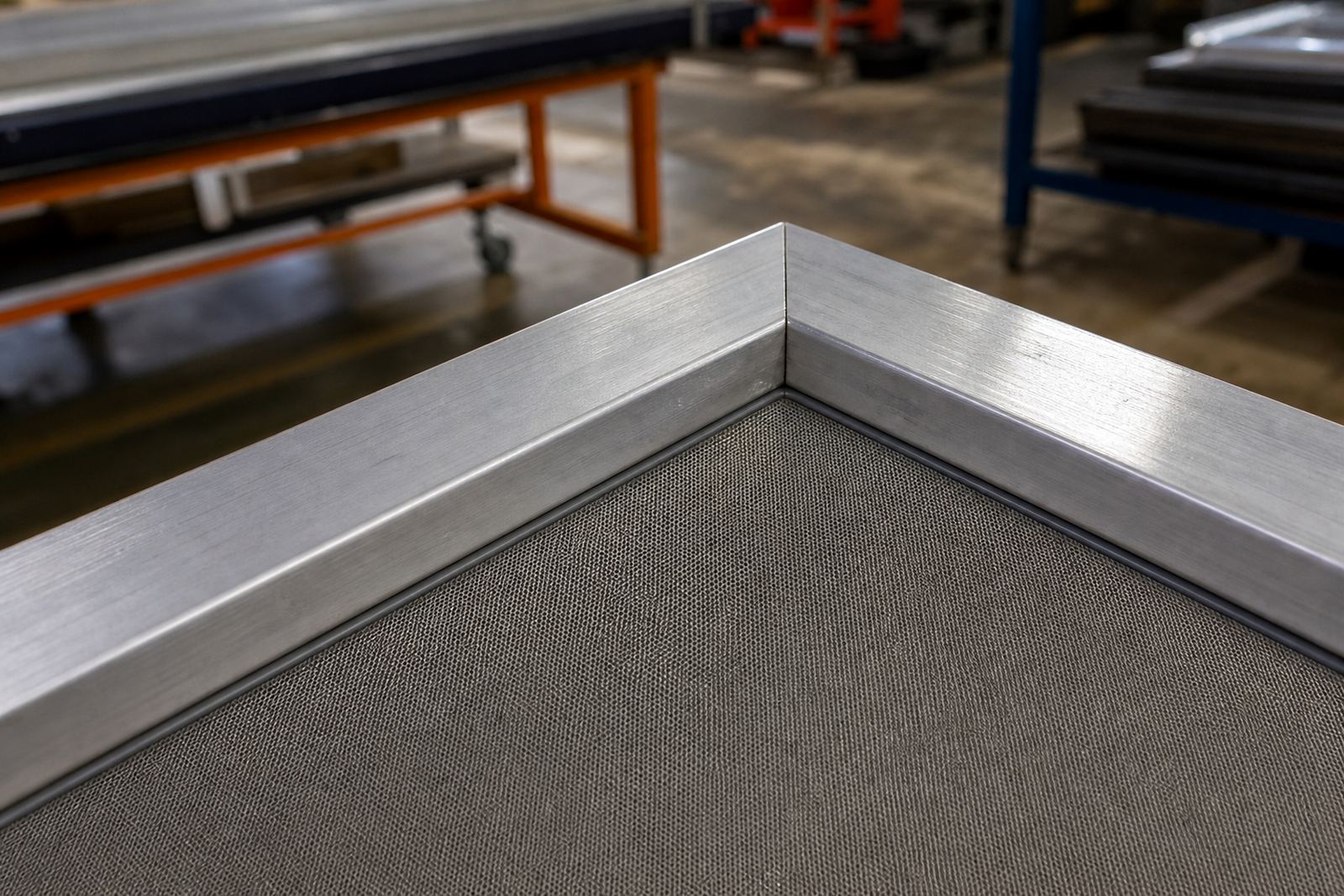
Mesh fitting needs care because tension affects print quality from the first pull of the squeegee. A properly stretched 43T mesh should feel even across the full frame, with no slack corners or soft spots. Uneven tension can cause blurred edges, uneven ink deposit and registration shifts from one print to the next. If you are stretching the mesh onto a frame yourself, the adhesive bond or clamping method must suit the frame material and the working conditions in your shop.
There are no special power or gas needs for the mesh itself. It is a manual screen-printing consumable and does not require electricity, gas or machine power to function. What matters is the setup around it, including exposure unit compatibility, drying space and the handling of printed items after press. In a busy shop, even the best mesh wont perform well if the frame is not prepared correctly or the screen is rushed into use before the bond has settled.
Care, Reuse and Ordering Checks
With proper care, 43T mesh can stay in service for a good number of print cycles. Clean the screen promptly after use so ink does not harden in the weave, and avoid rough scraping that can damage the fibres. If the frame is stored in a humid area, especially near the coast, keep it dry and off the floor so the mesh and adhesive are less likely to suffer from moisture exposure. For repeat use, check the tension before every run and re-stretch if the screen starts to lose its pull.
When ordering, it helps to confirm the exact mesh count, the frame size and whether you need new stretching or a replacement for an existing frame. For repeat jobs, send the same setup details each time so the screen prep stays consistent. A small change in mesh count or frame opening can affect ink deposit, so it's worth checking before production starts.
- Confirm mesh count and thread size needed for the artwork
- Check finished frame size and print area
- Decide between new stretching and re-stretching
- State whether the job is for textile, workwear or general print use
How MeshMaster Supports Repeat Production
Based in Germiston, Gauteng, MeshMaster supplies screen-printing mesh and pre-stretched aluminium frames to print shops across South Africa, including Johannesburg, Pretoria, Durban, Cape Town and Gqeberha. The team works with new frame stretching, mesh count matching, tension checking and batch screen prep, which helps keep repeat orders consistent when a shop is running the same design again and again.
For shops that handle mixed work, 43T is often part of a wider screen set rather than the only mesh on the shelf. It can sit alongside finer counts for detail work and stronger frames for longer production runs. When the screen setup is matched properly to the job, the result is cleaner printing, less wasted ink and fewer problems on press. That saves time, especially when a deadline is tight and the production floor is already full.
Key facts
| Product | 43T screen-printing mesh |
|---|---|
| Mesh count | 43 threads per centimetre |
| Typical use | Bold prints, heavier ink deposit and coverage work |
| Frame options | New stretched aluminium frames or mesh for re-stretching |
| Compatibility | Textile screen printing and general screen work |
| Power or gas requirement | None for the mesh itself |