What a Narrow Screen Is Used For
A narrow screen is a purpose made frame format for artwork that runs long and thin rather than wide and square. In screen printing, that shape helps you keep the print area close to the image size, which can make setup easier, reduce wasted mesh, and give better control when you are printing repeated slim layouts.
It is commonly used for sleeve prints, vertical branding, narrow logo strips, small product markings and other designs that need a controlled print path. For shops in Johannesburg, Pretoria, Durban, Cape Town and Gqeberha, a narrow frame is also useful when floor space is tight and you want a lighter screen that is easier to handle during registration and washing out.
The key point is simple: a narrow screen should still hold proper tension across the mesh, even though the frame shape is different. If the frame is too soft, the print edge can wander. If it is over-stretched or not matched to the artwork, the result can be poor off-contact and messy ink release.
Available Sizes, Mesh Counts and Frame Options
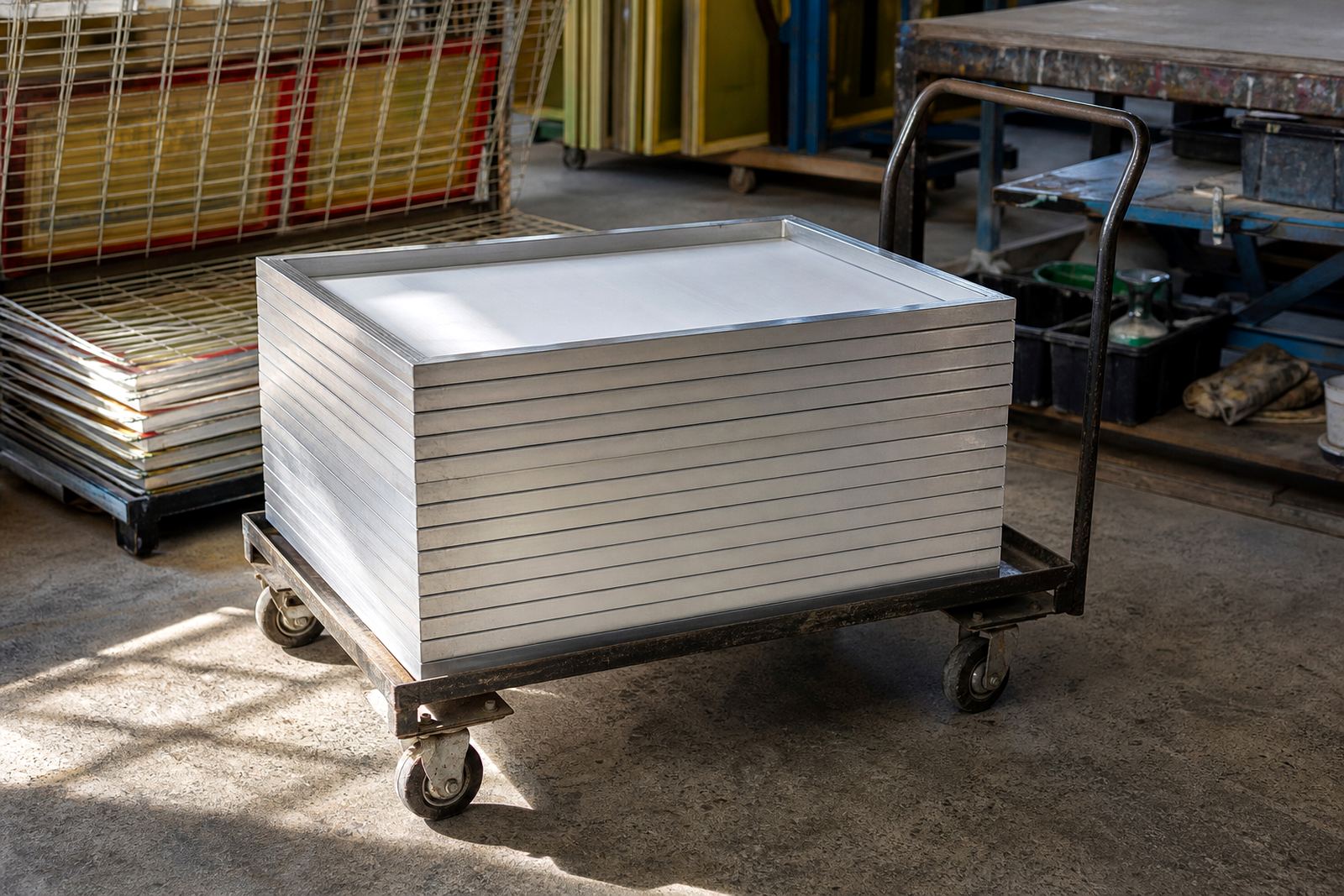
Narrow screens are supplied in a range of lengths and widths so the frame fits the job rather than forcing the job to fit the frame. We work with pre-stretched aluminium frames for good handling and steady tension, and the mesh count is chosen to suit the ink and detail level you are printing.
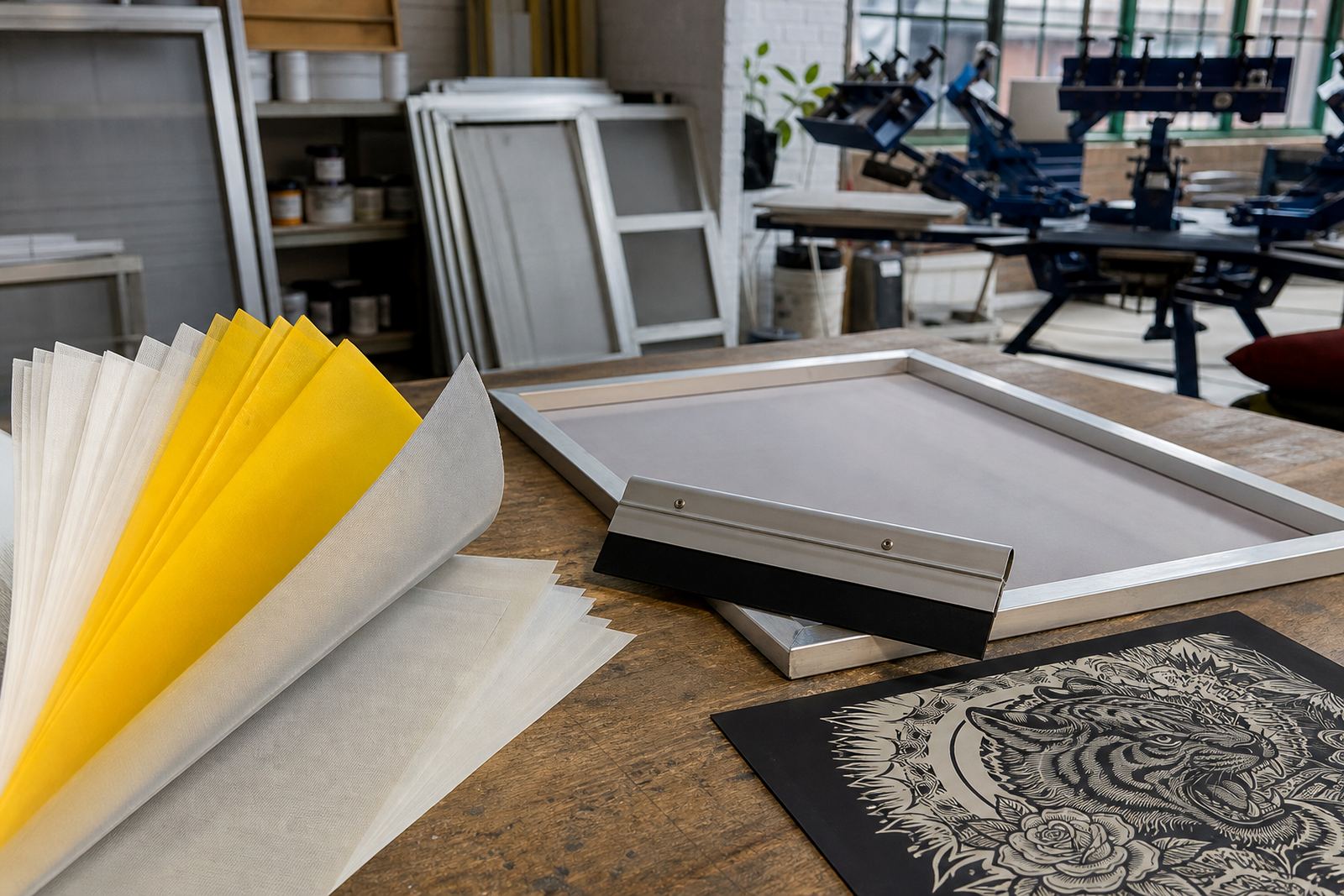
Typical mesh choices include coarser counts for heavier deposits and finer counts for detail work. Lower mesh counts suit thicker inks, underbase work and prints that need a heavier deposit. Higher mesh counts are better for fine detail, halftones and cleaner image edges. The right count depends on the ink body, image detail and the substrate you are printing onto.
- Narrow lengths: suited to long sleeve prints, narrow product panels and slim logo runs
- Frame width: kept compact for easier handling and less waste around the artwork
- Mesh choice: matched to print detail, ink thickness and desired deposit
- Frame material: aluminium for light handling and better resistance to moisture than untreated wood
In coastal areas like Durban and Gqeberha, aluminium frames are a practical choice because they cope better with humidity and repeated cleaning. Around Gauteng, they are also easier to keep consistent when load-shedding interrupts a drying or washout routine and the shop needs gear that stays true between runs.
Where a Narrow Screen Fits Best
This frame style works well anywhere the artwork is long and narrow, especially where the print sits on a sleeve or across a slim panel. It is a useful option for garment printers, promotional shops, small production teams and repeat-order work where the same layout is used again and again.
You would usually choose a narrow screen for:
- Sleeve prints and narrow chest placements
- Long logo bars and text strips
- Label-style branding on bags, fabric panels or packaging sleeves
- Small batch work where tighter handling helps with consistency
It also suits shops that need to make the most of each screen frame. If your artwork is narrow, using a wide frame can make registration awkward and increase cleanup time. A properly sized narrow screen keeps the open area where it should be, which helps when you are working on short runs or repeat jobs with the same setup notes. That saves time and avoids unnecessary rework.
Stretching, Tension and Installation Notes
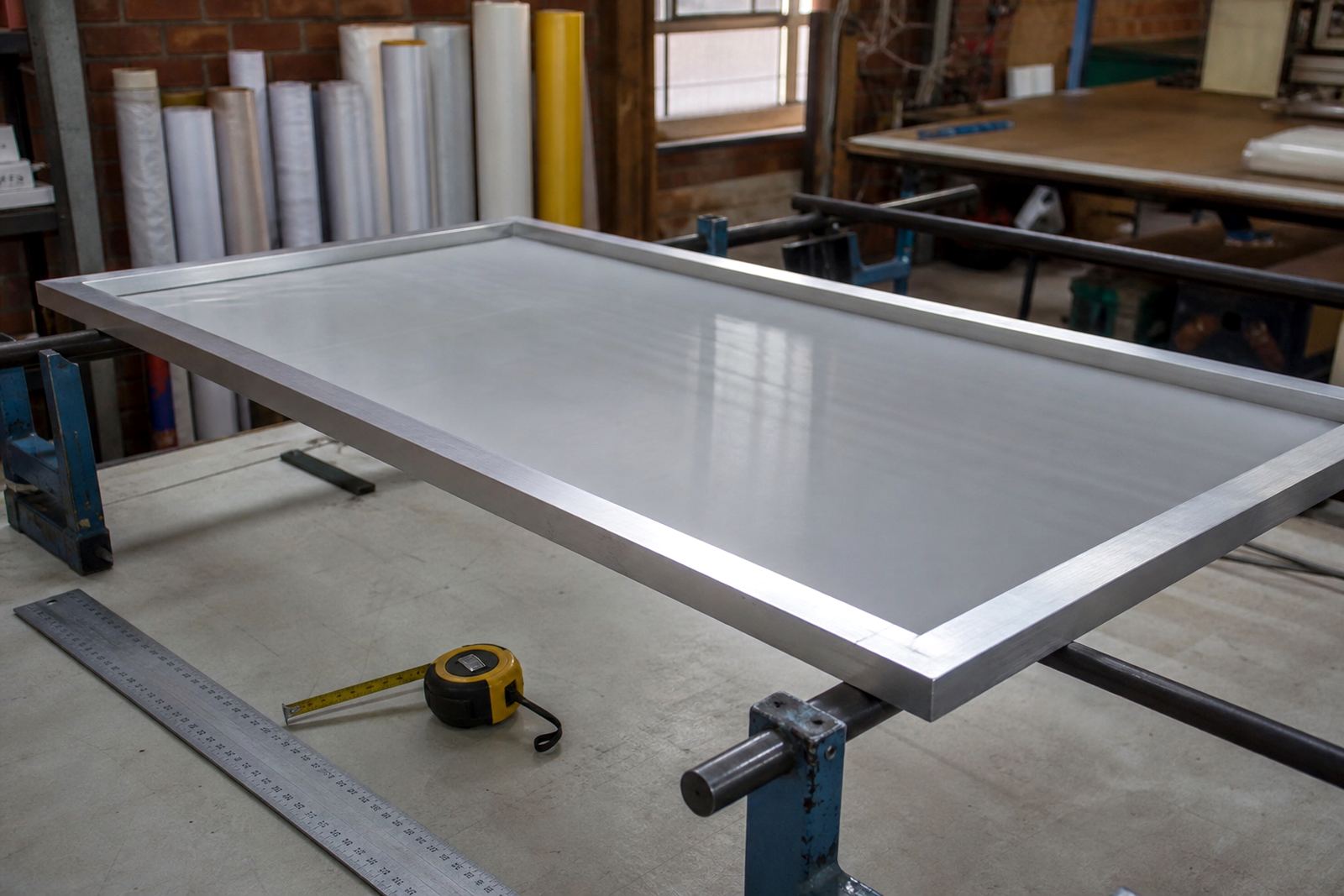
A narrow screen still needs even mesh tension across the full print area. That matters because slim layouts can show faults quickly, especially where the print is supposed to stay straight along a long edge. Good tension helps the squeegee move cleanly and keeps the image from distorting at the ends.
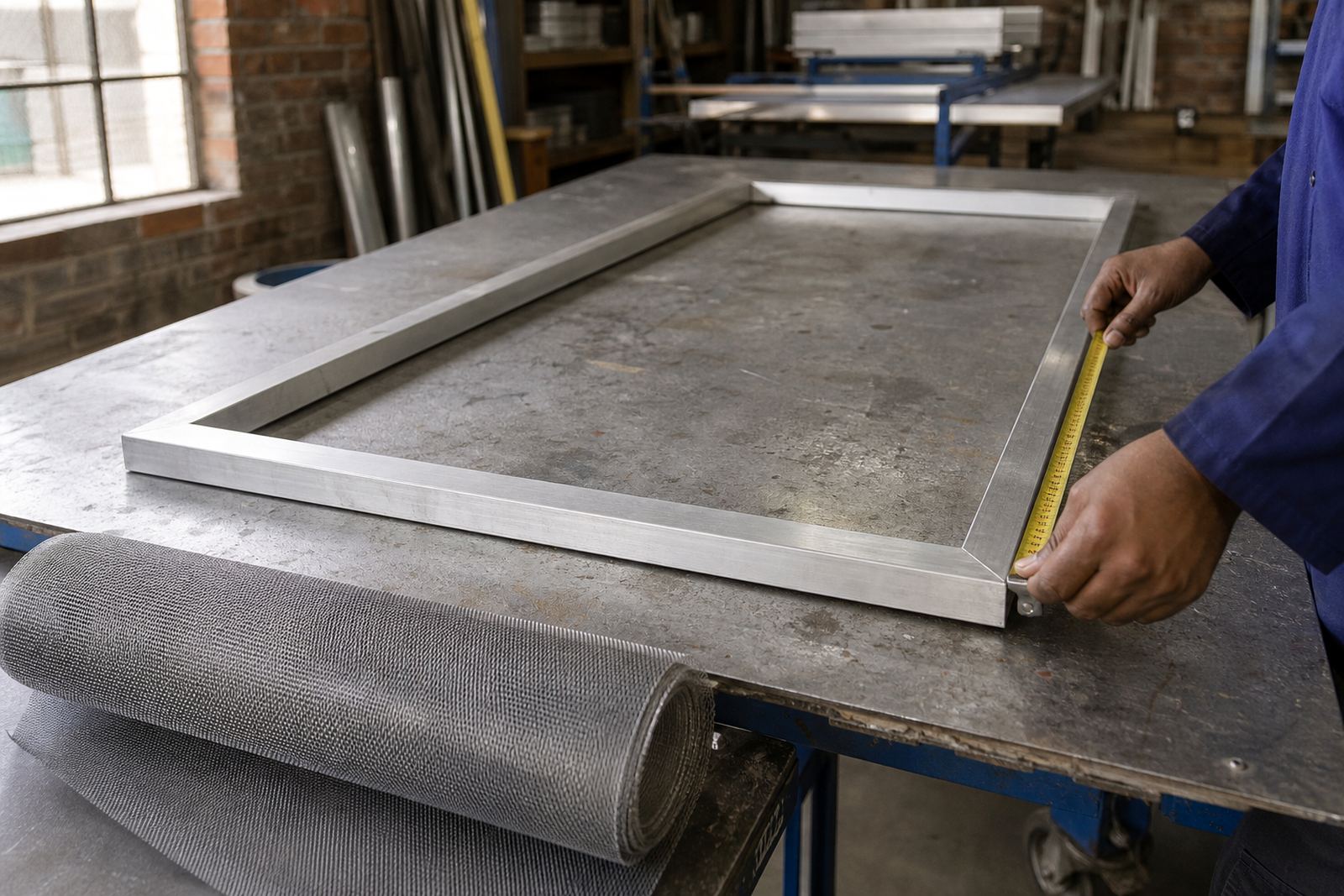
When fitting or using a narrow frame, check that the mesh is bonded properly, the corners are secure and the frame sits flat on the press. If you are using the screen on a manual setup, make sure the clamps hold the frame without twisting it. If the frame is not seated squarely, you can get poor registration or a print line that drifts from one pass to the next.
Power and gas needs are not required for the frame itself. What matters is the surrounding print process, such as any drying, curing or washout equipment in the shop. If your production area is affected by municipal power interruptions or load-shedding, it helps to store screens dry, keep a steady cleaning routine and avoid leaving wet mesh under tension for longer than needed.
Care, Cleaning and Re-Stretching
With normal care, a narrow aluminium frame should serve through many print cycles. Rinse ink off soon after use, keep chemicals off the frame longer than necessary and dry the screen properly before storage. Do not leave a screen in standing water or lean it in a way that twists the frame.
Signs that a screen may need attention include loose mesh, uneven tension, frame damage, weak corners or image shift during printing. If the mesh has lost its pull but the frame is still sound, re-stretching can be a practical option. If the frame has taken a knock or the corners no longer sit true, replacement may be the better call.
Our frame services include new frame stretching, frame re-stretching, tension checking, frame clean prep, mesh bonding and screen inspection. For shops that run repeat work, it is worth keeping a simple note of mesh count, frame size and the artwork it was used for so the next run can be set up faster and with fewer surprises.
What To Confirm Before You Order
Before placing an order, check the full artwork size, the print placement, the ink type and the level of detail you need. A narrow screen must suit the image dimensions and the press setup, otherwise the screen may be too short for the job or too wide for the available space.
Please confirm the following:
- Finished artwork dimensions, including bleed if needed
- Mesh count required for the ink and detail level
- Whether you need a new frame or re-stretching on an existing one
- Any special size needed for sleeve prints or narrow branding
- How many repeat screens you need for the same job
- Whether the screen will be used on a manual or mechanical press
If you are unsure, our team can help match the mesh count and frame size to the job. That is often the best way to avoid a screen that is too coarse for detail or too fine for heavier ink deposits. For printers in Germiston, the East Rand and further afield, a quick check upfront usually saves time in the production line later.
Key facts
| Product | Narrow screen frame for long, slim print layouts |
|---|---|
| Frame material | Pre-stretched aluminium |
| Common use | Sleeve prints, narrow logos, slim image layouts |
| Mesh options | Coarse to fine mesh counts matched to print requirements |
| Service options | New stretching, re-stretching, tension checking, mesh matching |
| Supply area | Germiston, Johannesburg, Pretoria, Durban, Cape Town, Gqeberha and nationwide |