
What the 77cm frame is used for
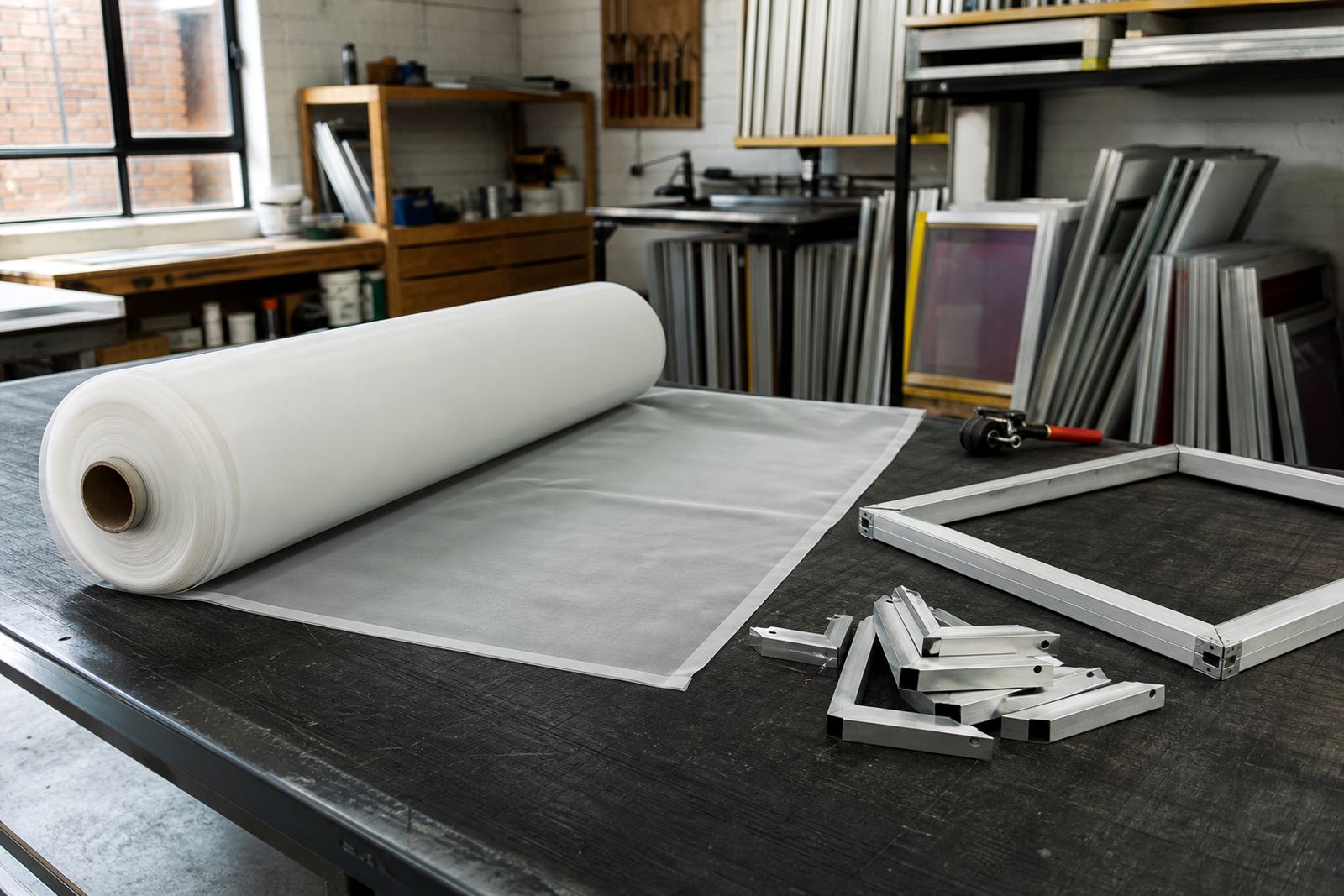
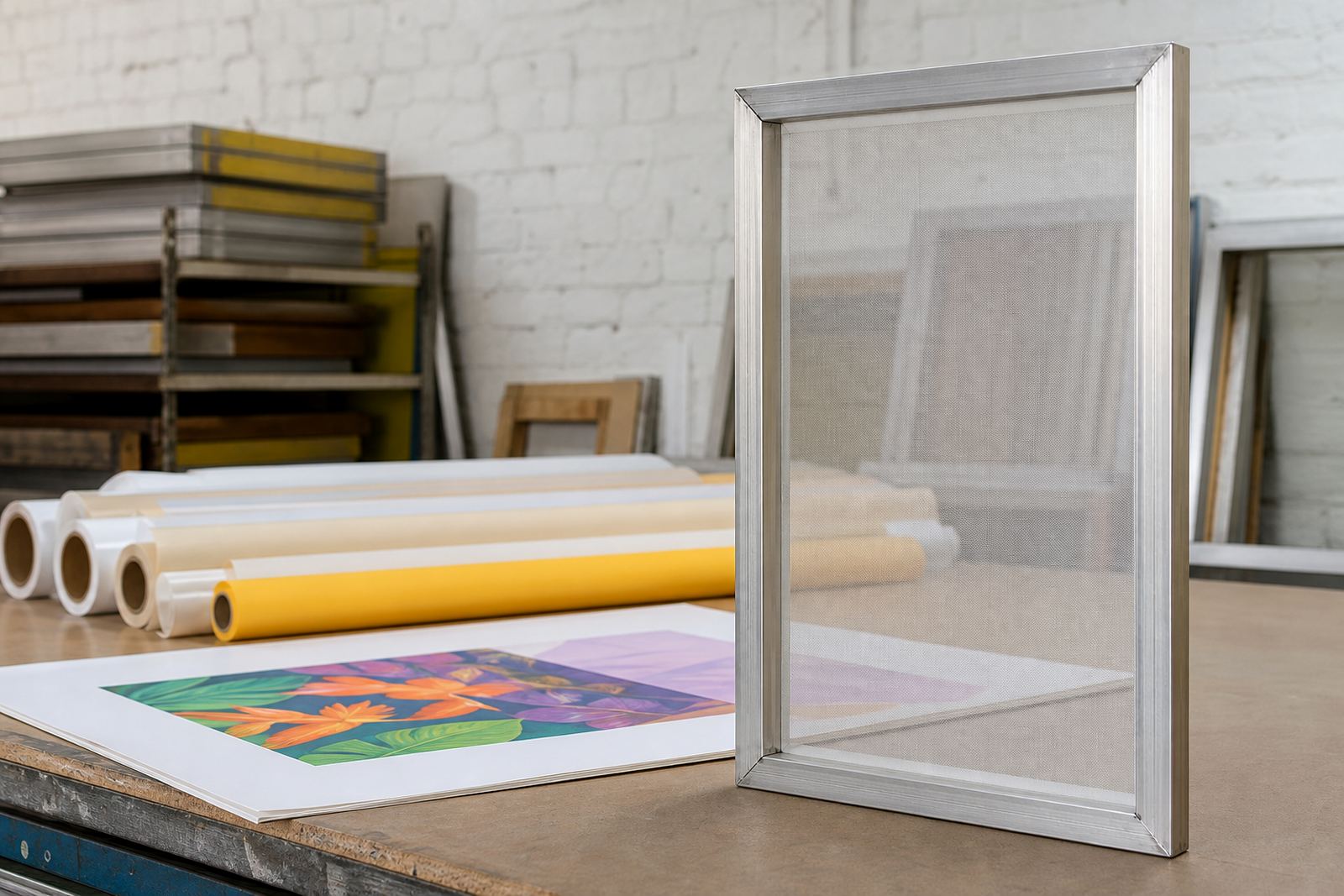
The 77cm frame is a pre-stretched aluminium screen frame supplied for screen printing applications where a medium size is more practical than small sample frames or oversized production screens. It suits shops that print a steady mix of artwork, repeats and short runs, especially when the work needs enough open area for clean squeegee movement without handling a very large screen.
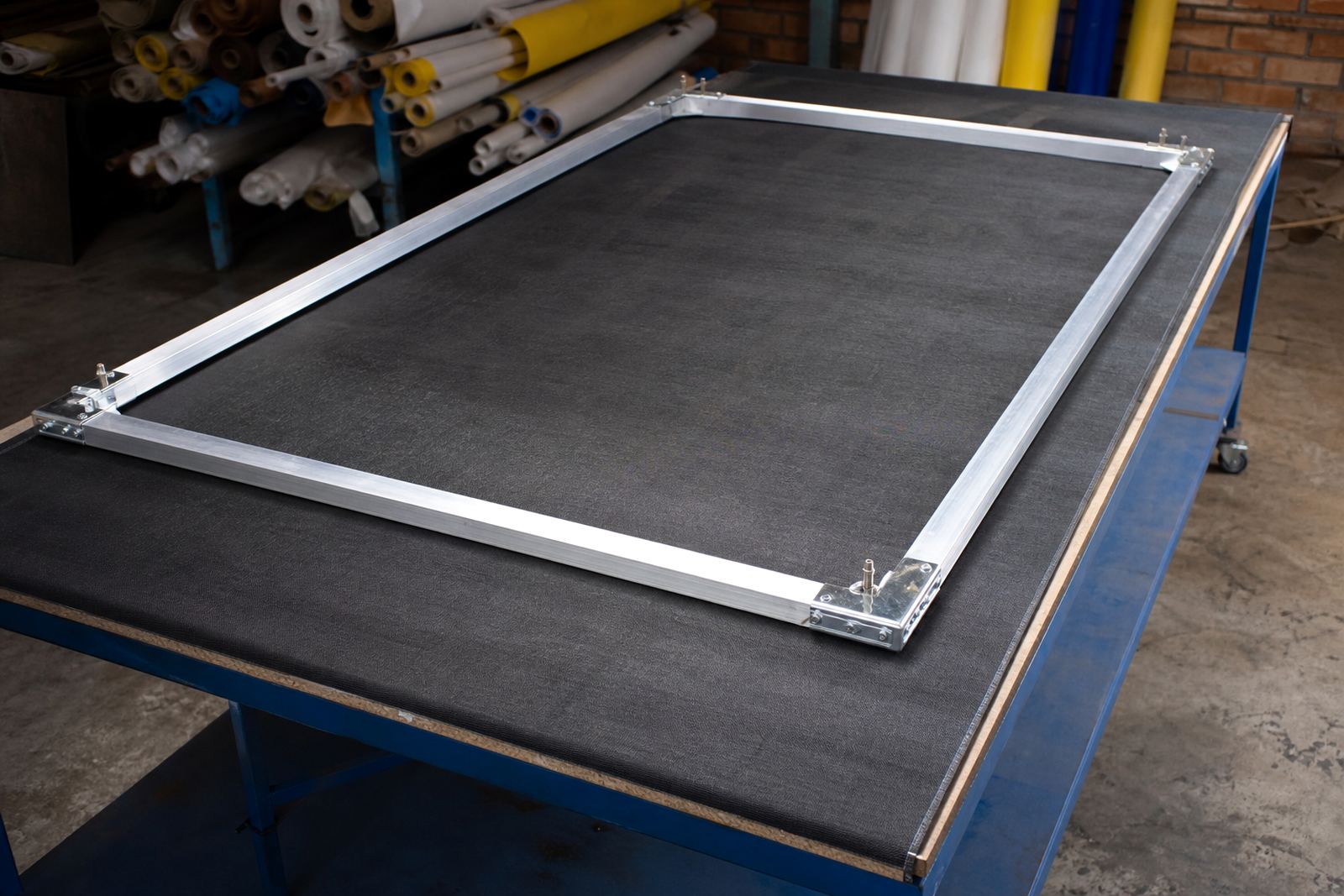
Because the frame arrives ready for mesh bonding and setup, it saves time at the stretching stage and helps reduce uneven tension that can affect detail, registration and ink deposit. For day to day work, that means fewer surprises on press and less time spent correcting screens that pull unevenly at the corners.
- Commonly used for garment printing and general workshop screen work
- Suitable for medium format artwork and repeated production jobs
- Helps keep mesh tension consistent across the full print area
Sizes, mesh counts and tension choices
This frame is sold as a 77cm format screen, with the working size depending on the exact outer frame and mesh area supplied for the job. The right mesh count depends on what you print and the level of detail you need. Coarser mesh counts are generally chosen for heavier ink deposits, while finer counts are used where detail, halftones or thinner ink laydown matter more.
In practical screen-printing terms, mesh selection should be matched to the ink type, stencil detail and substrate surface. If the screen is used for bold lettering or heavier deposit work, a lower mesh count may be more suitable. For finer line work or detail, a tighter mesh count is often the better fit. Tension also matters because a well-tensioned screen can help improve image sharpness and reduce print drag. Too loose and the print can feel soft, too tight and the screen may be harder to control on press.
- Mesh count can be matched to artwork detail and ink type
- Higher tension helps with cleaner edges and better repeatability
- Coarser mesh suits heavier deposit work, finer mesh suits detail
Where this frame suits print shops in South Africa
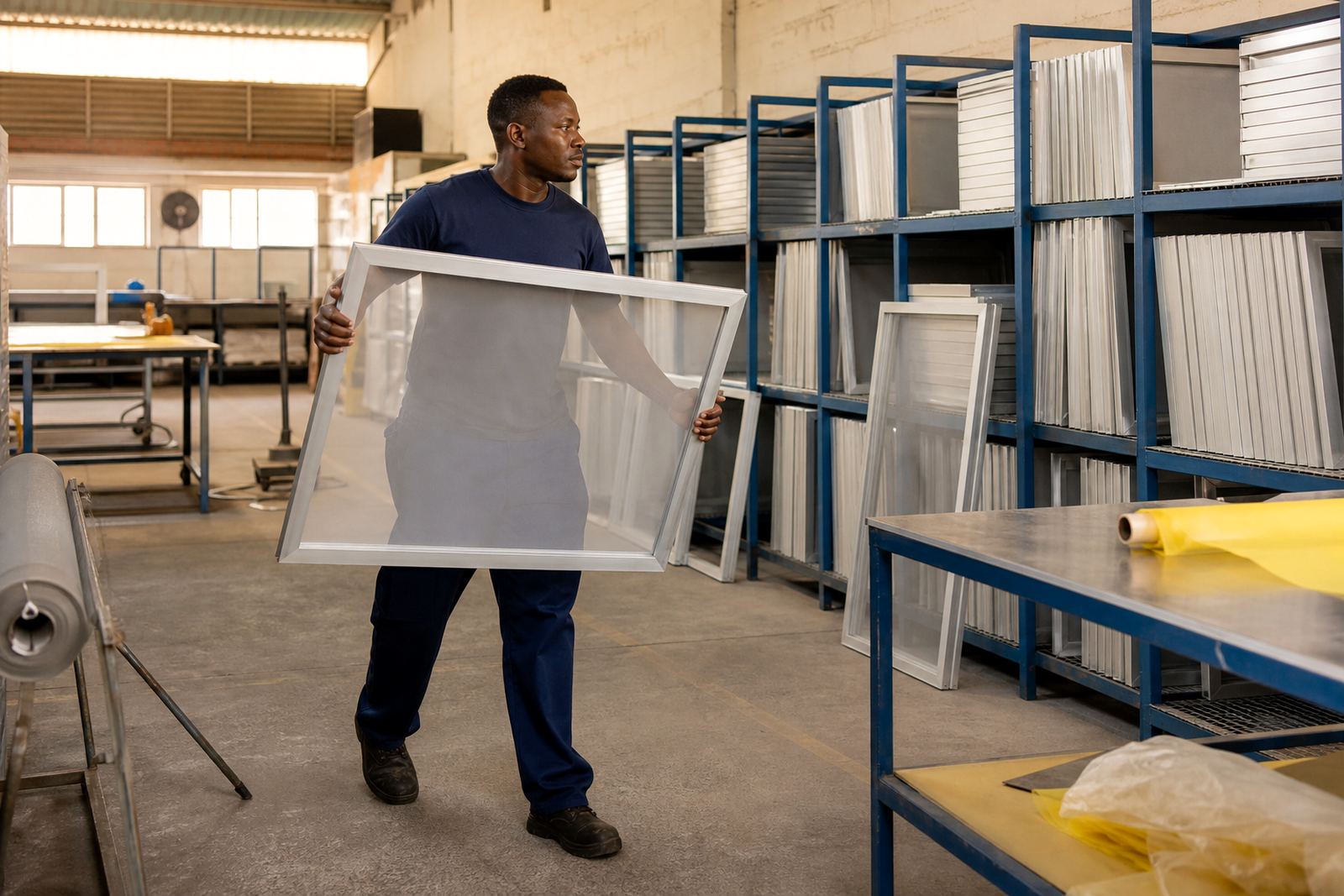
The 77cm frame is a solid fit for print shops in Johannesburg, Pretoria, Durban, Cape Town and Gqeberha that need a middle-sized screen for regular production. It works well where the team wants a frame that is large enough for useful output, but still manageable on a busy floor with limited bench space.
Gauteng shops often appreciate a frame that can move through prep, coating and press setup without taking over the whole room. On the coast, where humidity can affect mesh handling and drying times, a properly built frame helps keep the screen stable once it is set up. That is especially useful when local conditions change from one day to the next and the shop needs screens that behave predictably.
- Good for mixed production in busy urban print shops
- Useful where bench space and storage must be managed carefully
- Suitable for inland and coastal working conditions alike
Installation and workshop setup
The 77cm frame does not need power or gas to operate, but it does need proper screen prep, a clean bonding surface and enough drying time after mesh attachment. Good installation starts with frame cleaning, correct mesh alignment and even stretching so the screen does not twist or relax unevenly later. If the screen is being prepared for repeat use, the frame should be checked for straightness and any signs of wear at the bond points.
For shops running during load-shedding, a pre-stretched frame is useful because it removes one of the more time-sensitive steps from the day. You can prepare screens ahead of press time and keep them ready for setup without needing stretching equipment on the spot. That can help when a production window opens late or a municipal power cut interrupts the normal workflow. It also means less pressure on staff who are trying to move screens through prep, coating and dispatch all in the same shift.
- No power or gas required for the frame itself
- Needs clean prep, correct mesh alignment and proper drying time
- Handy for shops planning around load-shedding or tight production windows
Care, cleaning and repeat servicing
A well kept 77cm frame can be reused many times if it is cleaned after printing and stored in a dry place. Ink residue, emulsion build-up and careless handling can shorten the useful life of the mesh and make tension less predictable over time. After washout, the frame should be dried properly before stacking or putting away so moisture does not sit in the corners or on the bond line.
Where a screen starts to lose tension or the mesh shows signs of damage, re-stretching can be a practical option instead of replacing the whole unit. That is often worthwhile for print shops that want to keep a consistent frame size in production. Regular tension checking also helps catch small changes before they affect print quality. A screen that is clean, dry and checked between jobs usually performs better and lasts longer, especially when it is used hard every week.
- Clean after use and dry fully before storage
- Check tension regularly for signs of sagging or wear
- Re-stretching can extend the working life of a good frame
What to confirm before you order
Before ordering a 77cm frame, it helps to check the exact outer size, the usable mesh area and the mesh count needed for your work. You should also confirm whether you need a fresh stretched frame, a re-stretch on an existing frame, or a batch of screens prepared to the same spec. If your shop uses a standard press setup, make sure the frame dimensions suit the clamps and clearance on the machine.
It is also wise to note the type of ink, the artwork detail and the substrate you print most often. That lets the frame and mesh be matched properly from the start. If your jobs include line work, halftones or heavier deposit printing, say so when placing the enquiry so the screen can be set up for that use. In practice, small differences in mesh count and tension can affect the final print more than many shops expect, so it pays to be specific.
- Confirm outer size, usable area and mesh count
- Check press compatibility and clamp clearance
- Tell us the ink type and the kind of artwork you print most often
Key facts
| Product type | Pre-stretched aluminium screen frame |
|---|---|
| Format | 77cm medium format |
| Typical use | General screen printing and production work |
| Mesh options | Mesh count matched to artwork detail and ink deposit needs |
| Frame service options | New stretching, re-stretching and tension checking |
| Power or gas requirement | None for the frame itself |