Paper Screen for cleaner detail on paper and board
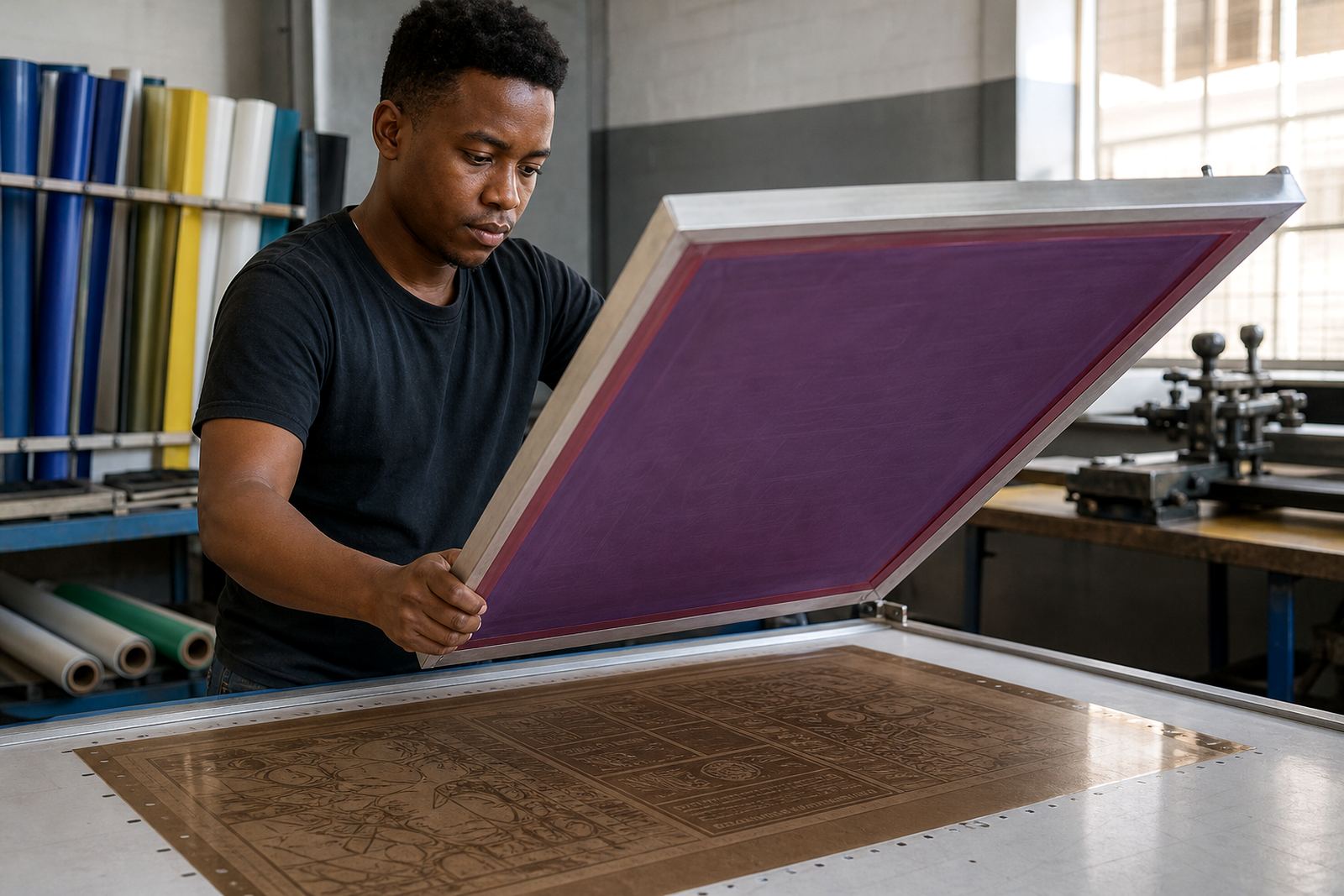
Paper Screen refers to a screen setup chosen for finer work on paper, board and similar stock where clean line definition matters. In screen printing, the mesh count and thread thickness are selected to suit the ink deposit needed, the detail in the artwork and the surface of the material. For paper work, many printers prefer a finer mesh than they would use on textile jobs because the print usually needs a lighter ink laydown and better control around small text, logos and line art.
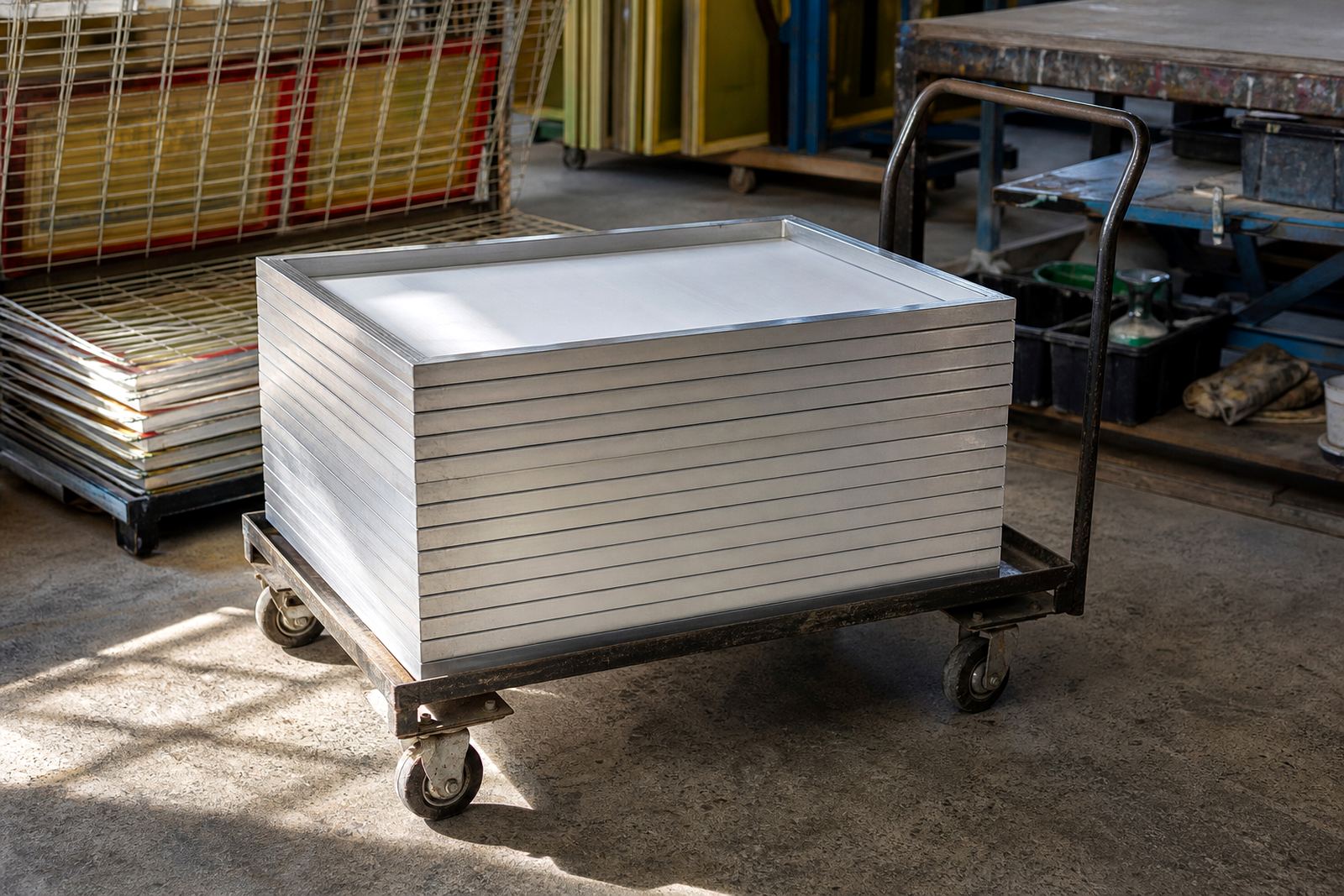
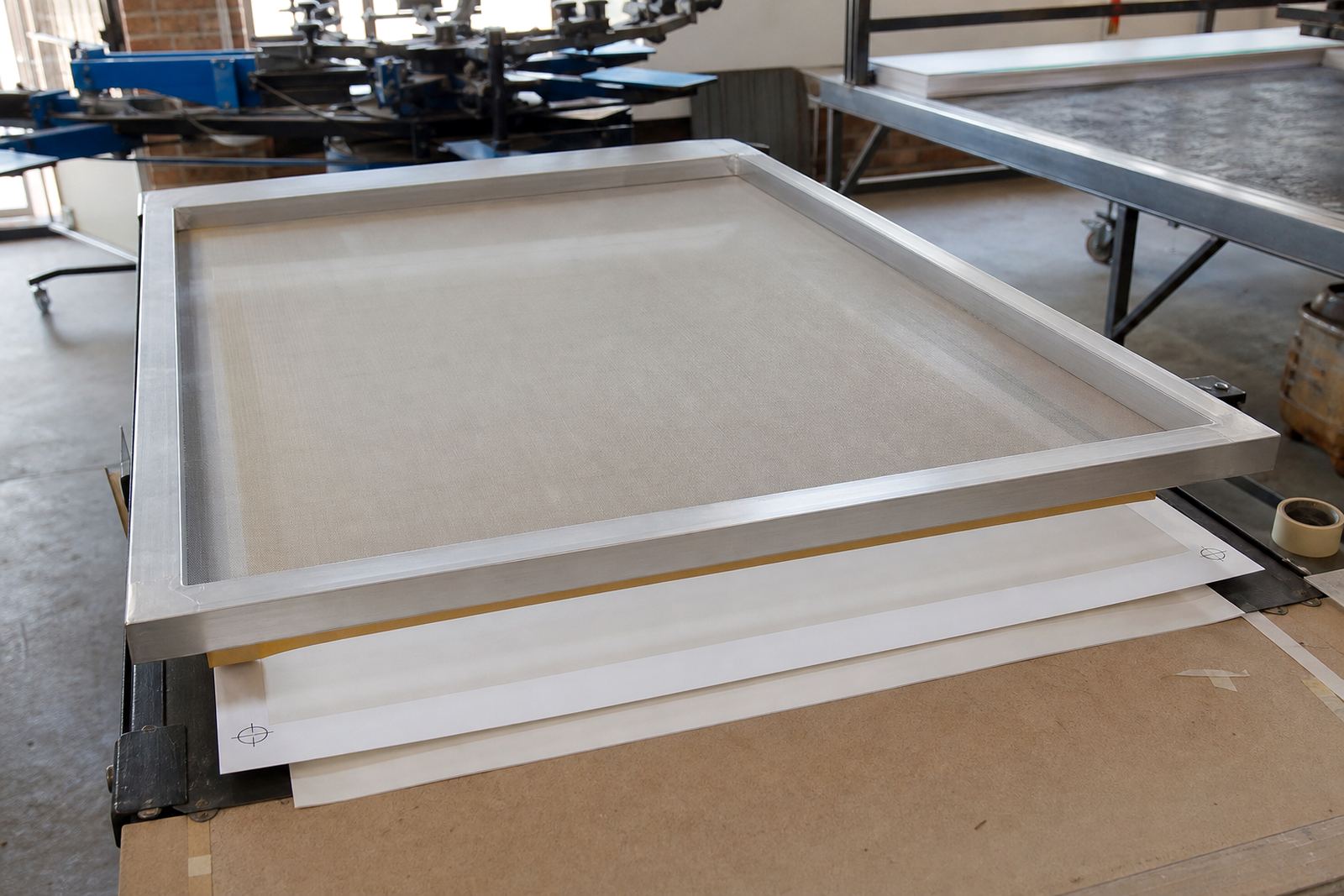
At MeshMaster, the paper screen range is supplied as mesh on frames or as pre-stretched aluminium frames ready for coating and use. The aim is steady tension, even mesh alignment and a frame that holds its shape through repeated wash-up and production cycles. That matters on paper and board where registration errors show quickly. A screen that is uneven or tired can cause fuzzy edges, poor detail and waste stock.
Mesh counts and frame sizes that suit paper printing
Choosing the correct mesh count depends on the ink system, artwork detail and the absorbency of the sheet. For paper and board, printers often work with finer mesh counts for detail work and medium counts where a little more ink deposit is needed. Common screen-printing practice is to match the mesh to the job rather than forcing one screen to do everything.
- Fine detail and small type: higher mesh counts for cleaner release and tighter edges
- General paper work: mid-range mesh counts where a balanced ink deposit is needed
- Heavy solids or special effect inks: lower mesh counts where a stronger laydown is needed
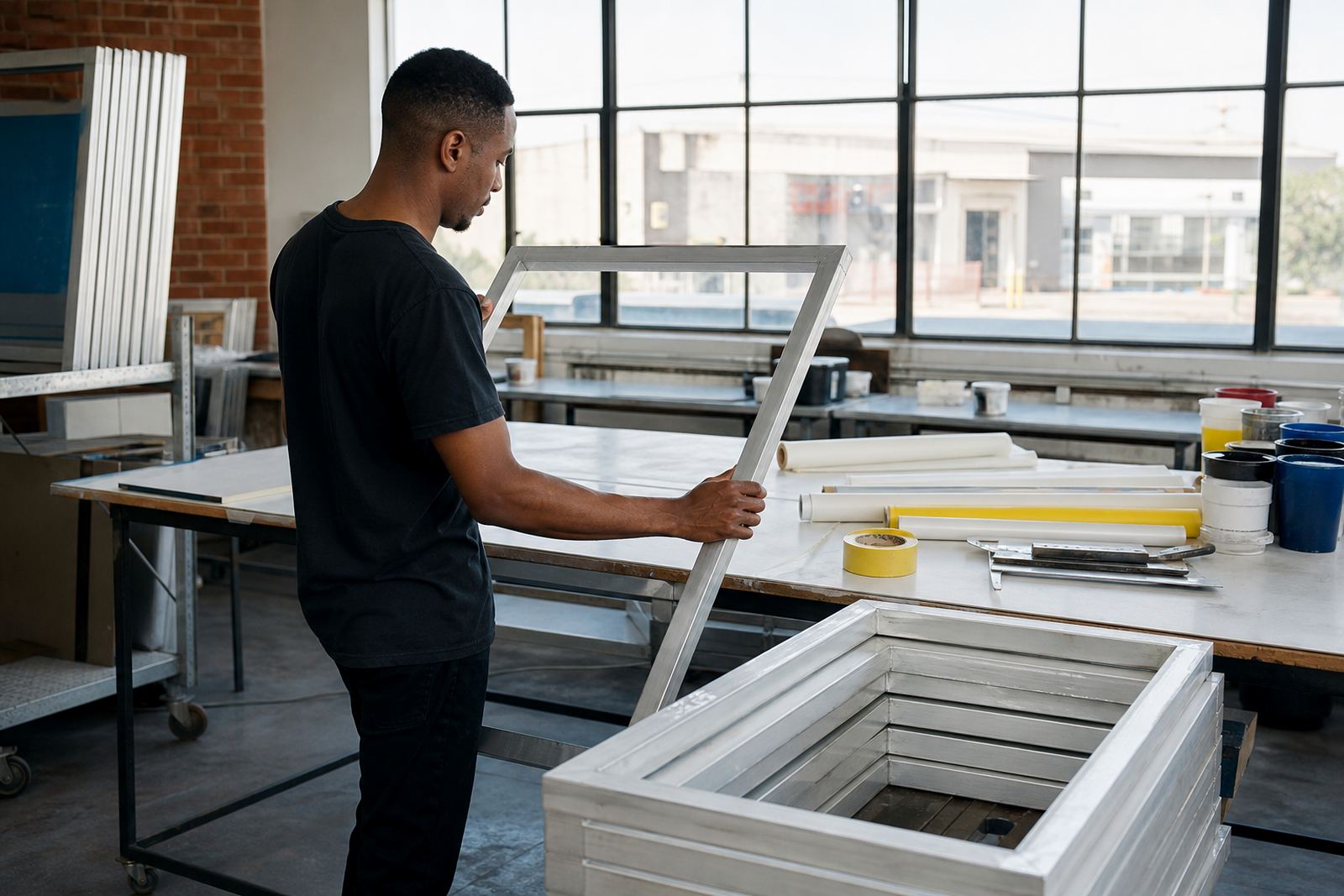
- Custom sizes: frames cut to suit the press, substrate size and handle clearance
Frame size should allow for good screen placement, enough open area around the image and comfortable handling during coating, exposure and printing. When ordering, give the finished artwork size, the press size and the sheet size you are running. That helps match the frame properly, especially if you are running A3, SRA3, packaging blanks or board panels that need extra border space for tape and clamp clearance.
Where paper screens work best
Paper Screen is suited to work where a neat print surface and consistent registration are needed. It is commonly used for stationery, inserts, presentation covers, carton panels, hang tags, greeting cards and short-run packaging components. In many shops the same setup also supports proofing, sampling and repeat batches where the artwork must stay clean from run to run.
For printers in Johannesburg, Pretoria, Durban, Cape Town and Gqeberha, local conditions also matter. Coastal humidity can affect drying and coating times, while dusty workshop conditions in Gauteng can affect screen prep and mesh cleanliness. Paper and board can curl or pick up moisture, so a screen that is well tensioned and properly stored helps keep the job moving. If the stock is sensitive to heat or pressure, a more controlled print setup is usually better than chasing speed.
Pre-stretched aluminium frames and installation notes
Pre-stretched aluminium frames are a practical option for paper work because they are lighter than many traditional frame types and they help keep mesh tension more consistent. Good tension supports cleaner edges and more stable registration, especially on multi-colour work. If the frame is correctly stretched and bonded, it is easier to coat evenly and the screen tends to behave better through repeated use.
Installation is straightforward for a normal screen-printing shop. No power or gas supply is needed for the frame itself. You will need your usual coating, drying and exposure setup, plus wash-up space and enough bench room to handle the frame safely. If you are using flash drying or curing equipment for the ink system, follow your normal shop power needs and ventilation controls. For paper and board jobs, also check that your drying method will not warp the stock or cause cockling.
- Check clamp position before ordering a custom frame
- Allow room for the squeegee stroke and flood stroke
- Confirm whether you need a single screen or a repeat set for production
- Make sure the press table or vacuum board suits the frame size
Care, cleaning and re-stretching support
Paper screens need the same careful handling as any other production screen, but paper and board inks can leave residue if they are not cleaned promptly. After printing, remove ink fully, wash the mesh with suitable screen-cleaning products and dry the frame before storage. If ink is left sitting in the mesh, it can clog the openings and affect the next run. That becomes obvious very quickly on fine detail jobs.
Over time, mesh tension can drop, especially if the screen is used hard or stored poorly. In that case, Frame Re-Stretching and Tension Checking are worth arranging before the screen starts causing trouble on press. We also assist with Frame Clean Prep, Mesh Bonding and Screen Inspection, which helps when you want a frame returned to proper working condition rather than replaced. A quick check before a reprint can save a lot of board and time.
What to confirm before you place an order
To match the right paper screen, send the artwork size, the substrate type, the ink type and the finish you want. If you are printing on coated board, uncoated paper or packaging stock, say so clearly because the surface changes how the ink behaves. It also helps to know whether the job is one colour, multi-colour or a repeat order with an existing setup.
- Finished image size and bleed allowance
- Paper, board or carton stock thickness
- Preferred mesh count, or the detail level you need
- Frame size and whether you need a custom size
- Quantity of screens required for production
- Any problem on the current screen such as loss of tension, pinholes or mesh damage
Clients in Germiston, the East Rand, Midrand and across South Africa can reach us through the enquiry form on our contact page. From there, our team can advise on mesh count matching, batch screen prep and repeat order service so the next run starts with the right screen in hand, not after a delay.
Key facts
| Mesh count range | Selected to suit fine detail, general paper work or heavier ink deposit needs |
|---|---|
| Frame material | Pre-stretched aluminium frame |
| Typical use | Paper, board, cartons, stationery and short-run packaging |
| Tension focus | Even, stable mesh tension for cleaner print definition |
| Sizing | Standard and custom frame sizing available |
| Service options | New Frame Stretching, Frame Re-Stretching, Tension Checking and Screen Setup Advice |