What 61T Mesh Means In The Print Room
61T mesh refers to a screen mesh with 61 threads per centimetre, which sits in the middle of the range used by many South African print shops. It gives a useful balance between ink deposit and image control, so it works well when you need clean coverage without going too coarse.
In plain terms, this mesh is often chosen for general work where the artwork has some detail but still needs enough open area to move ink through properly. It is a sensible option for shops printing across Johannesburg, Pretoria, Durban, Cape Town and Gqeberha, especially when jobs change from one run to the next.
Best Uses For 61T Mesh
This count suits everyday screen-printing applications where the printer wants decent detail and a reliable ink laydown. It is commonly used for work that sits between fine halftone screening and heavy solid coverage, so it is a good middle-ground choice for mixed production.
- General garment printing with moderate detail
- Spot colour work where coverage matters
- Simple logos, lettering and repeat jobs
- Artwork that needs cleaner edges than coarse mesh can give
- Workshop use for both production and testing screens
For shops in coastal areas like Durban or Gqeberha, the mesh choice also needs proper storage and handling. Humid air can affect how screens behave after stretching, so keeping mesh dry and clean before coating or use is important, especially when the weather turns sticky.
Sizes, Colours And Frame Options
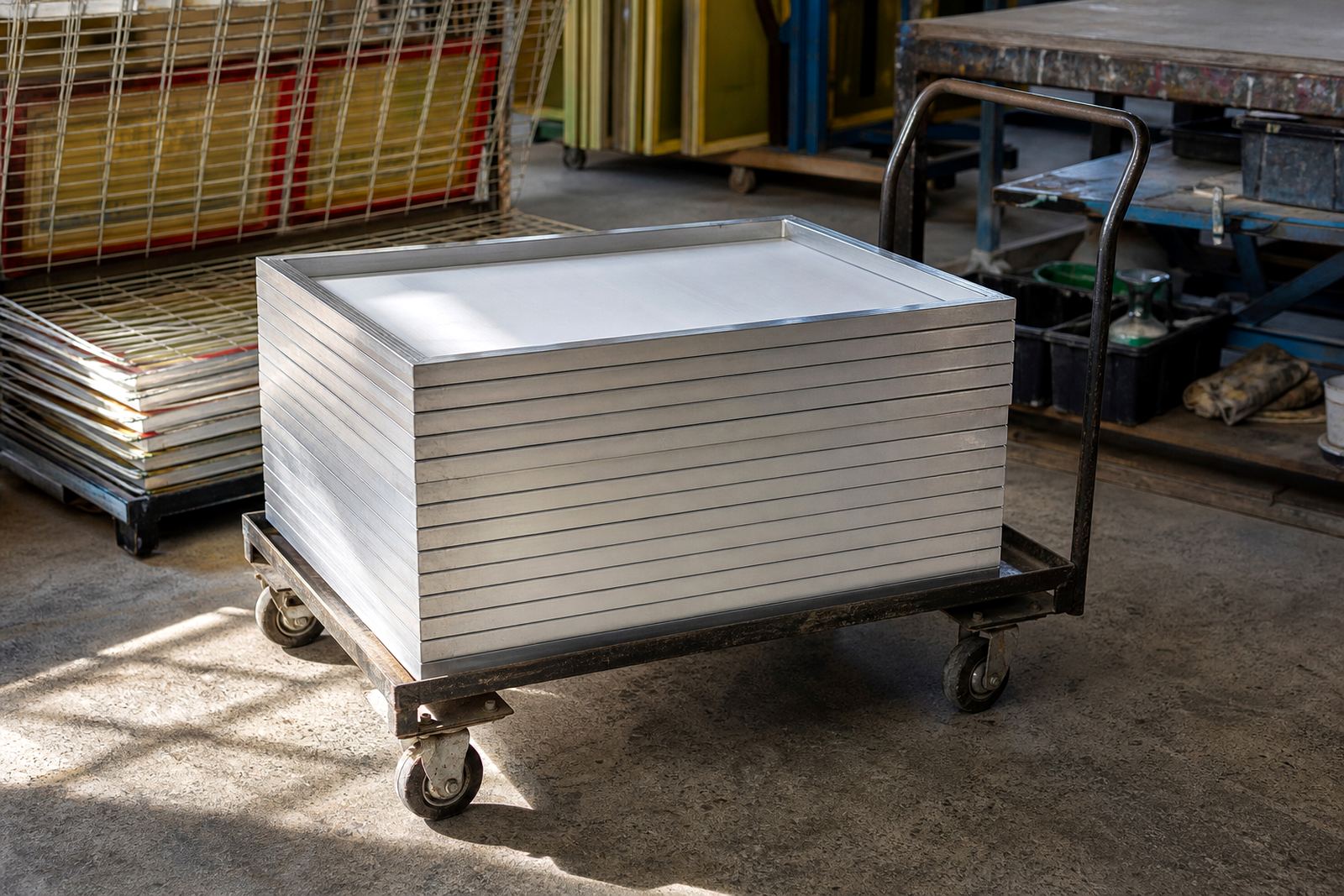
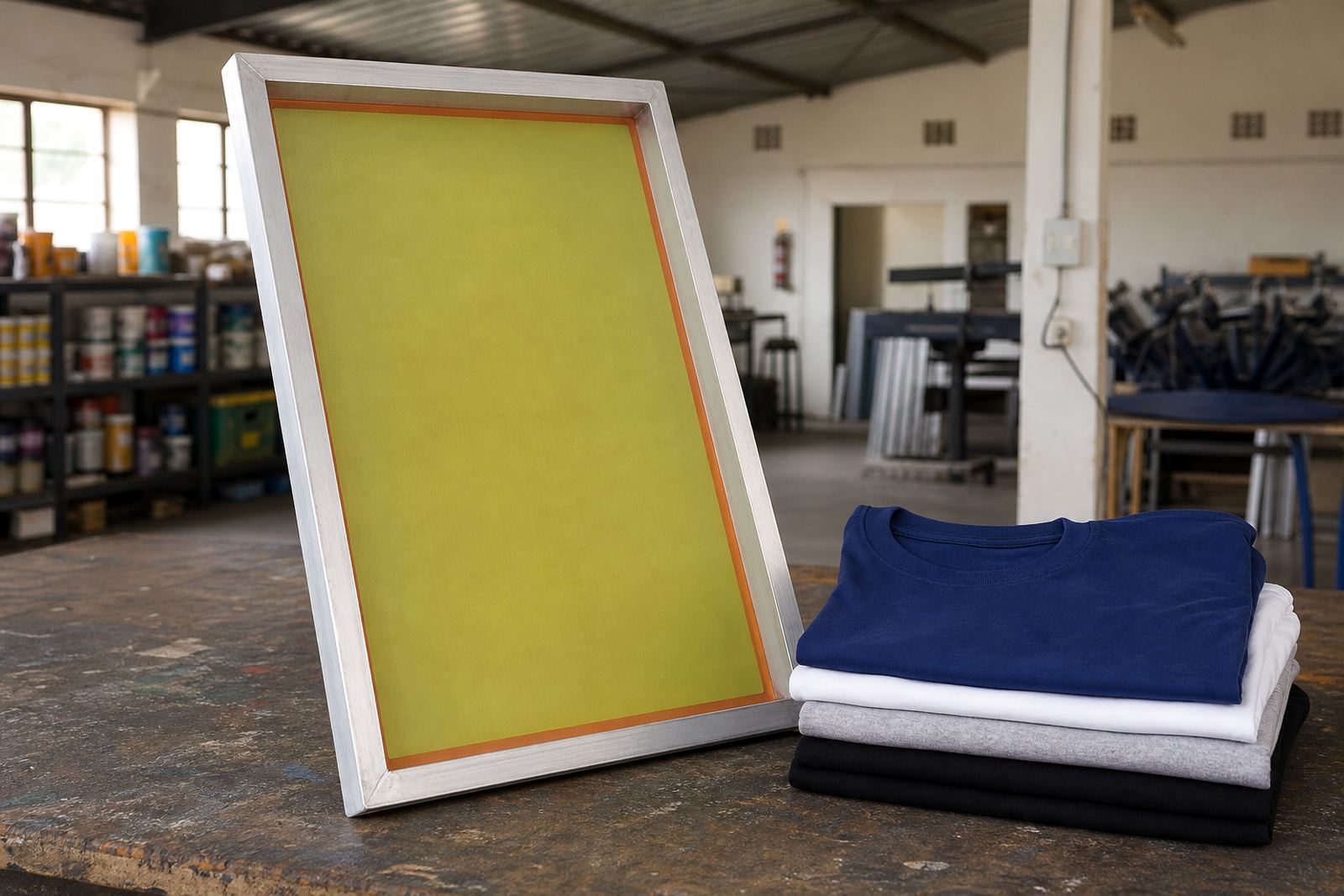
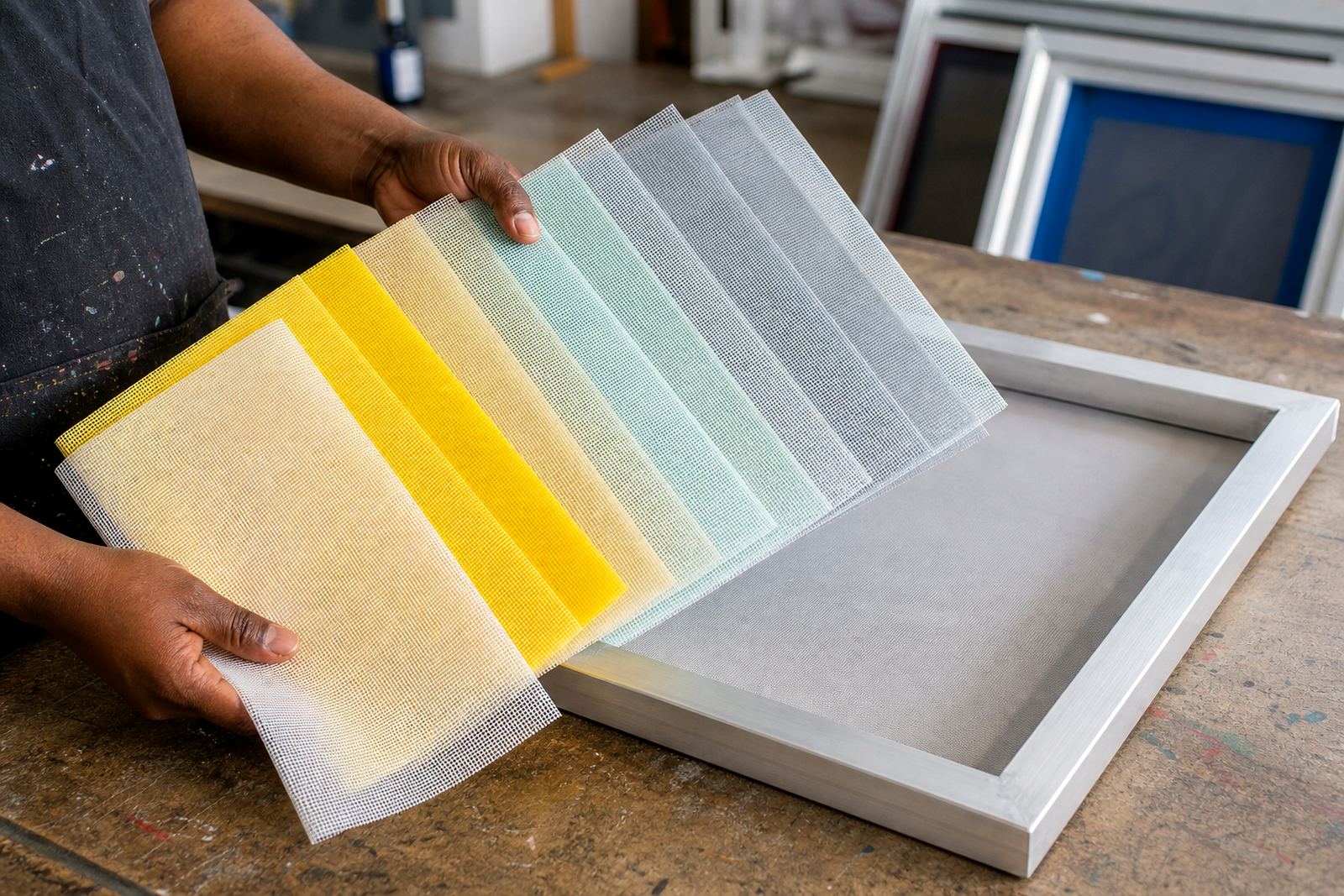
61T mesh is usually supplied in roll form or as cut sections for stretching onto aluminium frames. It can be fitted to a range of frame sizes, from smaller hand-printing screens to larger production frames, depending on the job and the press setup.
Mesh colour is normally chosen to suit exposure and visibility needs. A lighter mesh can make coating and inspection easier, while darker mesh can help reduce light scatter during exposure. The main thing is matching the mesh to the artwork and the ink system, not just picking by habit.
- Supplied as roll material or cut-to-size sections
- Suitable for pre-stretched aluminium frames
- Can be matched to different frame sizes and repeat orders
- Works well with standard screen prep and mesh bonding practices
If you are ordering for a batch, it helps to keep the same mesh count across the set so the print behaves the same from screen to screen. That saves time on press and cuts down on guess work, which is what most busy shops need.
How It Sits On Pre-Stretched Frames
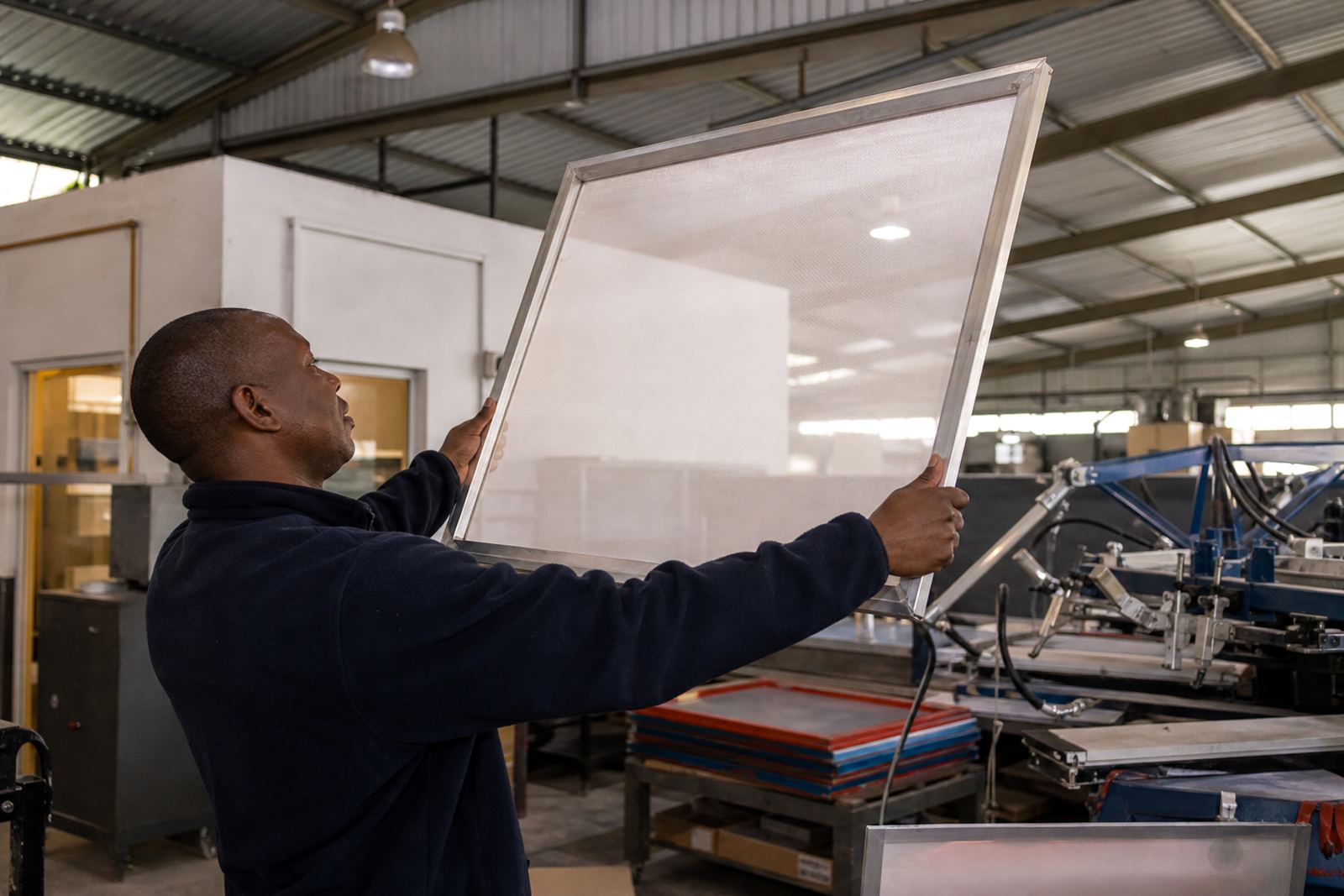
61T mesh performs best when it is stretched evenly and fixed with clean, consistent tension across the frame. A properly prepared aluminium frame keeps the mesh flat, helps the stencil hold detail and gives better repeatability during printing. Loose corners or uneven pull can lead to poor registration and patchy ink transfer.
When fitting mesh to frame, the stretching process should be matched to the screen size and the intended print use. Frame re-stretching can also work well when the frame is sound but the existing mesh has lost tension or been damaged during cleaning. That is often the more practical option for shops trying to keep waste down and maintain steady output.
- Best when tension is checked before coating and exposure
- Suitable for new frame stretching and re-stretching work
- Needs even pull across the frame, not just tight corners
- Aluminium frames help keep weight manageable and handling simple
Care, Cleaning And Screen Life
Like any screen mesh, 61T needs regular care if you want it to stay useful. After printing, screens should be cleaned soon enough to prevent ink from drying in the mesh openings, but not so aggressively that the threads are damaged. Harsh scraping and poor wash-up habits shorten screen life fast.
For shops working near the coast or dealing with load-shedding, storage matters too. Screens should be kept in a dry, shaded place where dust, heat and moisture will not settle on them. If a screen is stored with dried residue, the next coat of emulsion or next print run can be affected, and that is a headache nobody wants on a busy Monday morning.
- Rinse and clean after use before residue hardens
- Store flat or upright in a dry area away from dust
- Check for mesh damage after reclaiming
- Keep frames out of direct heat and rough handling
What To Check Before You Order 61T Mesh
Before placing an order, check the screen size, frame type and the kind of work you are printing. It also helps to know whether you need new mesh, re-stretching, or full screen prep. If your job mix changes often, tell us what you print most often so the mesh count and frame setup can be matched properly.
It is also worth confirming whether you need a single screen, a batch for repeat use, or screens prepared for delivery to different branches. Our Germiston base supports supply and dispatch for Johannesburg, Pretoria, Durban, Cape Town, Gqeberha and nearby East Rand and Midrand areas, so orders can be packed to suit your run. For larger jobs, consistent mesh count across all screens makes the press work easier and keeps the result more even.
- Screen dimensions and frame depth
- Artwork type and level of detail
- Ink type and coverage needed
- Whether you need new stretching or re-stretching
- Number of screens required for the job
Practical Notes On Installation And Servicing
61T mesh does not need power or gas to function, but the screens around it still need proper handling, drying and curing steps in the shop. If your print line uses heated drying or flash equipment, the mesh must be fitted and cured correctly so it can take repeated use without slackening too quickly. Good setup at the start saves wasted screens later.
For servicing, look for signs of edge wear, uneven tension or mesh pull near the frame. If the print starts to lose detail or the deposit changes between runs, it may be time for tension checking or a fresh stretch. That is often the right call before a rushed production day turns into rework.
Key facts
| Product | 61T screen mesh |
|---|---|
| Mesh count | 61 threads per centimetre |
| Typical use | General printing with balanced detail and coverage |
| Frame compatibility | Pre-stretched aluminium frames and re-stretching work |
| Application range | Mixed artwork, spot colours and everyday production screens |
| Service fit | New frame stretching, tension checking, mesh count matching and screen prep |