What a repeat order screen is used for
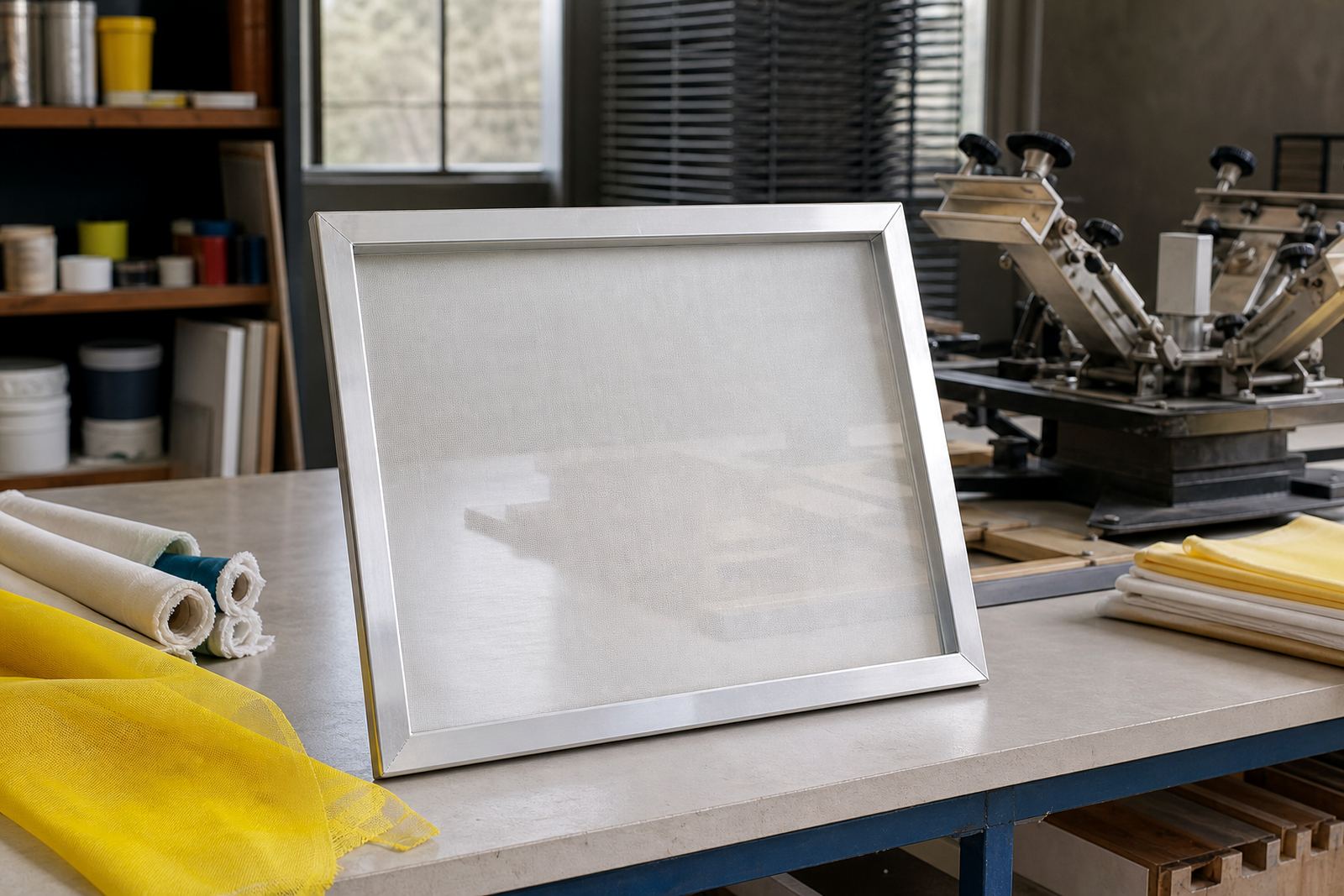
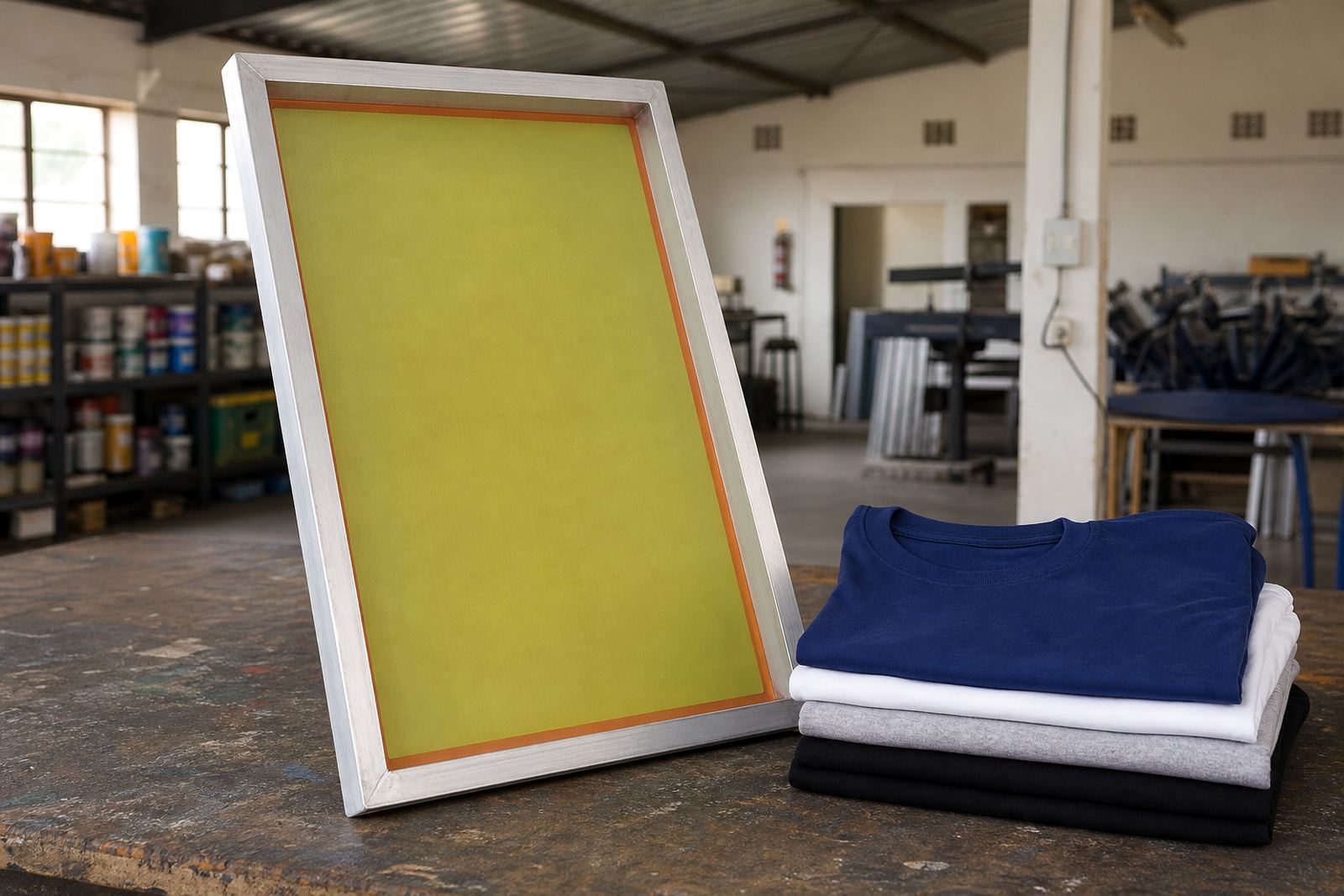
A repeat order screen is a replacement or duplicate screen built to match an existing print setup as closely as possible. It is useful when a shop is running the same artwork family, garment size, substrate or ink system on a regular basis and wants the same screen behaviour from one batch to the next. The value is consistency. If the mesh count, frame opening and tension stay stable, the stencil holds up better and the print result is easier to repeat.
These screens suit print shops that do not want to rework the same job every time. They are also handy for teams training new operators, because the setup stays familiar. A repeat order screen can be made for manual printing tables, carousel work, sample production and small to medium production runs where dependable registration matters.
- Used for repeat jobs that need the same mesh count and frame size
- Suitable for textile inks, graphic work and general screen-printing tasks
- Helps reduce setup time when the shop keeps the same spec on file
Mesh counts, frame sizes and tension options
The right repeat screen starts with the mesh. Coarser mesh is usually chosen when a heavier ink deposit is needed, such as on bold textile prints or artwork with less fine detail. Medium mesh is a common all-round choice for general screen work. Fine mesh is better where detail, halftones and thinner ink layers matter. The final choice depends on the ink type, artwork detail and the substrate being printed.
Frames are supplied in practical sizes to suit the job and the press. Aluminium frames are a strong option for repeat use because they stay straight and are easier to keep stable over time. Tension is checked so the mesh sits evenly across the frame, which helps reduce uneven print pressure and makes the squeegee stroke more predictable. If a shop has an existing screen that prints well, we can match the frame sizing and working mesh as closely as possible.
- Coarse mesh for heavier ink deposit and bolder prints
- Medium mesh for general production work
- Fine mesh for detail, halftones and lighter ink layers
- Custom frame sizing available to match an existing setup
Where repeat order screens suit South African print shops
Repeat order screens are a practical choice for print shops in Johannesburg, Pretoria, Durban, Cape Town and Gqeberha that run the same types of work week after week. They are also useful for East Rand and Midrand businesses that need a steady stock of screens for recurring orders. If your shop deals with the same logo placements, school wear, corporate garments, labels or display work, having a reliable screen on hand makes planning easier.
In coastal areas like Durban and Gqeberha, storage conditions matter as well. Humidity can affect how screens are kept between jobs, so a repeat screen needs proper drying and storage after use. In Gauteng, dust and load-shedding interruptions can slow production, which is another reason shops keep duplicate screens ready. A repeat order screen helps with that kind of working day, especially where a quick swap is needed to keep the queue moving.
- Good for recurring artwork and standardised print jobs
- Useful as a spare screen when one job has to keep moving
- Helpful for shops that manage production across multiple operators
Installation, power and gas needs
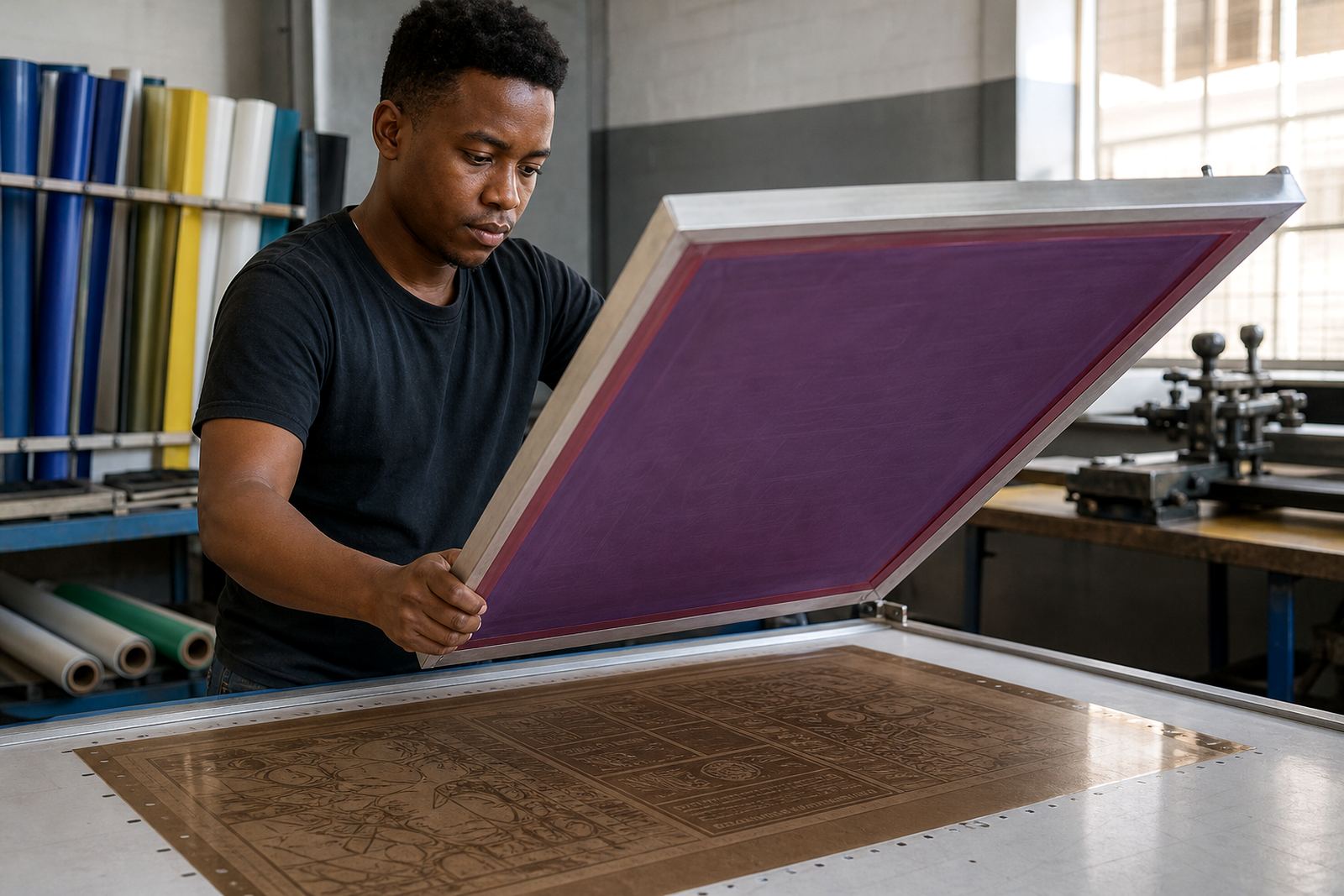
These screens do not need power or gas themselves. They are fitted into the printing setup and used with the shop's normal screen-printing process. Installation means placing the screen on the press or print table, checking registration, and confirming that the mesh is sitting evenly before production starts. If the shop uses manual equipment, the screen is ready for standard hand printing. If the shop works with a mechanical setup, the screen is prepared to suit that workflow too.
What matters most is the fit. The frame must sit securely, the mesh must be tensioned properly, and the screen should clear the substrate with enough room for the print stroke. If a shop is changing from an older screen to a repeat replacement, it is worth checking the frame outer size, the print area and the clamp position before ordering. That saves time once the screen arrives.
- No power connection required
- No gas requirement
- Fits standard screen-printing workflows with manual or mechanical use
- Check press clearance and clamp position before ordering
Care, cleaning and re-use between jobs
A repeat order screen lasts longer when it is cleaned and stored properly after each run. Ink residue should be removed as soon as practical, especially with water-based products that can dry into the mesh. Stencil clean-up should be done carefully so the mesh is not damaged. After washing, the screen needs to dry fully before it is stacked or stored, because moisture trapped in a frame can lead to staining or poor re-use later.
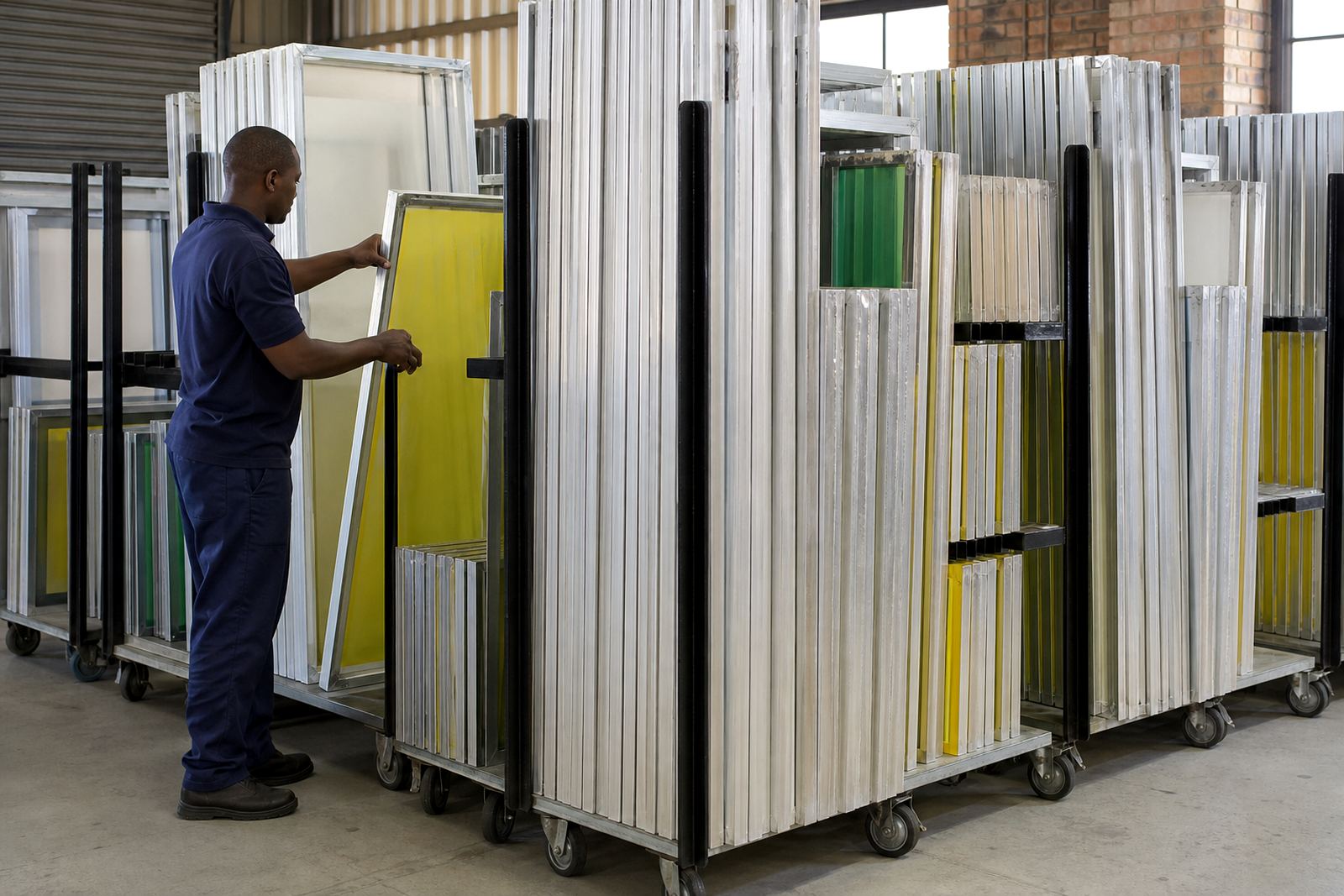
For shops working near the coast or in humid weather, storage matters even more. Keep the screen off the floor, away from dust and direct sun, and avoid leaning it where the mesh can sag. If a screen starts to lose tension or shows blocked mesh, it may need inspection before the next run. Regular care keeps the repeat order screen useful for much longer and helps the print result stay steady.
- Clean soon after use to prevent dried ink in the mesh
- Dry fully before stacking or storing
- Keep away from dust, direct sun and damp areas
- Inspect mesh and frame before putting the screen back into production
What to check before you place a repeat order
When ordering a repeat screen, send through the details that matter most for matching. The more complete the information, the better the fit. If you already have a screen that works well, use it as the reference point. If not, a clear description of the print job will help us match the count and frame style to the work you are doing.
It also helps to know whether the screen is for textile printing, graphic work or a mixed job. Some jobs need a heavier ink deposit while others need finer detail and cleaner edges. A repeat order is not only about copying a frame size, it is about keeping the working behaviour the same. That is what makes production easier for the team on the floor.
- Current mesh count or the type of print detail required
- Frame outer size and print area
- Whether the job uses textile, graphic or mixed printing
- Any previous issue such as sagging, blocked mesh or uneven tension
- Preferred collection or delivery area, including Germiston, Johannesburg, Pretoria, Durban, Cape Town or Gqeberha
Key facts
| Product type | Repeat order screen for screen-printing use |
|---|---|
| Frame material | Pre-stretched aluminium frame |
| Mesh options | Coarse, medium and fine counts matched to the job |
| Sizing | Custom frame sizing available to suit an existing setup |
| Power or gas | Not required |
| Best use | Recurring print jobs where consistency matters |