What the 55cm frame is used for
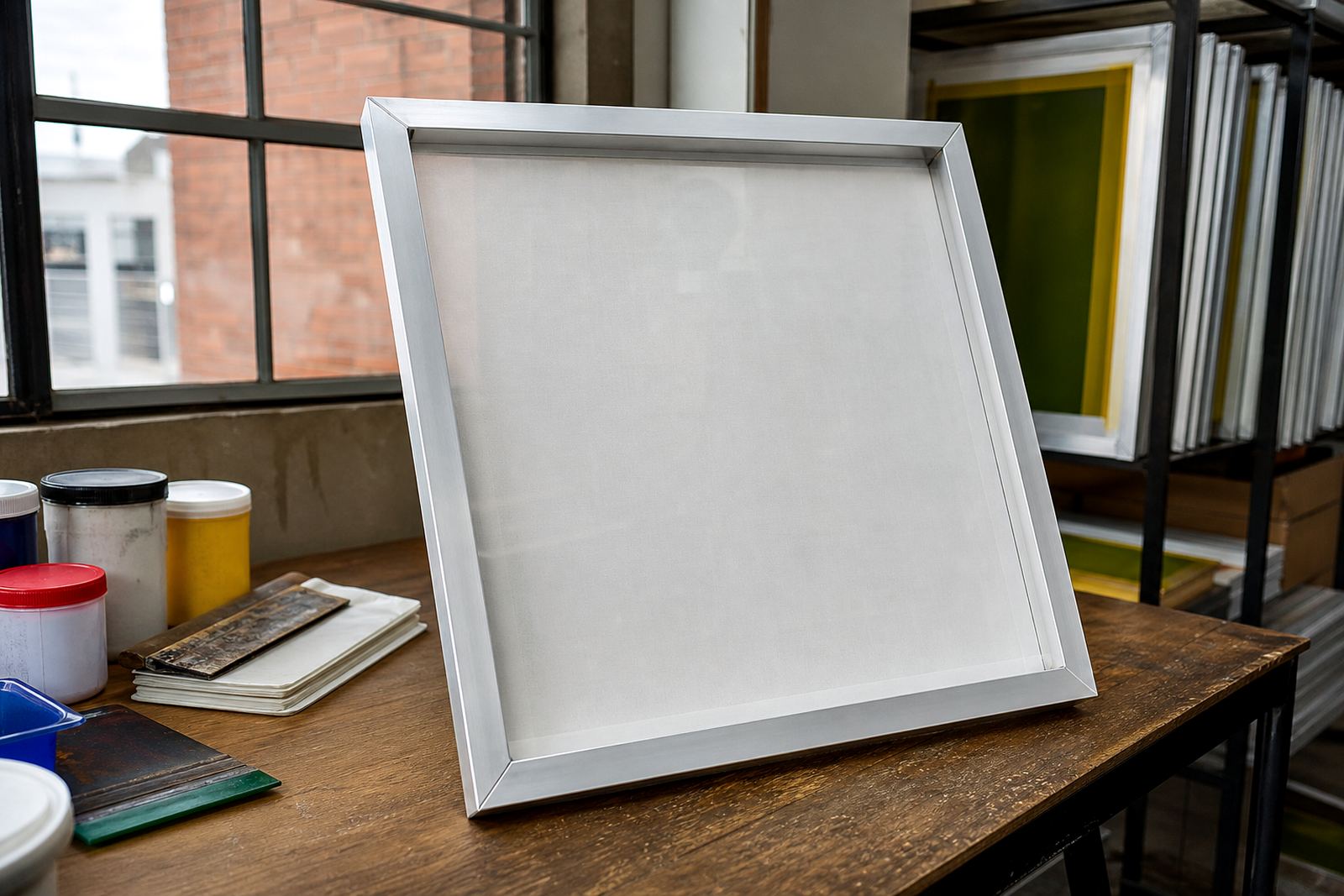
The 55cm frame is a useful size for shops handling moderate print areas on garments, bags, labels and other flat items. It gives enough working space for a steady stencil layout while staying manageable for setup, storage and handling on the press. For many South African print rooms, this size sits neatly between very small handwork frames and larger production frames that take up more room on the table.
In screen printing, the frame is only part of the job. The mesh count, mesh tension and frame condition all affect how the ink sits on the substrate and how clean the edges print. A 55cm frame is often chosen when the artwork needs room for detail but the run size or garment size does not justify a much larger screen. It is a practical choice for shops in Johannesburg, Pretoria, Durban, Cape Town and Gqeberha that need dependable daily use.
- Suitable for moderate image areas and repeat production work
- Easy to store and move between print stations
- Works well for fine detail or medium coverage layouts
- Commonly used as part of a mixed screen set for different jobs
Mesh counts and tension that suit this frame
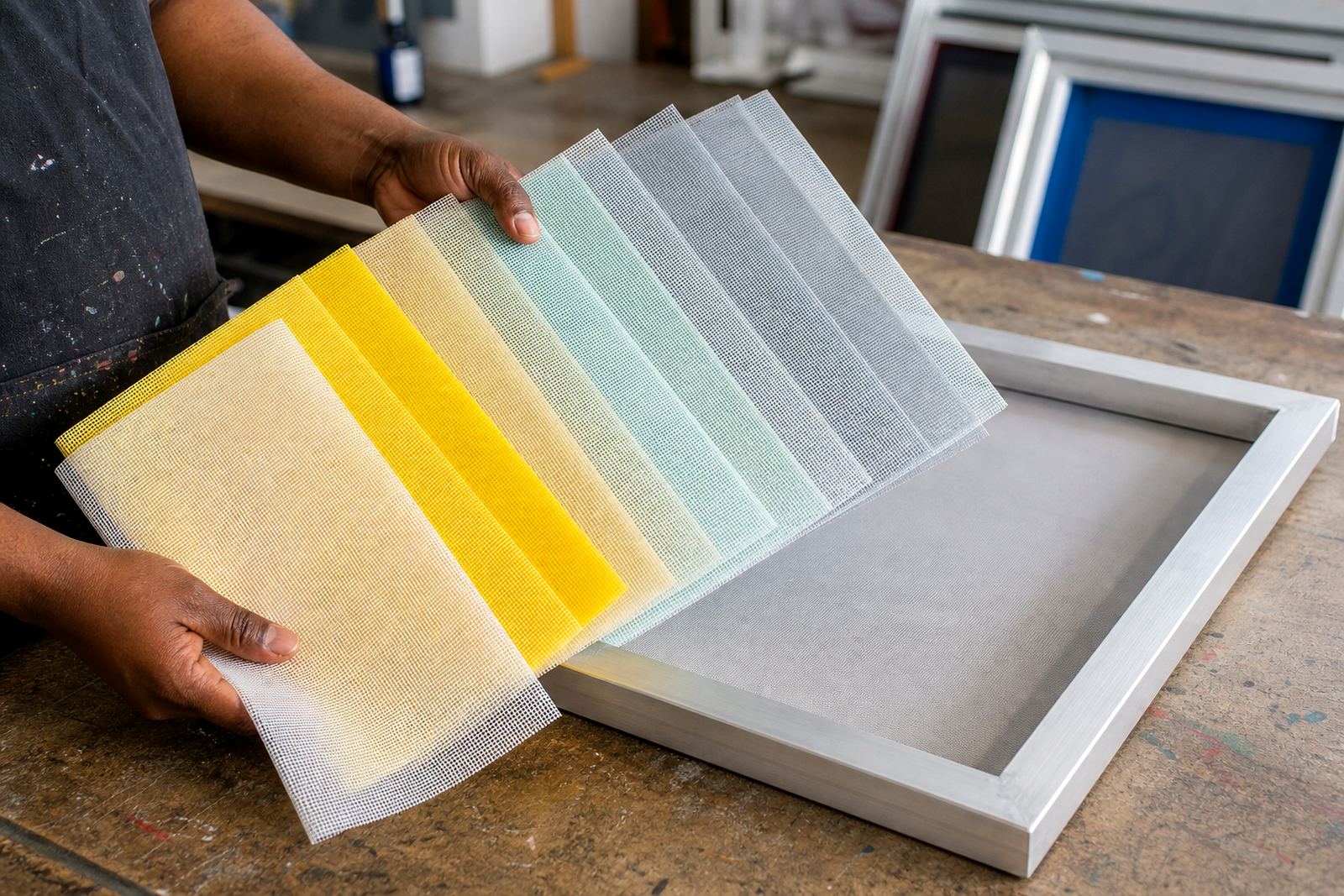
Mesh choice depends on the ink type, detail level and the amount of ink deposit needed. On a 55cm frame, lower mesh counts are generally used for heavier ink deposit and bolder prints, while higher mesh counts are better for fine detail, halftones and cleaner edge control. A proper mesh count match helps avoid flooding, blurry edges and uneven coverage, which is especially important when printing under pressure on repeat work.
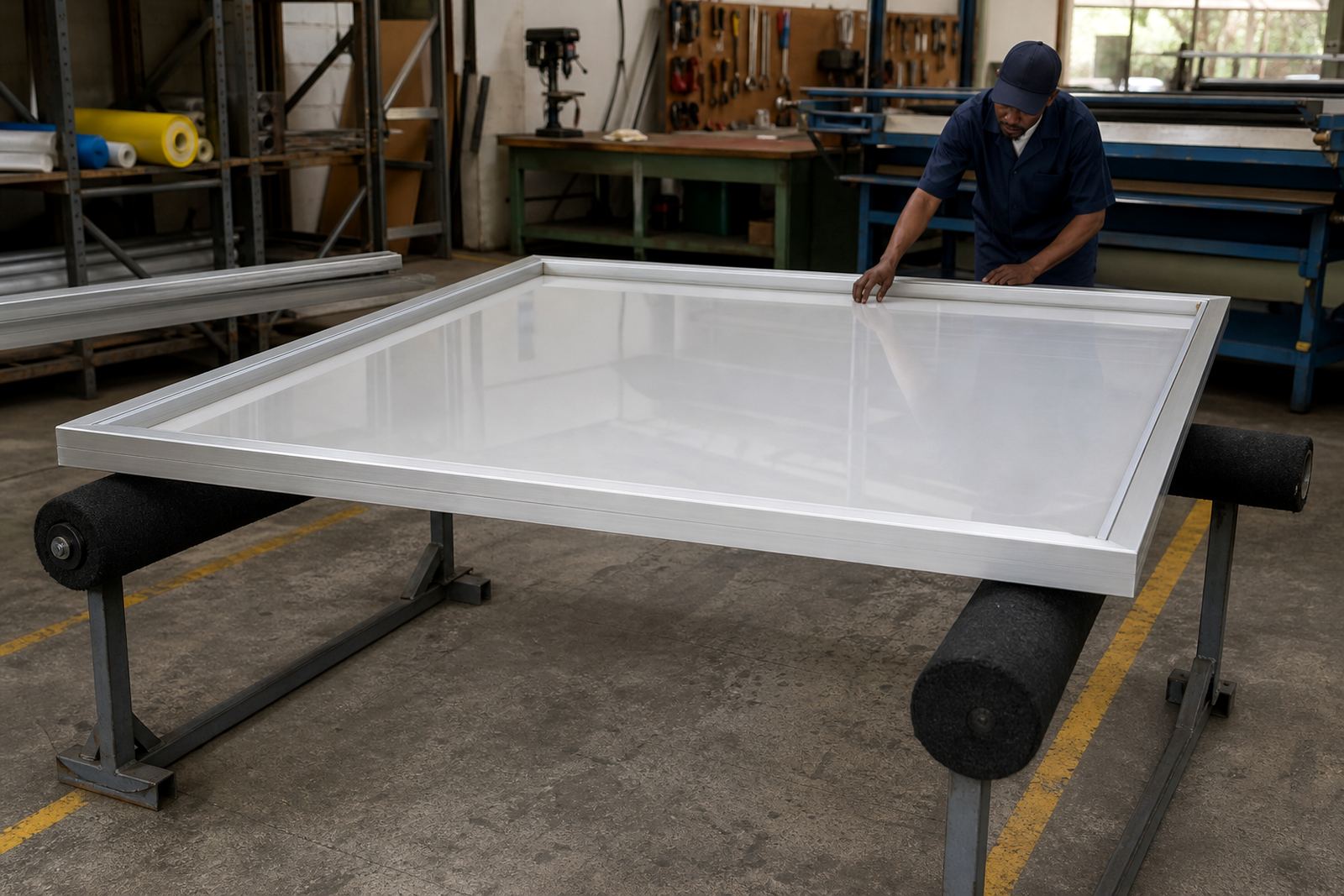
Tension is just as important as mesh count. A well-stretched screen should feel even across the full surface with no soft corners or loose areas. If the mesh is too slack, the squeegee will push ink inconsistently and the stencil can lose definition over time. If it is stretched too tight, the mesh can be damaged or the frame can be strained. Good tension checking before dispatch saves time later and helps keep prints consistent, even when the workshop is busy and load-shedding has thrown the day off a bit.
- Lower mesh counts for thicker ink deposit
- Medium mesh counts for general garment work
- Higher mesh counts for fine artwork and detail
- Even tension across corners, sides and centre
Pre-stretched aluminium frames and sizing options
Our 55cm frame range is built for shops that want a ready-to-use screen foundation with reliable edge stability. Aluminium frames are popular because they are light to handle, do not warp easily and cope better with moisture than untreated timber, which matters in coastal humidity and in busy washout areas. They also suit repeat use, especially where frames are cleaned, reclaimed and returned into production.
Depending on your setup, the 55cm frame can be specified for different mesh counts and opening sizes, with options that suit either new screen stretching or re-stretching work. If you are building a matched set for a press, it helps to keep frame dimensions consistent so screen height, off-contact and registration behave the same from one screen to the next. That makes daily production simpler and reduces fiddling during setup.
- Pre-stretched aluminium construction for repeated use
- Suitable for new stretching and re-stretching services
- Can be matched to common mesh counts used in print shops
- Helpful where consistent press setup is needed across a batch
Where a 55cm frame fits in production
This frame size suits short runs, mid-size logos, schoolwear, promotional items and jobs where the image area is moderate rather than full garment. It is also a solid choice for shops that keep several frame sizes on hand and want one size that covers a broad mix of orders. A 55cm frame gives enough room for practical layouts without making the screen awkward to coat, expose or store.
In South African print shops, the right frame size often comes down to what is being printed most often. A smaller local business may use it for everyday orders, while a larger operation may keep it as part of the standard set for mixed production. It is also handy when custom frame sizing is needed for a particular press, or when a customer keeps asking for the same artwork on different items and wants the screen set up the same way each time.
- Good for moderate artwork and mixed product lines
- Useful for repeat orders and batch screen prep
- Fits neatly into standard workshop handling routines
- Works well for print shops that need a practical middle size
Installation, setup and power needs
A 55cm frame does not need power or gas to function. The frame itself is a mechanical screen component, so the main requirement is correct fitting to the press and proper screen preparation. What matters most is that the frame sits square, the mesh is tensioned correctly and the screen is clean before ink is applied. If you are setting up several screens in one session, keep the drying area free from dust and avoid leaving screens in direct heat for long periods.
For best results, the screen should be checked for flatness, frame corners and mesh bond before it goes into production. If the frame is being used with exposure work, make sure the image area is properly degreased and dry. In most shops, that means a simple workflow rather than special equipment. A tidy prep area and a stable storage rack go a long way, especially when the workshop is operating during power interruptions and you need to move screens around fast.
- No electricity or gas required for the frame itself
- Needs correct press alignment and screen preparation
- Best kept flat, clean and away from heavy knocks
- Use a dry prep area to protect mesh adhesion and coating
Care, servicing and re-stretching
Good care starts with cleaning after each run. Remove ink properly, wash out residue and avoid aggressive scrubbing that can damage the mesh surface. Frames should be stored where they will not collect dust, moisture or pressure from stacked stock. For coastal clients, a dry storage area helps reduce corrosion risk and keeps the frame and mesh in better shape for longer. Small habits make a big difference over time, simple as that.
When the screen starts to lose tension, show frame damage or print inconsistently, re-stretching may be the smarter option than replacing the full unit. Regular tension checking can highlight early issues before they cause registration problems or blurred prints. If a shop is running the same jobs every week, repeat order service and screen inspection help keep old screens in circulation and reduce waste.
- Clean promptly after use and avoid harsh abrasion
- Store flat or upright in a dry, protected area
- Check tension and corners during routine servicing
- Re-stretch when the mesh is no longer holding consistent pull
What to check before you order
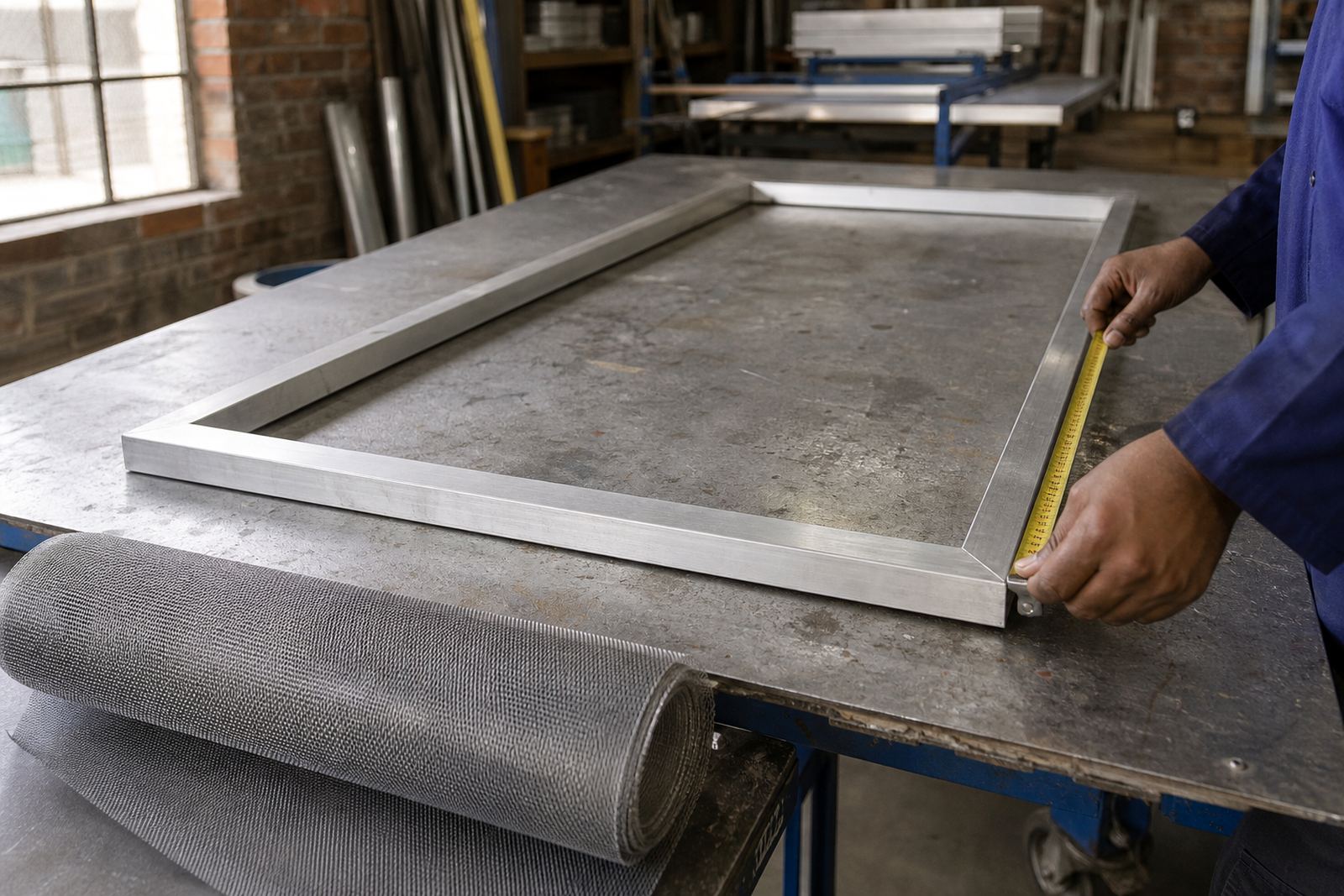
Before ordering a 55cm frame, check the exact outside size, the image area you need, the mesh count that suits your ink and the type of press you are using. It also helps to confirm whether you need a new frame, a re-stretch or a custom frame sizing job. If your workshop is trying to match existing screens, measure the current frames properly so the new ones sit the same in the press.
It is also worth confirming whether you need frame clean prep, mesh bonding, batch screen prep or a full screen setup advice session for your workshop. If you are ordering for a team, make sure everyone agrees on the job type and ink system before the frame is stretched. That avoids back-and-forth later, and it keeps the screens working the way the printer expects rather than forcing changes on the day.
- Confirm the exact frame size and image area required
- Choose the right mesh count for the ink and artwork
- Check whether you need new stretching or re-stretching
- Match the order to your press, storage space and production flow
Key facts
| Product type | Screen-printing frame |
|---|---|
| Frame size | 55cm format |
| Frame material | Aluminium |
| Typical use | Moderate image areas and repeat production |
| Service options | New stretching, re-stretching, mesh matching and tension checking |
| Supply area | Germiston, Johannesburg, Pretoria, Durban, Cape Town, Gqeberha and wider South Africa |