What 120T mesh is used for in screen printing
120T mesh is a finer screen-printing mesh count used when the print calls for detail rather than a heavy ink laydown. In practical terms, the tighter weave supports sharper edges, cleaner highlights and better control on light lettering, fine line work and halftone art. It is commonly chosen for textile prints, posters, labels and speciality work where the artwork has small text or delicate shading.
For South African print shops, 120T is a sensible choice when you want a consistent result across repeat orders. It helps reduce flooding in the stencil area and gives you more control over finer jobs, especially when the artwork has narrow spaces or thin strokes that can close up on a coarser mesh. On humid coastal runs or in hotter inland conditions, a well matched mesh count also helps the printer keep a steadier print path and less rework.
Mesh count, thread size and print result
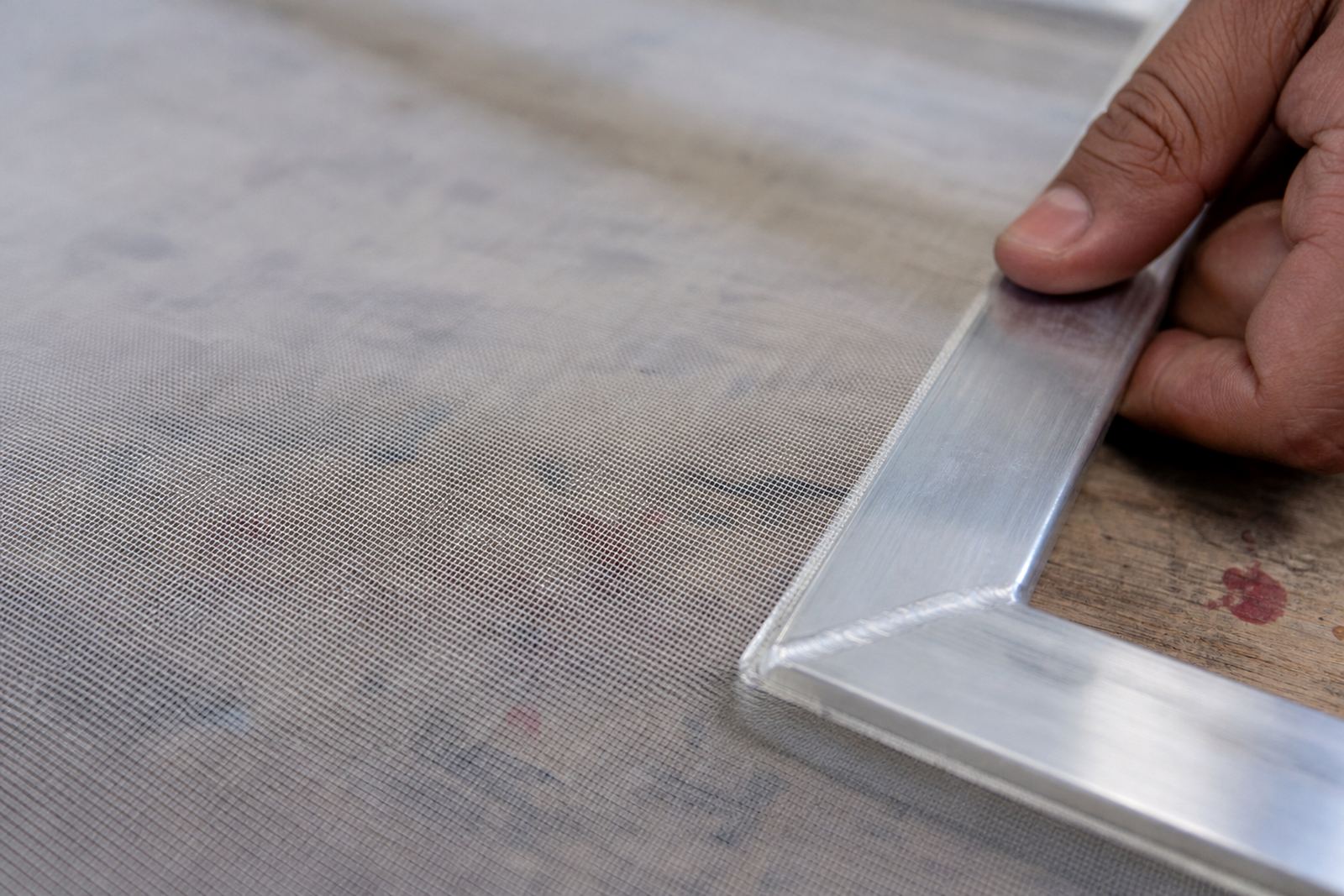
Mesh count affects how much ink passes through the screen and how much detail the stencil can hold. A 120T mesh is fine enough for controlled deposits, but it still needs the right thread diameter, coating and tension to perform properly. If the mesh is too slack, fine detail can blur. If it is stretched too tightly or unevenly, the print can become unpredictable and the stencil may wear out faster.
- Best for fine text and sharp artwork edges
- Useful for halftones and detail work that needs cleaner separation
- Gives a thinner ink deposit than coarser meshes
- Helps with repeatable registration when the screen is properly stretched
- Works well when you need clean release without overloading the garment or substrate
The right mesh count is not chosen in isolation. Ink type, squeegee pressure, stencil thickness and substrate all affect the final print. A common mistake is to use a mesh that is too open for a detailed design, then expect the emulsion or pressure to fix it. It usually does not.
Sizes and pre-stretched frame options
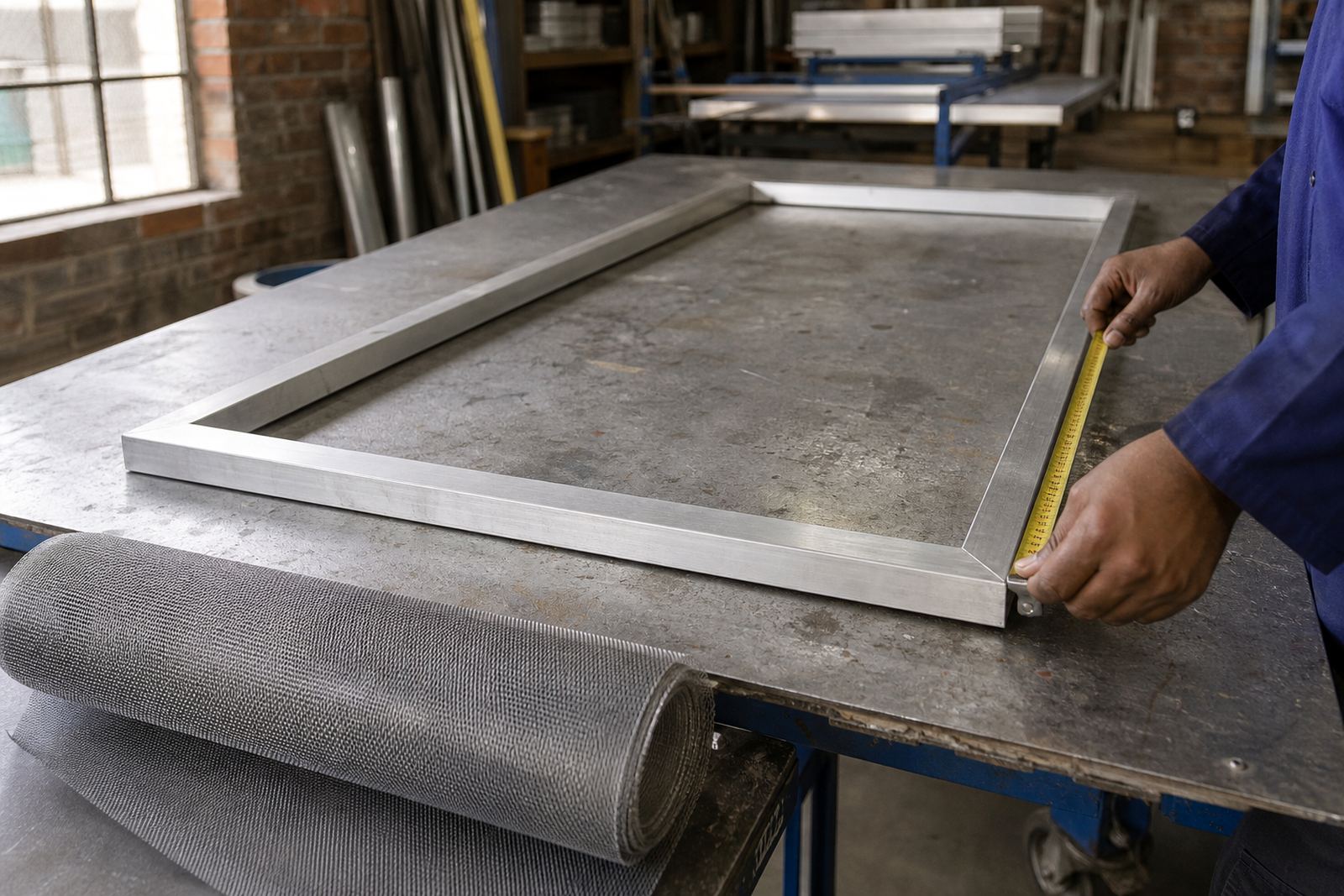
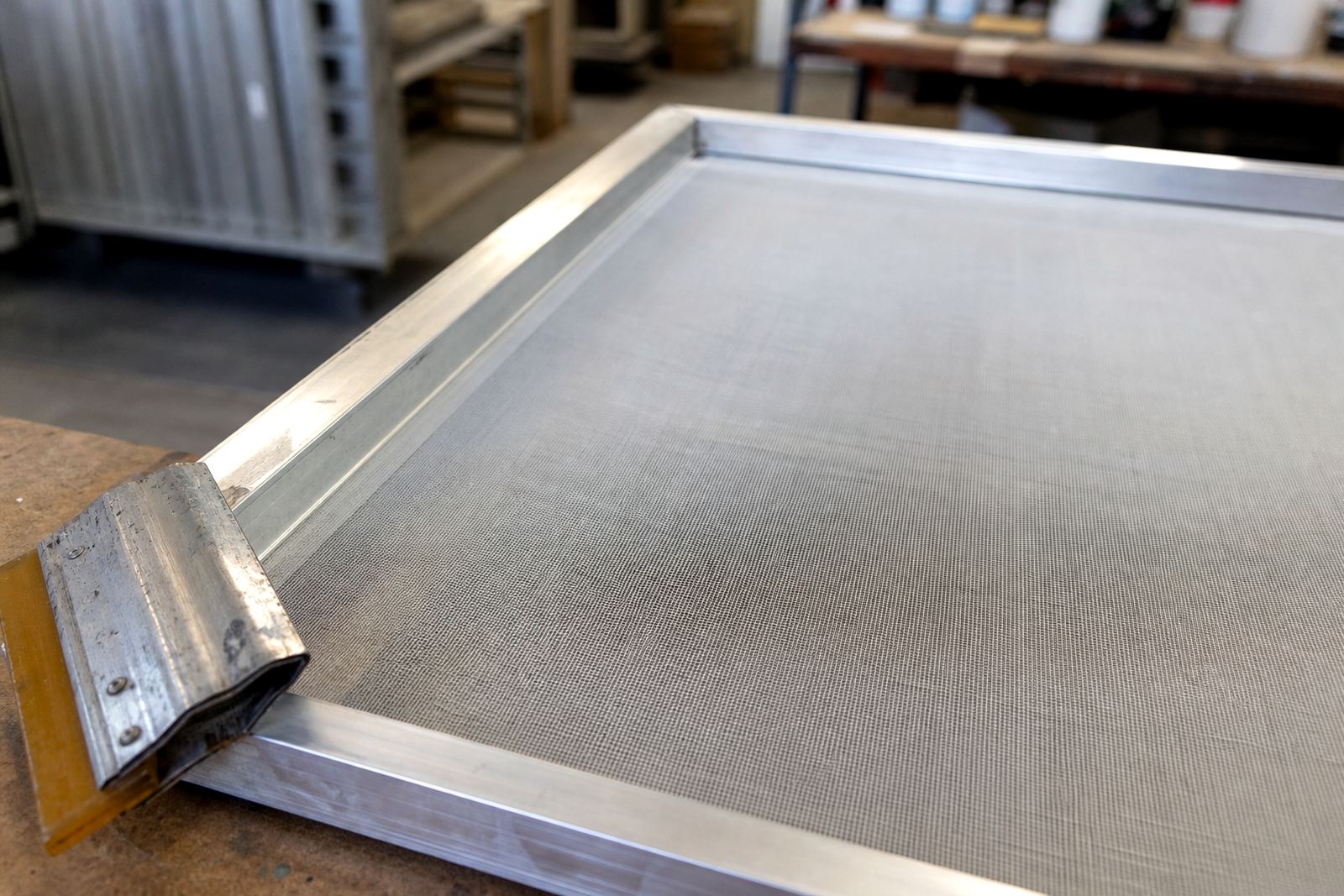
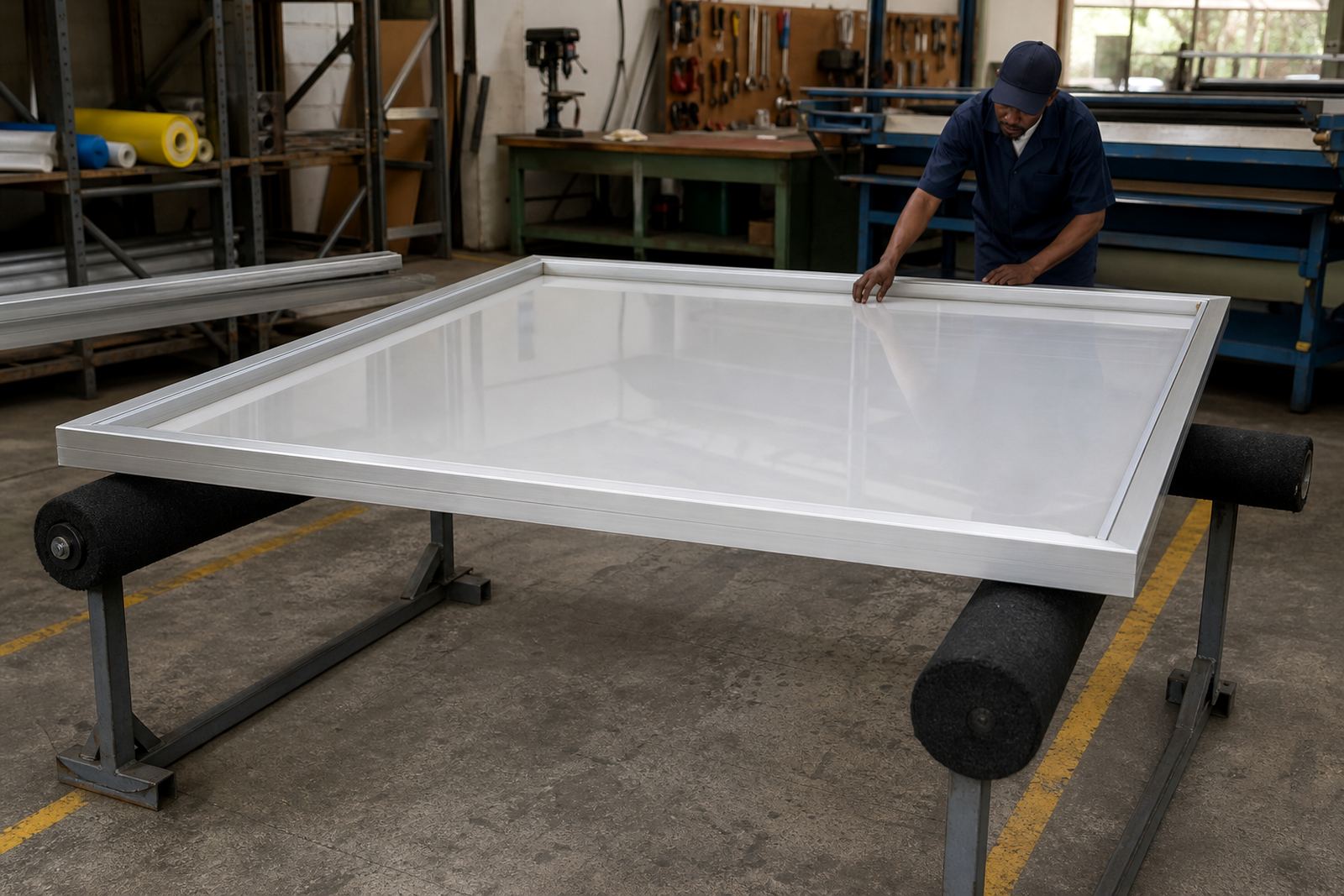
MeshMaster supplies 120T mesh on pre-stretched aluminium frames and can help with custom frame sizing for different shop setups. Standard frame sizes are chosen to suit common screen-printing work, but custom sizes are useful when you need a specific image area, print bed fit or a special job format. Aluminium frames are a practical option because they stay stable, handle repeat use well and are easier to keep straight than timber in changing weather.
For shops that do batch work, pre-stretched frames save time on setup and reduce variation between screens. That matters when you are doing repeat orders or running multiple colour separations and need consistent tension from frame to frame. In Gauteng, where dry heat can affect some materials and coastal branches deal with more moisture, a properly prepared aluminium frame gives better day-to-day stability.
- Pre-stretched aluminium frames for ready-to-use screening
- Custom frame sizing for special artwork or press requirements
- New frame stretching for fresh setups
- Frame re-stretching for screens that still have a good frame body
- Mesh count matching for specific inks and jobs
Where 120T suits best
120T mesh suits jobs where detail comes first. It is a strong choice for print shops doing fine artwork, small logos, tonal imagery and crisp text where a coarser mesh would leave the print looking heavy. It can also suit speciality applications where you want controlled ink release without filling tiny open areas in the stencil.
In Johannesburg and Pretoria, many shops use this mesh for work that needs cleaner definition under strong lighting and regular production. In Durban and Gqeberha, where humidity can change how screens behave during a shift, 120T is useful when paired with good drying time and sensible storage. For Cape Town, where conditions can shift fast with sea air, keeping the mesh clean and the screen sealed between jobs helps preserve tension and print consistency.
- Fine text and small graphic elements
- Halftones and light tonal work
- Artwork with narrow lines and delicate detail
- Jobs needing a thinner ink deposit
- Repeat production where consistency matters
Installation, tension and power needs
120T mesh does not need power or gas to use. It is a manual screen-printing material, so the important part is correct frame preparation, stretching and tension checking. Good tension helps the squeegee move cleanly across the screen and gives better snap back after each stroke. That snap back is what helps preserve sharp edges and reduce ghosting on fine detail.
When installing mesh, the frame should be clean, dry and free from old adhesive, ink residue and dust. The mesh must be bonded evenly so the pull is balanced from corner to corner. Uneven tension can cause a screen to print well in one section and weakly in another, which wastes time on press and can throw off your registration. It is also worth checking that the frame corners are true, because a twisted frame will fight the print process from day one.
If you are ordering frames for repeated use, ask for tension checking and batch screen prep so the screens arrive ready for normal shop handling. That is useful for teams working under load-shedding schedules, since there is less room for delays once the press is running and the screens are on the job.
Care, cleaning and what to confirm before ordering
Fine mesh needs more careful handling than coarser counts. After printing, clean the screen before ink dries in the weave and avoid scrubbing so hard that you damage the thread. Keep screens flat, out of direct sun and away from sharp edges that can nick the mesh. If you are using discharge, water-based or other speciality inks, make sure the cleaning method suits the ink type so you do not weaken the mesh or stain the stencil area.
Before you place an order, check the artwork detail, ink type, screen size and whether you need a new frame or a re-stretch. It also helps to confirm the press size, the image area, and whether you need one screen or a matched batch for a production run. For repeat jobs, keep a record of the mesh count, frame size and any changes made to the stencil system. A small note now saves a lot of back and forth later.
- Confirm the artwork detail and whether 120T is fine enough
- Check the ink type and the deposit you need
- Measure the required frame size and image area
- Decide between new frame stretching or re-stretching
- Ask for tension checking if you need repeat consistency
Key facts
| Product | 120T screen-printing mesh |
|---|---|
| Mesh count | 120 threads per centimetre equivalent, suited to fine detail work |
| Frame material | Aluminium |
| Use | Fine text, halftones, light tonal work and detailed graphics |
| Power or gas required | None |
| Options | Pre-stretched frames, custom sizing, re-stretching and tension checking |