Campus Event Work Needed Clean, Repeatable Screens
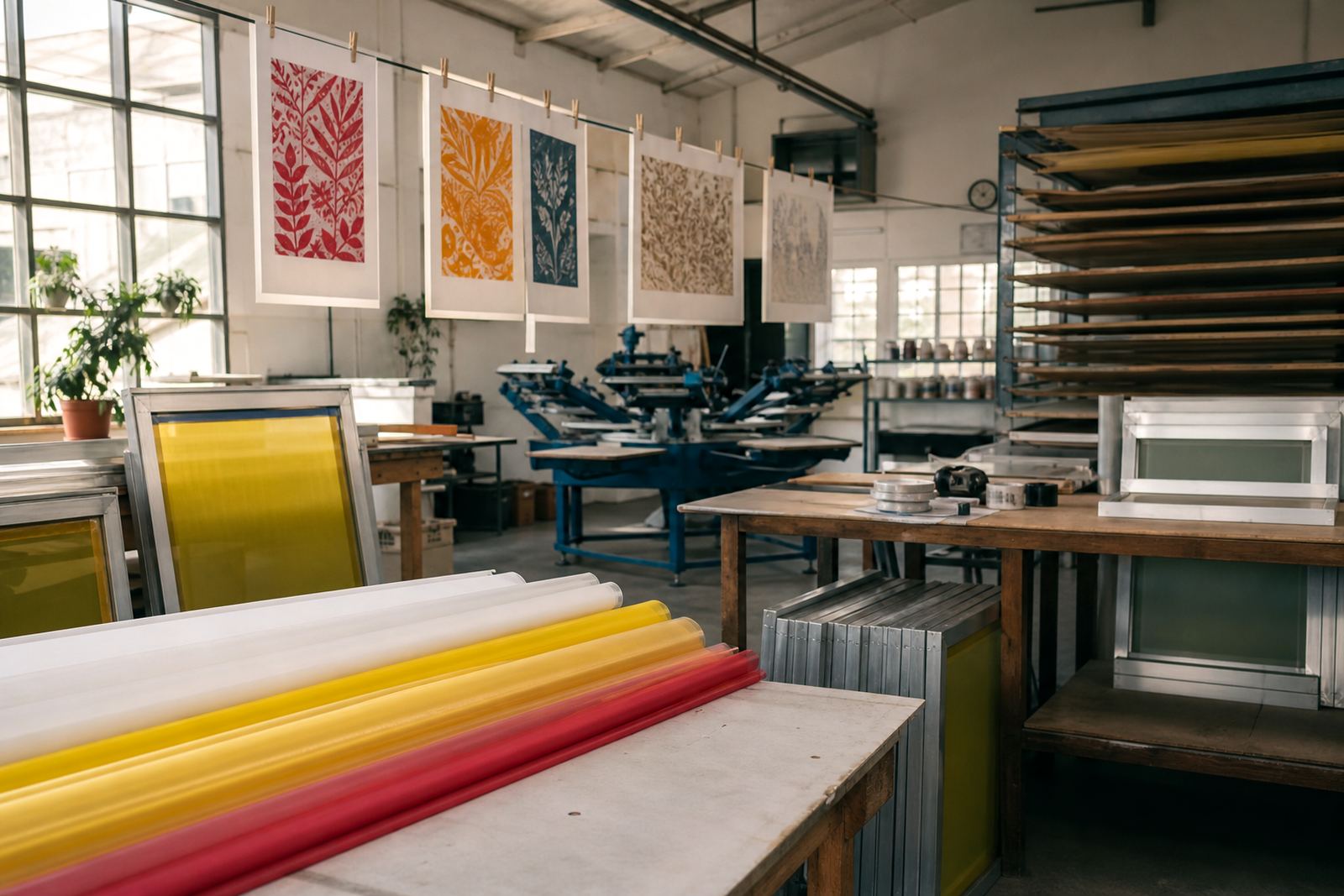
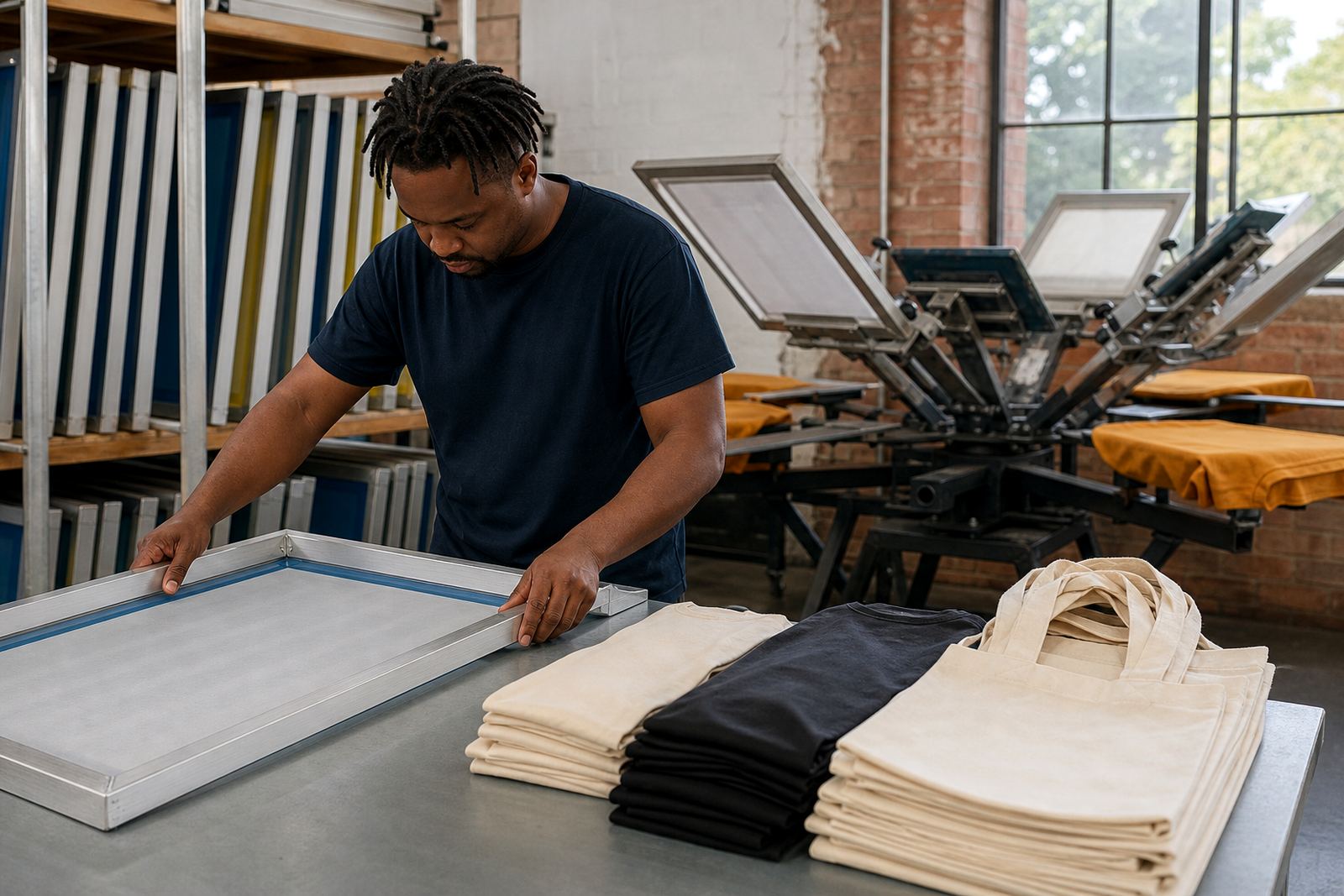
The brief came from a print shop in Randburg serving student events, club orders and campus stalls. The work involved t-shirts, tote bags and occasional poster pieces, so the screens had to hold fine detail for logos, text and simple artwork without slowing down production when orders came in batches.
The shop asked for screens that would suit frequent re-use, because campus work tends to move from one event to the next with little notice. We looked at the artwork sizes, ink choice and press setup, then matched the mesh count to the detail required. For lighter graphics and halftone work we set higher mesh counts, while bolder fills used lower counts for better ink deposit and faster print speed.
Because the shop was working through peak event weeks, the screens also had to stay stable under regular cleaning and handling. That meant giving careful attention to frame integrity and tension from the start, rather than trying to fix slack screens later on the floor.
What We Supplied For The Randburg Run
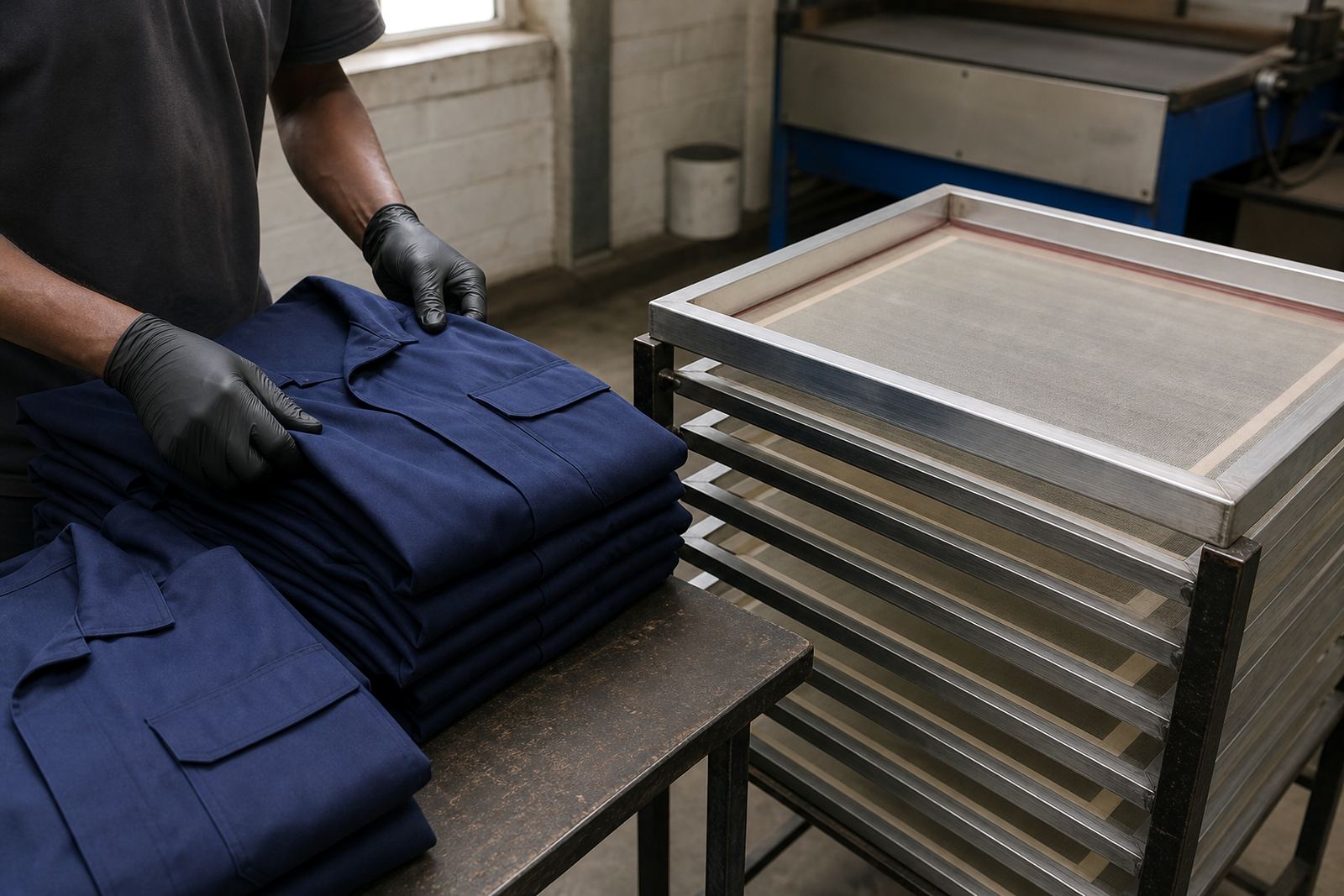
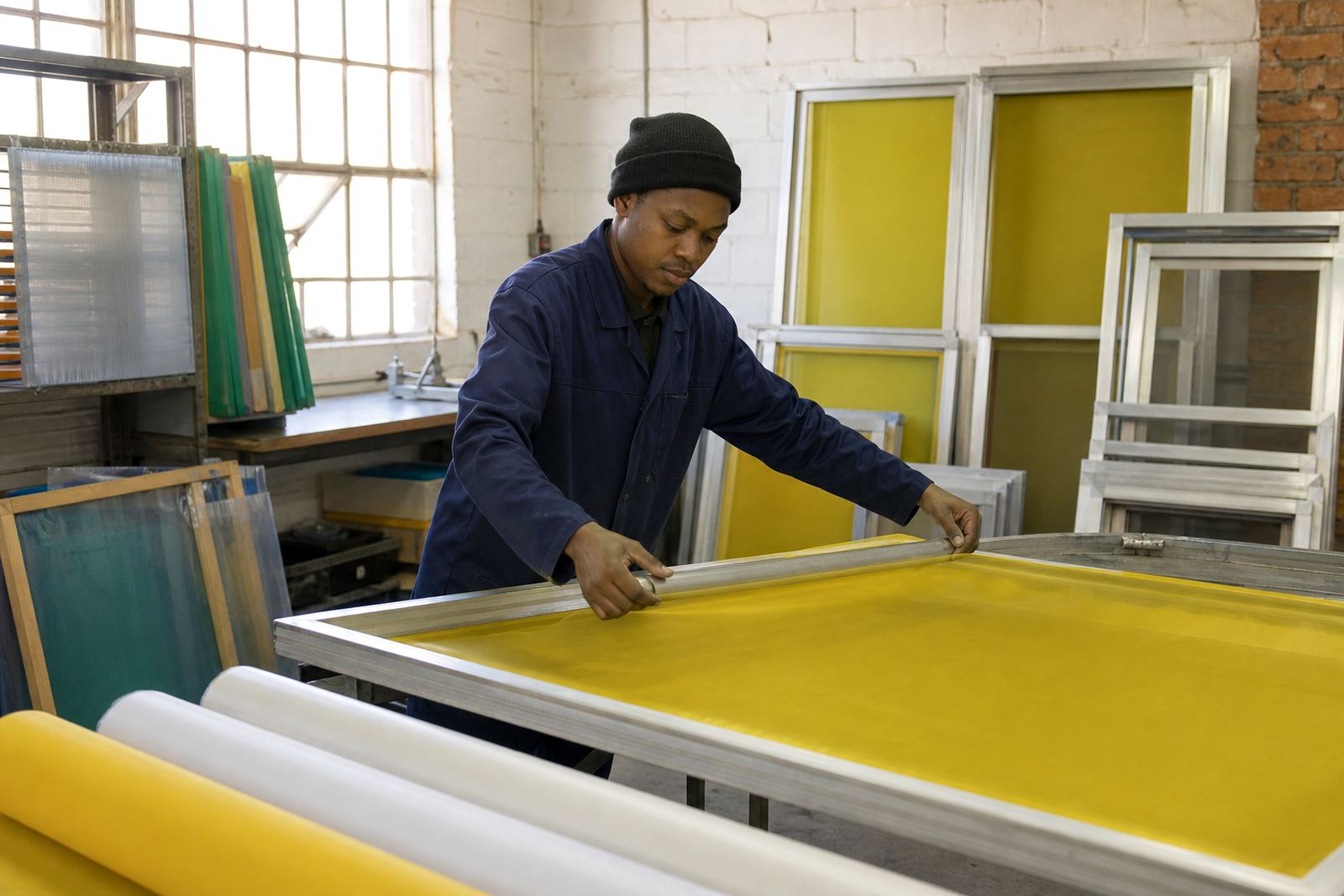
We supplied pre-stretched aluminium frames and mesh selected for the specific mix of garment and merchandise work. The order included standard mesh counts suited to general textile printing, plus finer mesh for smaller type and artwork with tighter line work. We also prepared the frames for clean bonding, which helps reduce early movement in the mesh after repeated washout and reclaim cycles.
- Pre-stretched aluminium frames for repeat use
- Mesh count matching for artwork detail and ink flow
- Frame clean prep before bonding
- Batch screen prep for grouped campus orders
- Dispatch packing for local collection and delivery
We kept the supply practical. No unnecessary extras, just the screens the shop could put into use straight away. The team wanted a reliable screen set they could assign to recurring campus graphics, so the mesh and frame sizes were set up for that kind of work rather than one-off novelty jobs.
Stretching, Tension And Sizing Decisions
For screen printing, tension matters as much as mesh count. A screen can carry the right mesh and still give poor results if the tension is uneven or too low. That can show up as fuzzy edges, poor registration and ink bridging on fine text. We stretched the frames to a working tension suitable for hand and semi-production use, then checked for consistency across the batch.
The shop also needed custom sizing for a few larger campus pieces. Those frames were set to suit the artwork rather than forcing the artwork to fit a fixed screen size. This saved time when changing jobs and reduced waste from oversized screens that would have been awkward on the press. A couple of standard sizes were kept in the mix as well, so the printer could move between orders without constant resetting.
Randburg can throw in dry winter air and sudden humidity swings, so we kept the finishing process controlled. In Gauteng, that matters more than people think because mesh behaviour can shift once the screen is in the shop and exposed to heat, dust and daily cleaning. A screen that is right on day one still needs to stay right after a full week of use.
Timeline And Delivery To The Print Shop
The job ran over three weeks from brief to delivery. Week one covered the artwork review, mesh count matching and size planning. Week two was for stretching, bonding and tension checking. Week three covered inspection, packing and dispatch. That sequence gave the shop enough time to prepare its print schedule around the campus calendar.
- Week 1: brief review and screen specification
- Week 2: stretching, bonding and tension checks
- Week 3: inspection, packing and handover
For a printer handling event-based orders, timing is important. If the screens arrive late, the whole production line backs up. If they arrive early but are not matched properly, they sit on the shelf and still cause delays later. In this case, the screen set was delivered ready for use, and the shop could move straight into the next round of student merchandise jobs.
Results On The Press And What Changed
The biggest change was consistency. Once the shop started using the supplied screens, registration settled down and the fine detail held better on smaller graphics. The printer also had less time lost to chasing mesh issues or retensioning screens between jobs. For campus merchandise, where the same design may return in different sizes or colours, that kind of repeatability matters a lot.
The shop reported cleaner print edges on text and better ink control on the fuller blocks of colour. On wearable items, that meant fewer rejects and fewer awkward touch-ups after curing. It also helped the press team keep production moving when multiple student orders landed at once, which is a common pattern around varsity events and orientation periods.
There was also a practical savings in handling. Because the frames were pre-stretched and prepared properly, the team spent less time sorting out uneven screens. That left more time for coating, exposure and print runs, and less time on corrective work that never really moves the job forward.
What We Would Do Again For Similar Campus Work
For a print shop serving campuses, we would take the same approach again: match mesh counts to the artwork first, then size the frames to the press and job mix. That keeps the screens useful across a range of student merchandise, from bold event graphics to smaller line work and names. It is a simple method, but it works.
We would also keep the focus on tension checking and clean frame prep. Those steps are easy to overlook when a shop is under pressure but they make a clear difference to how the screens behave after a few rounds of cleaning and reuse. For busy town-based printers, especially ones handling event cycles, screens need to stay dependable from the first print to the next run.
- Match mesh to print detail, not just to the garment type
- Keep a mix of standard and custom frame sizes
- Check tension before dispatch, not after problems start
- Plan screen sets around the event calendar
That approach suits Randburg, but it also suits print shops in Johannesburg, Pretoria and other high-volume areas where turnaround is tight and no one wants to waste a day on screen faults.
Key facts
| Project town | Randburg, Gauteng |
|---|---|
| Client type | Print shop serving campus events |
| Supplied items | Screen-printing mesh and pre-stretched aluminium frames |
| Core services used | New Frame Stretching, Mesh Count Matching, Tension Checking, Frame Clean Prep |
| Timeline | 3 weeks from brief to delivery |
| Key use case | Student merchandise screens for repeat campus event orders |