The brief from a Soweto start-up
The client was a small neighbourhood garment printer in Soweto serving schools, stokvel orders, church groups and local clothing labels. Their main need was simple enough: get a workable set of starter screens that suited the jobs they were already getting, without overbuying materials they would not use in the first few months.
They wanted screens for light and medium garment work, with enough consistency to print logos, text and basic artwork on cotton tees and hoodies. The space was tight, power cuts were part of daily planning, and the team needed screens that would stay steady between jobs instead of needing constant retensioning.
- Project type: starter screen supply for garment printing
- Town: Soweto, Gauteng
- Use case: small batch apparel printing
- Focus: practical screen sizes and repeatable tension
What had to be kept in mind
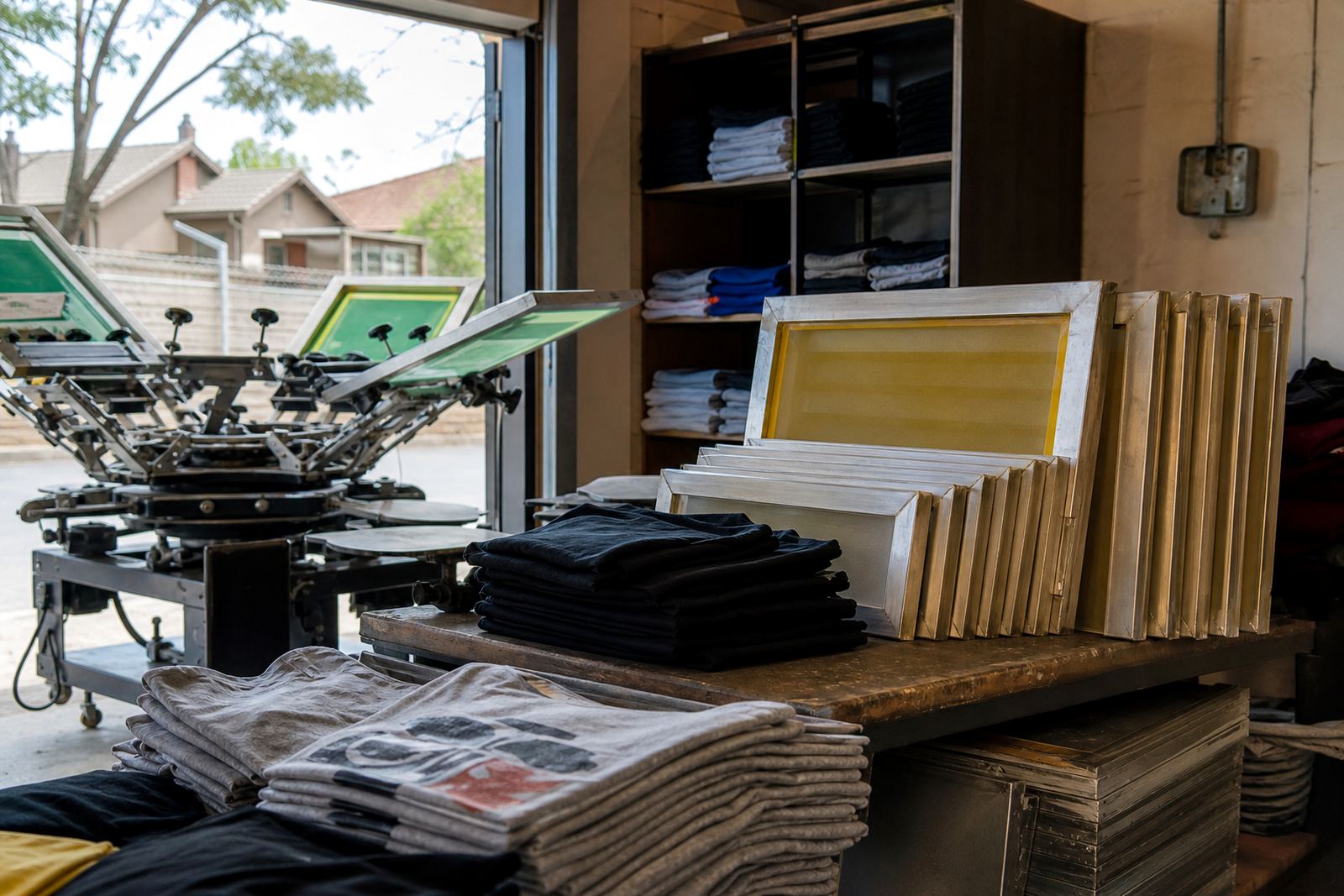
The biggest constraint was that this was not a large factory setup with racks of spare frames and endless drying space. The screens had to arrive ready to use, with mesh counts suited to everyday garment ink work and frames that would hold their shape through repeated cleaning and reclaiming.
We also had to think about local conditions. In Gauteng, dust and temperature changes can affect storage and screen prep. In a busy workroom, if a screen loses tension or the mesh is poorly bonded, the print shop feels it immediately in registration and ink deposit. That is why we kept the setup practical rather than complicated.
- Limited work area and storage space
- Need for stable mesh tension between print runs
- Starter setup had to suit entry level production
- Screen prep needed to be simple for a small team
Meshes and frames supplied
We matched the order around common garment-printing needs, using mesh counts that sit in the normal range for solid spot colour work and finer detail where needed. Lower mesh counts were suited to heavier ink deposit on dark garments, while finer mesh was used where sharper detail and cleaner edges mattered more.
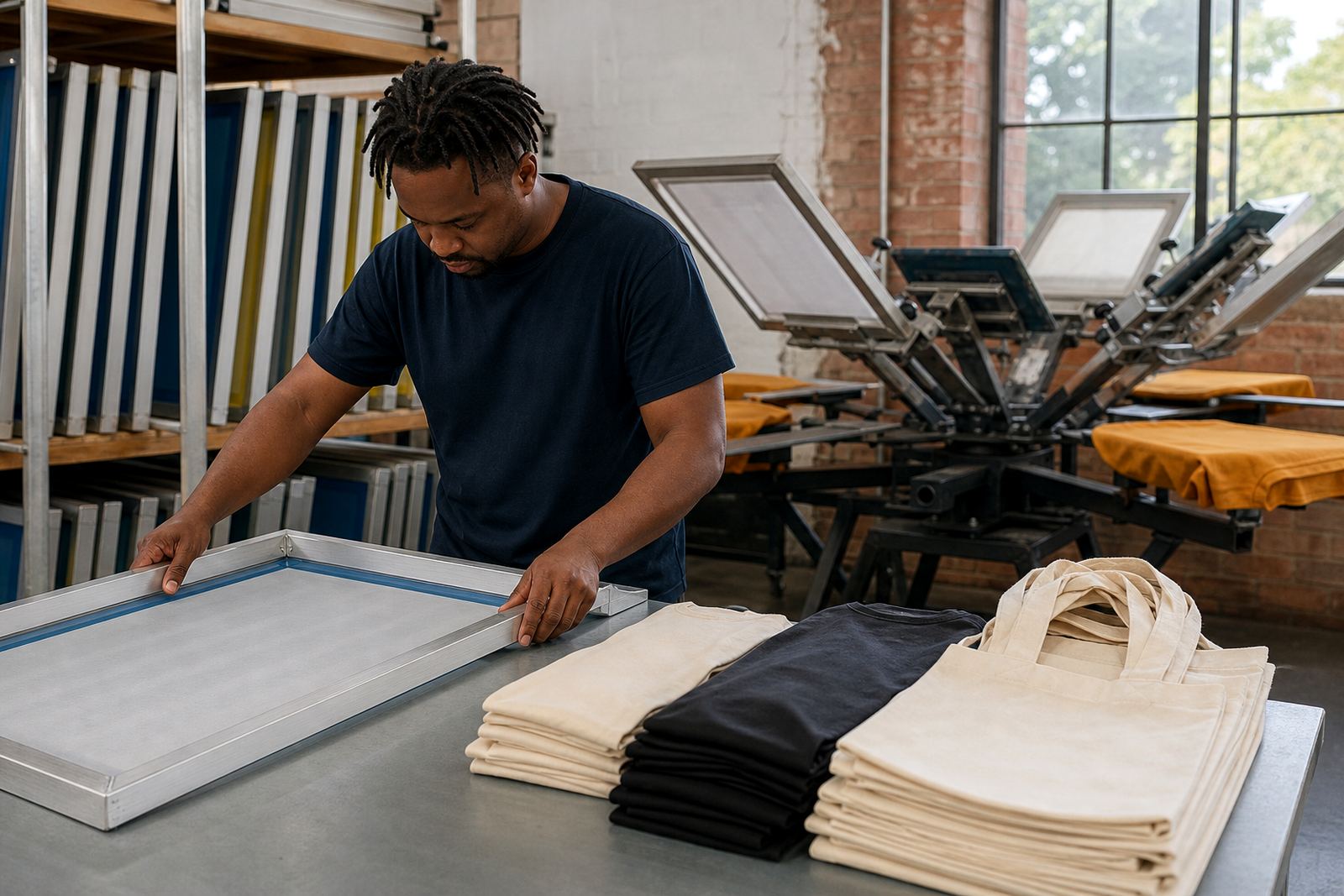
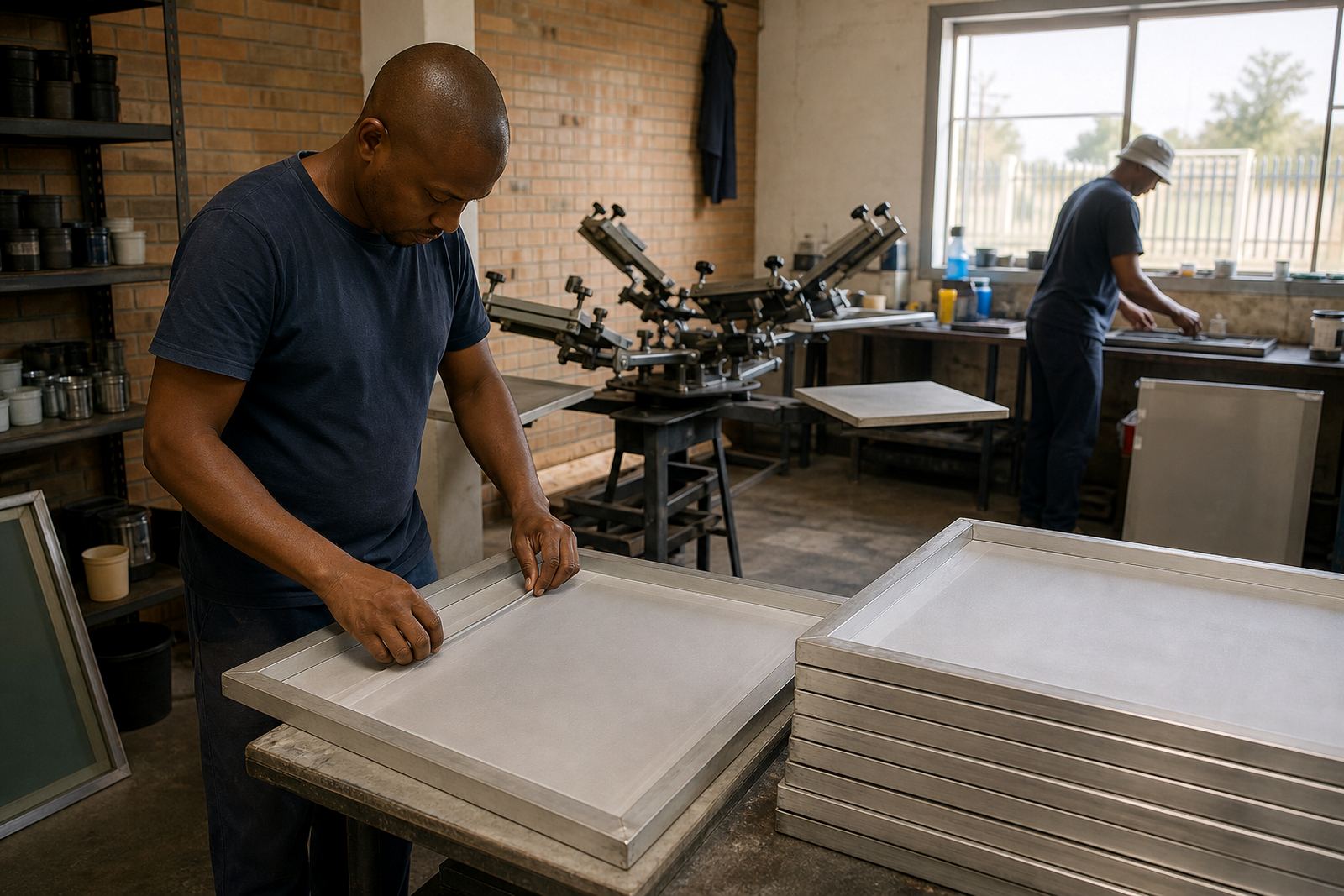
The frames were pre-stretched aluminium units sized for standard manual printing work. We checked the bond, frame corners and mesh pull so the screens could go straight into use. The aim was not to over-spec the order, but to give the shop a proper starting set that could be relied on for day to day work, even when the schedule got messy.
- Mesh counts selected for garment printing, from coarser to finer use
- Pre-stretched aluminium frames for manual screen work
- Screen sizes matched to common apparel formats
- Frames checked for bond, alignment and pull consistency
How the job was handled
The work moved in a straightforward flow over two weeks. First we confirmed the likely print range and the artwork style they expected to run most often. Then we prepared the frames, matched the mesh counts and carried out tension checking before packing. The client did not need fancy extras, just screens that arrived in order and ready for the press table.
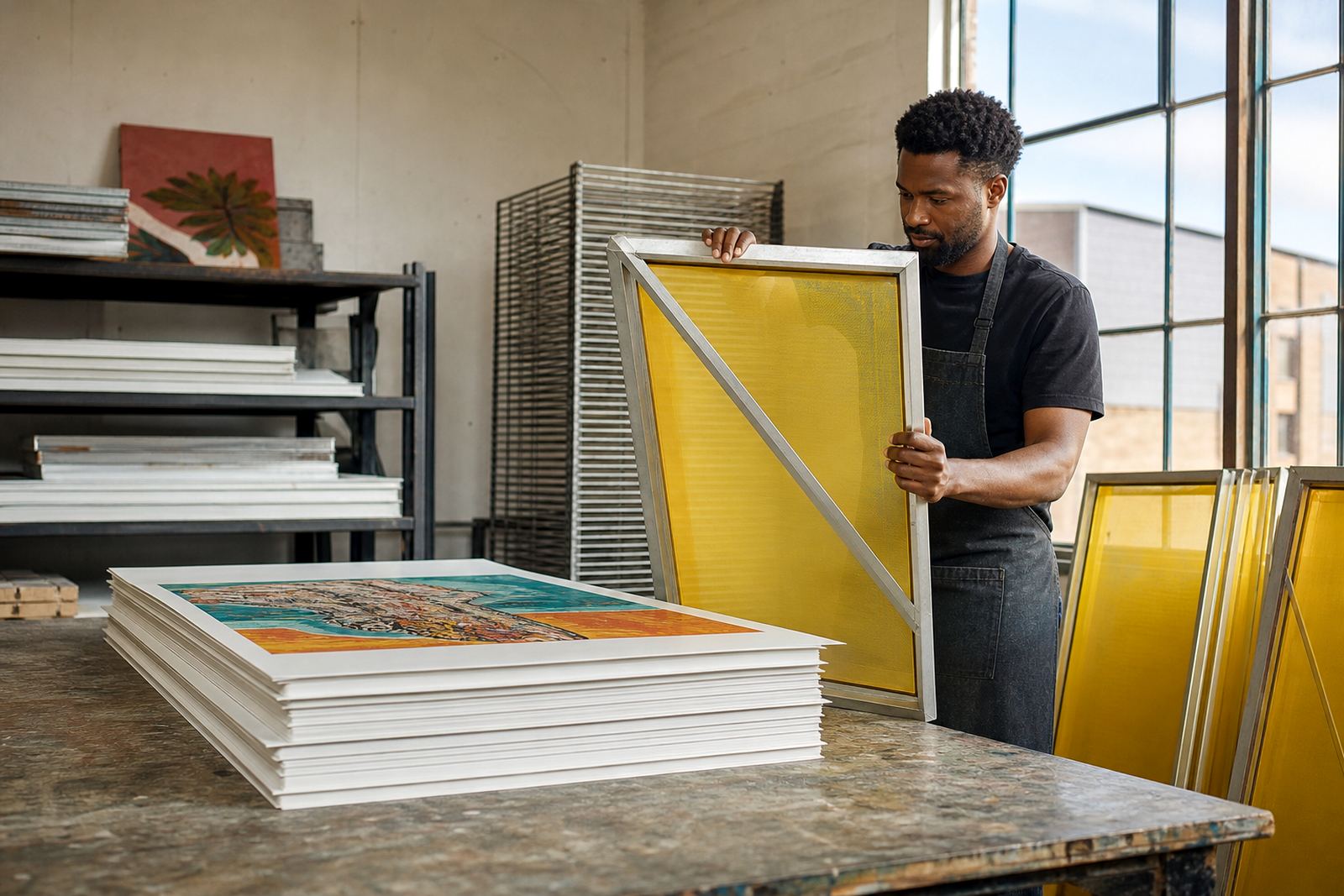
Because the team was still settling into a production rhythm, we also gave screen setup advice on handling, storage and cleaning. That included keeping screens dry after washout, avoiding heavy knocks on the frame edges, and checking tension before a busy run. Small things, but they matter when your whole day depends on a few screens.
- Timeline: 2 weeks from brief to dispatch
- Included matching, stretching and tension checking
- Advice given on cleaning and storage between jobs
- Batch packing done for easier receiving and sorting
Results after the first print runs
After the first runs, the client reported cleaner registration and more even ink laydown across the screens supplied. The team could move from one garment job to the next without spending extra time fighting loose mesh or uneven corners, which helped them keep a steadier pace during peak orders.
For a small neighbourhood printer, that kind of consistency matters more than a long list of technical claims. It means less waste, fewer reworks and less frustration for the person pulling the squeegee. The shop could take in repeat jobs with better confidence, and the screens held up properly through normal use and cleaning.
- Cleaner print consistency across repeated jobs
- Less time lost to tension issues
- Better handling of repeat local orders
- Screen stock now suited to everyday garment work
What we would repeat on the next round
If we were repeating the order today, we would keep the same practical approach and add only what the shop actually uses. That means watching the mix of fine detail work versus bolder artwork, then adjusting mesh counts if their product range shifts. No point loading a small setup with screens they will not use.
We would also keep the frame sizing simple and standard unless the client starts handling unusual garments or oversized prints. For a growing print shop in Soweto, the best result comes from screens that fit the work, not the other way round. That way the team can focus on printing instead of sorting out avoidable screen issues.
- Keep the mesh mix tied to the actual artwork range
- Use standard frame sizing until the job mix changes
- Review tension and condition after active production periods
- Plan future repeats around the busiest garment orders
Why this project suited a local print shop
This job worked because it respected the realities of a small South African print operation. There was no need for unnecessary extras, just proper screens, careful stretching and advice that made sense for a team building up production. The client got a practical base for garment printing, and the setup was ready for everyday use from the start.
For print shops across Gauteng and beyond, the lesson is simple: start with the right mesh count, stable frame tension and clean prep. Do that well, and the rest of the printing process is much easier to manage.
Key facts
| Project location | Soweto, Gauteng |
|---|---|
| Client type | Neighbourhood garment print setup |
| Supply item | Screen-printing mesh and pre-stretched aluminium frames |
| Mesh use | Coarser and finer mesh counts matched to garment printing needs |
| Frame work | New frame stretching, tension checking and frame clean prep |
| Timeline | 2 weeks |