
What changes when the job is activewear
Sportswear and team kit behave differently from cotton tees or heavier workwear. Polyester, poly-cotton blends and technical fabrics can stretch under the squeegee, so the screen setup has to hold detail while still releasing ink cleanly. If the mesh is too open, ink can flood the fibres and blur fine lettering. If it is too tight for the artwork or ink, you can get slow print speeds, poor deposit and blocked detail on numbers, sponsors and small trim marks.
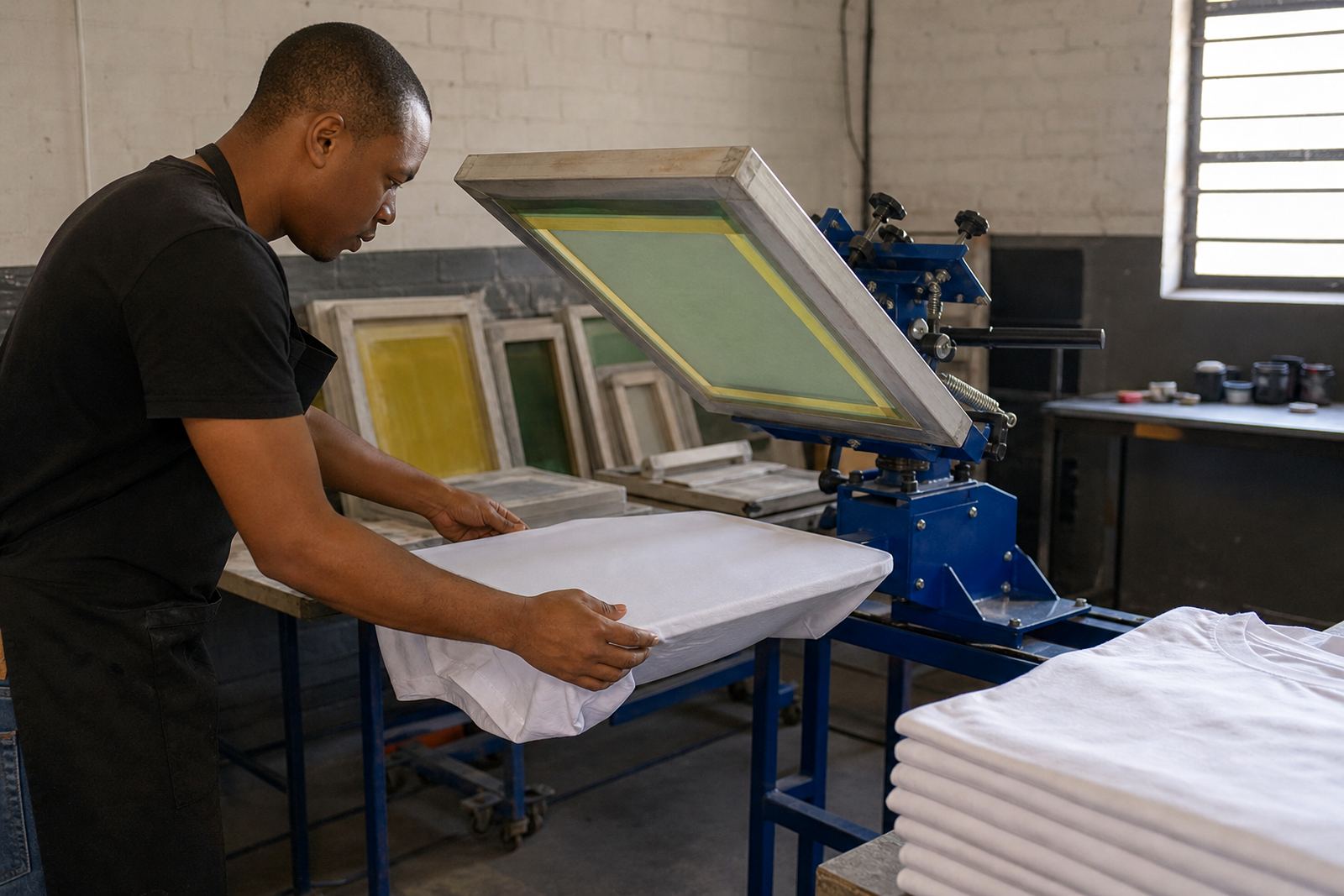
For club kits, school sport, running tops and training wear, the print area is often curved, narrow or interrupted by seams. That means the screen should be planned around platen size, garment stretch and the number of colours in the design. A good setup saves time on the press and keeps registration steadier through a long run. In Gauteng print shops, and also where humidity shifts in Durban or coastal Cape Town, keeping a stable screen tension matters more than people think.
Mesh counts that suit sportswear work
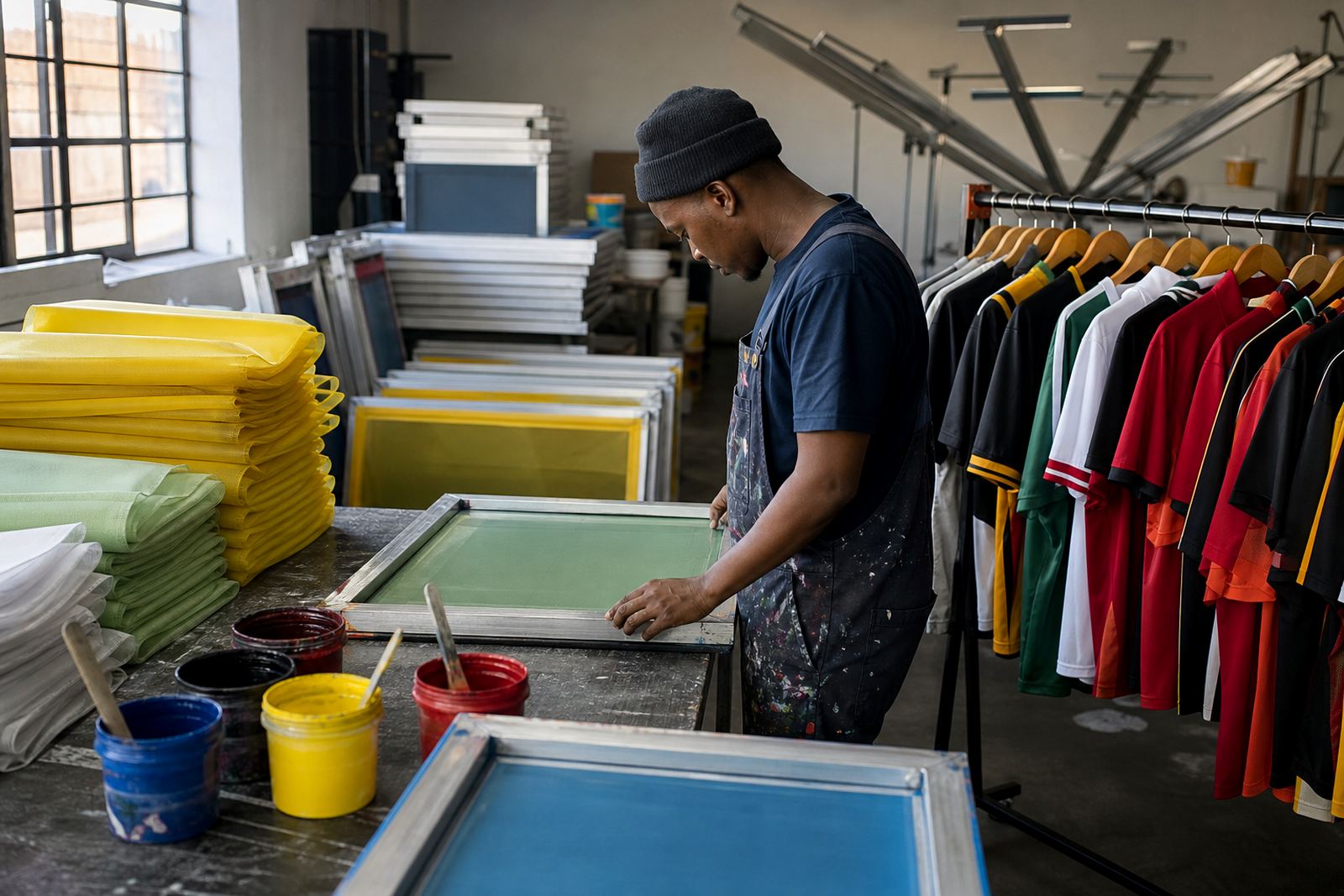
Choosing mesh count starts with the detail in the artwork and the ink system being used. For bold back prints, numbers and simple logos, a mid range mesh often gives better ink deposit. For fine outlines, small sponsor text and halftones, a finer mesh is usually the better choice because it holds the image edge and helps reduce gain on the garment. On stretch fabric, the aim is not just clarity, but repeatability across the whole run.
MeshMaster handles mesh count matching for shops that want consistency across different jobs. If a customer regularly prints home strips, match wear, leggings or performance tops, it helps to keep a record of which mesh count worked on which garment type. That way your next run starts with a setup that already suits the fabric, the ink and the artwork density.
- Coarser mesh is commonly used for bold spot colour and heavier ink deposit.
- Mid count mesh suits general sportswear logos and most team names.
- Finer mesh helps with small lettering, light detail and tighter registration work.
- Test prints are worth doing when switching from matte to stretch, or from one fabric blend to another.
Frame tension and why pre-stretched frames help
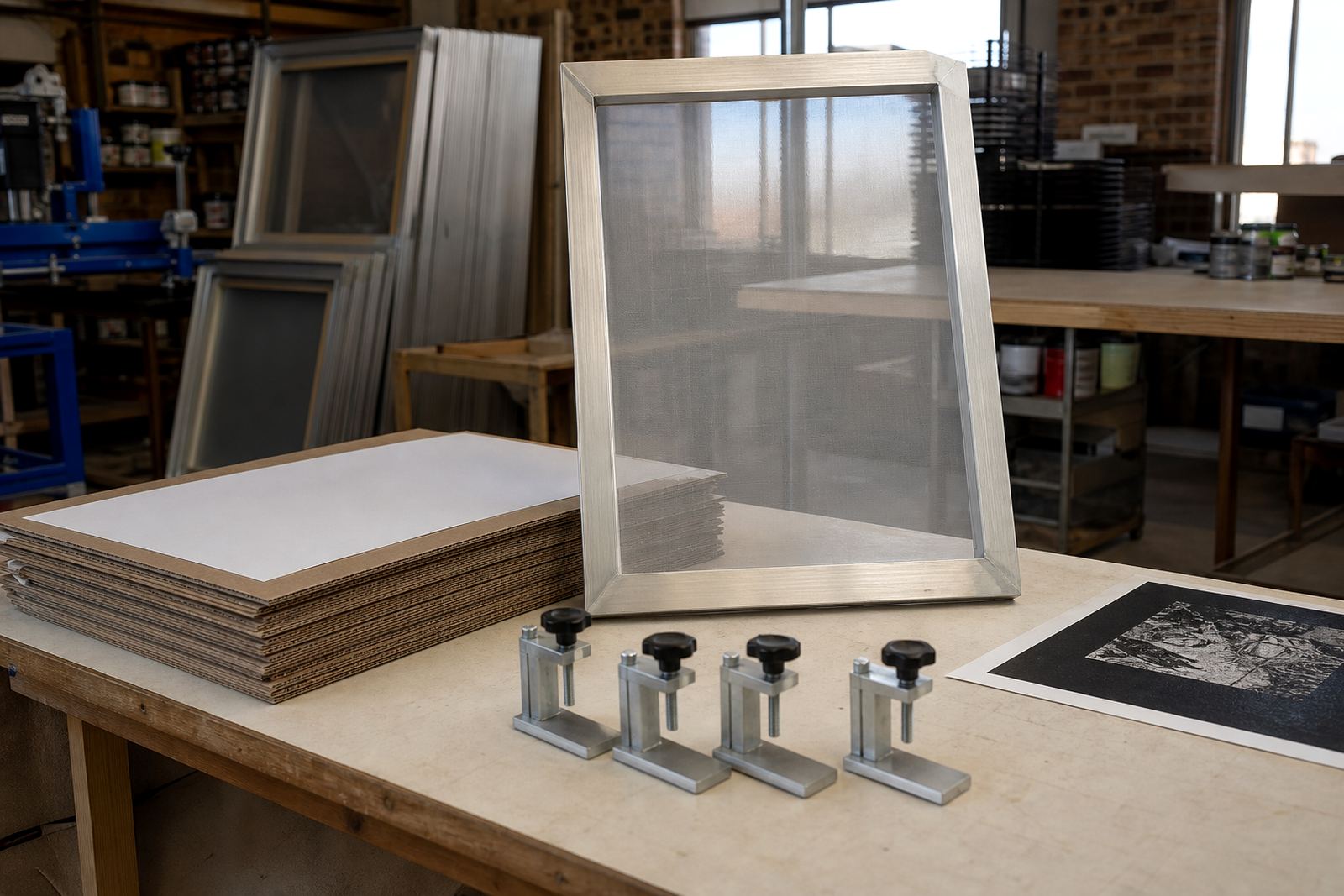
Activewear jobs reward screens that stay stable. A pre-stretched aluminium frame gives a more even surface than a frame that has been stretched unevenly by hand or with tired fittings. When tension is even, the screen snaps back better after each print stroke, which helps keep sharp edges on the artwork and reduces the need to chase registration all day. For repeated team kit orders, that can make the difference between a calm shift and a frustrating one.
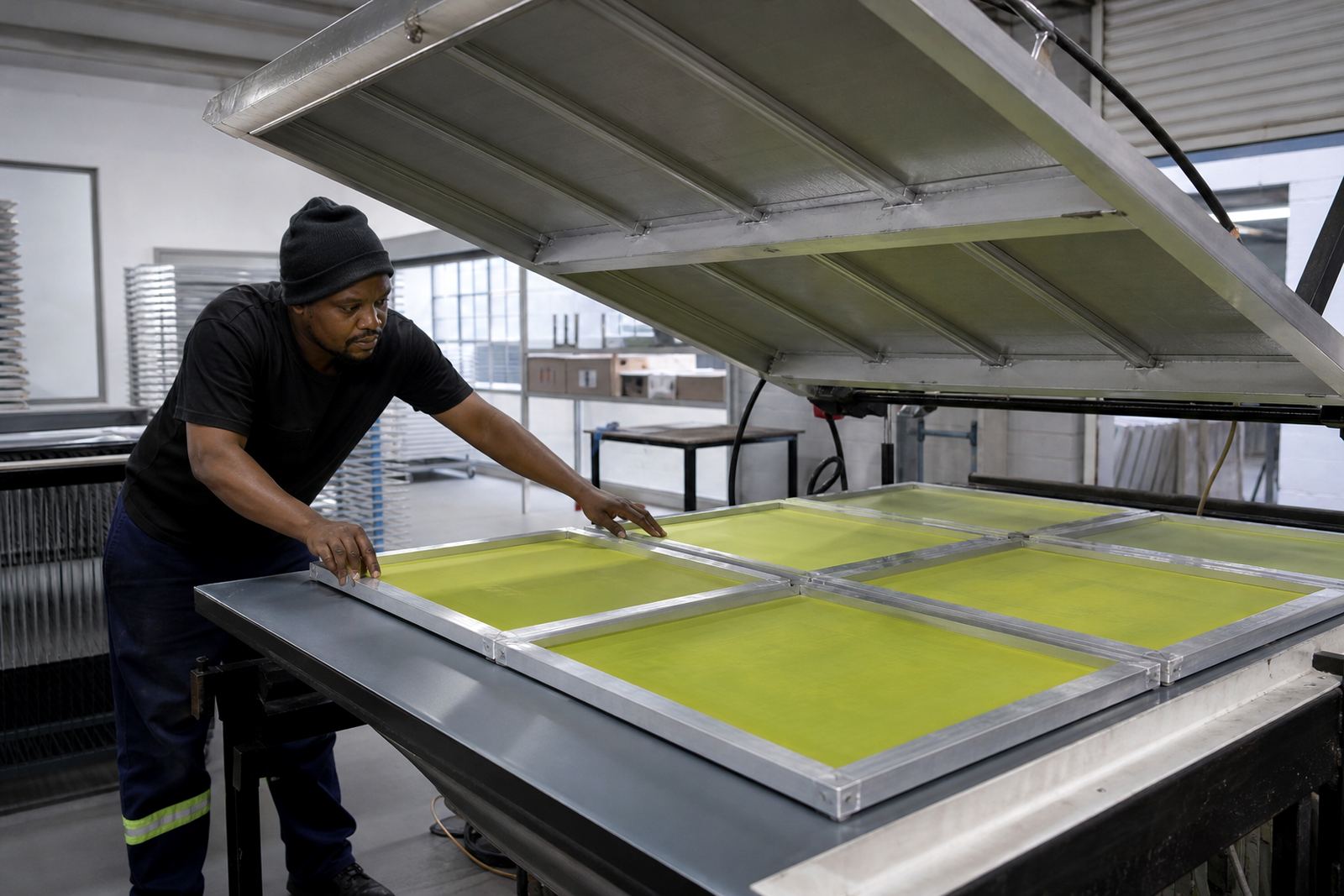
At MeshMaster, frame stretching and re-stretching are handled as practical workshop work, not guesswork. The frame has to carry the mesh evenly, the corners need to stay true, and the bond must hold through wash cycles and repeated press use. For print shops that work with municipal school orders, club wear or corporate sports days, a consistent frame build also makes it easier to prepare duplicate screens later on.
- Uneven tension can show up as wavering text or soft edges on fine detail.
- Loose screens often need more squeegee pressure, which can distort stretch fabric.
- Good tension helps the stencil last longer during longer runs.
- Re-stretching is useful when a screen is still sound but the mesh has lost its pull.
Planning the screen layout before the first print
Sportswear work is easier when the screen layout is planned around the garment, not just the artwork file. Oversized prints may need more platen room, while left chest marks and sleeve hits often need separate screens or careful placement on the press. If the job includes names and numbers, it helps to decide early whether the print is part of the main run or a later add-on. That affects screen count, setup time and how the screens are packed for dispatch.
Screen setup advice should also cover ink deposit, flash times and the amount of stretch the garment can handle before the print area shifts. Shops in Johannesburg, Pretoria, Midrand and the East Rand often run mixed orders with quick turnaround, so batch screen prep can save time when repeat kits come back in sections. A small planning mistake can cause waste, especially when a sponsor logo needs exact placement across multiple sizes.
- Confirm print positions for each size before making the screens.
- Check whether the design needs one screen, a colour separation set, or multiple placements.
- Keep notes on platen size, off-contact and the garment type used on the last run.
- Separate repeat orders by team, size and delivery location to avoid mix-ups.
Common mistakes on team kit and training wear
One of the most common problems is using a mesh that is not matched to the artwork. Another is ignoring how much the fabric moves once it is on the platen. Print shops sometimes try to force a general-purpose screen onto a job that really needs tighter control, and then the result is heavy prints, poor detail or uneven colour across the run. That is a false economy because the rework takes longer than doing the setup right.
Coastal humidity, dust in workshop areas and poor screen storage can also affect sportswear jobs. If screens are stacked badly or left exposed, the mesh can pick up contamination that shows on pale garments. Tension checking and clean prep before dispatch are worth doing, especially for Cape Town and Gqeberha deliveries where the weather can change fast. It’s a small step but it saves trouble later.
- Do not use a loose frame for small text or fine sponsor details.
- Do not ignore garment stretch during setup and registration.
- Do not store prepared screens in damp or dusty areas.
- Do not mix up repeat screens when a school or club order is split across sizes.
Budget ranges for screen setup on sportswear jobs
Budget planning for sportswear printing usually comes down to how many screens are needed, whether existing frames can be re-used, and how much prep work is required before printing starts. A simple single-colour team logo on a stable fabric will cost less to prepare than a multi-colour kit with names, numbers and multiple placements. New frame stretching, mesh matching and screen inspection all affect the final figure, so it helps to quote the setup separately from the print run when the order is still being planned.
As a practical guide, smaller setup jobs can sit in the lower Rand range, while larger repeat kit runs with several screens and tighter registration requirements move higher. If a shop only needs re-stretching, tension checking or frame clean prep, that is usually more controlled than replacing everything. For print shops in Germiston and across South Africa, the best budget is the one that covers the job properly without overbuying mesh that will never suit the work.
For enquiry-based quoting, include the garment type, print size, colour count and whether the screens are for a one-off event or a repeat order. That gives a clearer answer and avoids last minute changes on collection day.