
Choosing mesh for everyday T-shirt work
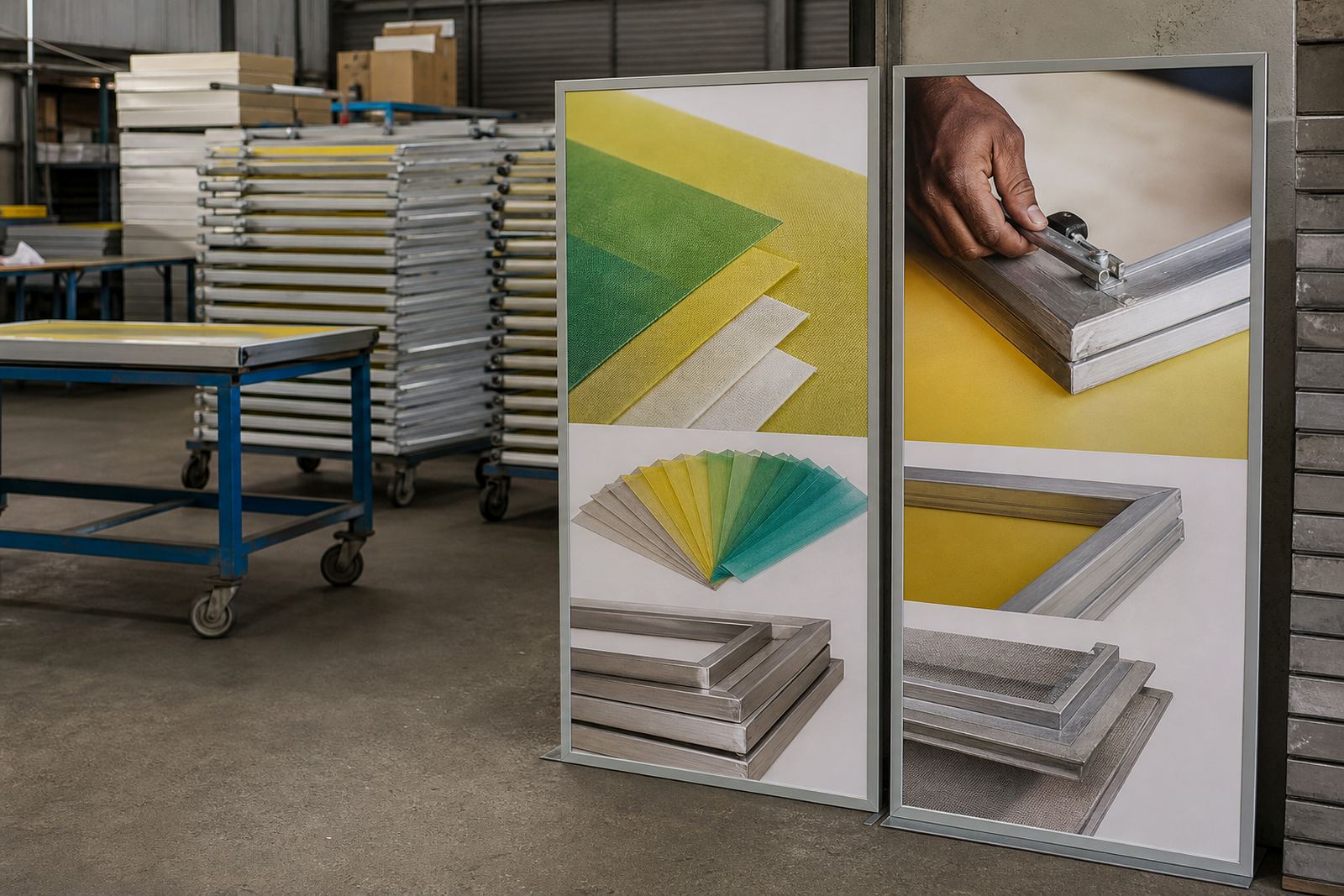
Most garment printers work with a few familiar mesh counts rather than trying to force one screen to suit every job. Lower counts such as 43T and 55T are often chosen for heavier plastisol deposits, block colours and underbases, while 61T and 77T are commonly considered for general T-shirt printing where you want a cleaner edge and better control on detail. Finer counts can help with finer artwork, halftones and water based ink, but the mesh needs to match the ink body and the design, not just the artwork on screen.
For shops handling mixed jobs, mesh count matching is worth doing before stretching a batch. A simple mistake like putting a fine design onto a mesh that is too open, or choosing too fine a mesh for a thick ink, can lead to flooding, poor release and extra cleanup on the press. In Germiston and other high-traffic production areas, that lost time adds up quickly. It is better to plan the screen for the garment and ink first, then build the run around that choice.
Why pre-stretched aluminium frames save time on press
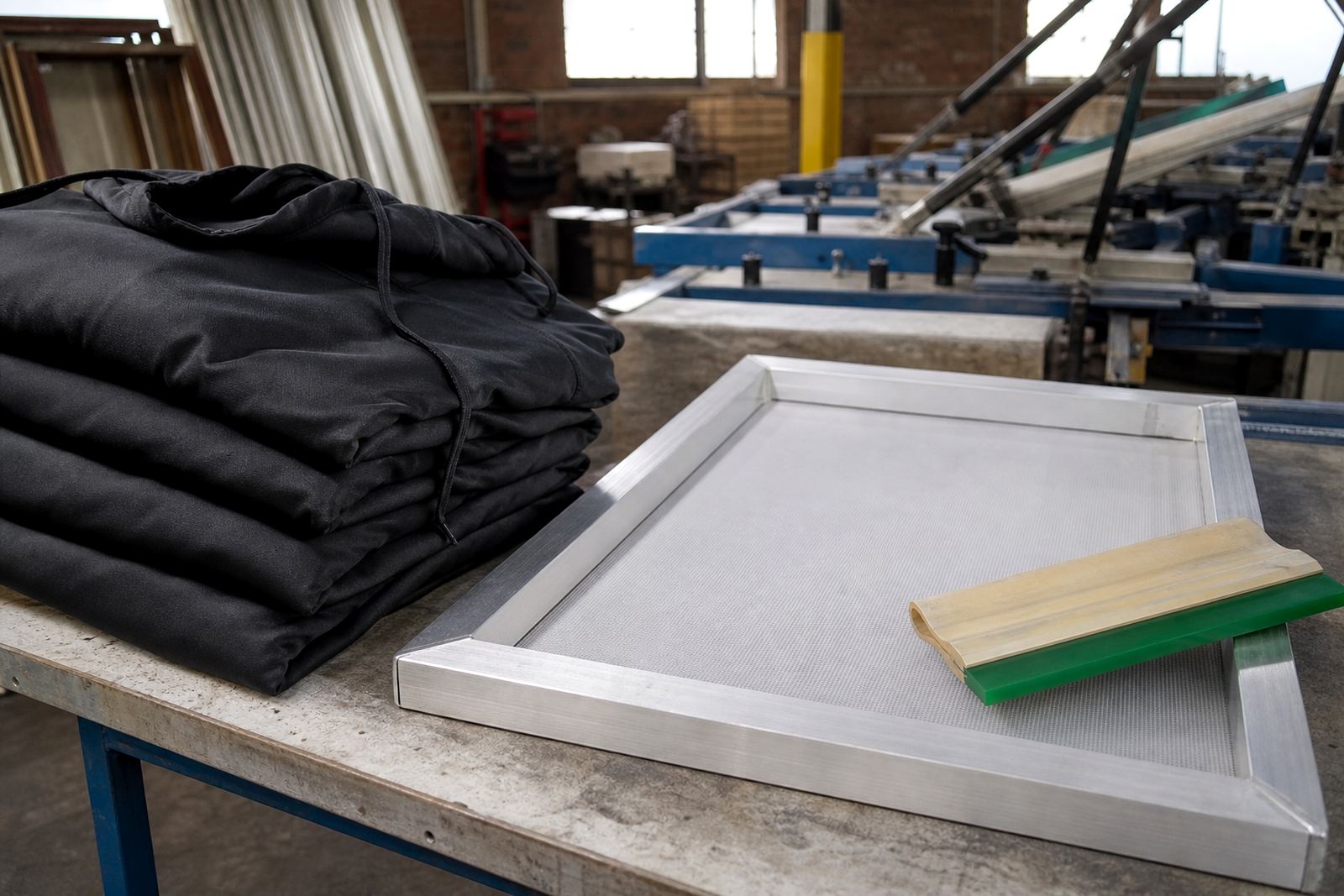
Pre-stretched aluminium frames are a practical option for shops that want consistent tension and less downtime. Aluminium stays straight well in normal print shop use and handles repeated washing better than many timber options, especially where screens are cleaned often and left in humid storage areas near the coast. For Durban and Gqeberha deliveries, this matters because moisture can affect screen life if the frame and mesh are not prepared properly.
Good tension gives a screen better snap-off, cleaner detail and less ghosting on the garment. If the mesh is uneven, the squeegee has to work harder and the print can blur at the edges. That is why frame stretching, re-stretching and tension checking are part of practical screen prep. A well tensioned frame also helps when there are power cuts and the shop is trying to keep production moving by changing between jobs quickly. No one wants a screen that sags halfway through a run.
- New Frame Stretching for fresh screens
- Frame Re-Stretching when tension has dropped
- Mesh Bonding for a cleaner, longer lasting hold
- Custom Frame Sizing for special artwork or press setups
Planning a garment print set-up before the first shirt
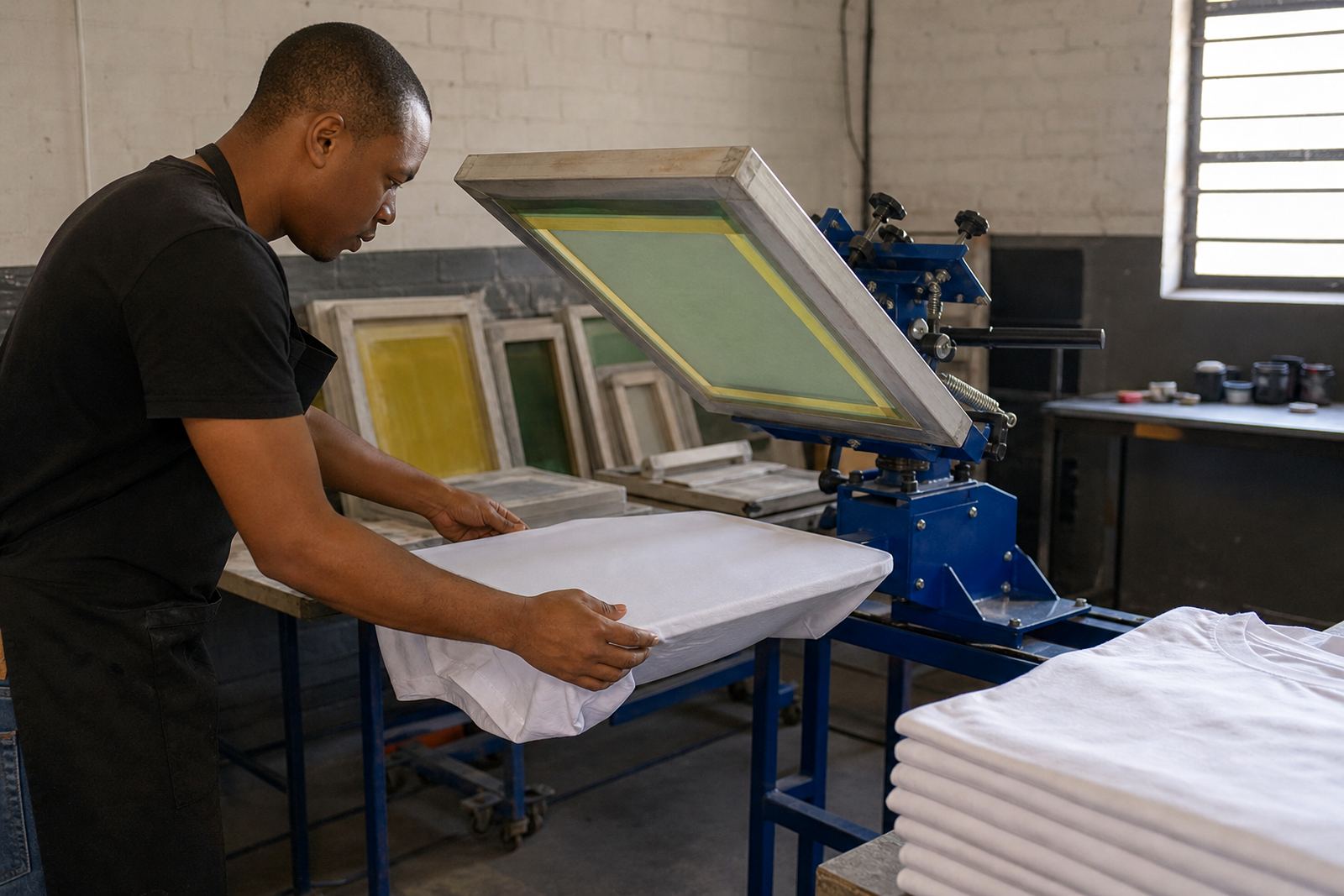
A good T-shirt job starts with the layout, not the print press. Before the first screen is coated, it helps to confirm garment size, print position and how many colours are going down. A front chest logo, a larger back print and a sleeve mark all ask different things from the screen. If the artwork is small and detailed, you may need a finer mesh and a tighter screen. If the print is bold and solid, a more open mesh is often the better call.
Repeat Order Service is useful where the same logo comes back on a regular basis. Once the mesh count, frame size and tension have been settled, the next run is easier to set up and less likely to need adjustment. That saves time on the press and helps the team keep to production schedules for Johannesburg, Pretoria and Midrand orders without chasing the same setup errors every week.
- Check artwork size against the screen area first
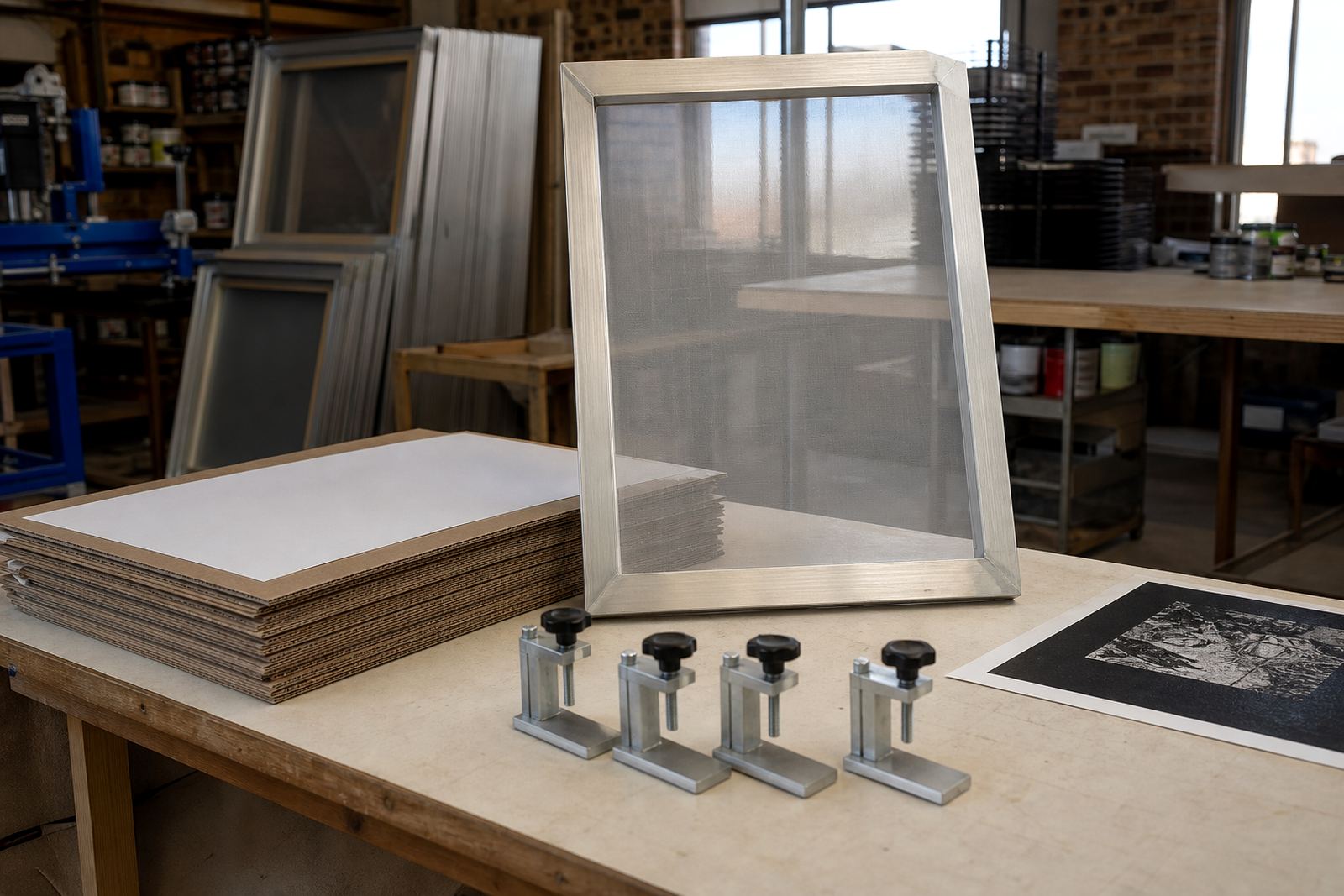
- Leave room for registration marks and clamps
- Match mesh count to the ink and garment colour
- Keep separate screens for fine detail and heavy coverage
Common mistakes that cost time and money
One of the biggest problems in T-shirt printing is using the wrong mesh count because it is already available on the shelf. A screen might be physically ready, but if the mesh is not suited to the artwork it can still cause trouble. Another common issue is pushing to print with poor tension instead of re-stretching the frame. That usually shows up as soft edges, poor ink release and more rejects on the pile.
Other mistakes include skipping frame clean prep, using damaged screens for fine work, and not checking mesh before a big batch. A small tear or a loose corner can ruin a job once the run gets moving. For shops working under municipal noise or storage limits, it also helps to keep screens organised and labelled clearly so you do not waste space and time searching for the right one when a rush order comes in. It is simple, but it helps more than people think.
- Using one mesh count for every artwork type
- Ignoring tension loss after repeated cleaning
- Choosing a frame that is too small for the print area
- Sending screens to press without inspection
What a typical T-shirt printing order may include
For everyday garment work, many print shops order a mix of stretched screens and support services rather than one item alone. A common setup may include screens for spot colour logos, a separate screen for fine text, and another for underbase work on dark shirts. Shops also often ask for batch screen prep, screen inspection and dispatch packing so the screens arrive ready to use and stored safely.
In practical terms, the order size depends on the garment mix and how often the design repeats. A small start-up in the East Rand may only need a few screens to begin with, while an established shop in Cape Town or Durban may keep a larger screen pool ready for daily production. The right choice is usually the one that reduces make-ready time and avoids forcing one screen to do too many jobs.
- New Frame Stretching for fresh production screens
- Screen Inspection before dispatch
- Mesh Count Matching for the right print result
- Frame Clean Prep before coating and exposure
Budgeting in Rand for garment screen work
Budgeting for T-shirt printing should cover more than the mesh itself. Printers usually allow for the frame, stretching labour, re-stretching when needed, and occasional replacement screens for worn jobs. It also helps to budget for downtime if a screen fails during a rush. A cheaper screen that gives poor results can cost more in the end than a properly prepared one that holds tension and prints consistently.
For smaller garment runs, many shops plan their screen spend around the number of designs rather than the number of shirts. That makes it easier to compare jobs and decide when to use a standard screen and when to ask for custom frame sizing. If you are printing for schools, events or regular retail orders, a repeatable screen setup is often the most sensible budget choice because it cuts setup time and keeps the workflow steadier. No need to overcomplicate it.
MeshMaster works from Germiston, Gauteng and supplies print shops in Johannesburg, Pretoria, Durban, Cape Town and Gqeberha, plus surrounding areas like the East Rand and Midrand. Clients usually reach us through the enquiry form on the contact page, and our team can help with practical guidance on mesh counts, frame choices and screen preparation for everyday garment printing.