Why correx signs need the right mesh count
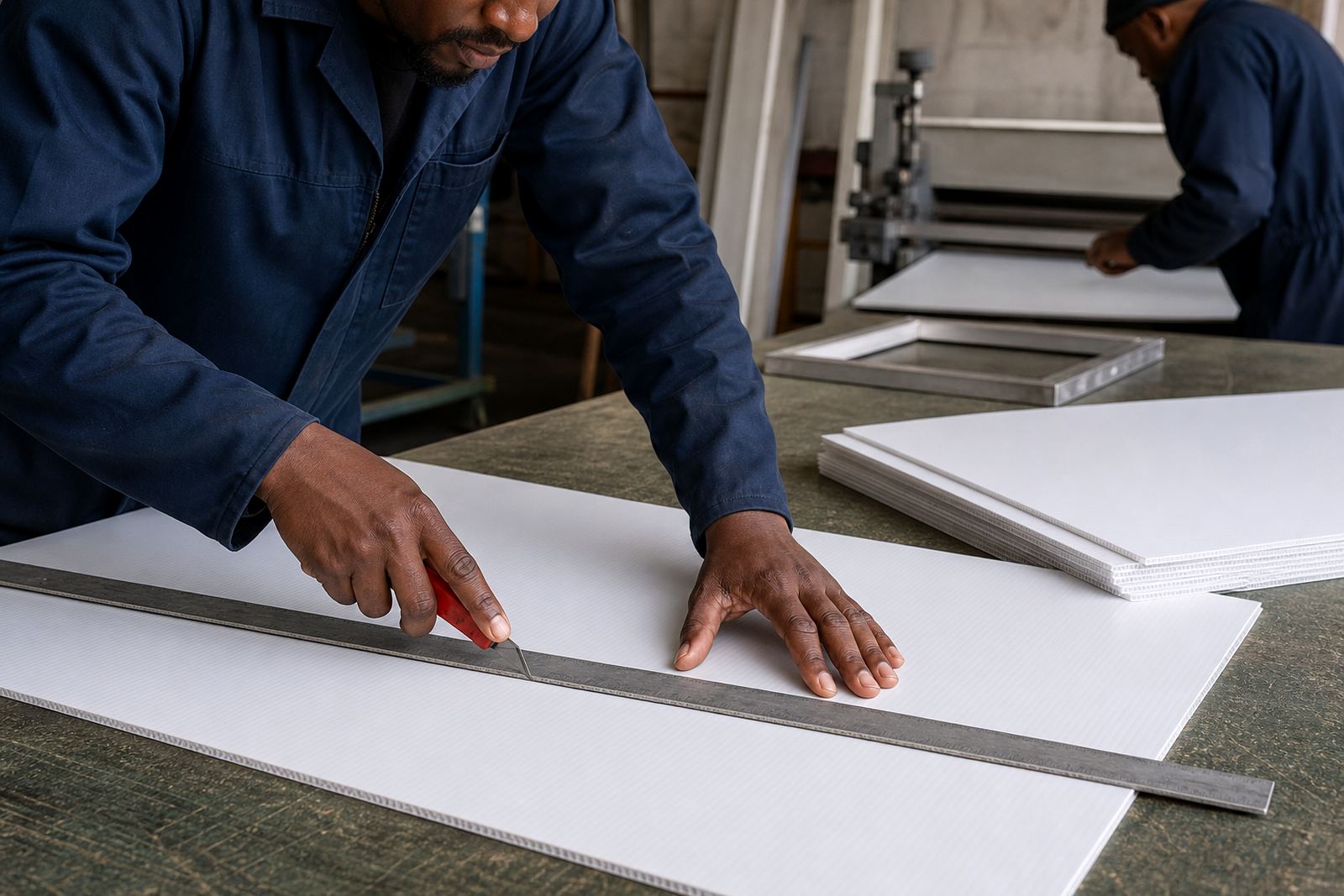
Fluted plastic signboard is used for estate notices, construction boards, retail specials and short-term direction signs, so the screen has to print sharply and dry cleanly. The usual challenge is the surface itself. Corrugated channels can catch excess ink, while a poor mesh choice can leave heavy deposits, blurred edges or weak coverage on fine text.
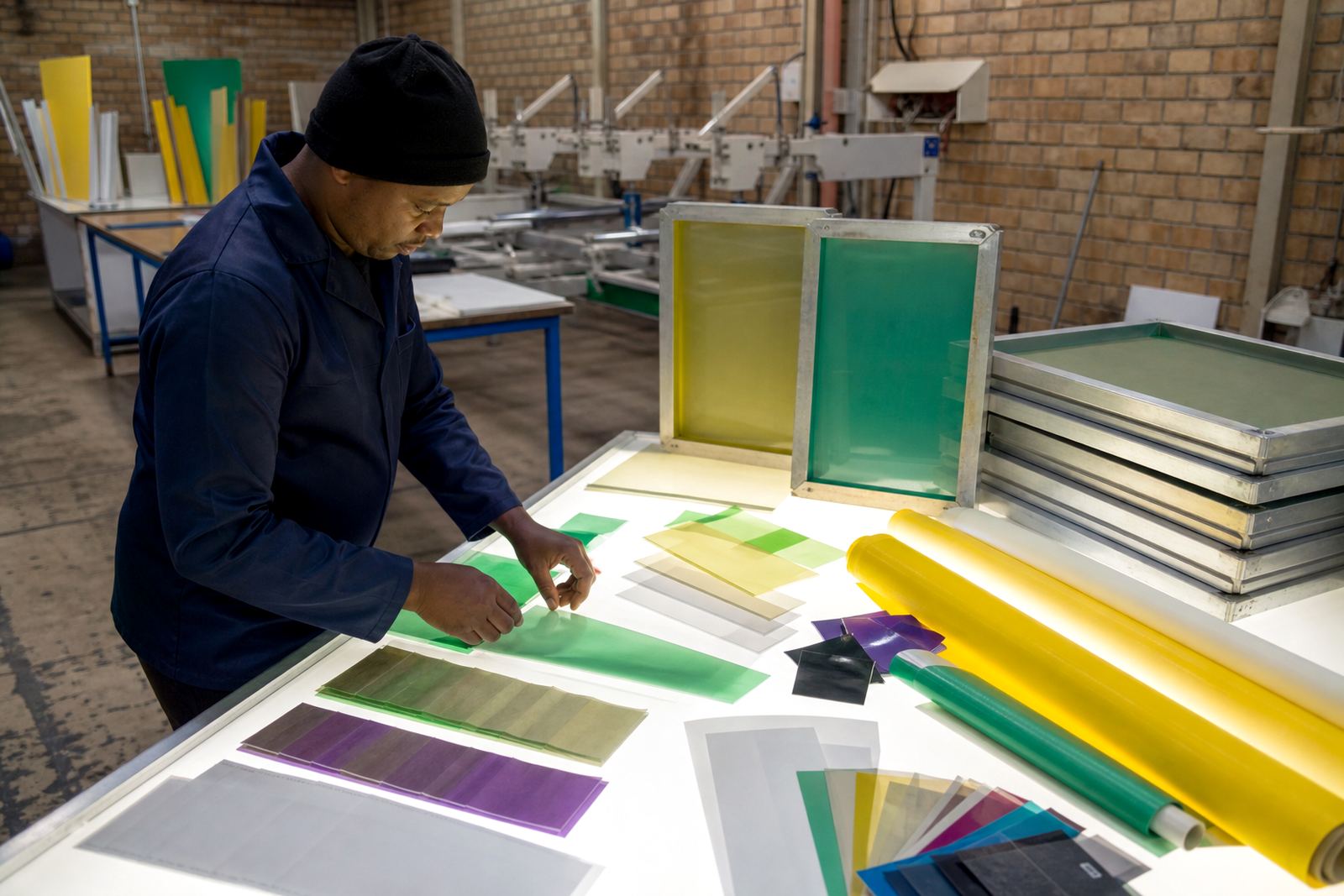
For this work, mesh count is chosen around the artwork and the ink system. Coarser mesh can push more ink for solid fills and bold lettering, while finer mesh helps with cleaner detail, smaller type and tighter edge control. The right call depends on whether the job is one colour, a repeat panel run or a design with fine linework and reverses. If a shop is printing the same correx panel week after week, it helps to keep the mesh count consistent so the print stays predictable.
In South African print rooms, climate matters too. Coastal humidity can slow drying and make screens harder to handle, while winter dryness inland can change how ink behaves on the mesh. A screen that is too loose or tired will show its faults quickly on fluted board, especially on long runs where the squeegee pressure stays the same all the way through.
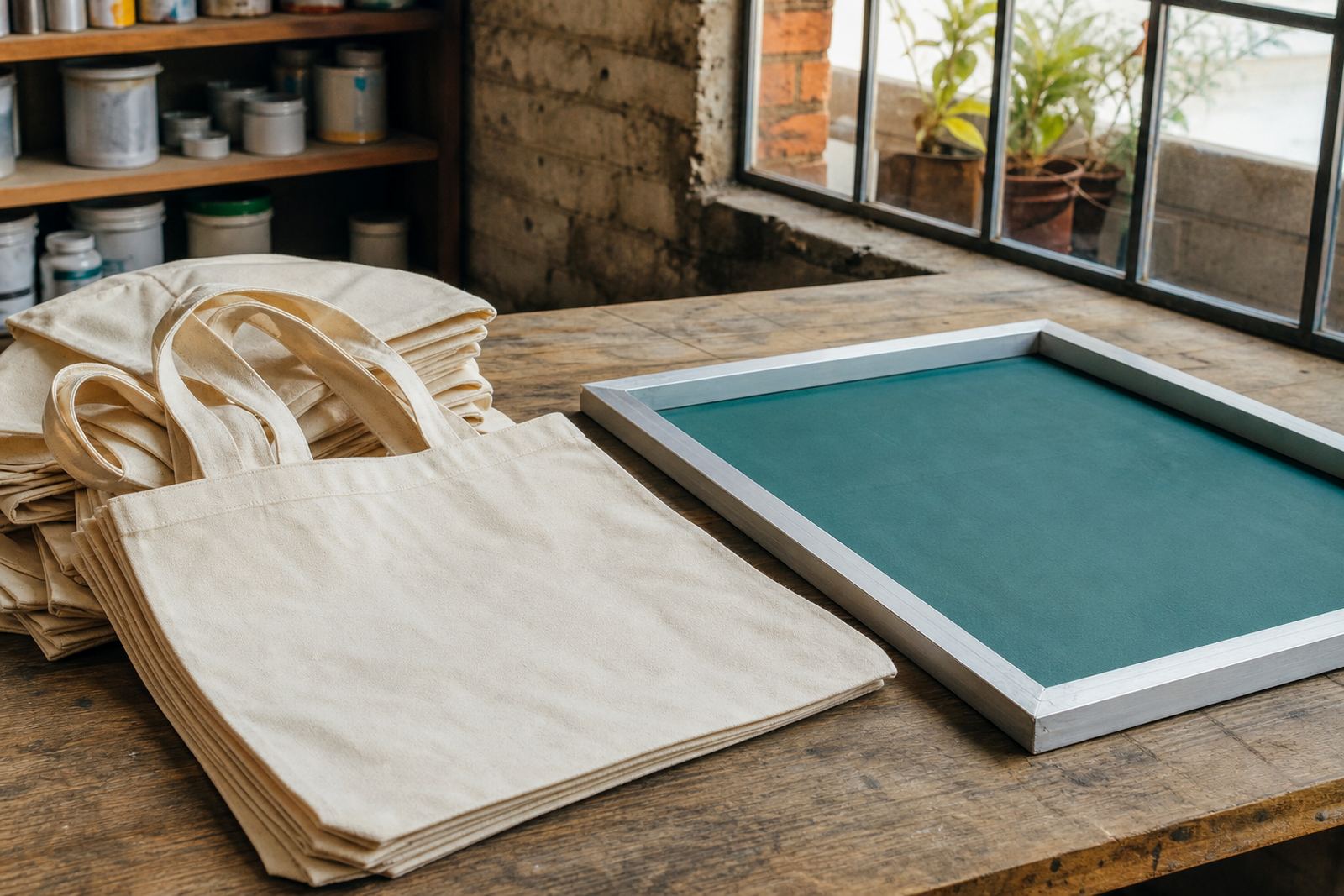
Pre-stretched aluminium frames for repeat panel work
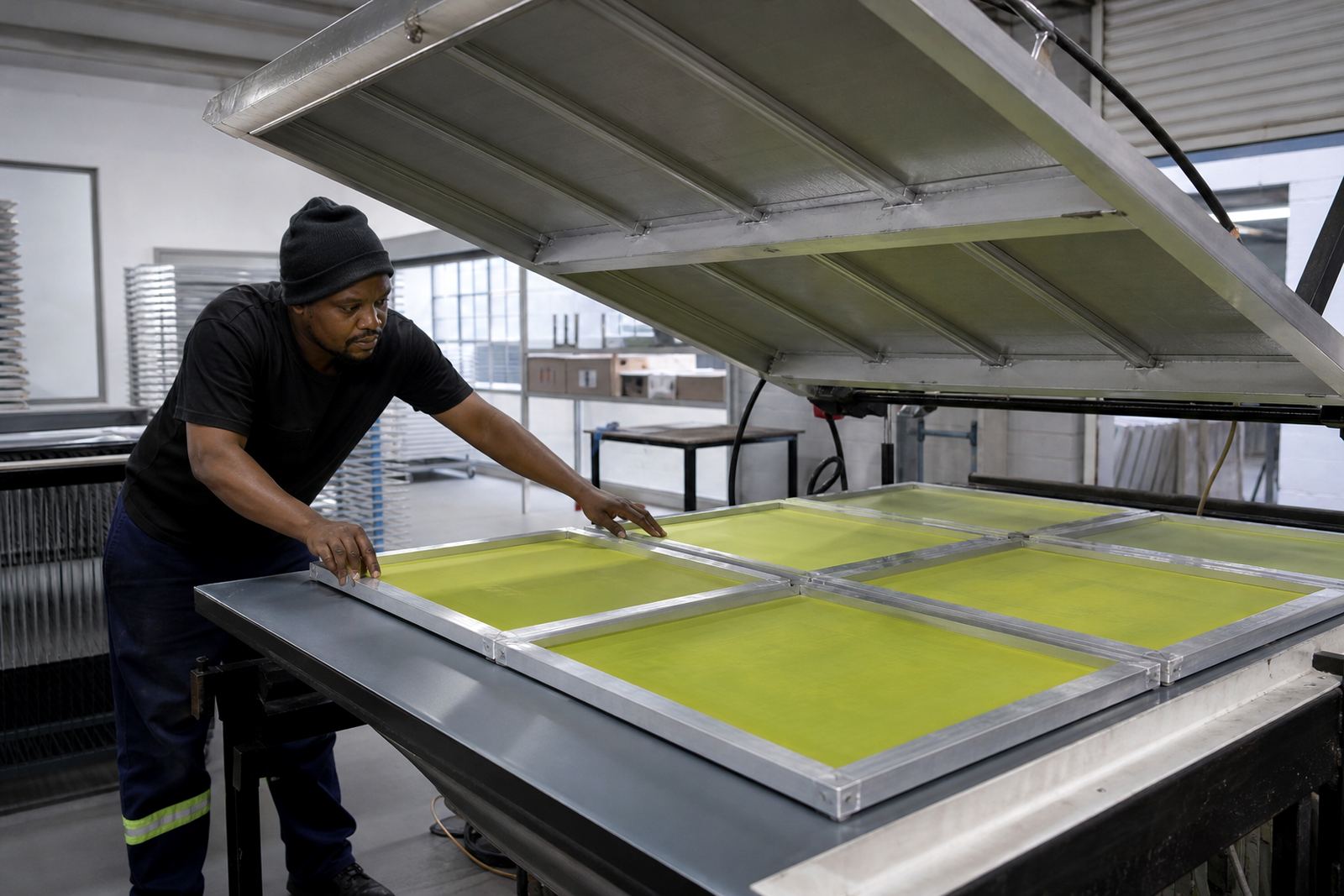
For repeat correx jobs, a pre-stretched aluminium frame saves setup time and helps keep tension more even from screen to screen. That matters when you are doing batches for sign shops, jobbing printers or a customer with recurring site boards. A frame that holds tension well gives cleaner registration and steadier print speed, which is useful when the same artwork comes back month after month.
Aluminium frames are a practical choice for South African print shops because they handle handling, transport and regular cleaning better than soft timber options. They are also easier to store in a busy workshop where screens move between prep, coating, drying and printing stations. On repeat work, the real value is not just strength, it is consistency. When the frame size, stretch and mesh count stay matched, make-ready time is shorter and there is less fiddling during setup.
- New frame stretching for fresh jobs and standard sizes
- Frame re-stretching for screens that have lost tension
- Custom frame sizing for unusual panel dimensions
- Frame clean prep before mesh bonding and coating
Planning your layout before the first print
Correx signs are often printed for quick reading from a distance, so the layout must suit the board size and the flutes. Text needs breathing room, bold type works better than thin details, and small halftones can be risky if the artwork has to survive rough handling on site. If the board is going outdoors, leave enough margin so the print does not sit too close to the cut edge or into the fluted openings.
Good planning also helps with panel repeat work. A print shop that knows the sign will be used across different branches or sites should keep the screen setup clear and repeatable. That includes registration marks, consistent margin notes and a matching screen for the next batch. When the same job returns, a well kept screen record makes it easier to match mesh count, frame size and tension without wasting material.
- Match the artwork to the board size before stretching the screen
- Keep bold text and logos away from the cut line
- Allow for ink spread on solid blocks and large areas
- Store repeat job notes with the screen details for faster setup
Common mistakes on fluted plastic boards
One of the most common mistakes is using a screen that is too slack for the artwork. Loose mesh can make the print look heavy at first, then uneven as the run goes on. Another issue is choosing a mesh count that is too fine for a solid sign, which can starve the print and leave patchy colour, especially on large plain areas. On the other hand, a coarse screen on small text can flood the lines and make the message hard to read.
Another mistake is skipping screen inspection before a repeat run. Tiny residue, damaged mesh or poor bonding around the frame can show up fast on corrugated board. Shops also run into problems when they do not allow enough drying space. A damp print stacked too soon can mark, scuff or pick up dust. In humid areas, that problem gets worse, so the drying plan needs to suit the weather and the pace of the job.
It also helps to avoid changing frame sizes on a whim. If one job is set up on a different size screen for no good reason, the shop may lose time adjusting clamps, off contact and registration. For batch work, stable setup saves more money than chasing a quick shortcut.
Typical screen room setup for correx runs
A practical screen room for correx printing does not need a lot of fancy kit. It needs clean screens, reliable tension, a sensible drying area and enough space to move boards without bending corners. In many Gauteng print rooms, the setup has to deal with load-shedding as well, so anything that depends on stable power should be backed by a workable manual routine. The more repeatable the screen prep, the less disruption there is when the power cuts in the middle of a batch.
For shops working across Johannesburg, Pretoria, Durban, Cape Town and Gqeberha, the setup is often built around repeat orders and mixed delivery schedules. That means the screens must be easy to label, pack and dispatch. Frames that are clean, well marked and properly tensioned are easier to move between branches or keep ready for the next board run.
- Screen mesh matched to the print detail and ink deposit needed
- Pre-stretched aluminium frames for consistent tension
- Clean prep area for bonding, inspection and touch-up
- Drying space with enough airflow and dust control
- Clear storage for repeat jobs, spare screens and packing notes
Budget ranges for correx screen work in Rand
Budgets for correx sign work usually depend on how many screens are needed, whether the frame is new or being re-stretched, and how much detail the artwork carries. A simple repeat panel job with one colour and a standard screen setup costs less to prepare than a tight-detail sign that needs finer mesh and more careful tension control. If the job is a batch run for multiple sites, planning ahead can reduce waste and cut down on rework.
As a general guide, shops should budget for the screen itself, the frame work, the setup time and any inspection needed before the run starts. Re-stretching can make sense when the frame is still sound but the mesh has dropped off, while a full new frame stretch is often better for a screen that needs dependable repeat use. The right choice depends on the condition of the existing screen and how often the job will come back.
For corrugated plastic signs, a small change in screen choice can affect ink usage, drying time and the number of prints that stay clean from start to finish. That is why many shops keep a few standard setups ready for common board sizes and use case, then order custom work only when the panel size or artwork really needs it. MeshMaster works from Germiston and supports print shops through an enquiry form on the contact page, with supply and delivery service into the main Gauteng and coastal centres.