What Poster Printing Needs From A Screen
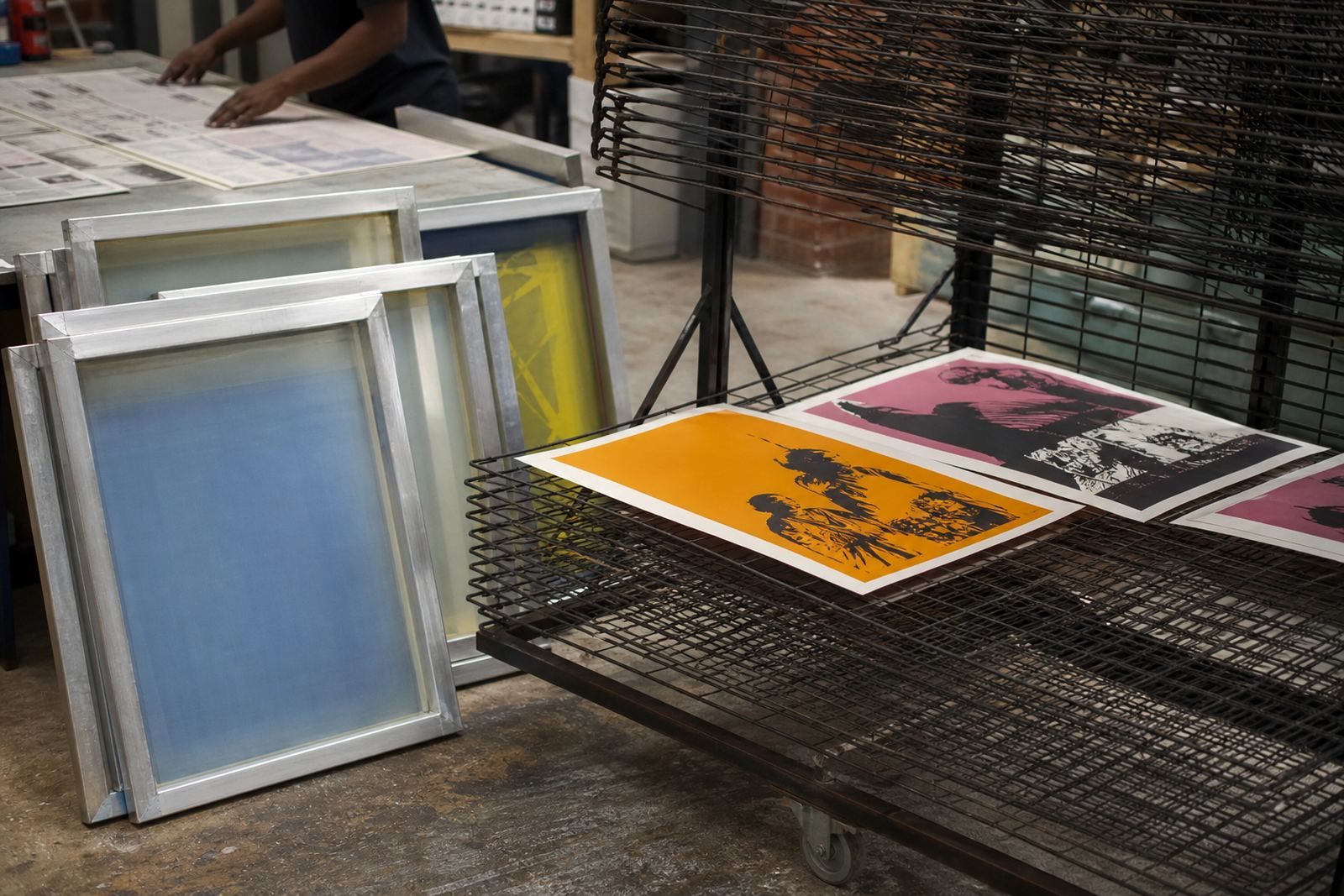
Poster work asks a screen to do a few things well at once: hold fine detail, release ink evenly, and keep registration steady across long print runs. Whether the job is one colour with heavy coverage or a multi pass design with fine type, the mesh count and frame condition affect how sharp the result looks on paper or board. If the screen sits loose, the image can shift slightly between pulls and that shows up fast on borders, text and small graphic elements.
For most poster jobs, the right setup depends on the artwork and the ink system being used. Lower mesh counts suit heavier deposit and bold solids, while higher counts support cleaner detail and finer halftones. A proper frame helps the mesh stay at a workable tension so the stencil stays stable, which is especially important when a job has to be repeated in batches for events, retail or municipal notices.
Mesh Count Choices For Clean Poster Detail
Mesh count matching is one of the first decisions to get right. If the poster has large blocks of colour, you need enough ink flow to cover evenly without fighting the screen. If the design carries small text, thin rules or image detail, the mesh needs to be fine enough to support crisp edges. The goal is not to use the finest mesh available, but to match the mesh to the artwork and the ink body.
- Lower mesh counts for strong ink deposit on bold graphics and solid areas.
- Medium counts for general poster work with mixed text and colour blocks.
- Higher counts for fine line work, small type and cleaner edge definition.
- Consistent mesh selection across repeat jobs to keep output matching from batch to batch.
In practice, many print shops keep a few screen options ready for different poster types. That saves time when the brief changes at short notice, which happens often with seasonal promotions and quick turnaround campaigns. If the same artwork comes back later, using the same mesh and frame size helps keep the result consistent without extra adjustment.
Why Pre-Stretched Frames Matter On Long Runs
Pre-stretched aluminium frames are a practical choice for poster production because they arrive ready for use with less setup time and more predictable tension. A frame that is straight and stable makes it easier to print several hundred sheets without the screen drifting in performance. On larger formats, this matters even more because any flex in the frame can affect pressure, registration and ink release.
Frame sizing also matters when shops handle mixed poster formats. A custom frame can give better use of the print area and allow easier alignment on the press. For coastal work in Durban or Gqeberha, aluminium is a sensible option because it handles humidity better than many other materials and helps reduce the risk of warping. In Gauteng, where dust and load-shedding interruptions are part of normal working life, a ready screen setup also helps teams keep production moving when time is tight.
- Choose a frame size that gives enough border for clamps, tape and clean off-contact setup.
- Use re-stretching when the frame is sound but mesh performance has dropped.
- Check corners, welds and surface prep before mounting artwork.
- Keep different frame sizes for common poster formats so you do not waste material.
Planning The Layout Before You Print
Good poster printing starts before the screen goes on press. The artwork should be checked for line weight, text size, bleed and colour separation if more than one screen is involved. A layout that looks fine on a monitor can still give trouble on paper if fine lettering is too small for the mesh or if solids are built too close to the edge. A clean plan saves time during setup and reduces wasted sheets.
It also helps to think about the final use of the poster. Indoor posters for retail windows can often use finer detail, while outdoor boards may need stronger ink coverage and simpler shapes so the image reads clearly from a distance. If the print shop is running repeated batches for schools, churches, promotions or events, mark the screen details clearly so the same frame and mesh can be returned to the right job later.
- Leave enough margin for trimming, hanging and mounting.
- Keep text away from the edge where pressure and tape can affect the print.
- Separate solid background areas from detail work where possible.
- Match the screen setup to the paper or board surface before starting the full run.
Common Mistakes That Show Up In Poster Work
Poster jobs often fail for simple reasons. A screen that is not tensioned properly can cause blurred edges, uneven ink deposit or poor repeatability. Using the wrong mesh count is another common problem, especially when the artwork combines bold fills with small copy. Too coarse and the detail suffers. Too fine and the ink may not pass cleanly, which slows the job and makes coverage patchy.
Another mistake is poor screen care between runs. If the mesh is not cleaned and checked properly, dried ink or damaged emulsion can affect the next print. Frame prep matters too. A dirty frame or uneven bond can create weak points that show up under pressure. On busy commercial runs, many shops also lose time by not separating screens clearly for different poster sizes. That leads to mix ups and rework, which is avoidable with simple labeling and a consistent setup routine.
For shops that work with mixed stock, it also pays to check the board or paper before the job starts. Some coated materials take ink differently and may need a slight change in mesh or squeegee pressure. A quick test print is usually cheaper than correcting a full batch later.
Budget Ranges For Poster Printing Setups
Budget planning for poster printing usually comes down to how often the screen will be used and how precise the artwork needs to be. A smaller shop doing occasional short runs may only need a few screen options and one or two dependable frame sizes. A busier operation handling repeat poster campaigns across Johannesburg, Pretoria or Cape Town may prefer a wider spread of mesh counts and more pre-stretched frames ready to go.
As a guide, set aside funds for three areas: the screen itself, the frame work and the prep time around the job. It is usually cheaper to get the right mesh and frame choice first than to force one screen to do every poster type. If you are handling repeat orders, the value is in keeping the setup consistent so the same result can be produced again without re-learning the job each time.
- Starter poster setup: a few common mesh counts and standard frames for general work.
- Workshop upgrade: extra frame sizes, re-stretching support and better job separation.
- High repeat use: matched screens for recurring campaigns and tighter tension control.
- Custom work: sizing, mesh matching and inspection for specific artwork demands.
In Rand terms, the right budget is the one that protects output quality and reduces wasted stock. For poster printing, that usually means investing in screens that hold tension well, fit the job properly and can be used again with confidence.