When a flat panel needs more control than fabric
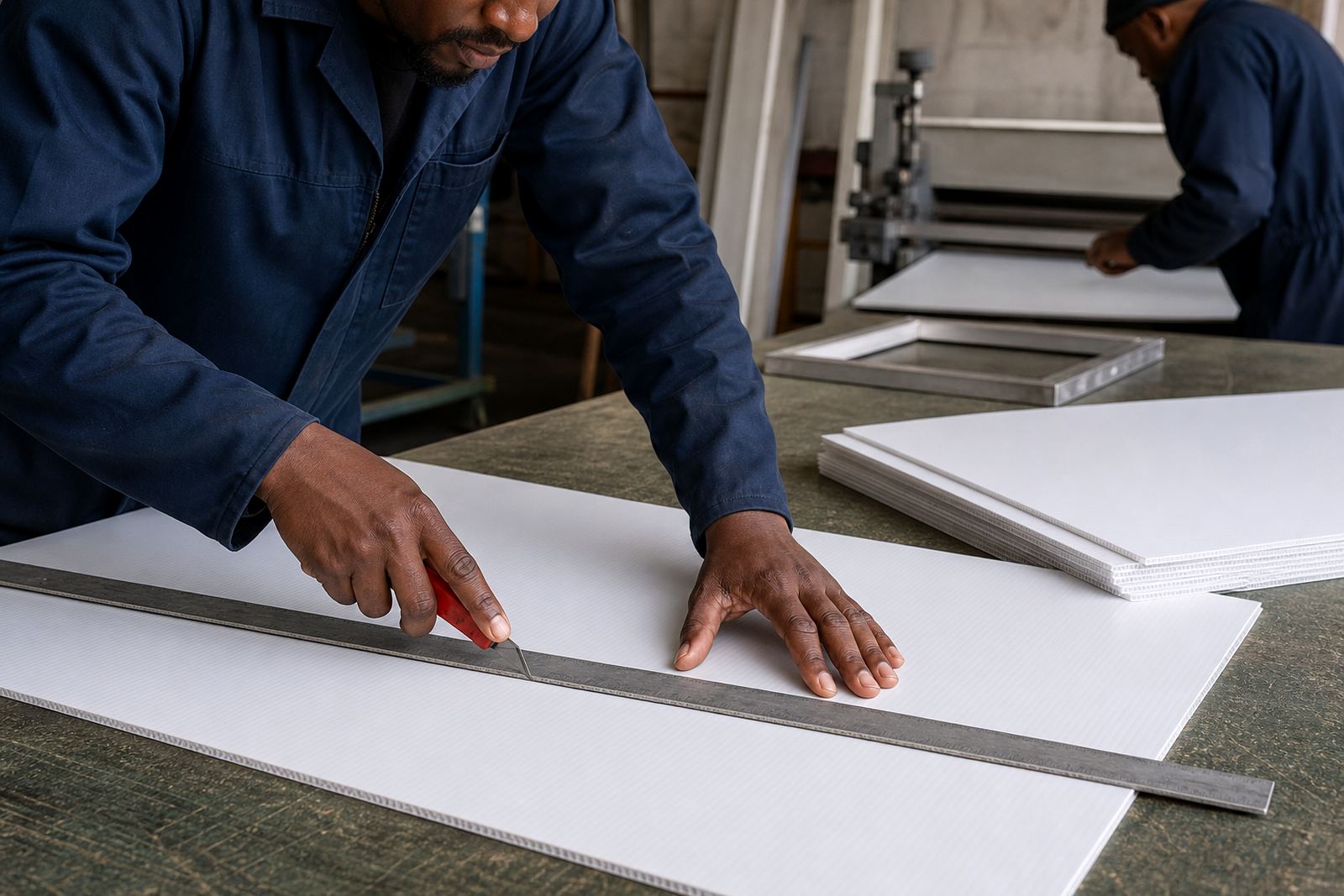
Rigid panel work is different from printing on shirts, bags or other soft goods because the substrate does not move to forgive a poor setup. Corflute, PVC board, foamex, acrylic, aluminium composite and sealed timber all ask for cleaner register, tighter screen tension and a more deliberate squeegee stroke. In Germiston and across Gauteng, many print shops keep this type of work for signage, point of sale pieces and display boards that must look straight from the first sheet to the last.
For this use, the screen has to hold a crisp stencil and stay flat through repeat pulls. A frame with weak corners or uneven tension can leave a slight wobble in the image, especially on long runs or when the shop is running through load-shedding and the workflow gets broken up. MeshMaster supplies screen mesh and pre-stretched aluminium frames for these jobs, with advice suited to short runs, repeat orders and custom panel sizes.
Mesh counts that suit rigid substrates
Rigid panels often need a finer mesh than garment printing because the ink should sit neatly on the surface without flooding the edges. The right count depends on the artwork, the ink type and how much coverage is needed. For bold spot colour on boards, a medium mesh can give better ink deposit. For fine type, small logos or halftones, a finer mesh helps keep detail clean.
- Lower mesh counts are useful where heavier ink deposit is needed on textured or absorbent panels.
- Mid-range mesh counts suit most solid colour work and general signage panels.
- Higher mesh counts are better for fine line work, small text and sharper edge control.
- If the panel surface is slightly uneven, test prints help you see whether the mesh is holding enough detail without overprinting.
Mesh count matching matters because the same design can behave very differently on a smooth acrylic sheet compared with a lightly textured board. Thabo Mokoena and the stretching team often recommend checking the panel finish first, then choosing the mesh count rather than starting with the artwork alone. That saves time and reduces reject sheets.
Frame tension and why it matters on long boards
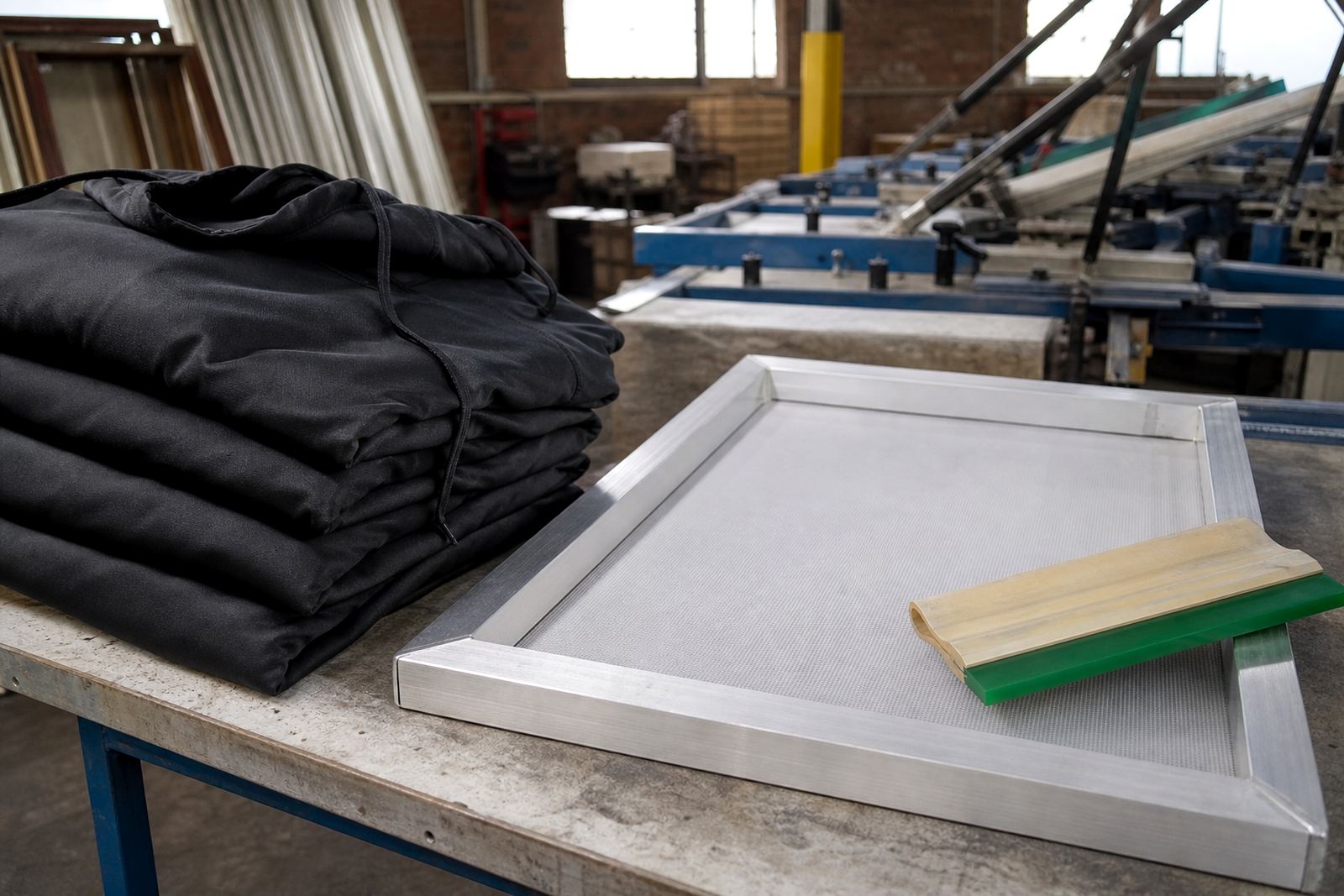
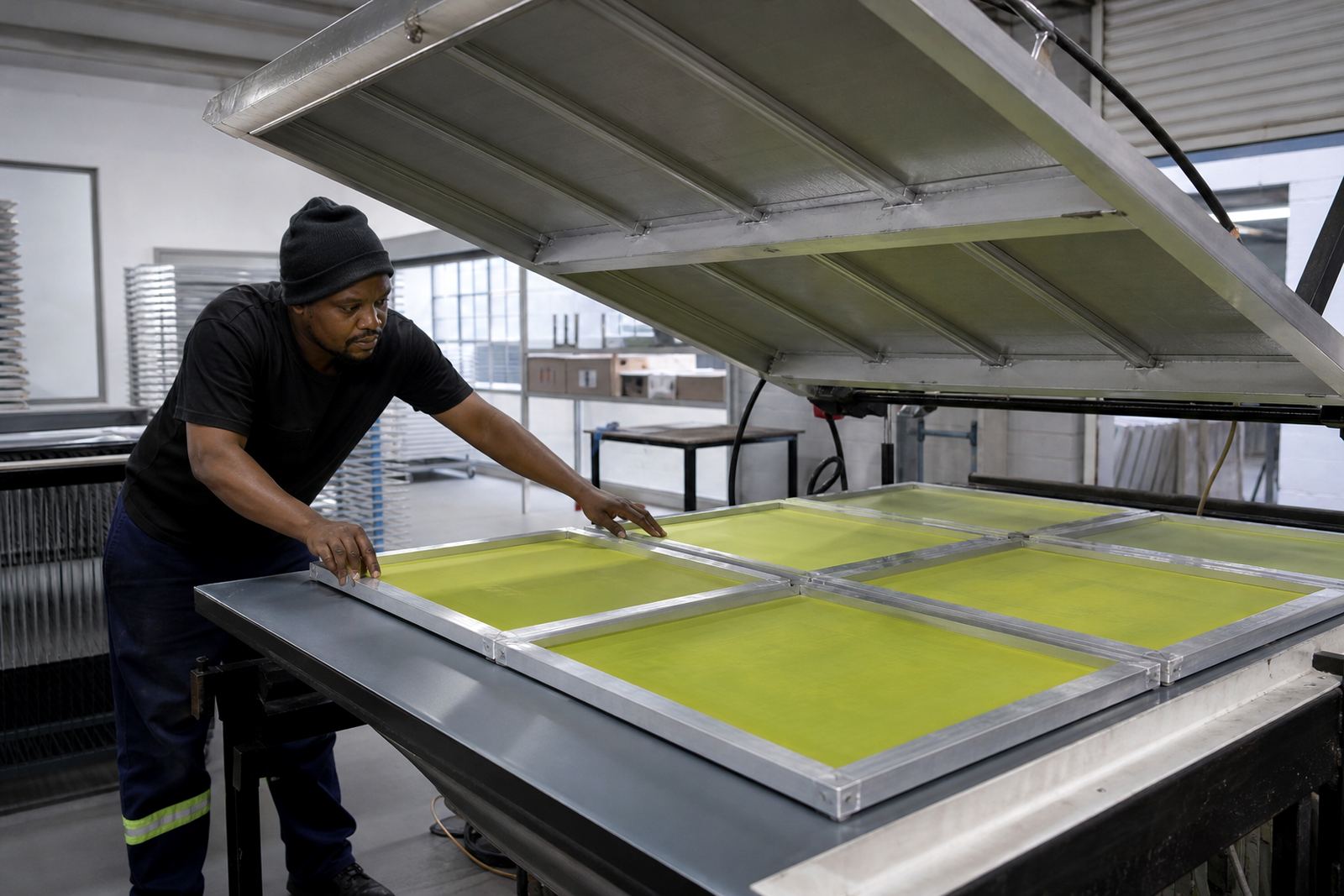
Pre-stretched aluminium frames are a practical choice for rigid panel work because they stay lighter than timber and cope better with repeat handling. Good tension helps the stencil release ink evenly, so the print does not drag at one end of the stroke or soften in the centre. On larger frames, even a small loss of tension can show up as a slight blur on edges, especially with hard registration marks.
Frame size should match the panel plan as well as the print image. If the screen is too small, the operator may have to work too close to the clamps, which makes alignment awkward. If it is too large, storage and handling become harder, and the frame may take more knocks in transit between Germiston, Johannesburg, Pretoria or out to Durban and Cape Town.
For shops working near the coast, humidity can affect storage and drying times. Mesh should be kept clean and dry, and adhesive bonds need proper cure time before the screen goes out. That is one reason many teams ask for frame clean prep and tension checking before a batch starts.
Typical equipment set for panel work
A stable panel setup does not need complicated gear, but it does need consistency. The table should be level, the print bed clean and the board held in the same position from sheet to sheet. Many shops use simple jigs, stop blocks or vacuum hold-down systems where the volume justifies it. The key is repeatability, not fancy kit.
- Rigid substrate with clean, dry surface and no loose dust.
- Screen with the correct mesh count for the ink and detail level.
- Pre-stretched aluminium frame with even tension across the full area.
- Clean squeegee edge and consistent stroke pressure.
- Test sheet, registration marks and a simple curing plan.
Johan van der Merwe in logistics often sees how much damage can happen when screens are stacked badly for dispatch. Packed screens need corner protection and enough spacing so the mesh does not rub during transport. This matters for repeat jobs where the same screen comes back for another batch a week later.
Planning layouts for signs, panels and display boards
Layout planning starts with the board size and the end use. A retail sign that will be viewed from a few metres away can usually carry more open artwork than a panel meant for close reading. Bleed, trim and registration all need to be set before the screen goes to production. On rigid sheets, the edges are more visible, so an off-centre image stands out quickly.
For multi-up layouts, leave enough space for the operator to move cleanly between prints without catching the board edge. If a job includes several panel sizes, it helps to separate them by screen or run them in a planned sequence. This is especially useful where a small workshop in Midrand or the East Rand is trying to balance same-day turnaround with regular commercial work.
- Keep artwork simple where the panel will be seen at distance.
- Allow extra margin for trimming and mounting hardware.
- Confirm board thickness before setting clamp height or bed stops.
- Check whether the panel finish will take ink cleanly or needs pre-cleaning.
Common mistakes that cost time and stock
The usual mistakes are often basic but expensive. A mesh that is too open can flood the edges and make text look soft. A frame that is under tension may print one side beautifully and the other side poorly. Dirty panels are another frequent problem, especially when boards have been handled with bare hands or stored near a workshop floor. Dust and oil show up quickly on smooth surfaces.
Another issue is rushing setup after a power cut. When load-shedding breaks the rhythm, a screen may be left open longer than planned and the ink may start to skin. That can affect the first few pulls after restart. A good batch plan includes pause points, clean covers and a way to check the screen before the next sheet goes under it.
Municipal rules can also affect where printing and drying take place, especially in shared industrial units. Keep solvent handling, waste disposal and ventilation in line with local requirements, and do not block access routes with stacked boards or frame racks. Small details like these save trouble with neighbours, landlords and inspectors.
Working budget for a sensible setup
For a basic rigid panel printing setup, many shops budget from the low thousands of Rand for a small screen set-up, while larger custom frames, extra mesh counts and repeated prep work can move the spend into the mid-thousands or beyond. The exact figure depends on frame size, mesh choice, how many screens you need and whether the job calls for re-stretching, inspection or batch screen prep.
If you are pricing a new run, factor in the screen itself, cleaning, setup time, test prints and the cost of correcting a bad first batch. A well-prepared screen usually saves more than it costs, especially on panels that are expensive to replace. Repeat order service is useful where the same sign or board comes back often, because the original setup can be matched more closely the next time.
MeshMaster works from Germiston and supplies print shops across South Africa, including Johannesburg, Pretoria, Durban, Cape Town and Gqeberha. If you need mesh count matching or custom frame sizing for rigid panel work, use the enquiry form on the contact page and the team will help you plan the next run properly.