How board and carton work changes the screen choice
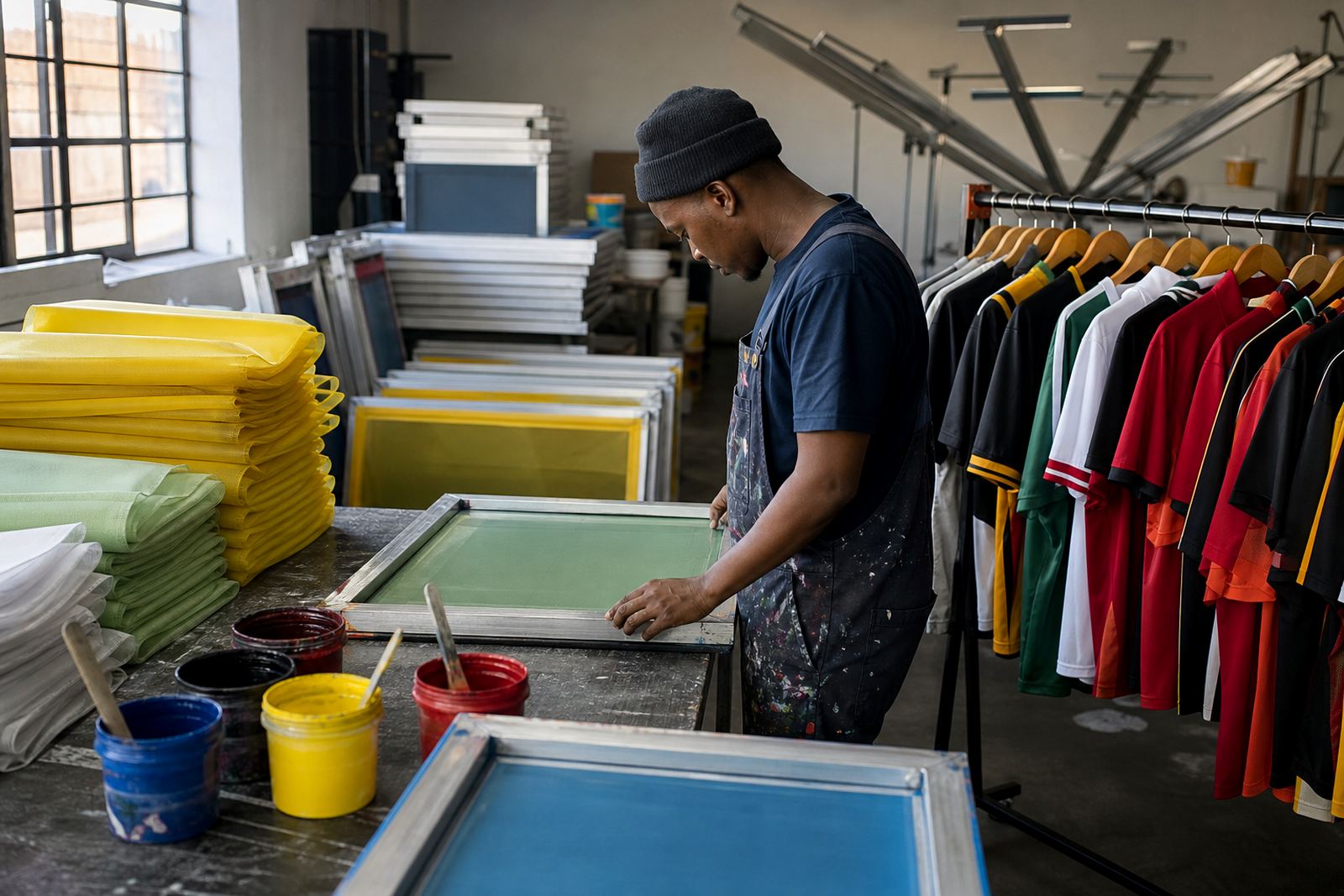
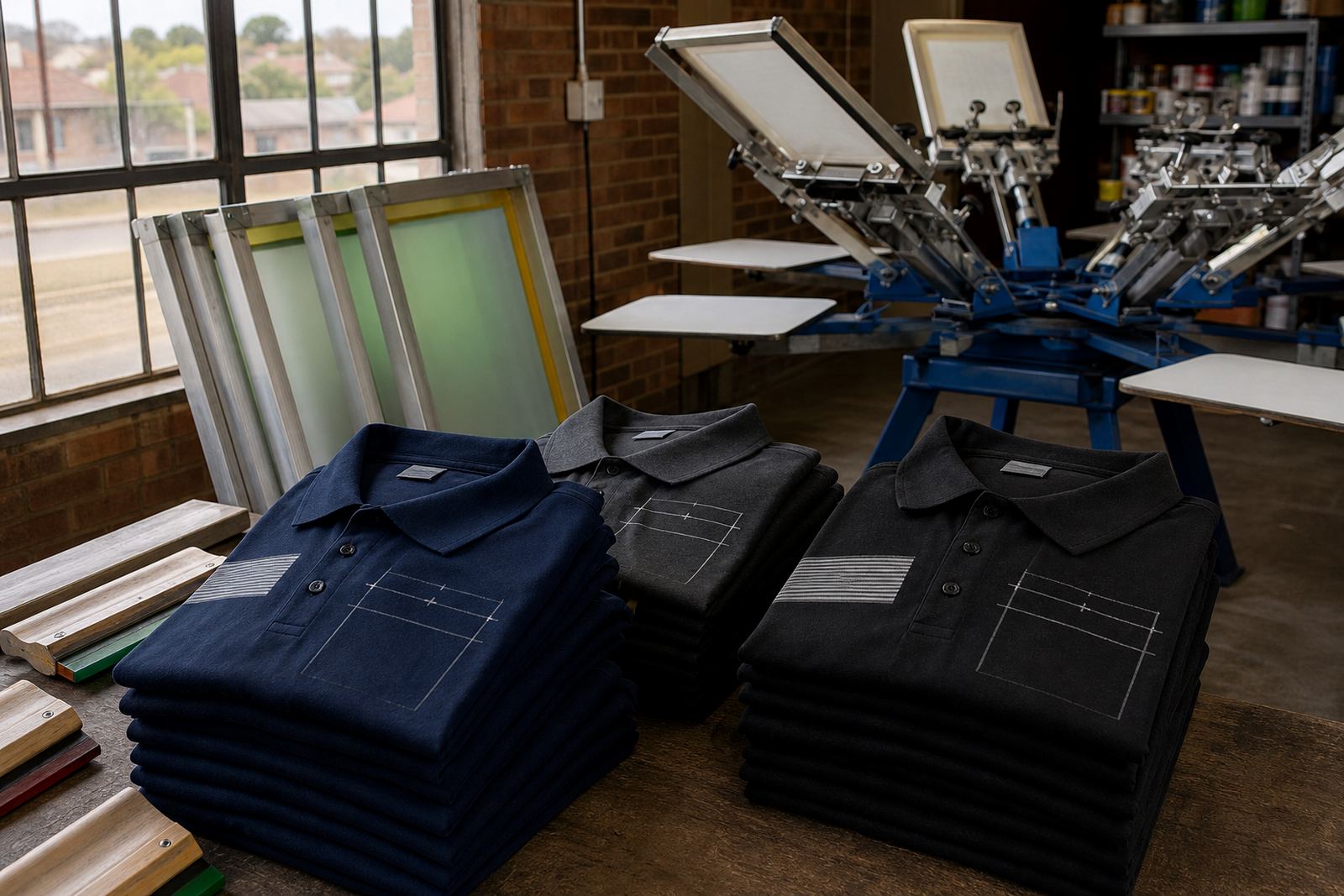
When a print shop moves from paper or textiles to packaging boards, the screen decision changes straight away. Carton style substrates, folding box board and thicker packaging boards take more handling, so the print surface needs the right mesh count, proper tension and a frame that stays true under repeated pulls on press. For simple solids and bold copy, many shops start with a medium mesh that gives a stronger ink deposit. For finer detail, small type or line work, a higher mesh count helps hold the image edges cleaner.
On board, the aim is usually crisp coverage without flooding the surface. If the substrate has a coated face, the ink can sit differently to uncoated board, so the mesh must suit the ink system and the finish. A screen that is too open can cause heavy deposit, set-off and muddy edges. Too fine and the print may look dry, especially on absorbent board. Getting that balance right is where good mesh selection saves time and waste.
In practice, packaging work is usually planned around the job spec first, then the mesh count and frame size. That means asking what the board is, how large the solids are, whether the job needs spot colour or overprint, and how much detail sits close to folds, glue flaps or die cut areas. Small changes at the planning stage can make the press run steadier and the make-ready quicker.
Typical screen set-ups for packaging boards
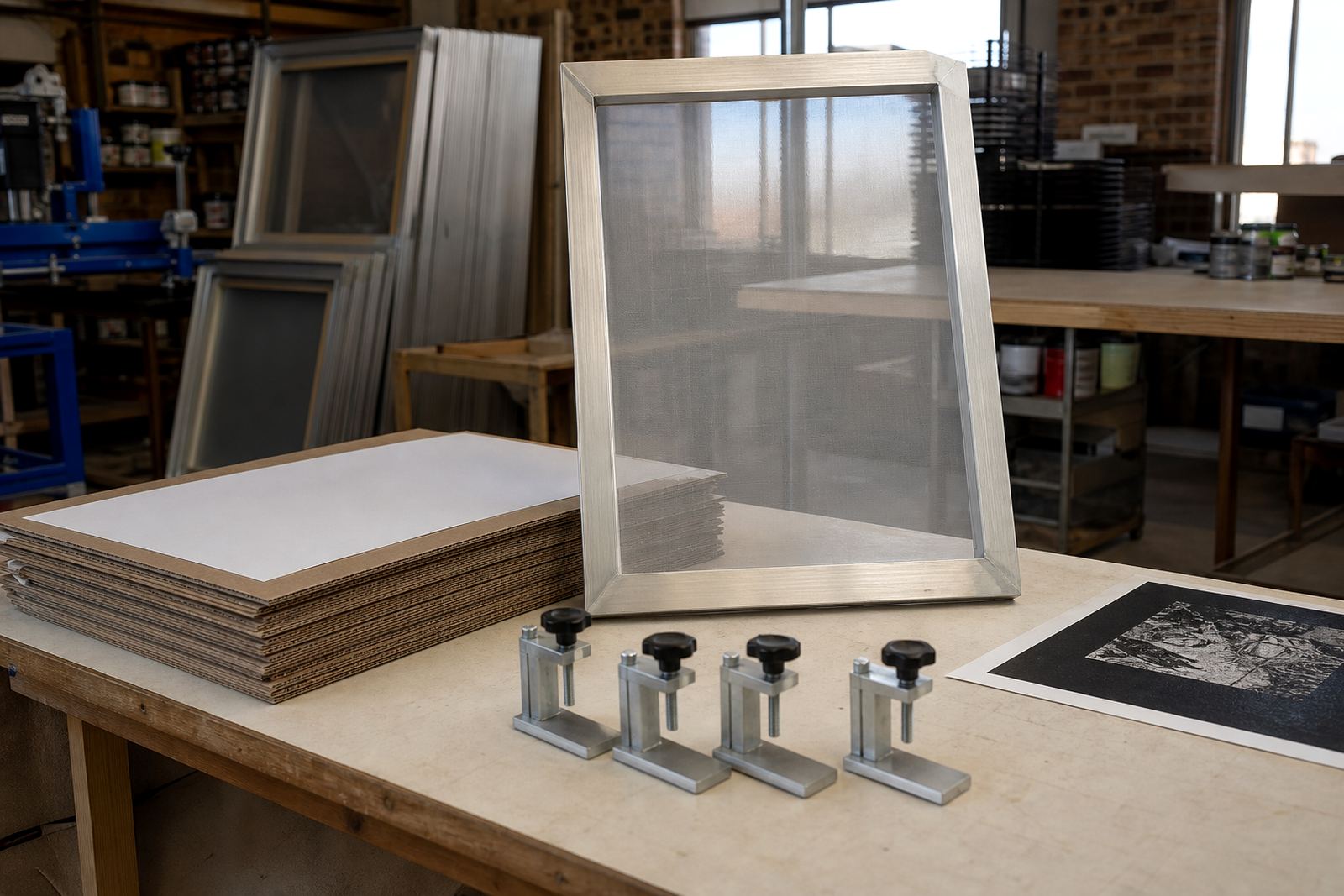
Most packaging board jobs use pre-stretched aluminium frames because they stay lighter than timber and handle repeated tension better. That matters when a shop is running multiple screens for the same carton, or when the screens must hold registration over a long day. For board work, print shops often want a frame that is straight, clean and ready for mounting without extra repair work.
The actual set-up depends on the artwork and the board finish, but a common screen room setup for packaging includes:
- Pre-stretched aluminium frames in the sizes needed for the press and artwork.
- Mesh counts matched to the ink film and image detail.
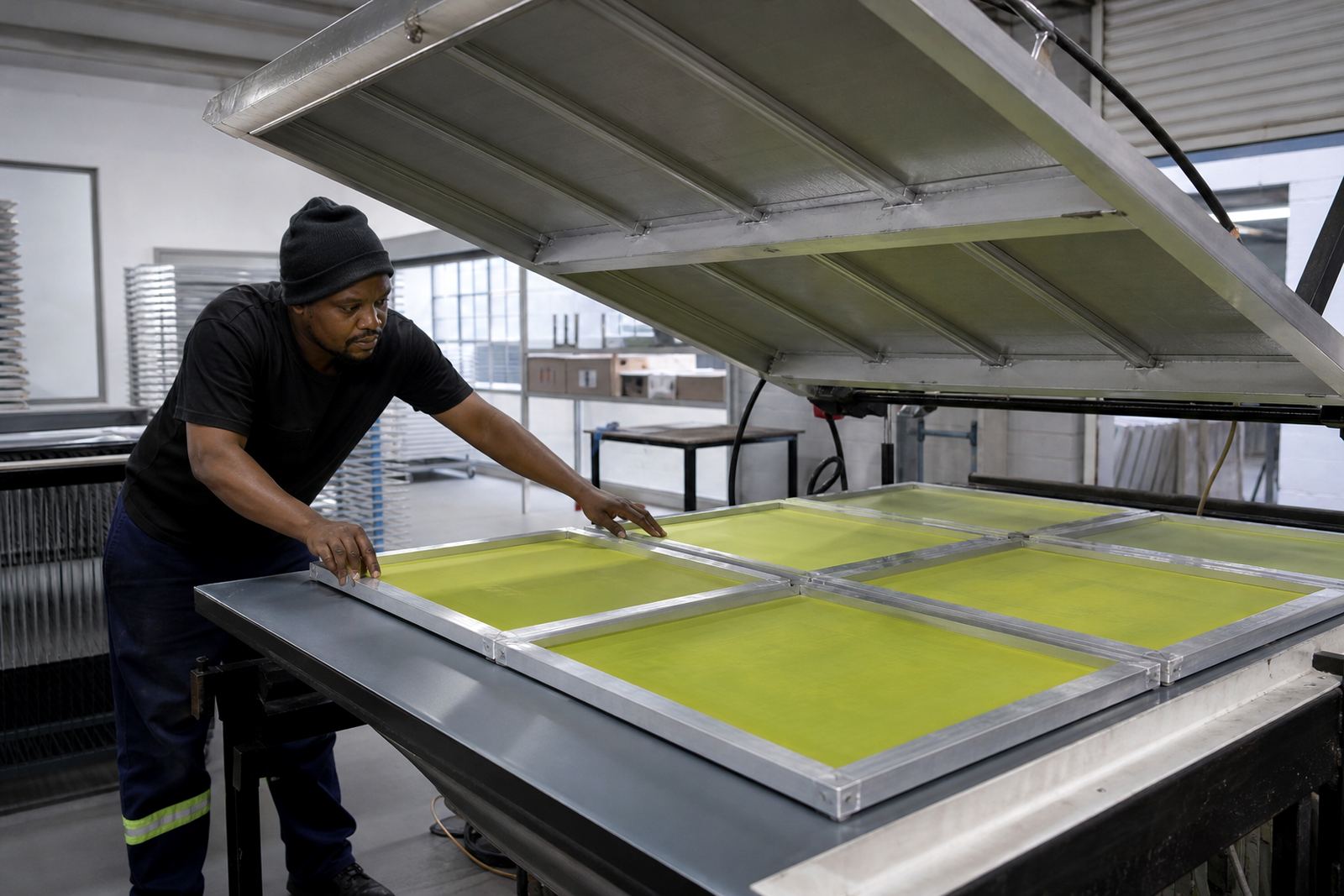
- Tension checking before exposure so the stencil sits evenly.
- Frame clean prep so adhesives, dust and old residue do not affect bonding.
- Batch screen prep when repeat cartons need consistent print results.
If the job carries fine reversed text or small legal markings, the screen room has to be stricter about tension and mesh consistency. If the artwork is mainly bold branding, the shop can work with a more open mesh to push the ink properly. Either way, consistency matters more than guesswork.
Planning the layout before you stretch the screen
Board and carton work often comes with die lines, folds and glue areas that must stay clear. Before stretching or re-stretching a frame, the shop should map out the print area against the board layout. That includes image position, clamp clearance, squeegee travel and where the job will sit on the bed. A good screen plan avoids placing detail too close to the edges where pressure changes can distort the image.
This is also the stage to decide whether one screen can handle the full job, or whether the work should be split across separate screens for solid panels and fine copy. For packaging, separating heavy coverage from detail can make a big difference to drying, registration and ink control. Shops in Johannesburg and Pretoria often build repeat packaging sets this way, while coastal clients may keep extra screens on hand because humidity can change drying times and handling.
When planning for board, think about the full workflow, not just the print image. If the job needs stacking, inspection and later dispatch packing, the screen room should keep the screens labelled clearly. That saves time on repeat orders and reduces mix ups when several carton sizes are in production at once.
Common mistakes on packaging board jobs
One of the most common mistakes is choosing a mesh only because it worked on another job. Board and carton substrates vary, and a screen that prints well on one coated sheet may behave poorly on another. Another frequent issue is poor tension. If the screen is loose, the print can blur, the edge definition drops and the stencil may break down sooner under repeated passes.
Shops also run into trouble when they ignore the ink deposit needed for the board. Some carton style materials want a heavier laydown for coverage, while others need a lighter touch to avoid set-off. If the screen is not matched to that need, the press crew ends up adjusting squeegee pressure too much, which can slow the run and increase wear. In humid areas, especially along the coast, storage and handling also need care because moisture can affect the board and the screen room in small but important ways.
Another mistake is skipping frame inspection. A damaged or uneven frame can cause registration drift, even when the artwork is correct. For packaging work, that can mean wasted sheets and extra make-ready time. Clean prep and tension checking are not optional on repeat carton jobs, they are part of keeping the run stable.
Mesh counts and tension ranges that shops usually discuss
There is no single mesh count for packaging boards because the artwork and board type decide the choice. Still, screen printers usually talk in practical terms. Lower to mid mesh counts suit stronger ink deposit, larger solids and straightforward branding. Higher mesh counts suit finer detail, small type and cleaner edges. The question is not only how much ink passes through, but how the image behaves once it lands on the board.
Tension matters just as much as mesh count. A well stretched screen helps the image recover cleanly after the squeegee pass, which is especially important on long packaging runs. If tension is uneven, the print can vary from one side of the screen to the other. That becomes obvious on cartons where the same logo or line repeats across multiple sheets.
Many shops prefer pre-stretched aluminium frames for this kind of work because they support repeatable results and make screen room handling simpler. Re-stretching can also help when a frame is still sound but the mesh has aged or lost its pull. The best choice depends on the job volume, the print room process and how often the screens will be reused.
Budget planning for board screens in Rand terms
Packaging board work is easier to budget for when the screen room separates the costs by use. A shop may need new frames for fresh artwork, re-stretching for repeat lines, and mesh count matching for different carton grades. The budget also needs to account for setup time, inspection and the cost of avoiding mistakes. In many print shops, the cheaper choice upfront becomes the more expensive one if the screen loses tension or fails mid run.
For planning purposes, it helps to budget in layers rather than one lump sum. A smaller local run may only need a few screens and some advice on setup. A full carton programme for a national customer may need multiple screens, repeat order service and careful packing for dispatch. If you are working from Germiston, or sending work between Johannesburg, Pretoria and the coastal cities, transport and handling should also be built into the budget so the screens arrive ready for use.
Good packaging jobs are won by consistency. The right mesh, a proper frame and a careful check before exposure can save far more than it costs, especially when the same carton line comes back again and again.