What Screen Inspection Covers Before Dispatch
Screen inspection is the final check we do before a frame leaves our Germiston workshop. We look at the mesh condition, frame straightness, corner integrity, bond quality and general readiness for screen-printing use. If a screen is going out to a shop in Johannesburg, Pretoria, Durban, Cape Town, Gqeberha or elsewhere in South Africa, the aim is simple: it should be fit for the press and ready for proper exposure and printing.
This service is especially useful for shops running tight schedules or dealing with repeat orders where a damaged edge, slack mesh or slight twist in the frame can slow everything down. We inspect both aluminium frames and the stretched mesh on them, then flag anything that needs attention before dispatch. You get a practical check, not a quick once-over.
- Mesh condition check for tears, abrasion and weak areas
- Frame straightness check for twist, warp and corner movement
- Bond and edge check where mesh meets the frame
- General readiness check for packing and dispatch
Mesh Counts and Screen Readiness Checks
Different mesh counts suit different inks, artwork detail and substrate types. During inspection we check whether the mesh still suits the intended use, or whether the count is too open, too tight or worn for the job. Coarser counts are commonly used where heavier ink deposit is needed, while finer counts are better for detail and cleaner print edges. If a shop is printing through humid coastal conditions, mesh choice and condition matter even more because storage and handling can affect tension and cleanliness.
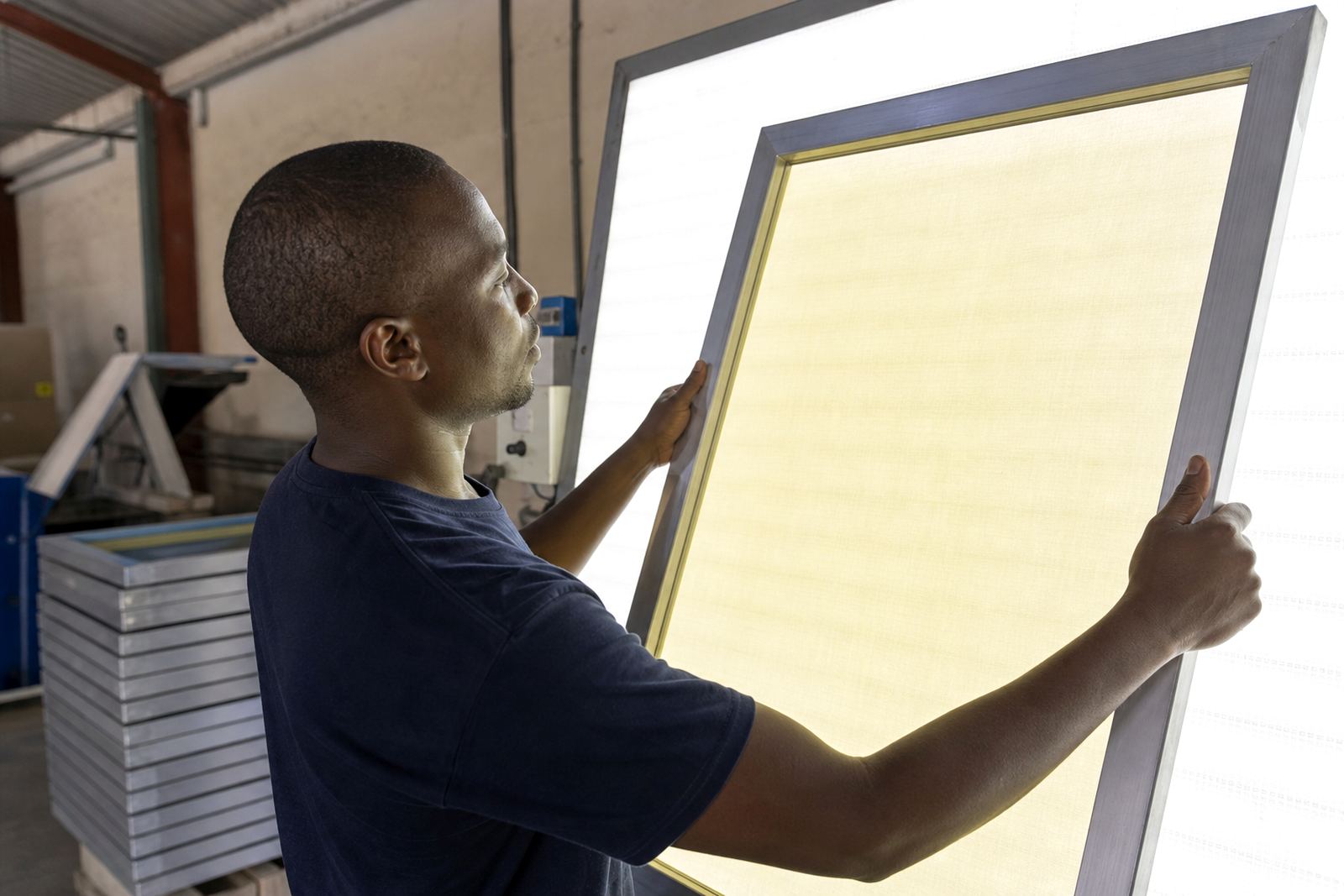
We also check for blocked weave, fraying at the edges and marks that could affect exposure or print quality. A screen might look fine from a distance, but under close inspection you can pick up small faults that will show up on press. That is why we inspect the mesh in daylight and under working light, not just by feel. Small faults now can save a full rework later, which is worth more than a rushed dispatch.
- Coarser mesh for heavier deposits and less detailed work
- Finer mesh for detail work and cleaner stencil edges
- Weave condition checked for blockage, wear and edge fray
- Suitability checked against the intended print task
Frame Straightness, Tension and Corner Stability
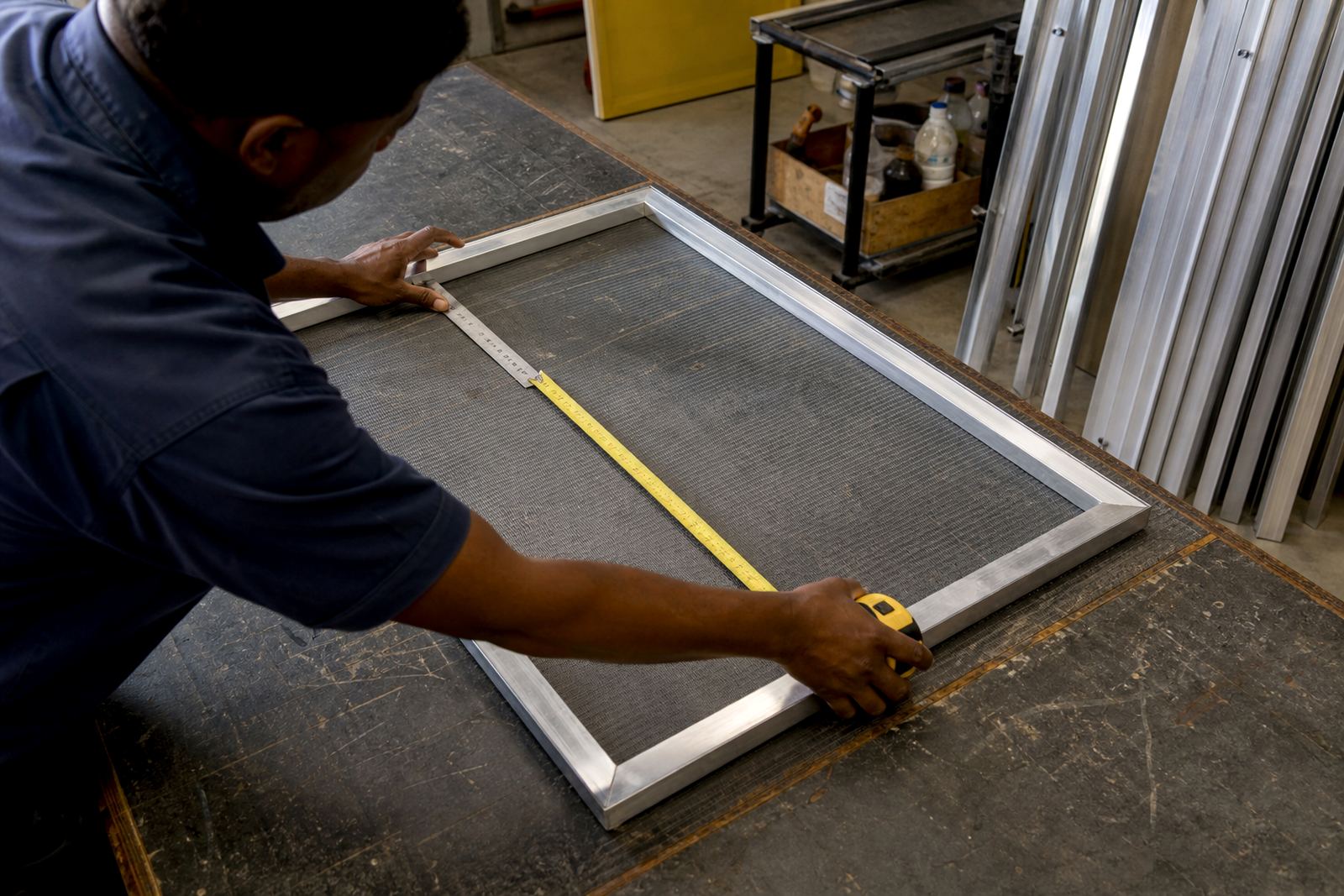
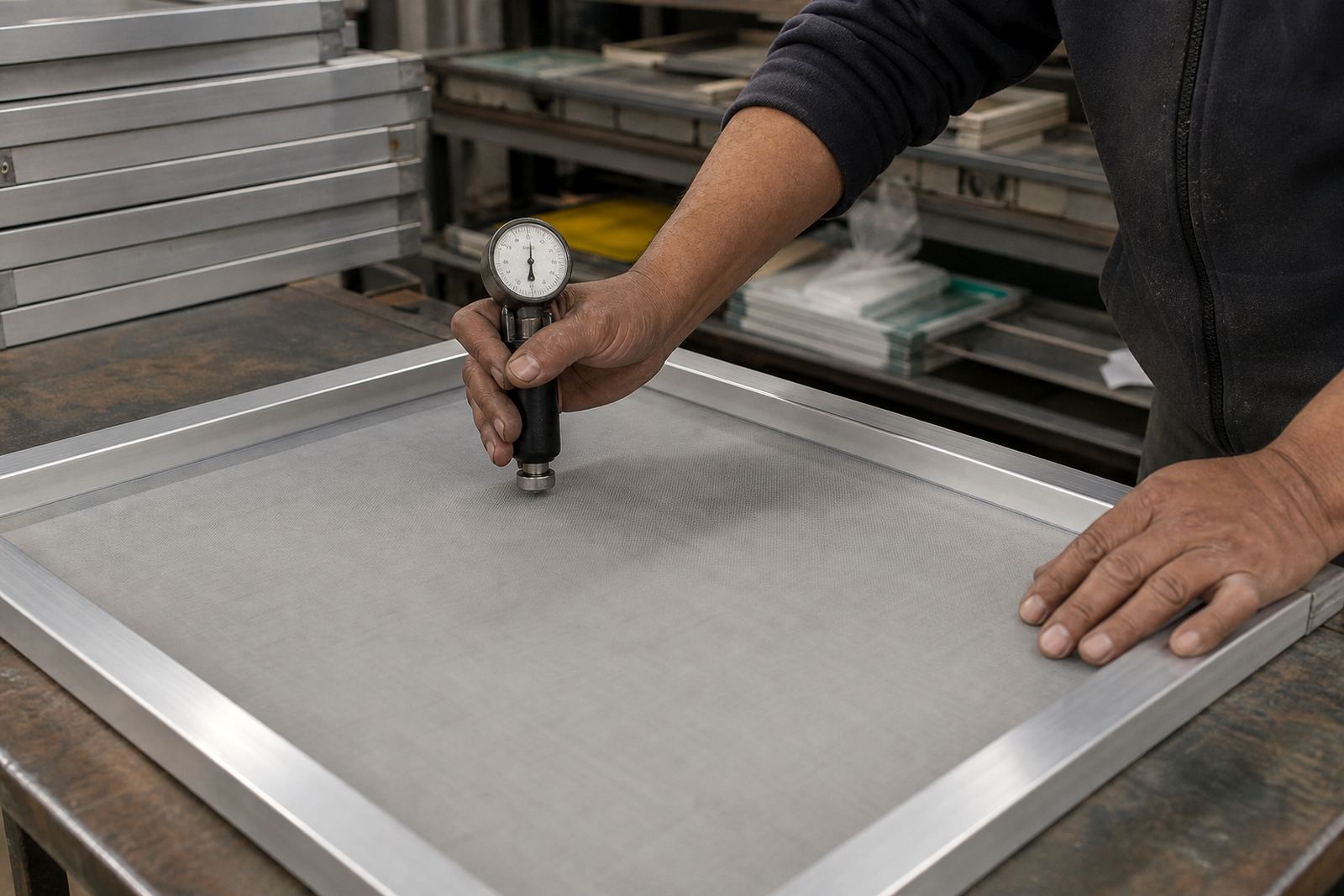
A frame can carry good mesh and still cause trouble if it is not straight. We inspect aluminium frames for bowing, twist and corner movement, because a slightly out frame can affect contact, registration and consistency. Tension is also checked where needed, since uneven tension across the screen can lead to poor ink release, image distortion or uneven print pressure. In South African workshop conditions, heat and load-shedding can make storage and handling less predictable, so regular inspection helps keep screens in a usable state.
Our team checks the screen by hand and by sight, then confirms whether the frame is steady and the mesh remains evenly tensioned across the full printable area. Where a frame has moved, we will note it clearly so you know whether it should go back for re-stretching, cleaning or replacement. If the issue is minor, it can often be picked up before it becomes a bigger job. That saves time, material and a lot of aggro.
- Checks for twist, bow and corner movement
- Tension checked across the mesh surface
- Uneven areas flagged before dispatch
- Advice given on whether re-stretching is needed
How We Inspect Each Screen Step by Step
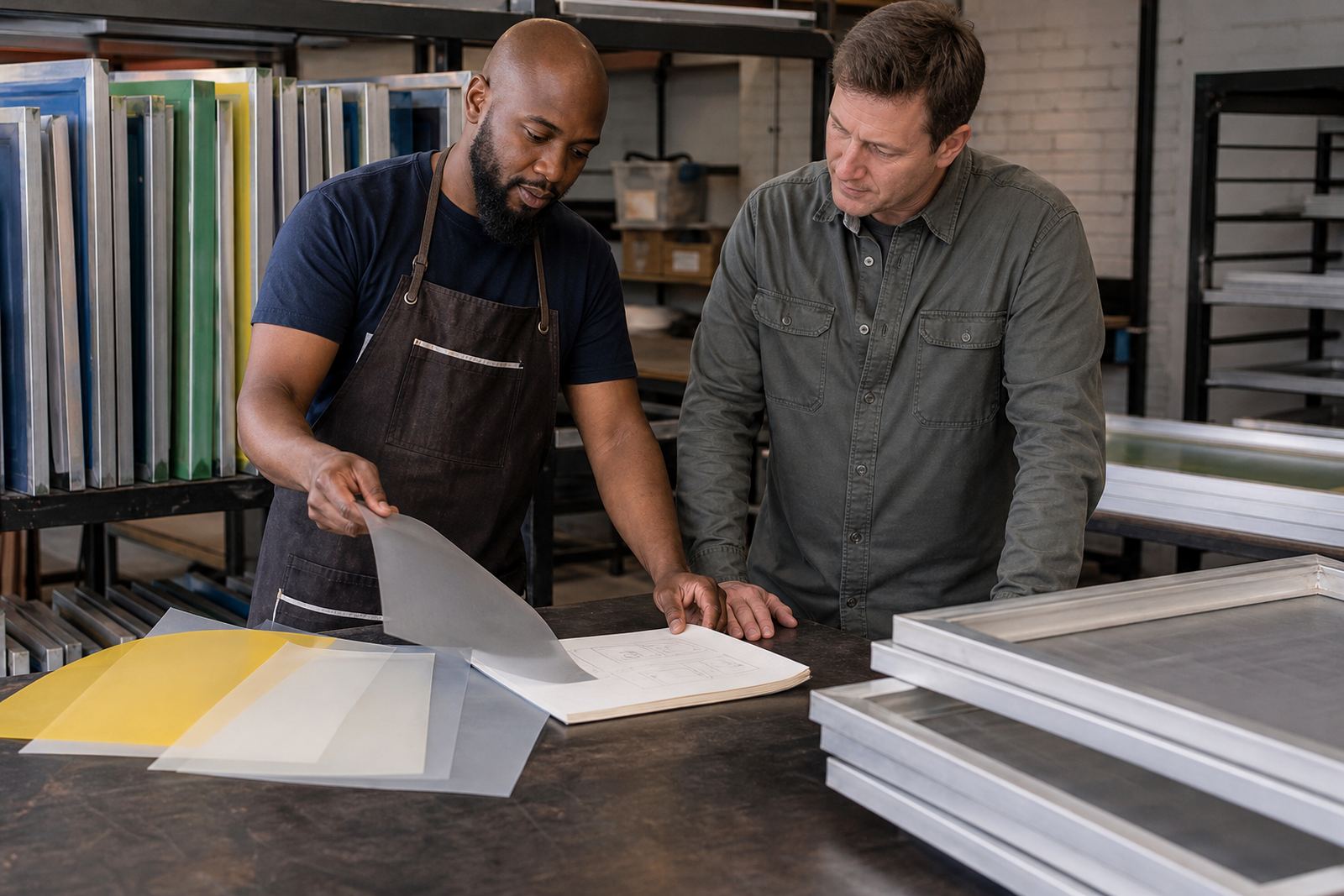
Our inspection process is practical and consistent. First, we receive the screen and confirm the job notes, mesh count and intended use. Then we clean off loose dust or residue where needed, because dirt can hide faults and make a frame seem better than it is. Next, we check the mesh, frame and bond points in sections so nothing is missed. Finally, we mark the screen as ready, hold it for adjustment, or recommend follow-up work.
The process is suited to both single screens and batches. If your workshop sends sets of frames for repeat production, we can inspect the batch together so the screens are aligned for the same job. That matters when you need consistent print results across a run. We also keep an eye on packing readiness so screens do not get knocked around in transit after inspection.
- Job notes and mesh count confirmed on intake
- Surface checked for dust, residue and visible damage
- Mesh, bond points and frame shape inspected in sections
- Ready, hold or follow-up advice given before dispatch
Turnaround for Gauteng and National Deliveries
Turnaround depends on how many screens are in the batch, what condition they arrive in, and whether any corrective work is needed after inspection. Simple readiness checks are usually quicker than screens that need re-stretching, frame cleaning or adjustment. For Gauteng collections and deliveries, we plan around workshop flow and route timing so the screen can move through inspection and packing without unnecessary delay.
For customers sending screens from Durban, Cape Town, Gqeberha and other areas, the inspection is coordinated with dispatch packing and repeat order work where needed. We do not rush a screen through if it still needs attention. Better to spot a fault in Germiston than after it lands at the shop and the job is on the press. If a batch is urgent, tell us upfront and we will advise what can be done within the available window.
- Faster for ready screens with no corrective work
- Longer where cleaning, stretching or adjustment is needed
- Batch inspections handled together where possible
- Urgent work assessed against workshop and delivery timing
Pricing Approach and When to Book Inspection
Screen inspection is priced according to the number of screens, the condition of the frames, and whether the job is a basic check or part of a wider service such as new frame stretching or re-stretching. We keep pricing practical and job-based, because one screen in good order is not the same as a batch with movement, residue or damaged mesh. You will be advised before work continues if extra attention is needed.
As a rule, book inspection whenever screens have been stored for a while, travelled between branches or been used through several print cycles. If your shop works with repeated jobs, especially on finer mesh counts or tight registration work, regular checks help avoid press downtime. For many customers, an inspection before a new run and again after a few production cycles is a sensible maintenance interval, though the exact timing depends on use, storage and ink type.
- Pricing based on screen quantity and condition
- Separate allowance for corrective work if needed
- Best booked before a new production run
- Repeat checks recommended after several print cycles
Keeping Screens Ready Between Jobs
Once a screen has passed inspection, proper handling still matters. Keep frames flat, avoid stacking heavy items on top and store them away from sharp edges, direct sun and damp corners. In coastal towns, moisture can affect mesh condition and residue can build up faster, while in hotter inland areas heat can affect storage and handling. A screen that is left dirty or bent will need more work next time, and that is avoidable.
If a frame comes back from dispatch with signs of wear, book it in before the next run rather than waiting for a failure on press. Regular inspection, cleaning and tension checking keep the mesh and frame in better order over time. It is a small habit, but it pays off when your shop needs consistent prints and less down time.
- Store screens flat and away from impact
- Keep them clear of damp, dust and direct sun
- Bring worn screens in before the next run
- Schedule inspections based on use and storage conditions
Key facts
| Service | Screen Inspection |
|---|---|
| What is checked | Mesh condition, frame straightness, bond quality and dispatch readiness |
| Mesh considerations | Mesh count suitability, weave wear, fraying and blocked areas |
| Frame check | Twist, bow, corner movement and general stability |
| Typical output | Ready for dispatch, hold for correction, or refer for re-stretching |
| Service area | Germiston, Johannesburg, Pretoria, Durban, Cape Town and Gqeberha |