Frames Sized For The Image Area You Actually Need
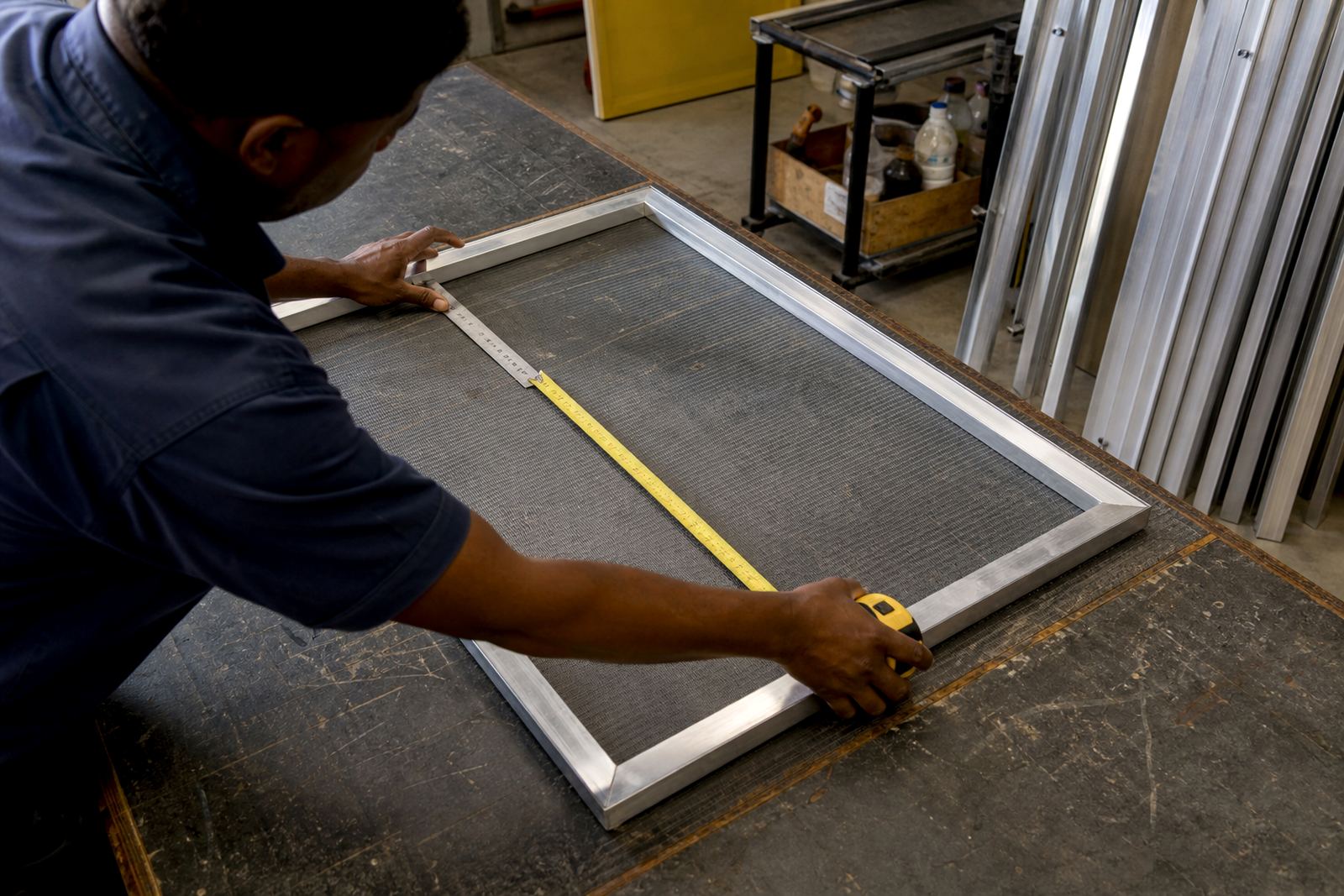
Custom frame sizing is about matching the outside frame dimensions and the print area to the job in front of you, not forcing the job to fit a standard size. That matters when you are working with oversized graphics, narrow sign panels, repeat production on one press, or screens that must clear clamps and platen edges cleanly. We prepare aluminium frames to suit the image area, the mesh count you plan to use, and the way the screen will sit on your press.
In screen printing, a few millimetres can affect off-contact, registration and flood stroke movement. A frame that is too small can leave you short on image area, while one that is too large can waste mesh and make handling awkward. We size frames so the mesh can be tensioned properly and the screen remains practical for day to day printing in busy shops from Germiston to Durban, Cape Town, Pretoria and Gqeberha.
- Sized around the finished image area and clamp clearance
- Suitable for manual and semi-automatic print setups
- Works with common mesh counts used for textiles, posters and signage
- Allows enough border space for exposure tape, masking and handling
What We Check Before We Cut And Stretch
Before a frame is prepared, we look at the artwork size, the press bed, the substrate and the mesh count required for the ink and detail level. Fine detail usually calls for a higher mesh count, while heavier deposit work needs a lower count. The frame size must support that choice without distorting the print area or causing avoidable stretch along the corners. If the job calls for tight halftones, the frame and mesh setup must be clean, even and stable.
We also consider how the screen will be used in your workshop. If you need frequent repeat orders, the frame should be easy to identify and consistent from batch to batch. If you are dealing with coastal humidity in places like Durban or Gqeberha, stable tension and correct bonding become even more important because mesh behaviour changes with temperature and moisture. That is why custom sizing is paired with proper tension checking and frame clean prep.
- Artwork dimensions and printable margins
- Mesh count selection for detail or ink deposit
- Press clearance and screen handling space
- Workshop conditions, including humidity and storage
How The Custom Sizing Process Runs
We keep the process practical and straightforward. First, you send through the dimensions you need and any notes about the press or image area. If you already know the mesh count, we work to that specification. If not, we can advise on a suitable option based on the job type. Next, we confirm the frame size, border allowance and expected use, then the frame is prepared, stretched and checked before dispatch.
For repeat customers, we can keep the sizing consistent so future screens match the same production setup. That saves time when you are running the same artwork again or replacing worn screens. When a screen is being prepared for a specific press, we make sure the frame edge, mesh position and overall dimensions are practical for setup and storage. The aim is a screen that fits the task and does not need unnecessary rework later.
- Send dimensions and job notes through the enquiry form
- Confirm mesh count and frame size before production
- Frame is stretched, bonded and checked for even tension
- Finished screens are packed for safe transport or collection
Tension, Bonding And Finish Details That Matter
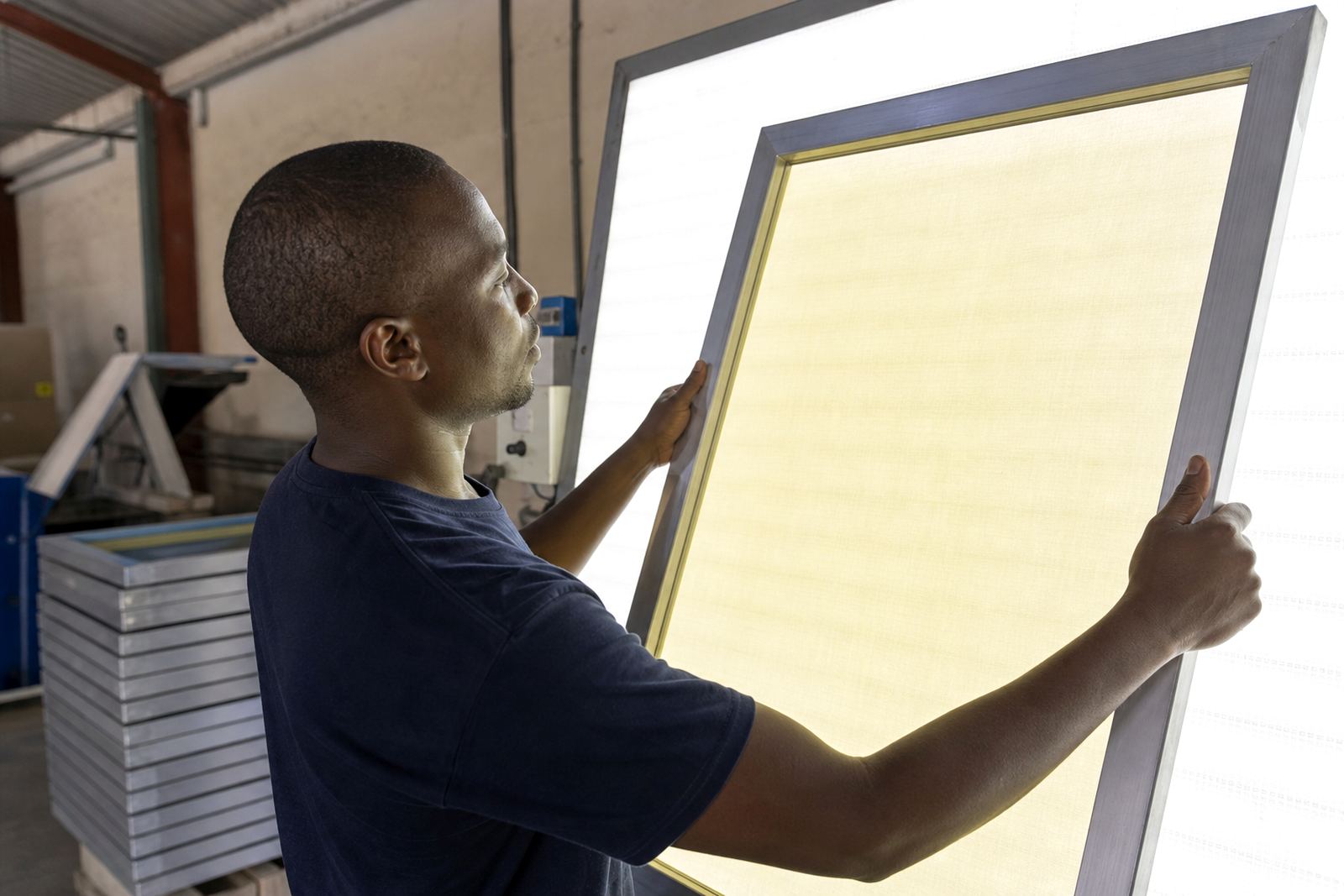
A custom frame is only as useful as the tension on the mesh and the bond between the mesh and the frame. Even tension helps with sharper edges, better ink release and more consistent registration across the screen. Uneven tension can lead to image drift, pinholing or poor print repeatability. For that reason, we focus on even stretch across the whole frame, proper corner behaviour and a tidy bond line that holds during regular use.
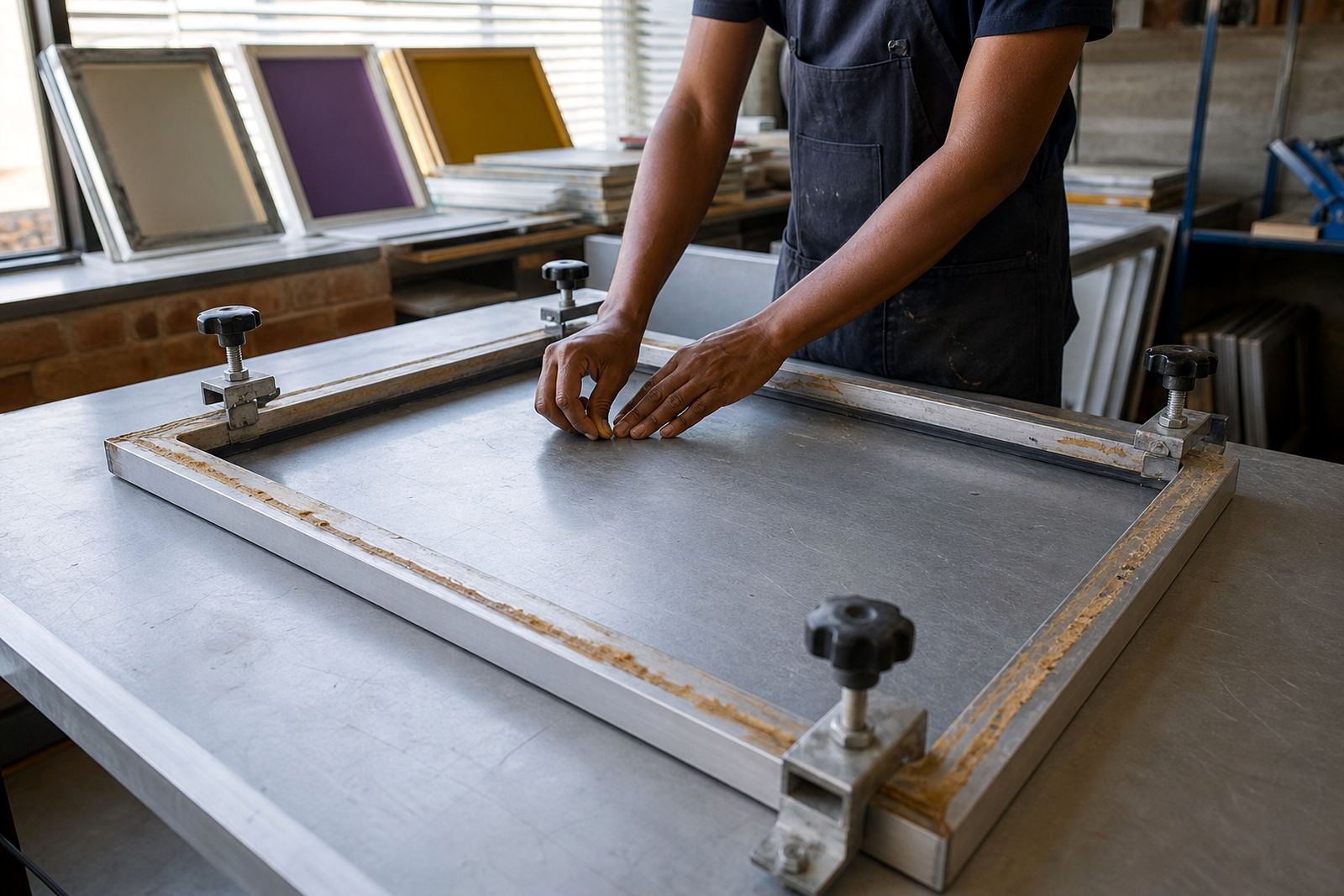
Our frame work includes preparation of the aluminium surface, bonding the mesh correctly and checking the screen for any movement before it leaves the workshop. If a screen is being re-stretched, we assess the frame condition first. A bent frame, damaged corner or old adhesive residue can affect the result, so we deal with those points before stretching where needed. This is especially useful for shops that run the same screens through multiple production cycles and need dependable tension over time.
- Even tension across the full print area
- Clean bonding for repeat use and handling
- Assessment of frame condition before re-stretching
- Suitable for screens that need stable registration
Turnaround, Dispatch And Pricing Approach
Turnaround depends on the number of screens, the size requested and the type of mesh involved. Straightforward custom sizing is usually quicker than unusual dimensions that need additional preparation or matching. If you are working against a production deadline, let us know early so we can plan the job properly and keep the schedule moving. We pack screens securely for delivery to Johannesburg, Pretoria, Midrand, the East Rand, Durban, Cape Town and Gqeberha, or for collection where arranged.
Pricing is based on the frame dimensions, mesh selection and the work required to prepare the screen. Larger frames, finer mesh counts and repeat prep steps can change the final cost, so we prefer to quote from the actual requirements rather than guess from a standard size. That approach keeps things fair and helps you budget for the exact screen setup you need. If you have ongoing work, repeat order service can also simplify future sizing and keep your production consistent.
- Quoted from the actual frame size and mesh requirement
- Turnaround depends on quantity and preparation needed
- Secure dispatch packing for local and national delivery
- Useful for one-off jobs and repeat production runs
Keeping Custom Screens In Good Condition
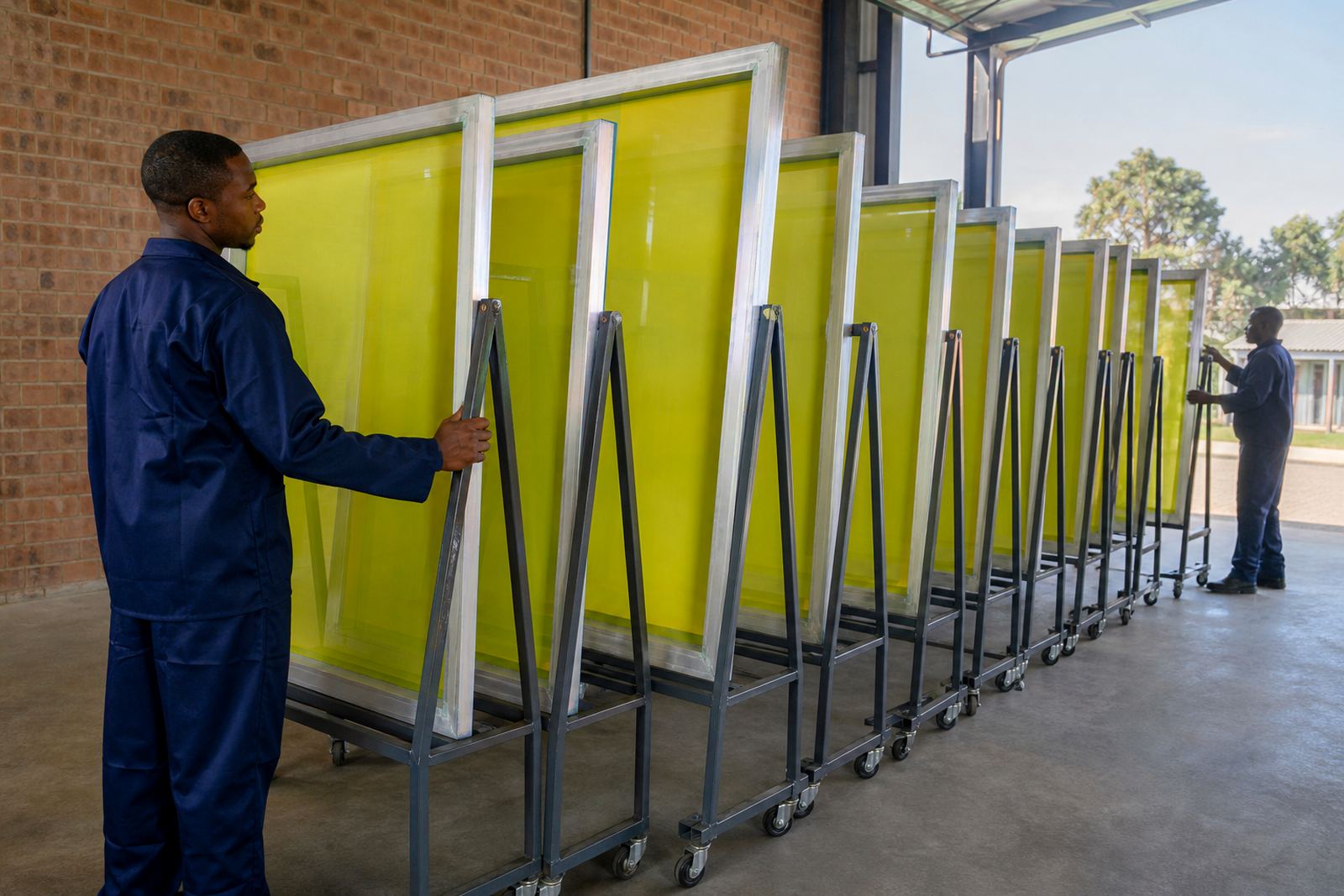
Once a custom frame is in use, maintenance matters. Screens should be cleaned soon after printing, stored flat or properly racked, and kept out of damp corners where mesh can weaken or stain. In warmer months and near the coast, it helps to watch for slackening tension, especially on screens that are used often. A regular tension check can catch problems before they affect the print.
For busy shops, we suggest checking screens at sensible intervals based on use rather than leaving them until the mesh fails. Heavy daily use may call for more frequent checks, while lighter workshop use may need less. If the frame is scratched, the corners loosen or the mesh starts to lose consistency, it is usually better to address it early. We can advise on re-stretching, inspection and replacement planning so your screens stay serviceable for longer.
- Clean screens after use to avoid ink build-up
- Store away from moisture and direct heat
- Check tension regularly on high-use screens
- Re-stretch or replace when print quality starts dropping
Key facts
| Service type | Custom aluminium screen frame sizing |
|---|---|
| Typical use | Unusual image areas, press clearance and repeat production setups |
| Mesh compatibility | Selected to suit the print detail and ink deposit required |
| Sizing focus | Printable area, border allowance and handling space |
| Preparation | Frame clean prep, mesh bonding, tension checking and dispatch packing |
| Service area | Germiston, Johannesburg, Pretoria, Durban, Cape Town, Gqeberha, East Rand and Midrand |