How do I choose the right mesh count for the job?
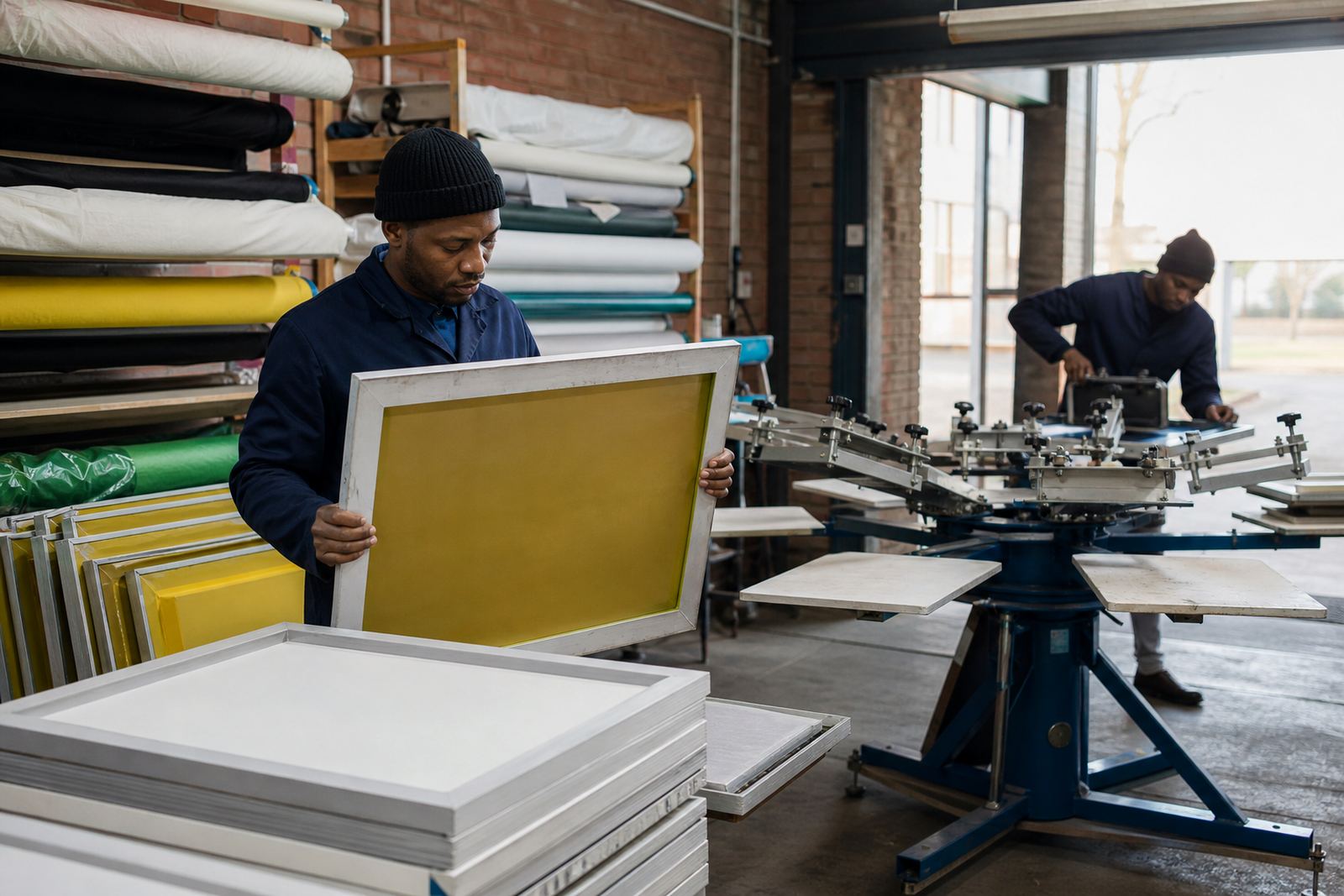
Mesh count affects how much ink passes through the screen, so the right choice depends on the detail in the artwork and the ink you are using. Lower mesh counts are generally used for heavier deposits, while higher mesh counts suit finer detail and thinner ink layers. If the job needs solid coverage on dark garments, a lower count may be the better fit. For fine halftones, small text, or detailed logos, a higher count is usually preferred.
If you are unsure, send through the artwork details and the substrate you are printing on. We can help with mesh count matching for textile printing, poster work and other screen applications. Our team in Germiston works with print shops in Johannesburg, Pretoria, Durban, Cape Town and Gqeberha, so we regularly advise on jobs that need different mesh types for different climates and production methods.
- Lower counts suit heavier ink deposits and simpler artwork.
- Higher counts suit fine detail and tighter control.
- Mesh choice also depends on ink, squeegee pressure and stencil thickness.
What makes a pre-stretched aluminium frame worth using?
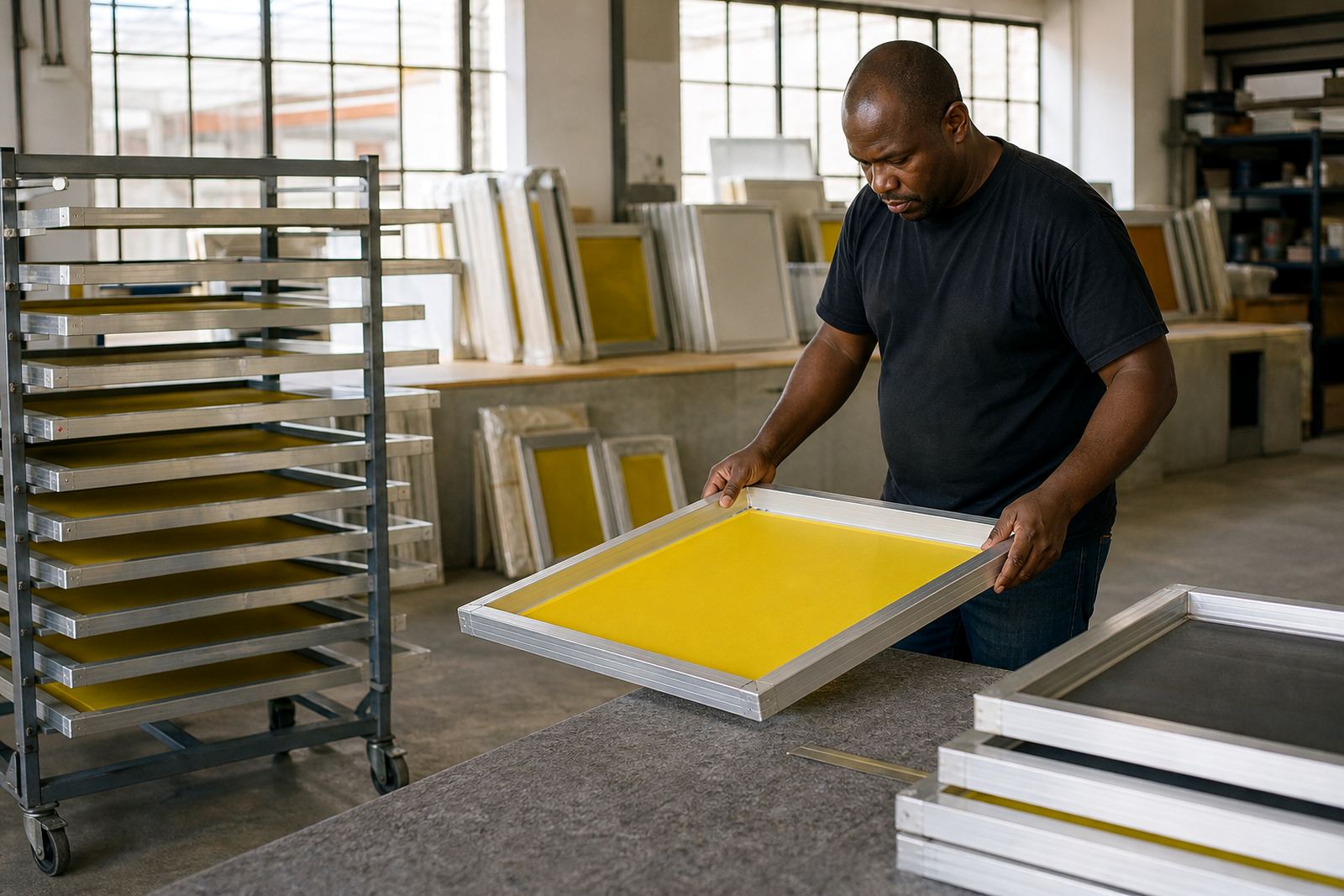
A pre-stretched aluminium frame saves time at setup and gives a more even starting point than a frame stretched in a hurry. A well prepared frame should hold tension evenly across the full area, with no soft spots at the corners or along the sides. That matters because uneven tension can cause blurred edges, poor registration and pinholes in the print. In humid coastal areas like Durban and Gqeberha, a properly prepared aluminium frame can help keep the screen more stable during storage and use.
Our frame stretching service is aimed at shops that need repeatable screens and consistent production. We also handle custom frame sizing, so the frame can suit your press layout and the size of the job. If you are replacing tired screens, re-stretching can be a practical option when the frame is still sound and the mesh needs to be renewed.
- Aluminium frames are lighter and easier to handle than many timber alternatives.
- Even tension helps with sharper prints and easier registration.
- Custom sizing is useful when your press or artwork size does not match standard formats.
How do you check tension and when should a screen be re-stretched?
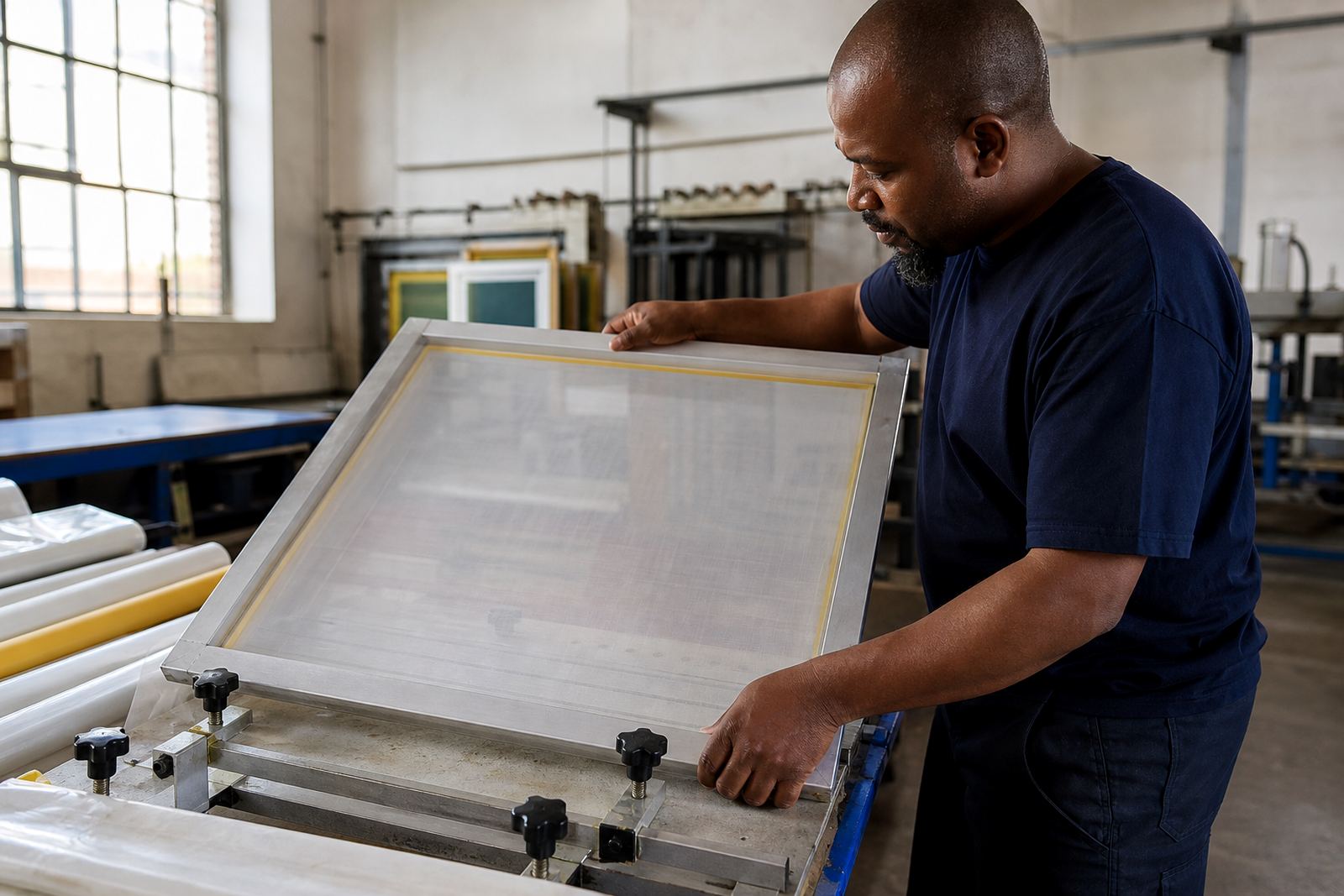
Tension checking is part of keeping screens production ready. A screen can look fine at a glance yet still feel loose when printing starts. If the mesh drags, the print edge softens or the screen starts to sag between jobs, it may be time for re-stretching or replacement. We also look for damage around the adhesive line, signs of mesh lift, and wear from repeated cleaning.
As a rule, if a screen no longer pulls cleanly off the ink bed or if the print quality changes from one side of the frame to the other, it is worth checking. We do frame inspection, mesh bonding and frame clean prep before stretching so the surface is ready for proper adhesion. That prep helps avoid premature lifting, especially in shops running through load-shedding interruptions where screens may stand longer between runs.
- Loose mesh can affect detail and ink deposit.
- Re-stretching is often better than pushing a tired screen through more runs.
- Clean prep before bonding helps the new mesh hold properly.
What should I do before sending screens or ordering repeat work?
If you are sending screens in for re-stretching or repeat order service, it helps to note the mesh count you want, the frame size, and what the screen is used for. If you are matching an existing screen, mention whether it is for textile, packaging or general print work. That gives us a better starting point for mesh count matching and tension advice. Please also let us know if the screen has any damage, bent corners, or old adhesive that needs attention.
Good communication on the front end saves time later. A short note with the job details makes it easier to plan batch screen prep and dispatch packing. It also helps us set expectations for delivery to branches and delivery areas like East Rand, Midrand and the major metro routes.
- Send the required mesh count, frame size and intended use.
- Flag any damage or previous repairs.
- Let us know if the screen needs repeated use for the same artwork.
How do you handle delivery to print shops across South Africa?
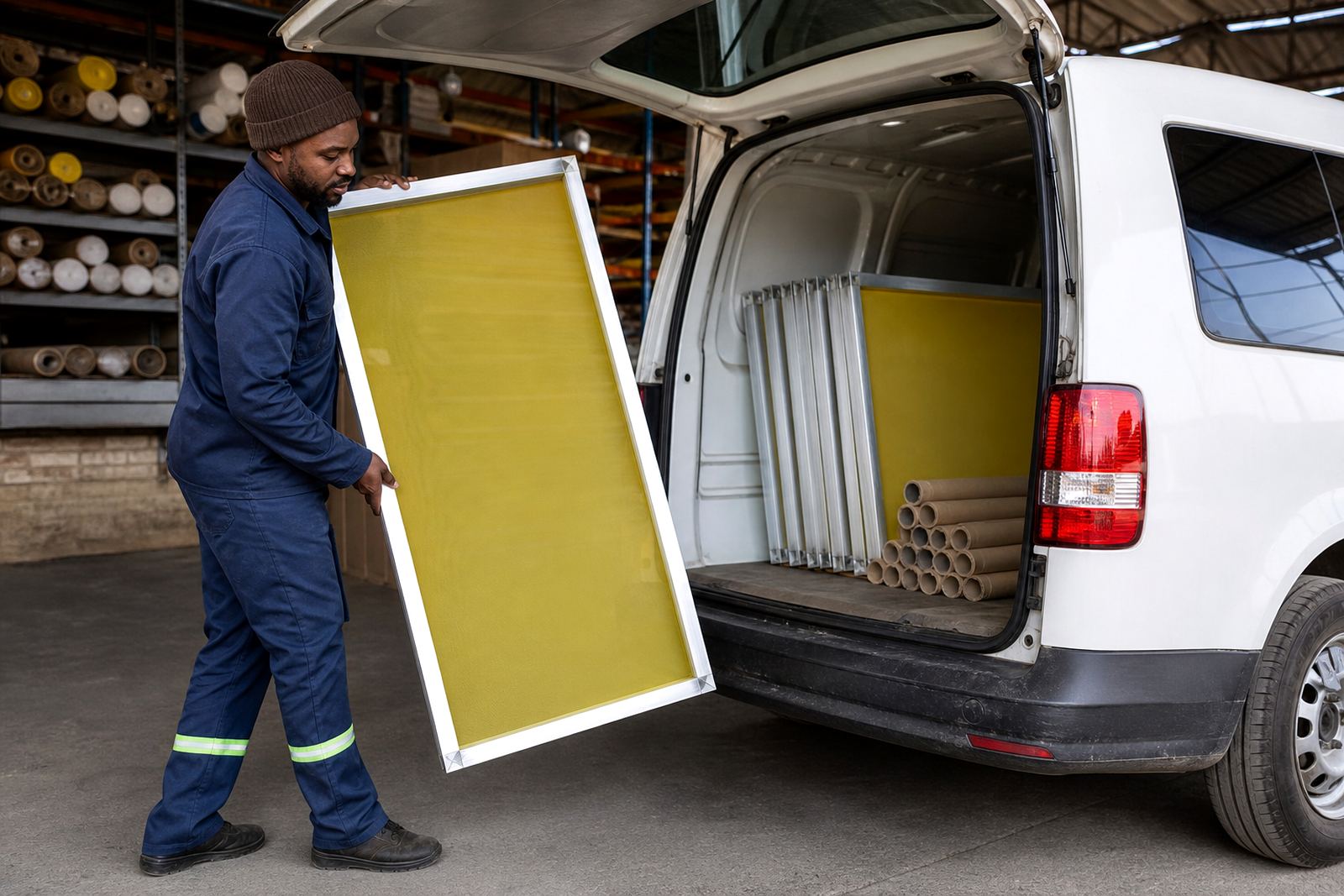
We supply from Germiston and arrange deliveries to print shops in Johannesburg, Pretoria, Durban, Cape Town and Gqeberha, with coverage across the East Rand and Midrand too. Orders are packed for safe transport, especially where frames need extra protection from knocks and edge damage. Screen items are best kept flat and dry, because moisture and rough handling can affect the frame surface and the bonded mesh.
When you submit an enquiry through the contact page, our team can guide the order through the right branch area and delivery route. If your shop is near the coast, it is worth planning ahead for humidity and storage conditions. For inland operations, dust and workshop handling matter just as much. Either way, proper packing and timely dispatch help keep the screens in usable condition.
What support can I expect after I place an enquiry?
Our support is practical and job-focused. Mandla Ndlovu oversees the business, with Ayesha Patel handling sales, Thabo Mokoena leading frame stretching, Lerato Maseko on customer support, Johan van der Merwe on logistics and Nokuthula Khumalo providing technical advice. That means the enquiry can be handled by the right person, not bounced around. If you need help choosing between a fresh stretch and a re-stretch, we can talk through the screen condition and the demands of the job.
We also help with screen setup advice, especially when a shop needs repeatable results across multiple frames. If you are running a busy schedule, small things like matching mesh counts, checking tension and keeping frames clean can make the next print run much easier.
- Advice on mesh selection and frame suitability.
- Support for repeat orders and ongoing shop requirements.
- Practical help with screen prep and dispatch planning.